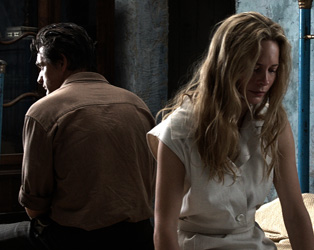
The Banishment (2007): A Masterful Exploration of Human Emotion

iqsafe.info – Released in 2007 and directed by renowned filmmaker Andrey Zvyagintsev, “The Banishment” is a Russian drama that delves into the complexities of human relationships and the profound impact of secrets and lies. Known for its stunning cinematography and deep emotional resonance, the film is both a visual and narrative masterpiece.

Plot Summary

“The Banishment” tells the story of Alex, played by Konstantin Lavronenko, who takes his wife Vera and their two children to his childhood home in the countryside. The serene setting quickly becomes the backdrop for a tense family drama when Vera reveals a secret that threatens to unravel their lives. As the story unfolds, Alex is forced to confront his own emotions and the consequences of his choices.

Themes and Analysis

The film explores themes of trust, betrayal, and the human capacity for forgiveness. Zvyagintsev masterfully uses the rural setting as a metaphor for isolation and introspection, allowing the characters to grapple with their inner turmoil. “The Banishment” examines the fragility of family bonds and the devastating effects of hidden truths, prompting viewers to reflect on the nature of love and redemption.

Cinematic Techniques

Zvyagintsev’s direction is characterized by his use of long, contemplative shots and a meticulous attention to visual detail. The film’s cinematography, by Mikhail Krichman, captures the stark beauty of the landscape, enhancing the emotional depth of the narrative. The deliberate pacing invites viewers to immerse themselves in the characters’ emotional journey, emphasizing the film’s contemplative nature.

Impact and Legacy

“The Banishment” received critical acclaim for its powerful storytelling and outstanding performances, particularly by Konstantin Lavronenko, who won the Best Actor award at the 2007 Cannes Film Festival. The film solidified Zvyagintsev’s reputation as a master of modern cinema, known for his ability to evoke profound emotional responses through his work.

Conclusion

“The Banishment” is a poignant exploration of human emotion, marked by its haunting beauty and narrative depth. Through its compelling story and striking visuals, the film offers a profound meditation on the complexities of love, trust, and the human condition. It remains a significant work in Andrey Zvyagintsev’s filmography, continuing to captivate audiences with its timeless exploration of universal themes.

Expressing Emotions Through Words: The Poetry of Heartache

iqsafe.info – Poetry has long been a vessel for the human experience, a means to articulate the inexpressible. Among the myriad of emotions it captures, heartache stands out as a profound subject, one that resonates with the universal truth of love and loss. The poetry of heartache is not merely an expression of sorrow; it is a testament to the resilience of the human spirit, a way to navigate through the complexities of grief and emerge with a deeper understanding of oneself and the world.

The Power of Words in Healing

Words, when woven into the fabric of poetry, possess a unique power to heal. They can soothe the raw edges of a broken heart, offering solace and companionship in solitude. The act of writing about heartache is therapeutic, allowing individuals to externalize their pain, to give shape to their sorrow. Through poetry, one can find a voice for their suffering, transforming it into something beautiful and shared.

Themes in the Poetry of Heartache

The poetry of heartache explores a range of themes, from the initial shock of loss to the gradual acceptance of change. It delves into the bittersweet memories that linger, the longing for what once was, and the struggle to find meaning in the aftermath. These themes are universal, yet each poet imbues them with a personal touch, making the pain palpable and the journey relatable.

Techniques and Styles

Poets employ various techniques and styles to convey the depth of heartache. Metaphors and similes are used to compare the abstract feelings of heartache to concrete images, making the emotions more tangible. Imagery and symbolism evoke a sensory experience, drawing the reader into the poet’s world. Free verse and structured forms both have their place, with some poets preferring the fluidity of free verse to mirror the unpredictability of emotions, while others find comfort in the discipline of a structured form.

Notable Poets and Their Works

Throughout history, poets have turned to their craft to express the pain of heartache. From William Sharp’s “Heartache” to Sylvia Plath’s “The Moon and the Yew Tree,” these works stand as beacons of emotional honesty and literary prowess. Contemporary poets, such as Warsan Shire and Rupi Kaur, continue this tradition, using modern language and forms to explore the complexities of love and loss.

The Role of the Reader

The poetry of heartache is not a one-way communication; it requires the active participation of the reader. Each person brings their own experiences and emotions to the poem, finding solace, empathy, or even a mirror to their own heartache. The act of reading becomes a communion, a shared experience that transcends time and space.

Conclusion

The poetry of heartache is a testament to the enduring power of words to express the deepest recesses of the human heart. It is a reminder that, in the face of sorrow, we are not alone. Through the art of poetry, we can find a pathway to healing, a means to understand our pain, and a voice to articulate our journey. As we read and write about heartache, we contribute to a collective narrative of resilience, a poetic legacy that continues to inspire and comfort generations to come.