Vivo (2021): A Heartfelt Journey of Music, Family, and Adventure

iqsafe.info – “Vivo” (2021) is an animated musical film produced by Sony Pictures Animation in collaboration with the famous Lin-Manuel Miranda, who not only lends his voice to the film but also contributes to the music. Directed by Kirk DeMicco and Brandon Jeffords, this film showcases the power of music, love, and the importance of following your heart, making it a memorable experience for both children and adults. Vivo combines a rich tapestry of vibrant visuals, a heartwarming storyline, and an unforgettable soundtrack, establishing itself as a standout movie in the world of animated features.

In this article, we will dive deep into the plot, themes, characters, production details, and overall impact of Vivo, exploring what makes this movie both a delightful and touching journey for audiences.

Plot Summary: A Journey of Music and Connection

At its core, Vivo is a heartwarming tale about a kinkajou (a tropical mammal resembling a small monkey) named Vivo, who embarks on a journey to honor the memory of his beloved late owner, Andres, a famous Cuban musician. The film opens with Vivo, living a content life with Andres in Havana, Cuba, where they perform together in the city’s vibrant squares, sharing their love for music with the locals.

The plot takes a turn when Andres receives a letter from his long-lost love, Marta Sandoval, a famous singer who is now living in Miami. In the letter, Marta invites Andres to perform with her once again—an opportunity that rekindles a lot of old feelings for him. However, tragedy strikes when Andres passes away unexpectedly, leaving Vivo alone with the heartbreaking task of delivering a song to Marta that Andres had written for her.

Realizing that this is his last chance to fulfill his late owner’s wish, Vivo decides to take the song to Marta in Miami. Thus, begins Vivo’s adventurous journey from Havana to Miami, a journey that is filled with challenges, humor, friendship, and self-discovery. Along the way, Vivo is joined by Gabi, a young girl with a bold personality and an innate love for music, who helps him navigate the obstacles they encounter. Gabi, a fun-loving and spirited girl with a distinct flair, eventually becomes Vivo’s ally, and the two share an emotional bond built through their shared love of music.

As the duo travels through lush landscapes, challenging cities, and facing various humorous but tense situations, the connection between Vivo and Gabi strengthens. Gabi, who struggles to find a place for her unique voice and talents in the world, learns a valuable lesson about staying true to herself, just as Vivo learns the importance of friendship, love, and resilience.

The journey ultimately becomes not just about delivering a song, but about finding one’s own voice and connecting with others in a meaningful way. Vivo learns that he doesn’t have to be alone to honor his bond with Andres and that the power of music can bring people together across distances, even in the face of loss.

Themes of Music, Friendship, and Legacy

One of the central themes of Vivo is the power of music to transcend boundaries and bring people together. The film explores how music acts as a universal language, capable of conveying emotions that words cannot fully express. The character of Andres, a musician, shows how music is not just a career but a form of personal expression and a legacy to pass down to others.

Vivo’s journey symbolizes not just the pursuit of a mission, but also the power of music to help characters confront grief, loss, and the passage of time. Vivo’s mission to deliver the song left by Andres to Marta is driven by love, but as the story progresses, the movie emphasizes that music can also serve as a tool for healing and closure. The ability to connect with others through music is at the heart of the film’s message, reinforcing the idea that art transcends life itself.

Another central theme is friendship, as the relationship between Vivo and Gabi plays a significant role in the movie. Though they come from very different worlds—Vivo being a small, clever animal and Gabi being a human with a rebellious spirit—they learn to work together and support each other through their respective challenges. Their bond highlights how unlikely friendships can form through mutual respect, trust, and understanding.

Legacy and honoring those who came before us is another powerful theme in the movie. Vivo’s journey is a testament to his desire to preserve Andres’s memory and fulfill his late owner’s final wish, which helps him find a new sense of purpose. Through his determination, Vivo honors the importance of preserving the legacy of those who have shaped us.

The Characters: Memorable, Heartfelt, and Relatable

Vivo

The protagonist, Vivo, is a lovable and talented kinkajou who exudes a sense of both vulnerability and courage. His devotion to Andres and the music they created together adds a layer of emotional depth to the film. Vivo is driven by love and a sense of duty to deliver the song, but his journey forces him to evolve as he learns to rely on others and embrace new relationships. His character is relatable to anyone who has ever faced loss, experienced the longing to honor someone they care about, or felt the weight of a heavy responsibility.

Gabi

Gabi, the young girl who joins Vivo on his journey, is one of the standout characters in the film. Her vibrant personality and unique sense of style make her an unforgettable presence. Gabi is a teenage girl who feels misunderstood and struggles to fit into societal expectations. However, her love for music allows her to connect with Vivo, and through their shared adventure, she learns to embrace her individuality and talent. Gabi’s character development is one of the movie’s most important arcs, as she discovers how to express herself confidently and find her place in the world.

Marta Sandoval

Marta Sandoval, the famous singer, is a key figure in the story despite not appearing frequently. Her relationship with Andres is central to the emotional core of the film, and her character represents the legacy of music and love that Vivo and Andres share. Marta’s eventual reunion with Vivo symbolizes the closure of an old chapter while also providing an emotional resolution to Andres’s storyline.

Andres

Though Andres’s physical presence in the film is limited due to his passing early on, his impact is felt throughout the movie. His role as a mentor to Vivo and his connection to Marta shape the motivations and emotional arc of the entire story. Through his music and the legacy he leaves behind, Andres serves as a central figure in Vivo’s journey.

Music and Songs: The Heart of Vivo

As with many of Lin-Manuel Miranda’s projects, Vivo boasts an incredible soundtrack that plays a pivotal role in the film’s storytelling. Miranda’s expertise in songwriting and his passion for blending diverse musical styles are evident throughout the film. The songs are not just catchy and fun but also rich in emotional depth, making the music a powerful vehicle for character development and narrative progression.

“Inside Your Heart”

One of the key songs in the film, “Inside Your Heart,” is a heartfelt ballad that encapsulates the theme of following one’s heart and honoring the love that binds us to others. This song is especially emotional as it underscores Vivo’s journey to honor Andres and share their music with Marta. Lin-Manuel Miranda’s lyrics, combined with the vibrant instrumentation, make this song a standout moment in the film.

“Keep the Beat”

Another memorable song from Vivo is “Keep the Beat,” which serves as a lively anthem about perseverance, hope, and the joy of music. This upbeat tune captures the energy and optimism that characterizes Gabi’s personality while driving home the idea that music can help people power through even the toughest challenges.

“One of a Kind”

In addition to these heartwarming ballads, Vivo features a diverse blend of musical genres, including pop, salsa, and Cuban-inspired melodies, reflecting the cultural richness of the characters’ backgrounds. The music not only enhances the storytelling but also plays a significant role in conveying the characters’ emotions and personal growth.

Visual Style: A Colorful and Lush World

The animation style of Vivo is vibrant and full of life. The film’s visuals are richly detailed, from the sun-soaked streets of Havana to the bustling urban landscape of Miami. The bright, tropical colors that dominate the film’s aesthetic mirror the vibrant music that drives the story, helping to immerse viewers in the world of Vivo.

The landscapes are lush and scenic, capturing the natural beauty of Cuba’s landscapes and the cityscape of Miami. The film’s animation is smooth, energetic, and expressive, allowing the characters to convey deep emotions through their movements, especially during the musical numbers.

Conclusion: A Movie About Love, Music, and Following Your Heart

Vivo (2021) is more than just an animated film—it’s a celebration of the universal language of music and its ability to bring people together across distances, cultures, and lifetimes. With its heartfelt storyline, vibrant visuals, memorable characters, and a soundtrack that will stay with you long after the credits roll, Vivo is a movie that resonates with viewers of all ages. It reminds us that even in times of loss, love, and music can help us find our way and connect with others in meaningful ways.


Surf’s Up (2007): A Wipeout of Laughter, Heart

iqsafe.info – Released in 2007, Surf’s Up is an animated feature film that brings a refreshing twist to the world of sports and adventure. Produced by Sony Pictures Animation and directed by Ash Brannon and Chris Buck, the movie takes viewers on a thrilling ride through the life of Cody Maverick, a young penguin who dreams of becoming a professional surfer. Surf’s Up stands out not only for its unique animation style but also for its heartwarming story and memorable characters, making it a film that has earned a special place in the hearts of audiences.

Set against the backdrop of a fictional surfing competition on a tropical island, Surf’s Up combines humor, emotion, and stunning visuals to create a compelling narrative that appeals to both children and adults. The film’s playful and energetic tone, paired with its exploration of personal growth, dreams, and perseverance, elevates it beyond a simple sports story, making it a standout in the world of animated films.

In this article, we’ll explore the plot, characters, themes, animation, and lasting impact of Surf’s Up as it remains a beloved film that continues to inspire new generations of fans.

Plot Overview: A Young Penguin’s Surfing Dream

At the heart of Surf’s Up is the story of Cody Maverick (voiced by Shia LaBeouf), a young, ambitious penguin from the cold, icy shores of Antarctica who dreams of becoming a surfing champion. Inspired by the surfing legend Big Z (voiced by Jeff Bridges), Cody sets his sights on competing in the prestigious “Big Z Memorial Surf Off” competition, which promises glory and recognition for the winner.

Cody’s journey to the surf competition, however, is not an easy one. After leaving his small hometown, he travels to the tropical island of Pen Gu, where the event is held. Along the way, Cody is introduced to a range of characters who will shape his understanding of what it truly means to be a surfer.

One of the key people Cody meets is Geek (voiced by Jon Heder), an enthusiastic but awkward penguin who becomes Cody’s friend and mentor. Geek is passionate about surfing but is far less skilled than the other surfers, providing plenty of comedic moments in the film. Together, Cody and Geek form an unlikely team as they prepare for the surf competition.

As Cody immerses himself in the world of professional surfing, he soon realizes that his quest for glory and fame isn’t as simple as he once thought. Along the way, he learns important lessons about teamwork, humility, and what it means to follow his dreams—not just for the recognition, but for the love of the sport.

The biggest surprise for Cody, however, comes when he meets Big Z in person. Once the undisputed surfing champion, Big Z now lives a quiet and humble life away from the limelight. His mentorship becomes a pivotal turning point in Cody’s journey, as Big Z teaches him not only about surfing but also about the deeper meanings of self-confidence, passion, and balance in life.

Characters: Memorable Personalities and Their Growth

Surf’s Up boasts a delightful cast of characters that bring the story to life with their distinct personalities, humor, and heart. Each character plays an important role in Cody’s journey, adding layers of depth to the film’s themes of growth, friendship, and resilience.

1. Cody Maverick: The Ambitious Young Penguin

The film’s protagonist, Cody Maverick, is a young, determined penguin who believes that becoming a surfing champion is the only way to prove himself. Voiced by Shia LaBeouf, Cody is passionate and eager to succeed, but he’s also somewhat naive about the true nature of the sport. His determination to win and be recognized often leads him to make rash decisions or overlook the importance of enjoying the journey.

Cody’s arc throughout the film is one of personal growth, as he learns that success isn’t just about winning or fame, but about the passion and joy that surfing brings. His relationship with Big Z is central to this transformation, as the veteran surfer helps him see that there’s more to life than simply chasing a title.

Despite his flaws, Cody’s ambition and heart make him a relatable and endearing character, particularly for audiences who have experienced the desire to achieve something significant or be recognized for their abilities.

2. Big Z: The Surfing Legend

Big Z (voiced by Jeff Bridges) is the former surfing champion and Cody’s idol, whose life took an unexpected turn after a major event during a surfing competition. Initially thought to have disappeared, Big Z is found living a humble life away from the world of professional surfing. He is a wise, laid-back penguin who has learned the true meaning of surfing and life beyond the fame and accolades.

Big Z’s role in the film is vital to Cody’s development. He teaches Cody valuable life lessons, including the importance of balance, humility, and enjoying the ride rather than focusing solely on the destination. Through his interactions with Cody, Big Z reveals that there is more to being a true champion than winning competitions—it’s about passion, perseverance, and a love for the sport itself.

Big Z’s character is a gentle reminder that the pursuit of greatness is not always about external recognition, but about internal satisfaction and growth. His calm demeanor and insightful advice provide the perfect counterpoint to Cody’s headstrong determination.

3. Geek: The Eccentric Mentor and Friend

Geek (voiced by Jon Heder) is an awkward yet endearing penguin who becomes Cody’s unexpected mentor and friend. While Geek is not a professional surfer, his enthusiasm for the sport and his quirky personality make him a valuable ally for Cody. He provides much of the film’s comic relief, but he also represents the idea that passion and dedication are just as important as skill and talent.

Geek’s character serves as a reminder that everyone, regardless of their experience or abilities, can contribute to something they love. His support and friendship help Cody realize that success is not always about being the best, but about being true to yourself and enjoying the process.

4. Lani: The Loving Surfer Girl

Lani (voiced by Zooey Deschanel) is the island’s surfing expert and Cody’s love interest. Lani is knowledgeable, confident, and graceful, representing the balance between competition and a love for the sport. Her role in the story is not only as Cody’s romantic interest but also as someone who embodies the spirit of surfing—a carefree, grounded person who enjoys the sport for the fun and beauty it brings, not for fame or glory.

Lani’s relationship with Cody is subtle but important, as it helps him discover a different perspective on what it means to succeed and live life with passion. Through her, Cody learns that there are deeper connections in life than the pursuit of recognition, and sometimes the best way to surf is with a calm, centered heart.

Themes: Personal Growth, Friendship, and the Joy of Surfing

At its core, Surf’s Up is not just a movie about surfing, but about self-discovery, perseverance, and the importance of enjoying the journey. Through its engaging plot, endearing characters, and beautiful messages, the film teaches valuable lessons that resonate with people of all ages.

1. Following Your Passion, Not Just the Prize

One of the most prominent themes in Surf’s Up is the idea that true success comes not from winning or achieving external recognition, but from following your passion and doing something for the love of it. Cody’s initial obsession with becoming a champion causes him to lose sight of the deeper enjoyment of surfing, but through Big Z’s mentorship, he learns that the real joy comes from the act itself—the challenge, the thrill, and the freedom of surfing the waves.

The film teaches viewers that while it’s natural to want to succeed, it’s just as important to find fulfillment in the process of doing what you love, rather than solely in the outcome. This message is especially powerful for young audiences who may be dealing with pressure to excel in various areas of their lives.

2. The Power of Friendship and Mentorship

Another key theme in Surf’s Up is the importance of friendship and mentorship. Geek’s unwavering support and Big Z’s wisdom are integral to Cody’s growth as both a surfer and an individual. Through his relationships with these two characters, Cody learns that success is not something you achieve alone—it is often the result of the support, encouragement, and guidance of others.

Surf’s Up reminds viewers that teamwork, friendship, and mentorship are invaluable in navigating life’s challenges. It’s the people who stand by you, help you grow, and share their experiences that often provide the most meaningful lessons.

3. Embracing Failure and Learning from It

The film also explores the idea of failure and how it plays a vital role in personal growth. Cody’s journey is marked by several setbacks and challenges, but each of these failures becomes a stepping stone toward greater self-understanding and achievement. Instead of being discouraged by his mistakes, Cody learns to embrace them as opportunities to learn and improve.

Big Z’s own journey of self-discovery after his fall from grace teaches Cody that everyone faces failures in life, but it’s how you respond to them that defines your success. Failure isn’t something to fear—it’s something to grow from.

4. The Importance of Balance in Life

Surfing, at its core, is about balance. This physical metaphor runs throughout the movie, illustrating how the balance between ambition and humility, competition and enjoyment, can lead to a more fulfilling life. Cody’s evolution as a surfer mirrors his journey toward balance—finding harmony between his desire to win and his need to stay true to his passion for surfing.

Animation and Visuals: A Unique Documentary Style

One of the standout features of Surf’s Up is its distinctive animation style. The film uses a mockumentary approach, giving it a unique visual and narrative style. The story is presented as if it were being filmed by a camera crew, complete with talking-head interviews and documentary-style shots. This approach not only adds humor and depth to the storytelling but also sets the film apart from other animated features.

The film’s surf scenes are beautifully animated, with stunning depictions of waves, beaches, and tropical landscapes. The animation captures the energy and excitement of surfing, while also conveying the serenity and beauty of the natural world.

Conclusion: A Movie for the Surfing Soul

Surf’s Up (2007) is an animated gem that combines humor, heart, and powerful life lessons in a way that appeals to audiences of all ages. With its unforgettable characters, stunning animation, and inspiring messages about passion, friendship, and personal growth, the film remains a beloved classic in the world of animated films.

Whether you’re a fan of surfing or simply looking for a fun, feel-good story, Surf’s Up is a ride worth taking. Cody Maverick’s journey from an ambitious young penguin to a true surfer at heart serves as a reminder that success isn’t just about winning—it’s about finding balance, embracing failure, and loving what you do.

Mr. Peabody & Sherman (2014) – Wit, Heart, and History

iqsafe.info – Mr. Peabody & Sherman (2014) is an animated science-fiction comedy film produced by DreamWorks Animation and directed by Rob Minkoff. Based on the classic Peabody’s Improbable History segments from The Rocky and Bullwinkle Show, the film offers a contemporary reimagining of the beloved characters, Mr. Peabody, a genius dog, and his human-adopted son, Sherman. The film blends humor, history, and heart, delivering an adventurous story of time travel that takes viewers on a thrilling ride through history’s most significant moments. With stunning animation, a star-studded voice cast, and a heartfelt message about family and acceptance, Mr. Peabody & Sherman has captured the hearts of audiences around the world.

At its core, the film is about the relationship between an incredibly intelligent dog, Mr. Peabody, and his young son, Sherman. As the two embark on an accidental time-traveling journey, they encounter iconic figures from history, face challenges, and learn valuable lessons about love, family, and the importance of being true to oneself.

Plot Summary: A Witty and Heartwarming Time-Travel Adventure

The story begins in modern-day New York City, where Mr. Peabody (voiced by Ty Burrell), an exceptionally intelligent and cultured dog, lives a life of luxury and accomplishment. Mr. Peabody holds numerous patents, has won prestigious awards, and is considered a historical figure in his own right. However, despite his remarkable achievements, he faces skepticism and prejudice from society due to his being a dog. Undeterred by the criticisms, Mr. Peabody pours his energy into creating innovative inventions, with the most important one being the WABAC, a time machine that allows him to travel to different points in history.

After adopting a human boy named Sherman (voiced by Max Charles), who is eager to learn but sometimes gets into trouble, Mr. Peabody begins raising him with the same discipline and high expectations that he applies to his own life. The bond between father and son is unique, with Mr. Peabody taking a proactive approach in providing Sherman with an education that spans beyond the classroom walls. He teaches Sherman about history and culture through thrilling adventures in the WABAC, offering Sherman a chance to interact with historical figures and events firsthand.

However, Sherman’s life takes a turn when he brings his new classmate, Penny Peterson (voiced by Ariel Winter), over to their home. Penny, a smart and curious girl, is skeptical of Mr. Peabody’s abilities and openly questions the unconventional nature of Sherman’s family. In an attempt to impress Penny and avoid further humiliation, Sherman takes Penny for a ride in the WABAC, causing the time machine to malfunction and sending them both back in time to the ancient past.

As Mr. Peabody discovers that his son and Penny have accidentally altered history by interacting with iconic figures such as Cleopatra, Leonardo da Vinci, and King Arthur, he must embark on a dangerous mission to fix the timeline and restore history before it’s too late. Along the way, Mr. Peabody and Sherman work together to prevent catastrophic events from unfolding, all while strengthening their father-son bond. The film takes viewers on a whirlwind journey through history, combining exciting action sequences with witty humor and touching moments.

Mr. Peabody’s Role as a Father

One of the central themes of Mr. Peabody & Sherman is the father-son relationship between Mr. Peabody and Sherman. As an extraordinary dog who has accomplished great feats in life, Mr. Peabody’s most significant role is that of a father. The film explores his unique approach to parenting, focusing on the challenges he faces as a non-human raising a human child. Mr. Peabody is determined to provide Sherman with the best education, but his high expectations and unconventional methods sometimes lead to tension between the two.

Mr. Peabody’s intelligence and desire to offer Sherman the best opportunities often clash with the fact that Sherman is still a young boy, learning about the world and developing his own personality. The tension between their different perspectives becomes more apparent as Sherman grows older and begins to question his place in the world. Mr. Peabody’s overprotectiveness is revealed when Sherman makes a mistake, taking Penny on an unapproved trip in the WABAC, which leads to the disruption of historical events. The father-son dynamic, while strained at times, is ultimately rooted in love and a desire for Sherman to understand the world in the best way possible.

Through their adventures in time, Mr. Peabody learns to let go of his perfectionist tendencies and trust his son’s instincts. Sherman, in turn, learns valuable lessons about courage, responsibility, and what it means to be part of a family—whether by blood or by choice.

Penny Peterson and the Role of Friendship

Another essential element in the movie is the relationship between Sherman and Penny Peterson. Penny is introduced as Sherman’s classmate, a confident and assertive girl who quickly becomes his friend, though their relationship is tested when they both travel through time. Penny represents the opposite of Sherman in many ways—she is outgoing and determined, while Sherman is more reserved and eager to please.

Throughout the movie, Penny and Sherman’s friendship grows stronger, despite the rocky start and the chaotic time-traveling mishaps. Penny initially mocks Sherman for having an unusual family dynamic, but as the adventure progresses, she comes to appreciate Mr. Peabody and Sherman’s bond. Penny’s character also highlights the importance of overcoming prejudices and learning to accept others for who they are, no matter their differences.

Penny’s bravery and determination shine through during their time-traveling escapades. She becomes an integral part of the team as the group works together to fix the time continuum and prevent history from being altered permanently. Through their shared adventure, Penny and Sherman grow closer, realizing the strength of their friendship and the value of having each other’s back.

Time Travel and Historical Lessons: A Fun Way to Learn History

The most exciting aspect of Mr. Peabody & Sherman is the WABAC machine and its ability to transport the characters through time, allowing viewers to experience history in a fun and interactive way. Throughout their journey, Mr. Peabody and Sherman encounter a variety of historical figures and key moments in history, including:

  • Cleopatra – The ancient Egyptian queen, who briefly falls in love with Sherman and inadvertently causes chaos in the timeline.
  • Leonardo da Vinci – The Renaissance genius, who lends his artistic and inventive talents to the group while also adding humor to the story.
  • King Arthur – The legendary ruler of Camelot, whose famous sword-in-the-stone moment plays a key role in the adventure.

The film brings these historical figures and events to life in a way that is both entertaining and educational. Mr. Peabody, with his encyclopedic knowledge of history, often explains the significance of each event or person they encounter, giving Sherman—and the audience—a greater appreciation for the richness of human history. However, the film also takes liberties with historical accuracy, often introducing comedic elements to these characters and events, making them more approachable for younger audiences.

By blending historical education with whimsical time-traveling fun, Mr. Peabody & Sherman creates a balance between humor and learning. It sparks curiosity about history while encouraging children to ask questions and explore the past in more depth.

Animation, Visuals, and Humor: A Family-Friendly Experience

Mr. Peabody & Sherman boasts stunning animation, with vibrant colors, dynamic action sequences, and creative character designs. The character of Mr. Peabody is particularly well-designed, capturing the elegance and sophistication of the highly intelligent dog, while also highlighting his humorous and endearing qualities. Sherman, with his youthful energy and sense of adventure, contrasts with Mr. Peabody’s calm demeanor, creating a visually striking dynamic between the two.

The visual effects during the time-travel sequences are dazzling, with the WABAC machine whisking the characters through different time periods, each with its own distinct look and feel. The film’s animation is designed to be both appealing to children and visually stunning for adults, with clever details and vibrant backgrounds that keep the story exciting and engaging.

Humor is another key element of Mr. Peabody & Sherman, and the film delivers plenty of laughs. From Mr. Peabody’s witty one-liners to Sherman’s childlike humor, the film is filled with clever jokes, visual gags, and situational comedy that will entertain audiences of all ages. The film’s humor is smart and clever, with plenty of layers that allow adults to enjoy the story just as much as younger viewers.

Themes of Family, Acceptance, and Self-Discovery

At its heart, Mr. Peabody & Sherman is a film about family and acceptance. The movie explores the challenges of parenting in an unconventional family dynamic, where a dog raises a human child. It delves into the difficulties of balancing high expectations with unconditional love and the importance of allowing children to make mistakes as they grow and learn.

The film also addresses the themes of self-discovery and the importance of being true to oneself. Sherman, though adopted by a genius dog, is still trying to find his own identity and place in the world. His time-traveling adventure with Mr. Peabody forces him to step out of his comfort zone, confront his insecurities, and ultimately gain confidence in who he is.

In the end, the film conveys a powerful message about the strength of family—whether biological or adopted—and the value of supporting one another as we navigate life’s challenges. It encourages viewers to embrace differences, take risks, and learn from their experiences.

Conclusion: A Whimsical, Heartfelt Adventure

Mr. Peabody & Sherman is a fun, adventurous, and heartwarming film that blends time-traveling excitement with meaningful life lessons. Through its clever humor, captivating animation, and strong messages about family and self-acceptance, the film offers a timeless experience for viewers of all ages. Whether you’re laughing at the antics of the characters, learning about history, or reflecting on the importance of love and trust within a family, Mr. Peabody & Sherman delivers a rewarding experience that resonates long after the credits roll. The film is a reminder that, no matter who we are, we can all learn, grow, and make a difference in the world.

Inside Out (2015): A Journey Through Emotions, Growth

iqsafe.info – Inside Out (2015), directed by Pete Docter and co-directed by Ronnie del Carmen, is one of Pixar’s most emotionally resonant and visually imaginative films. Set primarily inside the mind of an 11-year-old girl named Riley, the film explores the complexity of emotions, how they interact, and how they shape our experiences. It presents a groundbreaking exploration of psychological and emotional growth, making it a favorite for audiences of all ages. The film doesn’t just entertain—it encourages reflection on our own emotions and mental well-being.

In a world dominated by talking toys, monsters, and anthropomorphic vehicles, Inside Out offers a fresh, introspective look at the human experience, bringing to life the inner workings of the brain through vivid and playful characters that represent emotions. The film goes beyond just telling a story; it delves into the science of emotions, memory, and personal development, making it a pioneering piece of animated storytelling.

Plot Summary: A Journey Through the Mind

Riley’s World: A Life in Transition

The story of Inside Out revolves around Riley (voiced by Kaitlyn Dias), an 11-year-old girl whose life is upended when her family moves from their home in Minnesota to a new city—San Francisco. Riley, who has always been a joyful and optimistic child, struggles with the changes that come with the move, such as leaving behind her friends, adjusting to a new school, and dealing with the unfamiliar environment.

Inside Riley’s mind, her emotions—Joy, Sadness, Anger, Disgust, and Fear—guide her through daily experiences. Joy (voiced by Amy Poehler) is the dominant emotion and has always been the leader of the group, ensuring that Riley remains happy and positive. However, the move to San Francisco introduces new challenges, and Joy finds it increasingly difficult to keep Riley happy, especially as Sadness (voiced by Phyllis Smith) begins to play a more prominent role.

The Core Emotions: Joy, Sadness, Anger, Fear, and Disgust

Each of Riley’s core emotions is personified as a unique character, each with their own personality traits and responsibilities. Together, these emotions work at “Headquarters”—the control center inside Riley’s mind—to guide her reactions and decisions. The characters include:

  • Joy: The optimistic, energetic leader who believes that Riley should always be happy.
  • Sadness: A more passive and introspective figure, whose role becomes more central as the story progresses.
  • Anger (voiced by Lewis Black): A fiery, short-tempered character who reacts to injustice or frustration in Riley’s life.
  • Fear (voiced by Bill Hader): An overly cautious and nervous emotion that helps keep Riley safe by warning her of potential dangers.
  • Disgust (voiced by Mindy Kaling): A sarcastic and critical emotion that protects Riley from things she finds unpleasant or gross.

The Problem with Sadness

The main conflict in Inside Out arises when Riley’s emotions try to cope with the upheaval caused by the move. Joy, determined to keep Riley happy despite the difficult circumstances, tries to sideline Sadness, believing that her influence will only make things worse. However, Sadness begins to affect Riley’s memories, turning once-happy memories blue and melancholic. This results in a chaotic battle between the two emotions, as Joy struggles to maintain control.

Things take a turn for the worse when Joy and Sadness are accidentally ejected from Headquarters, leaving only Anger, Fear, and Disgust to manage Riley’s emotional state. Without Joy’s guidance, Riley becomes increasingly distant and frustrated. Meanwhile, Joy and Sadness embark on a journey through the various parts of Riley’s mind—such as Long-Term Memory, Imagination Land, and the Subconscious—in an attempt to return to Headquarters and restore balance.

A Journey of Self-Discovery

As Joy and Sadness travel through Riley’s mind, they encounter a series of challenges and meet some of the more abstract aspects of human consciousness. One of the most notable characters they meet is Bing Bong (voiced by Richard Kind), Riley’s long-forgotten imaginary friend. Bing Bong helps them navigate the maze-like landscape of Riley’s memories, but his ultimate sacrifice—erasing himself to allow Joy and Sadness to escape from the memory dump—becomes one of the film’s most emotionally charged moments.

Through their journey, Joy begins to realize that Sadness has an important role to play in Riley’s emotional life. While Joy had always assumed that happiness was the ultimate goal, she comes to understand that Sadness provides balance and depth to Riley’s experiences. Sadness allows Riley to process difficult emotions, seek comfort, and connect with others on a deeper level. This realization becomes the emotional core of the film, as Joy learns to embrace the complexity of emotions rather than trying to suppress them.

The Climax: Embracing Emotional Complexity

The film reaches its climax when Joy and Sadness finally return to Headquarters, just as Riley is on the verge of making a drastic decision—running away from home. Without Joy’s positive influence or Sadness’s ability to process her feelings, Riley has become emotionally numb and disconnected. However, once Joy allows Sadness to take control, Riley is able to express her true feelings to her parents. She breaks down in tears, confessing that she misses her old home and is struggling to adjust.

This emotional release marks a turning point for Riley and for the film’s message. Rather than viewing emotions as simple or one-dimensional, Inside Out shows that feelings of sadness and vulnerability are essential for growth and healing. By allowing herself to feel sadness, Riley is able to reconnect with her parents, who provide her with the support and comfort she needs to move forward.

The film ends on a hopeful note, as Riley begins to adjust to her new life in San Francisco, now with a more balanced emotional outlook. Inside her mind, the emotions work together more harmoniously, recognizing that each has a role to play in Riley’s overall well-being.

Themes and Messages: Understanding Emotions and Growing Up

The Importance of Sadness

One of the most powerful messages of Inside Out is the importance of embracing all emotions, not just happiness. For much of the film, Joy believes that Sadness is a detriment to Riley’s well-being, constantly trying to prevent her from taking control. However, the film ultimately reveals that sadness is not something to be avoided or suppressed—it is a necessary and healthy part of the emotional experience.

By showing how sadness can lead to deeper emotional connections, empathy, and understanding, Inside Out challenges the notion that we should always strive to be happy. Sadness allows Riley to process her grief over leaving her home, and it helps her communicate her need for support to her parents. The film teaches viewers, especially young audiences, that it’s okay to feel sad and that sadness can lead to personal growth and stronger relationships.

Emotional Complexity and Growth

Inside Out also explores the idea that emotions become more complex as we grow older. In the beginning, Riley’s emotions are fairly straightforward—each memory is associated with a single emotion, whether it be joy, sadness, anger, fear, or disgust. However, as Riley experiences more significant changes in her life, her emotions begin to blend. The film visually represents this by showing how memories can become both joyful and sad at the same time.

This emotional complexity reflects the transition from childhood to adolescence, a time when individuals begin to experience more nuanced and layered emotions. Inside Out encourages viewers to embrace this complexity, recognizing that life’s experiences are rarely defined by a single feeling. By acknowledging and accepting the full spectrum of emotions, we can better understand ourselves and navigate the challenges of growing up.

The Role of Memory in Shaping Identity

Memory plays a crucial role in Inside Out, not only as a plot device but also as a theme. The film shows how Riley’s memories—especially her core memories—shape her personality and influence her emotions. These core memories, which are housed in glowing orbs, represent pivotal moments in Riley’s life that define who she is, such as her love for hockey, her relationship with her parents, and her sense of adventure.

As Riley faces new experiences, her core memories are challenged and reshaped. The film suggests that our memories are not static—they evolve as we do. This theme is particularly important in the context of growing up, as it highlights how our sense of self is constantly being redefined by the experiences we go through and the emotions we feel.

Visual and Artistic Excellence: A Creative Representation of the Mind

A Vibrant and Imaginative World

Inside Out is a visual feast, with its vibrant and imaginative representation of the inner workings of the mind. The film’s animation brings to life abstract concepts like memory, emotions, and thought processes in a way that is both visually stunning and easy to understand. The design of Headquarters, the central control room in Riley’s mind, is sleek and futuristic, with glowing memory orbs and a complex system of controls that represent how emotions influence Riley’s decisions.

The various regions of Riley’s mind, such as Imagination Land, Dream Productions, and the Subconscious, are brought to life with incredible creativity and attention to detail. Each area is distinct, reflecting different aspects of Riley’s personality and mental landscape. For example, Imagination Land is filled with whimsical, ever-changing structures, while the Subconscious is dark and foreboding, housing Riley’s deepest fears.

Character Design and Animation

The character design in Inside Out is both playful and expressive, with each emotion having a distinct visual style that reflects their personality.

Chicken Little (2005): Disney’s First Fully CGI Animated Feature

iqsafe.info – Released in 2005, Chicken Little marked a significant milestone in Disney’s animation history. It was the studio’s first fully computer-generated imagery (CGI) animated feature film, following the success of Pixar’s CGI creations. Chicken Little was also part of Disney’s effort to update its animation style to compete with the growing popularity of computer-generated films. Based on the classic folk tale of the same name, the movie reimagines the story with a modern twist, introducing a quirky cast of characters and blending humor, heart, and action in a sci-fi comedy adventure.

Although Chicken Little was met with mixed critical reviews and performed modestly at the box office, it remains a noteworthy film in the Disney lineup, especially for its groundbreaking CGI animation and its attempt to reinvigorate Disney’s traditional storytelling. In this article, we will dive into the creation, plot, characters, themes, reception, and legacy of Chicken Little, offering an in-depth look at what made this animated feature an interesting chapter in the evolution of Disney animation.

The Creation of Chicken Little

The Transition to CGI Animation

By the early 2000s, Disney had recognized the growing importance of CGI animation, especially after the immense success of Pixar’s Toy Story (1995) and its subsequent hits such as Monsters, Inc. (2001) and Finding Nemo (2003). With CGI animation emerging as the dominant style in the industry, Disney decided to embrace this new technology with Chicken Little. The studio’s decision to venture into CGI came after the decline of traditional hand-drawn animation, which had dominated their productions for decades.

However, Chicken Little was not Disney’s first attempt at fully computer-generated animation. Pixar had already made a name for itself with a series of blockbuster hits, and DreamWorks was also successful with films like Shrek (2001). Disney’s entry into the CGI world was viewed as a significant challenge, as the studio aimed to carve out its own niche in an increasingly competitive landscape.

The team behind Chicken Little was determined to create a unique CGI film that would appeal to both children and adults. The animation team used cutting-edge technology to bring the world of Oakey Oaks to life, developing detailed characters and environments that felt vibrant and dynamic. The film’s design aimed to blend a traditional Disney charm with a new, more contemporary visual approach, setting the stage for future CGI features.

The Development of the Story

The story of Chicken Little is loosely based on the traditional folk tale “Henny Penny,” also known as “Chicken Little.” The original tale revolves around a chicken who believes the sky is falling after being hit on the head by an acorn. In Chicken Little, the classic premise is given a modern spin, set in a suburban town called Oakey Oaks, where the titular character, Chicken Little, is a misunderstood and anxious young bird.

The film’s story development went through several stages. Initially, the project was planned as a musical, but it evolved into a comedic, action-packed narrative with a more contemporary, fast-paced style. The filmmakers decided to infuse the plot with humor, technology, and some sci-fi elements to appeal to the tastes of the new generation of moviegoers. The inclusion of aliens and a high-stakes adventure added excitement to the storyline, making it more engaging for a family audience.

Animation and Visual Style

One of the most striking aspects of Chicken Little is its distinctive visual style. While the characters were designed with exaggerated, cartoonish features, the film also aimed to create an immersive, visually stunning world using cutting-edge CGI technology. The animation team created intricate details, from the characters’ facial expressions to the vivid environments that brought Oakey Oaks to life.

The film’s colors were bright and vibrant, creating an energetic atmosphere that matched the fast-paced, comedic tone of the movie. The animators paid close attention to how the characters moved, using advanced techniques to capture the fluidity of their actions and the nuances of their personalities. In many ways, Chicken Little represents Disney’s first significant foray into the CGI world, establishing a foundation for future projects, such as Bolt (2008) and Tangled (2010).

The Plot of Chicken Little

A Tale of Misunderstanding and Redemption

At the heart of Chicken Little is a story about misunderstanding, redemption, and self-acceptance. The film follows Chicken Little (voiced by Zach Braff), a small, anxious bird who lives in the town of Oakey Oaks. Chicken Little’s big moment comes when he believes that the sky is falling after an acorn falls on his head, leading to widespread panic and ridicule from the townspeople. As a result, Chicken Little becomes the town’s laughingstock, and his once-prominent reputation takes a nosedive.

Years later, Chicken Little is still trying to redeem himself, but he remains an outcast. His father, Buck Cluck (voiced by Garry Marshall), is especially disappointed in him, and Chicken Little feels a sense of shame and guilt over the incident. Determined to prove that he is capable of doing something significant, Chicken Little embarks on a new adventure with his group of misfit friends: Runt of the Litter (voiced by Steve Zahn), a naive pig; Fish Out of Water (voiced by Dan Molina), a fish who is always in a water-filled helmet; and Abby Mallard (voiced by Joan Cusack), a duck with a strong personality.

The plot takes a wild turn when Chicken Little discovers that the sky is, in fact, not falling—rather, a series of events is leading to a much larger, more dangerous crisis: an alien invasion. The “sky” that Chicken Little had believed to be falling was actually a piece of an alien spacecraft. The aliens are using a cloaking device to remain undetected, and it’s up to Chicken Little and his friends to stop them and save the town.

As the group uncovers the truth, Chicken Little’s bravery is tested, and he learns valuable lessons about courage, self-worth, and the importance of family. Along the way, Chicken Little’s relationship with his father is strained, but eventually, they come to understand each other, and Chicken Little’s self-confidence grows. In the end, Chicken Little and his friends manage to save the day, proving that even the smallest of individuals can achieve great things.

The Alien Plot

The alien plot provides a fun twist to the story, turning the seemingly simple “sky is falling” scenario into a full-blown intergalactic adventure. The aliens, led by a mysterious figure known as the “Cloak,” initially appear as simple, mysterious beings but reveal themselves to be quite comical and eccentric. The film blends the lighthearted humor of Chicken Little’s antics with high-stakes action and visual spectacle, making for an exciting finale.

Family and Friendship

At its core, Chicken Little emphasizes the importance of family and friendship. The relationship between Chicken Little and his father is one of the film’s emotional arcs, as the two work through their misunderstandings and learn to support each other. Similarly, Chicken Little’s friendship with Runt, Abby, and Fish strengthens over the course of the film, and together, they prove that loyalty and teamwork can help them overcome the odds.

The Characters of Chicken Little

Chicken Little

Chicken Little, voiced by Zach Braff, is the film’s protagonist. He is a small, anxious bird with big dreams of proving himself after the “sky is falling” incident. Throughout the film, Chicken Little learns valuable lessons about self-confidence, courage, and the importance of family. His character arc is one of personal growth, as he discovers that he is capable of much more than he ever thought possible. His quirky personality, combined with his insecurities and determination, make him a relatable and endearing character.

Buck Cluck

Buck Cluck, voiced by Garry Marshall, is Chicken Little’s father. He is a well-meaning but somewhat distant parent who is disappointed in his son’s past mistakes. Buck’s character serves as both a source of tension and an emotional anchor in the film. He is often caught between trying to support his son and dealing with his own failures as a parent. Through their journey, Buck and Chicken Little’s relationship evolves, highlighting the importance of understanding and reconciling with family members.

Runt of the Litter

Runt of the Litter, voiced by Steve Zahn, is a large but gentle pig who is Chicken Little’s loyal friend. Runt is often the comic relief of the group, providing moments of humor and levity. Despite his size, Runt is a kind-hearted character who is always ready to support Chicken Little in his quest for redemption. His goofy nature and caring personality make him an endearing addition to the team.

Abby Mallard

Abby Mallard, voiced by Joan Cusack, is a sassy and intelligent duck who serves as Chicken Little’s confidante and friend. She is the voice of reason in the group, offering support and guidance to Chicken Little when he needs it most. Abby’s character provides a strong, independent female presence in the story, and her humor and quick wit add an extra layer of charm to the film.

Fish Out of Water

Fish Out of Water, voiced by Dan Molina, is a fish with a distinctive, quirky appearance. He wears a helmet filled with water, and although he doesn’t speak much, his actions and expressions contribute to the film’s humor and heart. Fish is one of the most unconventional characters in the movie, adding a touch of oddball comedy to the ensemble.

The Aliens

The aliens in Chicken Little serve as the main antagonists of the story. They are an eccentric and somewhat comical force of nature, using their cloaking technology to remain hidden from the townspeople. The aliens’ role adds a sci-fi dimension to the story, transforming the simple “sky is falling” scenario into a full-blown adventure.

Themes in Chicken Little

Self-Confidence and Personal Growth

A central theme in Chicken Little is personal growth and self-confidence. The story revolves around Chicken Little’s journey from being a nervous, misunderstood outcast to a brave, capable hero. His character arc emphasizes the importance of believing in oneself, even when others doubt you.

Family and Reconciliation

The theme of family is also key to Chicken Little. The strained relationship between Chicken Little and his father serves as a significant emotional arc in the film. The two must learn to communicate, understand each other, and work through their past differences in order to save the day. This theme underscores the importance of family support, forgiveness, and reconciliation.

Teamwork and Friendship

As with many Disney films, Chicken Little promotes the value of teamwork and friendship. The film’s ensemble cast of characters works together to overcome challenges, and their individual strengths contribute to their success. Their bond serves as a reminder that working together can lead to great things.

Reception and Legacy

Chicken Little received mixed reviews from critics, who praised its visual effects and humor but criticized its predictable plot and lack of emotional depth. Despite the mixed reception, the film was a moderate commercial success, grossing over $300 million worldwide against a production budget of $150 million.

The film marked a turning point for Disney in its transition to CGI animation, paving the way for future CGI films such as Bolt (2008) and Wreck-It Ralph (2012). Though Chicken Little was not as groundbreaking or culturally significant as some of Disney’s earlier classics, it helped solidify the studio’s place in the CGI era of animation.

Conclusion

Chicken Little stands as a pivotal moment in Disney’s animation history. Although it wasn’t a critical darling, the film demonstrated Disney’s ability to innovate and experiment with new animation techniques while maintaining the charm and humor that the studio is known for. With its colorful animation, comedic storyline, and endearing characters, Chicken Little remains a fun and lighthearted adventure, offering important messages about self-worth, family, and friendship. Though not a Disney classic in the same vein as some of the studio’s most beloved films, Chicken Little has earned a special place in the hearts of its fans.

Matchless (1967) – A Comedic Spy Film with Wit and Charm

iqsafe.info – Matchless (1967) is a comedic spy film that blends action, humor, and intrigue to deliver a fun-filled cinematic experience. Directed by Peter Collinson, the film presents a unique take on the spy genre, with a humorous twist that sets it apart from other films of its kind. Featuring a lighthearted and entertaining storyline, Matchless explores the world of espionage through a comedic lens, adding a touch of absurdity and charm to the typically intense and secretive world of spies.

The Story of Matchless

Set during the height of the Cold War, Matchless follows the story of a secret agent, played by actor Richard Johnson, who is assigned to thwart an international conspiracy involving a criminal mastermind and a series of high-stakes plots. However, things take a humorous turn when his usual spy tactics are repeatedly disrupted by a series of unlikely events and comedic missteps. The film combines classic spy thriller elements with comedic situations, where the characters find themselves caught in absurd and unpredictable scenarios.

The central focus of Matchless is the combination of espionage intrigue with the chaos and silliness that often accompanies the world of secret agents. The protagonist, caught between deadly villains and bumbling allies, navigates a web of intrigue and comic misadventures. The film plays on the spy genre’s conventions, poking fun at the often serious and stoic nature of secret agent tropes while still providing enough action and suspense to keep audiences engaged.

A Comedy of Errors in the Spy World

What makes Matchless stand out within the spy genre is its emphasis on comedy rather than the typical tension and drama associated with espionage films. While many spy films from the 1960s leaned toward high-octane action and intrigue, Matchless turns these elements on their head, opting instead for a more tongue-in-cheek approach. The film’s characters are frequently involved in comedic mishaps that undermine their missions, turning what would typically be life-or-death situations into a series of laughable errors.

The protagonist’s clumsy encounters, miscommunication with fellow agents, and unexpected encounters with eccentric villains all contribute to the film’s lighthearted tone. The spy world, which is often portrayed as sleek and sophisticated in other films, becomes a playground for farce in Matchless. The contrast between the serious stakes and the bumbling characters leads to a series of humorous moments, making the film a fun and refreshing take on the spy genre.

A Star-Studded Cast

In addition to Richard Johnson’s central performance, Matchless features an ensemble cast of talented actors, each adding their own comedic flair to the film. The supporting cast includes several recognizable faces from the era, all of whom contribute to the film’s comedic atmosphere. The actors’ ability to balance humor with the action-packed narrative is key to the film’s success, as they manage to keep the audience entertained through both their antics and their interactions.

Michele Lee also plays a notable role in the film, bringing her charm and wit to her character. While Matchless is primarily a comedic action film, Lee’s performance adds an extra layer of depth to the story. Her portrayal of a supporting character adds an element of sophistication to the film’s otherwise light and humorous atmosphere.

The Influence of 1960s Spy Films

Matchless fits into the broader trend of 1960s spy films, many of which were inspired by the success of the James Bond franchise. The Cold War era was ripe for espionage thrillers, and filmmakers were eager to capitalize on the popularity of spy stories. However, Matchless diverges from the norm by embracing comedy rather than the usual dramatic tension associated with espionage films. This approach plays off the spy genre’s clichés, mocking the sometimes exaggerated and over-the-top nature of the genre, which was so popular during this time.

Films like Matchless reflect the changing attitudes of the 1960s, where audiences sought lighter, more humorous takes on serious genres. The spy genre, which had been dominated by intense action films, saw a shift toward the inclusion of more playful and comedic elements. Matchless capitalized on this shift, creating a fun and engaging film that still managed to provide enough suspense and action to satisfy fans of the genre.

Conclusion

Matchless (1967) is a comedic spy film that provides a refreshing and lighthearted take on the espionage genre. With its blend of action, humor, and quirky characters, the film offers a unique spin on the typical spy thriller, focusing on the comedic mishaps and misunderstandings that occur when secret agents try to save the day. The film’s ability to balance absurdity with action, alongside a talented cast, makes it a standout entry in the 1960s spy film era.

Michele Lee’s performance adds a layer of sophistication to the film, while the ensemble cast’s comic timing and wit ensure that Matchless remains a fun and entertaining watch. As a film that embraces the silliness and unpredictability of the spy world, Matchless stands as a delightful entry into the comedic spy genre, offering both light-hearted fun and plenty of action to keep audiences engaged.

Pyar Ka Mausam (1969): A Classic Bollywood Romance

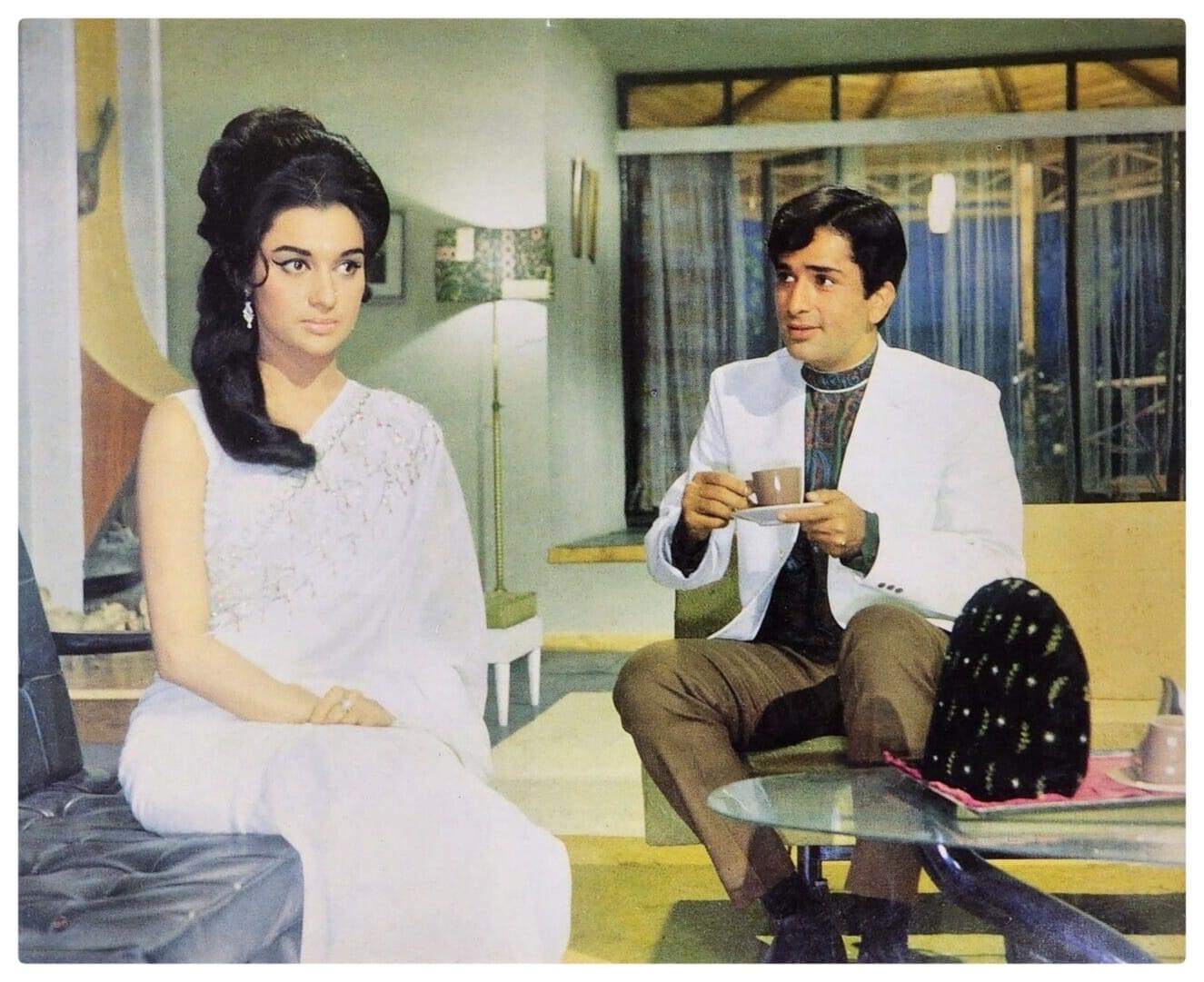
iqsafe.info – Released in 1969, Pyar Ka Mausam is a romantic musical drama that blends the beauty of love with the charm of soulful music. Directed by the renowned director M.A. Rauf, the film features a star-studded cast led by the charismatic Shammi Kapoor, alongside Asha Parekh and an ensemble of talented actors like Pran and Nazir Hussain. Pyar Ka Mausam stands as one of the most memorable romantic films of the late 1960s, captivating audiences with its beautiful songs, picturesque visuals, and a heartwarming love story.

Plot Overview

Pyar Ka Mausam tells the story of a young man named Vijay (Shammi Kapoor), who falls deeply in love with a charming woman named Meena (Asha Parekh). The film begins in a picturesque setting where Vijay, a man of simple desires, meets Meena and is instantly smitten by her beauty and charm. Their love blossoms quickly, and the two share a series of beautiful moments together.

However, the story takes a dramatic turn when circumstances separate the two lovers. Meena is forced to go abroad due to a family crisis, and Vijay is left behind, heartbroken and uncertain of the future. As time passes, the seasons change, and Vijay continues to hold on to the hope of reuniting with Meena. Meanwhile, Meena, living abroad, is also struggling with her emotions and the passage of time.

The film is not just a tale of romantic love but also explores the passage of time and the changes that occur in one’s life and heart. As Vijay waits for Meena, he begins to question whether true love can survive the tests of time, distance, and life’s inevitable changes. The love story unfolds against the backdrop of vibrant songs, picturesque locations, and emotional trials, capturing the essence of young love, longing, and hope.

Performances

Shammi Kapoor’s performance as Vijay is a central highlight of the film. Known for his exuberant energy and charm, Kapoor effortlessly portrays the character of a man torn between love and longing. His expressive acting and captivating screen presence make Vijay’s emotional journey relatable to audiences, especially in the way he conveys the pain of separation and the joy of reunion.

Asha Parekh, playing Meena, complements Kapoor’s performance beautifully with her grace and elegance. Parekh’s portrayal of a woman torn between duty and love showcases her depth as an actress. Her on-screen chemistry with Shammi Kapoor adds a layer of sweetness to the romantic narrative, making their relationship one that resonates deeply with viewers.

Supporting performances from actors like Pran, Nazir Hussain, and others add depth to the narrative, providing a balanced blend of drama and lighthearted moments. The cast’s collective effort enhances the film’s overall impact, making it a well-rounded romantic drama.

Music and Cultural Impact

One of the key factors behind the enduring popularity of Pyar Ka Mausam is its unforgettable music, composed by the legendary duo Shankar Jaikishan. The film’s soundtrack features some of the most beloved songs in Bollywood history, capturing the emotional essence of the narrative with melodious tunes and poignant lyrics. The film’s music, especially songs like “Bada Natkhat Hai,” “Pyar Ka Mausam,” and “Dil Ki Nazar Se,” became instantly popular and continue to be remembered fondly by fans of classic Bollywood music.

The title track, Pyar Ka Mausam, sung by Mohammed Rafi, encapsulates the theme of the film perfectly—depicting the ever-changing nature of love and the seasons of life. Other songs in the film, including “Bada Natkhat Hai” and “Dil Ki Nazar Se,” are equally iconic, capturing the lighthearted and romantic moments of the film. These songs are not only a testament to the brilliance of Shankar Jaikishan but also to the timeless appeal of Hindi film music.

The music of Pyar Ka Mausam played a significant role in making the film a hit, and the songs became deeply ingrained in popular culture, contributing to the film’s lasting appeal.

Legacy

Pyar Ka Mausam was both a commercial and critical success upon its release. Its beautiful songs, picturesque visuals, and heartfelt romance made it one of the most cherished films of the late 1960s. The film also solidified Shammi Kapoor’s position as a leading romantic hero in Bollywood, and Asha Parekh’s performance further enhanced her standing as one of the finest actresses of her time.

The success of Pyar Ka Mausam contributed to the popularity of romantic dramas in Bollywood, and it remains an important part of the genre’s history. The film’s timeless music continues to be celebrated, and its songs are often included in playlists of classic Bollywood hits. The film also helped bring attention to the talents of Shankar Jaikishan, whose music remains iconic.

Over the years, Pyar Ka Mausam has earned a special place in the hearts of Bollywood enthusiasts, particularly for its portrayal of enduring love and the passage of time. Its songs, performances, and emotional depth ensure that it remains a classic in the annals of Hindi cinema.

Today, Pyar Ka Mausam continues to be regarded as a heartwarming tale of love, with a unique combination of romance, music, and emotional storytelling that is still appreciated by audiences, both old and new. The film’s legacy is firmly anchored in its delightful music, memorable performances, and its celebration of the timeless nature of love.

Neşeli Günler (Happy Days, 1978): A Classic of Turkish Comedy

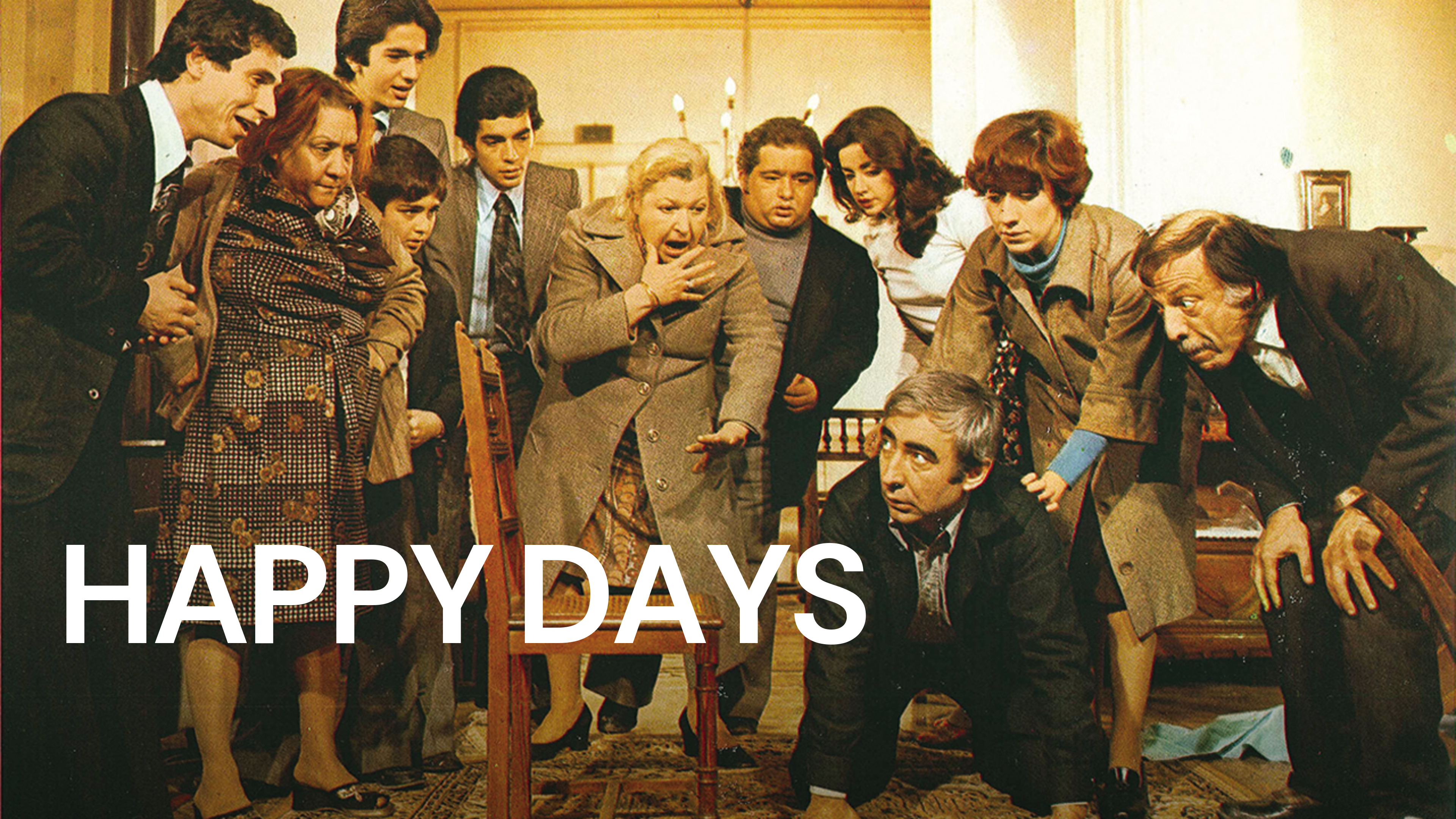
iqsafe.info – Neşeli Günler (Happy Days), a 1978 Turkish comedy directed by Orhan Aksoy and starring the iconic duo Adile Naşit and Münir Özkul, remains a beloved classic of Turkish cinema. This heartwarming and hilarious film offers a timeless portrayal of family dynamics, exploring the ups and downs of married life, the challenges of raising children, and the enduring power of family bonds. Its enduring popularity stems from its relatable characters, witty dialogue, and its ability to blend humor with moments of genuine emotion. This article delves into the narrative, themes, characters, and lasting impact of this cherished film.

Narrative: A Spat Over Pickles and the Unraveling of Family Life

The story of Neşeli Günler revolves around Saadet (Adile Naşit) and Kazım (Münir Özkul), a married couple with six children. Their seemingly ordinary life takes a comical turn when a trivial argument over how to prepare pickles (vinegar versus lemon) escalates into a full-blown separation. This seemingly insignificant disagreement becomes a catalyst for the unraveling of their family life, as the children are divided between their parents, each taking one side in the “pickle war.”

The film follows the separate lives of Saadet and Kazım and the impact their separation has on their children. The children, despite their initial loyalty to their respective parents, long for their family to be reunited. The narrative is filled with humorous situations and witty exchanges, as the family members navigate their new circumstances and attempt to maintain some semblance of normalcy. The film cleverly uses the “pickle war” as a symbolic representation of the petty disagreements that can escalate into larger conflicts within families.

Themes: Exploring the Complexities of Family Life

Neşeli Günler explores several relatable themes:

  • Family Dynamics and Conflict: The film realistically portrays the everyday conflicts and disagreements that occur within families. The “pickle war” serves as a humorous example of how even trivial matters can become sources of tension.
  • The Importance of Family Unity: Despite the humorous portrayal of their separation, the film emphasizes the importance of family unity and the emotional toll that separation can take on family members, especially children.
  • The Power of Reconciliation: Neşeli Günler ultimately offers a message of hope and reconciliation. The film suggests that even after significant disagreements, families can find a way to come back together and rebuild their bonds.
  • The Role of Parents: The film explores the different roles that parents play in a family and the impact their actions have on their children. Saadet and Kazım, despite their flaws, ultimately demonstrate their love and concern for their children.

Characters: Iconic Representations of Turkish Family Life

The characters in Neşeli Günler are iconic figures in Turkish popular culture, largely due to the exceptional performances of Adile Naşit and Münir Özkul:

  • Saadet: Saadet, played with warmth and humor by Adile Naşit, is the heart of the family. She is a loving mother and wife who strives to keep her family together.
  • Kazım: Kazım, portrayed with his characteristic gruffness and underlying warmth by Münir Özkul, is the patriarch of the family. Despite his stubbornness, he deeply cares for his family.
  • The Children: The six children represent different personalities and perspectives within the family dynamic. They serve as a reminder of the impact that parental conflict can have on children.

Lasting Impact: A Cultural Touchstone of Turkish Comedy

Neşeli Günler has become a cultural touchstone in Turkey, remaining a beloved and frequently rewatched film. Its witty dialogue, relatable characters, and heartwarming message have resonated with audiences for decades. The film’s enduring popularity is largely attributed to the iconic performances of Adile Naşit and Münir Özkul, whose on-screen chemistry and comedic timing have become legendary. The film’s simple yet effective storytelling and its focus on universal themes of family and love have cemented its place as a classic of Turkish comedy.

Conclusion: A Timeless Celebration of Family and Laughter

Neşeli Günler is more than just a comedy; it is a celebration of family, love, and the power of laughter. Its humorous portrayal of family dynamics, coupled with its underlying message of unity and reconciliation, has made it a timeless classic. The film’s enduring legacy lies in its ability to bring joy and laughter to audiences while also reminding us of the importance of cherishing our family bonds. It continues to be a staple of Turkish television and a beloved reminder of the golden age of Turkish cinema.

Exploring “Space Sweepers” (2021): A Galactic Junk Run

iqsafe.info – “Space Sweepers” (승리호), a 2021 South Korean space Western film directed by Jo Sung-hee, offers a thrilling and visually stunning adventure set in the vast expanse of space. The film blends action, humor, and heart, telling the story of a crew of space scavengers who stumble upon a dangerous secret.

Living on the Edge: The Space Sweepers’ World

Set in 2092, Earth has become nearly uninhabitable due to pollution, with only the elite few living in a pristine orbital habitat built by the UTS Corporation. The rest of humanity struggles to survive, often resorting to scavenging space debris for valuable resources.

The film focuses on the crew of the Victory, a space junk collector ship: Tae-ho (Song Joong-ki), a troubled pilot with a tragic past; Captain Jang (Kim Tae-ri), a former space pirate with a sharp mind; Tiger Park (Jin Seon-kyu), a burly engineer with a soft heart; and Robot Bubs (Yoo Hae-jin, voice), a wisecracking and surprisingly expressive android. They are the “space sweepers,” risking their lives to collect debris and earn a meager living.

A Discovery with Consequences: The Humanoid Robot Dorothy

During a routine scavenging mission, the Victory crew discovers a young humanoid robot named Dorothy (Park Ye-rin). They soon realize that Dorothy is not just any robot; she is a highly sought-after weapon of mass destruction created by UTS.

This discovery thrusts the crew into a dangerous conflict with UTS, who are determined to retrieve Dorothy at all costs. The crew must decide whether to hand Dorothy over for a hefty reward or protect her from those who would exploit her power.

A Band of Misfits: The Heart of the Story

The heart of “Space Sweepers” lies in the dynamics of its ragtag crew. Each member has their own unique personality and backstory, contributing to the film’s blend of humor and emotion. Their interactions are often comical, but they also share a deep bond forged through shared hardship and mutual respect.

The film explores themes of found family and the importance of human connection in a harsh and unforgiving world. Despite their initial motivations being primarily financial, the crew gradually develops a strong sense of responsibility for Dorothy and each other.

A Visual Spectacle: The Beauty and Danger of Space

“Space Sweepers” delivers impressive visual effects, creating a believable and immersive depiction of space. The scenes of the Victory navigating through fields of debris, engaging in thrilling space battles, and exploring futuristic space stations are visually stunning.

The film effectively portrays both the beauty and the danger of space. The vastness and emptiness of space are contrasted with the claustrophobic confines of the Victory and the chaotic debris fields, creating a visually dynamic and engaging experience.

A Blend of Genres: Action, Humor, and Heart

“Space Sweepers” successfully blends various genres, creating a unique and entertaining cinematic experience. It combines the action-packed thrills of a space opera with the humor and heart of a character-driven drama.

The film’s social commentary on class disparity and environmental issues adds another layer of depth to the narrative. While it doesn’t dwell heavily on these themes, they provide a relevant backdrop to the story and enhance its overall impact.

A Fun and Engaging Space Adventure

“Space Sweepers” is a highly entertaining and visually impressive space adventure that offers a refreshing take on the genre. The film’s strong characters, exciting action sequences, and blend of humor and heart make it a thoroughly enjoyable watch. It’s a testament to the growing strength of Korean science fiction cinema and a must-see for fans of space adventures.

Wild Geese II: A Risky Mission with a Legendary Cast

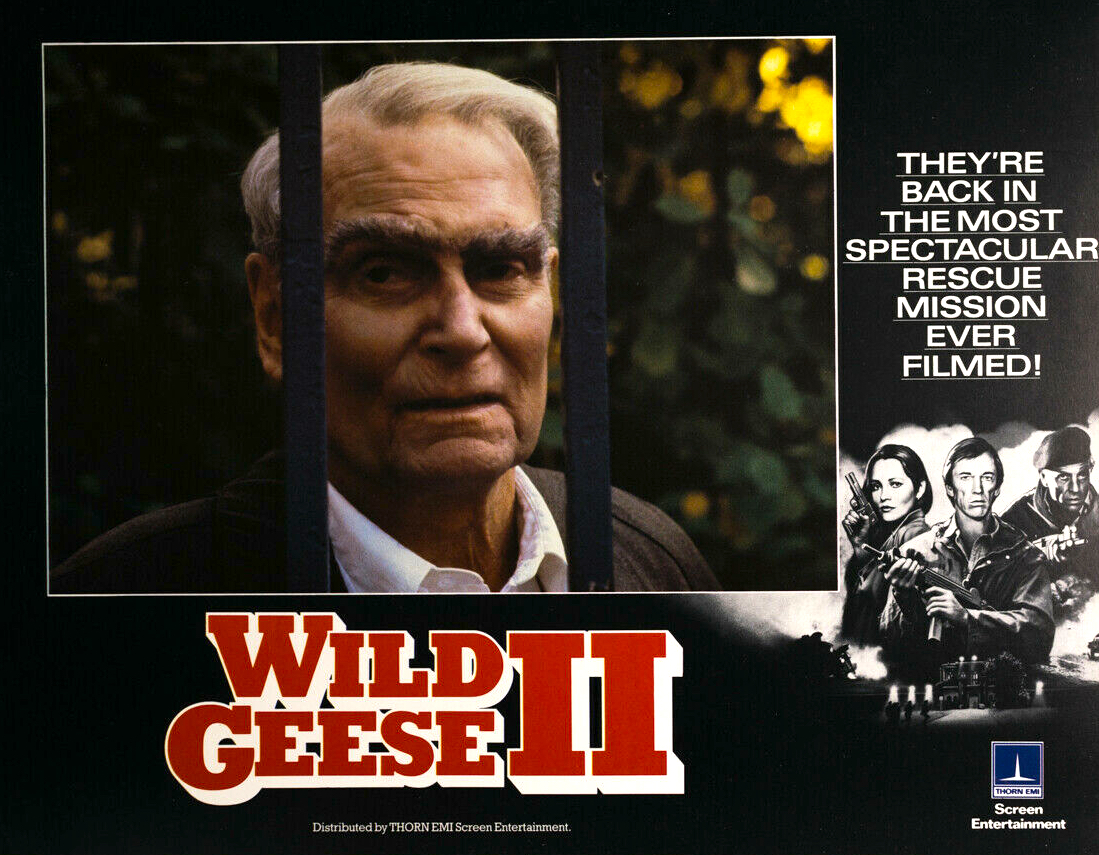
iqsafe.info – Wild Geese II (1985) is a thrilling action-adventure film that continues the legacy of its predecessor. While it may not have reached the same heights as the original, it still offers a compelling story and a star-studded cast.

A Daring Rescue Mission

The film follows a group of mercenaries led by the charismatic John Haddad, played by Scott Glenn. They are hired to execute a daring mission: to break Rudolf Hess, a high-ranking Nazi official, out of Spandau Prison in Berlin. This seemingly impossible task is complicated by the involvement of various factions, including the British, American, and Soviet intelligence agencies.   

A Stellar Cast and Intriguing Plot

Wild Geese II boasts an impressive cast, including Laurence Olivier as Rudolf Hess, Edward Fox as Alex Faulkner, and Barbara Carrera as the enigmatic Katya Stroebling. The film’s plot is filled with twists and turns, as the mercenaries navigate a maze of political intrigue and deadly danger.   

A Mixed Reception and a Lasting Legacy

While Wild Geese II was not as well-received as its predecessor, it still has a dedicated fanbase. Some critics praised the film’s action sequences and its impressive cast, while others criticized its convoluted plot and uneven pacing. Despite its flaws, the film remains a cult classic and a memorable entry in the action genre.

A Bold Attempt to Recapture the Magic

Wild Geese II is a bold attempt to recapture the magic of the original film. While it may not have fully succeeded, it offers a thrilling and entertaining ride. The film’s legacy lies in its memorable characters, its high-stakes plot, and its impressive action sequences.

The Outlaws Is Coming!: A Stooge-tastic Western Adventure

iqsafe.info – The Outlaws Is Coming! is the sixth and final feature film starring The Three Stooges, released in 1965. This time, the comedic trio of Moe Howard, Larry Fine, and Joe DeRita are sent on a wild Western adventure, leading to a hilarious clash of cultures and personalities.   

A Mismatched Trio in the Wild West

The film begins with the Stooges causing chaos at their magazine job, leading their boss to send them on a wild goose chase to the American West to investigate the slaughter of buffalo. Once there, they encounter a colorful cast of characters, including Wyatt Earp, Wild Bill Hickock, Jesse James, and Annie Oakley.

The Stooges’ bumbling antics and slapstick humor quickly turn the peaceful Western town upside down. Their attempts to solve the mystery and help the townsfolk often lead to unintended consequences, resulting in a series of hilarious misadventures.

A Satirical Take on Western Tropes

The Outlaws Is Coming! is not only a comedy but also a satirical take on the Western genre. The film parodies classic Western tropes, such as gunfights, saloon brawls, and train robberies, with the Stooges’ unique brand of humor. The juxtaposition of the Stooges’ slapstick comedy with the serious tone of the Western genre creates a humorous and entertaining viewing experience.   

A Nostalgic Farewell

The Outlaws Is Coming! serves as a fitting farewell to The Three Stooges’ cinematic career. The film captures the essence of their comedic style, with plenty of eye-poking, slapstick humor, and physical comedy. While the film may not be a masterpiece of cinematic art, it is a nostalgic and enjoyable watch for fans of the Stooges.   

In conclusion, The Outlaws Is Coming! is a fun and entertaining film that combines the classic Western genre with the unique brand of humor of The Three Stooges. It’s a perfect blend of slapstick comedy and Western adventure, making it a must-watch for fans of the Stooges and classic comedy.

The Hangman (1959): A Classic Western with a Moral Dilemma

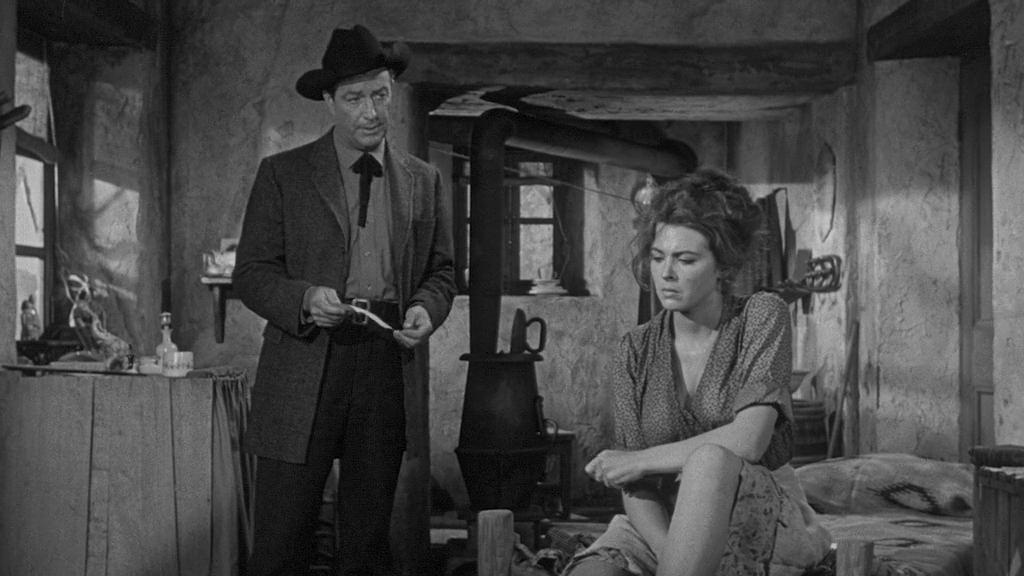
iqsafe.info – Michael Curtiz’s 1959 film, The Hangman, is a gripping Western that delves into the complexities of justice and morality. Starring Robert Taylor as Deputy U.S. Marshal Mac Bovard, the film explores the psychological toll of a man dedicated to bringing criminals to justice, no matter the cost.   

A Relentless Pursuit of Justice

Mac Bovard, a hardened lawman known for his unwavering commitment to justice, is tasked with tracking down a notorious gang of outlaws. As he closes in on his target, he encounters a small town where the lines between right and wrong become blurred. The town’s sheriff, Buck Weston (Fess Parker), is a kind and respected figure who believes in second chances. However, Bovard’s relentless pursuit of justice threatens to disrupt the town’s peaceful existence.   

A Moral Conundrum

The film delves into the moral implications of Bovard’s actions. While he is driven by a strong sense of duty, his methods often border on ruthlessness. He is a man haunted by the past, and his obsession with bringing criminals to justice has taken a toll on his personal life.

The central conflict of the film revolves around the character of Johnny Bishop (Jack Lord), a charming and charismatic figure who is suspected of being one of the outlaws. As Bovard investigates Bishop, he becomes increasingly conflicted. While the evidence points to Bishop’s guilt, there is also a growing sense of doubt.   

A Strong Performance by Robert Taylor

Robert Taylor delivers a powerful performance as Mac Bovard. His portrayal of a man consumed by his work is both compelling and tragic. The film also features strong supporting performances from Fess Parker, Tina Louise, and Jack Lord.   

The Hangman is a well-crafted Western that offers a thought-provoking exploration of justice, morality, and the human condition. Its complex characters and gripping storyline make it a classic of the genre.

Monte Carlo Baby (1951): A Cinematic Gem

iqsafe.info – “Monte Carlo Baby” is a 1951 British-French comedy film co-directed by Jean Boyer and Lester Fuller. Notably, it features an early performance by Audrey Hepburn, who plays the role of a spoiled actress. This film is often remembered for its charming comedic elements and as a stepping stone in Hepburn’s illustrious career.

Plot Overview

The movie is set against the glamorous backdrop of Monte Carlo. It revolves around a mix-up involving a baby, which leads to a series of comedic events. The plot is driven by misunderstandings and humorous situations that arise when a baby’s identity is confused amidst the hustle and bustle of a high-society environment.

Cast and Characters

  • Audrey Hepburn as Linda Farrel: Hepburn’s character is central to the film’s comedic plot. Her portrayal of a pampered actress showcases her potential, which would later blossom into an iconic career.
  • Jules Munshin as Antoine: Munshin adds to the film’s humor with his impeccable timing and comedic flair.
  • Cara Williams as Marinette: Williams supports the leading cast with her engaging performance, adding depth to the ensemble.

Production and Direction

“Monte Carlo Baby” was co-directed by Jean Boyer and Lester Fuller, who successfully captured the essence of a light-hearted comedy set in the luxurious locale of Monte Carlo. The film’s production involved meticulous attention to detail, ensuring that the opulent setting contributed to the story’s whimsical tone.

Cultural Impact

While not a major box office success, “Monte Carlo Baby” holds a special place in cinema history for introducing audiences to Audrey Hepburn’s talent. It is often noted in Hepburn’s biographies as the film during which she was first discovered by the renowned playwright Colette, leading to her casting in the Broadway play “Gigi.”

Conclusion

“Monte Carlo Baby” is a delightful comedy that stands out for its humor and the early performance of Audrey Hepburn. It remains a notable piece of cinematic history, appreciated for its charm and the glimpse it offers into the budding career of one of Hollywood’s beloved stars.

Fly By Night (2018) – A Gripping Malaysian Crime Thriller

iqsafe.info – “Fly By Night” is a Malaysian crime thriller film released in 2018 and directed by Zahir Omar. The movie showcases the dark underbelly of Kuala Lumpur through the lens of a group of taxi drivers-turned-criminals. Known for its gritty storytelling and intense performances, “Fly By Night” offers a compelling look at crime and desperation in an urban setting.

Plot Overview

The film follows the story of Tailo, played by Sunny Pang, who leads a small gang of taxi drivers running an illegal extortion racket. These drivers target affluent passengers, exploiting their services as a cover to carry out their criminal activities. As the plot unfolds, tensions rise within the group, especially when Sailo, Tailo’s younger brother played by Fabian Loo, becomes involved with one of their victims, leading to unforeseen complications. The narrative delves into themes of loyalty, betrayal, and the struggle for survival in a world where crime seems to be the only way out.

Cinematic Style and Themes

“Fly By Night” is celebrated for its neo-noir aesthetic, capturing the gritty atmosphere of Kuala Lumpur’s nightlife. Director Zahir Omar employs a realistic and immersive style, drawing audiences into the high-stakes world of his characters. The film explores themes of desperation, brotherhood, and the moral dilemmas faced by those living on the fringes of society. It paints a vivid picture of the lengths people will go to in order to escape poverty and the cycle of crime.

Character Dynamics and Performances

The film boasts strong performances from its cast, particularly Sunny Pang as the conflicted leader Tailo, whose stoic demeanor masks a deep internal struggle. The dynamic between Tailo and his brother Sailo adds an emotional depth to the narrative, as familial bonds are tested against the backdrop of their illicit activities. Supporting performances by Bront Palarae and Jack Tan further enrich the film, bringing to life a diverse range of characters caught in the web of crime.

Reception and Impact

“Fly By Night” received positive reviews for its taut storytelling and strong character development. It has been praised for its ability to maintain suspense throughout, while also providing a thoughtful commentary on societal issues. The film’s success has contributed to the growing recognition of Malaysian cinema on the international stage, showcasing the country’s talent in crafting compelling crime dramas.

Conclusion

In conclusion, “Fly By Night” is a captivating crime thriller that offers a raw and realistic portrayal of life on the edge. With its engaging plot, strong performances, and atmospheric visuals, it stands as a testament to the power of Malaysian filmmaking. The film not only entertains but also provokes thought, leaving audiences to ponder the complexities of morality and survival in a world fraught with challenges.

The Banishment (2007): A Masterful Exploration of Human Emotion

iqsafe.info – Released in 2007 and directed by renowned filmmaker Andrey Zvyagintsev, “The Banishment” is a Russian drama that delves into the complexities of human relationships and the profound impact of secrets and lies. Known for its stunning cinematography and deep emotional resonance, the film is both a visual and narrative masterpiece.

Plot Summary

“The Banishment” tells the story of Alex, played by Konstantin Lavronenko, who takes his wife Vera and their two children to his childhood home in the countryside. The serene setting quickly becomes the backdrop for a tense family drama when Vera reveals a secret that threatens to unravel their lives. As the story unfolds, Alex is forced to confront his own emotions and the consequences of his choices.

Themes and Analysis

The film explores themes of trust, betrayal, and the human capacity for forgiveness. Zvyagintsev masterfully uses the rural setting as a metaphor for isolation and introspection, allowing the characters to grapple with their inner turmoil. “The Banishment” examines the fragility of family bonds and the devastating effects of hidden truths, prompting viewers to reflect on the nature of love and redemption.

Cinematic Techniques

Zvyagintsev’s direction is characterized by his use of long, contemplative shots and a meticulous attention to visual detail. The film’s cinematography, by Mikhail Krichman, captures the stark beauty of the landscape, enhancing the emotional depth of the narrative. The deliberate pacing invites viewers to immerse themselves in the characters’ emotional journey, emphasizing the film’s contemplative nature.

Impact and Legacy

“The Banishment” received critical acclaim for its powerful storytelling and outstanding performances, particularly by Konstantin Lavronenko, who won the Best Actor award at the 2007 Cannes Film Festival. The film solidified Zvyagintsev’s reputation as a master of modern cinema, known for his ability to evoke profound emotional responses through his work.

Conclusion

“The Banishment” is a poignant exploration of human emotion, marked by its haunting beauty and narrative depth. Through its compelling story and striking visuals, the film offers a profound meditation on the complexities of love, trust, and the human condition. It remains a significant work in Andrey Zvyagintsev’s filmography, continuing to captivate audiences with its timeless exploration of universal themes.

Unveiling the Depths of “Yol” (The Road)

iqsafe.info – “Yol,” also known as “The Road,” is a highly acclaimed 1982 Turkish film directed by Şerif Gören and written by Yılmaz Güney. The film is a poignant exploration of Turkish society, delving into themes of freedom, oppression, and personal struggle. It gained international recognition for its raw portrayal of the human condition and the socio-political landscape of Turkey in the early 1980s.

Plot Overview

The narrative of “Yol” follows the lives of five Kurdish prisoners who are granted a week’s leave from their incarceration. As they journey back to their homes, each character confronts personal and societal challenges that reveal the pervasive nature of oppression and injustice. The film weaves together their individual stories, depicting a society in turmoil and the struggles of everyday people against the backdrop of martial law following the 1980 Turkish coup d’état.

Themes and Symbolism

“Yol” is rich with themes that resonate with audiences worldwide. It explores the concept of freedom, not just in the physical sense, but also in terms of personal autonomy and social justice. The film’s characters grapple with their own sense of identity and belonging, often finding themselves prisoners of societal norms and expectations even outside the physical confines of a jail cell.

The road in “Yol” symbolizes the journey of life, fraught with obstacles and uncertainties. It serves as a metaphor for the characters’ quests for freedom and self-discovery amidst a repressive environment. The film also touches on issues of cultural identity, particularly the Kurdish struggle within Turkey, adding layers of complexity to its narrative.

Cultural Impact and Legacy

“Yol” was initially banned in Turkey due to its critical portrayal of the government and social issues. Despite this, it garnered international acclaim, winning the prestigious Palme d’Or at the Cannes Film Festival in 1982. The film’s impact extends beyond its cinematic achievements, as it sparked discussions on censorship, human rights, and the power of film as a medium for social change.

The legacy of “Yol” endures as a testament to the power of storytelling in challenging oppressive systems and highlighting the universal quest for freedom and justice. It remains a significant work in world cinema, celebrated for its bold narrative and its profound exploration of the human spirit.

Conclusion

“Yol” is more than just a film; it is a powerful commentary on society and the enduring human struggle for freedom. Its compelling narrative and rich thematic content continue to resonate with audiences, making it a timeless classic in the realm of international cinema.