
Buku Terbaik untuk Dibaca di Kindle Tahun Ini & Cara Transfer File ke Kindle Seperti Profesional

iqsafe.infoKindle adalah salah satu perangkat membaca ebook paling populer di dunia. Meskipun begitu, banyak pengguna yang mungkin belum mengetahui semua fitur canggih yang ada. Oleh karena itu, dalam artikel ini, kami akan mengulas 10 fitur tersembunyi di Kindle yang dapat meningkatkan pengalaman membaca Anda. Berikut adalah beberapa fitur yang perlu Anda ketahui.

1. Mode Malam untuk Membaca di Kegelapan

Mengurangi Kelelahan Mata

Salah satu fitur pertama yang perlu Anda coba adalah mode malam. Mode ini memungkinkan Anda membaca dengan latar belakang hitam dan teks putih. Fitur ini sangat berguna ketika Anda membaca di ruangan yang minim cahaya atau di malam hari. Selain itu, dengan menggunakan mode malam, Anda dapat mengurangi ketegangan pada mata, yang sering terjadi akibat membaca dengan cahaya terang.

Cara Mengaktifkan:

Untuk mengaktifkan mode malam, cukup geser ke bawah layar Kindle, pilih ikon pengaturan, dan pilih opsi “Mode Malam.”

2. Fitur Whispersync untuk Menyinkronkan Buku dan Catatan

Teruskan Membaca dari Tempat yang Sama

Selain itu, Whispersync memungkinkan Anda untuk melanjutkan membaca dari halaman terakhir yang Anda baca, bahkan jika Anda beralih antara perangkat Kindle dan aplikasi Kindle di perangkat lain. Fitur ini sangat praktis karena memastikan pengalaman membaca Anda selalu terhubung, tanpa kehilangan posisi. Dengan demikian, Anda tidak perlu khawatir tentang di mana Anda berhenti membaca.

Cara Mengaktifkan:

Pastikan Anda masuk dengan akun Amazon yang sama di semua perangkat Anda. Whispersync akan otomatis menyinkronkan posisi pembacaan Anda.

3. Pencarian dalam Buku dan Web

Mudah Menemukan Informasi

Selain itu, Kindle memungkinkan Anda untuk mencari teks dalam buku yang sedang dibaca, bahkan dapat mencakup pencarian untuk definisi kata atau frasa. Fitur pencarian ini juga mencakup pencarian di seluruh perpustakaan Kindle Anda, serta di web melalui mesin pencari. Jadi, jika Anda ingin mengetahui lebih lanjut tentang topik tertentu, Anda hanya perlu menggunakan fitur ini.

Cara Mengaktifkan:

Untuk mencari dalam buku, ketuk bagian atas layar dan pilih ikon pencarian. Anda bisa memasukkan kata kunci yang ingin dicari baik dalam buku atau secara online.

4. Fitur Kamus dan Terjemahan Instan

Menambah Pemahaman saat Membaca

Jika Anda membaca buku dalam bahasa asing atau memerlukan pemahaman lebih mendalam tentang suatu kata, Kindle memiliki kamus bawaan yang dapat menampilkan definisi kata atau kalimat secara instan. Lebih menarik lagi, Anda juga bisa menerjemahkan kata ke dalam bahasa yang diinginkan tanpa harus meninggalkan aplikasi Kindle.

Cara Mengaktifkan:

Tekan dan tahan kata yang ingin Anda ketahui artinya. Kamus dan terjemahan akan muncul sebagai opsi.

5. Baca dengan Suara: Fitur Text-to-Speech

Menikmati Buku dengan Suara

Tak hanya itu, Kindle juga dilengkapi dengan fitur text-to-speech yang memungkinkan perangkat untuk membacakan buku untuk Anda. Fitur ini sangat berguna ketika Anda tidak bisa fokus membaca, seperti saat berkendara atau berolahraga. Dengan begitu, Anda tetap dapat menikmati buku tanpa harus membaca teks secara langsung.

Cara Mengaktifkan:

Fitur ini dapat diakses melalui pengaturan di Kindle Anda. Pilih “VoiceView” dan aktifkan untuk mulai mendengarkan buku Anda.

6. Highlight dan Catatan yang Dapat Disinkronkan

Tandai Bagian Penting dari Buku

Selain itu, Anda bisa menyoroti teks penting dan membuat catatan langsung di dalam buku. Fitur ini sangat berguna bagi para pembaca yang suka mengingat informasi penting atau menandai kutipan favorit mereka. Bahkan, Anda dapat meninjau semua sorotan dan catatan Anda dengan mudah kapan saja.

Cara Mengaktifkan:

Cukup tekan dan tahan bagian teks yang ingin Anda sorot atau beri catatan, lalu pilih opsi yang tersedia.

7. Fitur Kalender Buku

Atur Jadwal Membaca Anda

Jika Anda ingin lebih teratur dalam membaca, Kindle menyediakan fitur kalender buku yang memungkinkan Anda untuk mengatur tujuan membaca dan memantau kemajuan membaca Anda setiap hari. Fitur ini sangat membantu bagi mereka yang ingin menjadwalkan waktu untuk membaca lebih banyak buku secara teratur.

Cara Mengaktifkan:

Fitur ini tersedia di aplikasi Kindle dan dapat diakses melalui pengaturan pembacaan.

8. Mode Fokus untuk Menghilangkan Gangguan

Fokus Penuh pada Buku

Selain itu, jika Anda mudah terganggu saat membaca, Anda bisa mengaktifkan Mode Fokus yang menghapus elemen-elemen yang mengganggu dari layar, seperti header, footer, dan menu lainnya. Dengan begitu, Anda bisa sepenuhnya fokus pada teks buku yang sedang dibaca tanpa adanya gangguan.

Cara Mengaktifkan:

Saat sedang membaca, buka pengaturan tampilan dan aktifkan opsi “Mode Fokus” untuk membaca tanpa gangguan.

9. Mengatur Ukuran dan Gaya Font

Sesuaikan Tampilan Buku Anda

Kindle memungkinkan Anda untuk menyesuaikan ukuran, jenis, dan spasi font sesuai dengan kenyamanan Anda. Fitur ini sangat berguna bagi pembaca dengan penglihatan yang lebih sensitif atau bagi mereka yang ingin pengalaman membaca yang lebih personal. Anda pun dapat menyesuaikan tampilan buku agar sesuai dengan preferensi pribadi.

Cara Mengaktifkan:

Pilih ikon “Aa” di bagian atas layar dan sesuaikan pengaturan font sesuai keinginan Anda.

10. Membaca Buku Audio dengan Kindle

Nikmati Buku Audio dalam Mode Teks

Jika Anda membeli ebook yang juga tersedia dalam format audio, Kindle memungkinkan Anda untuk beralih antara membaca teks dan mendengarkan versi audio dari buku yang sama. Ini memungkinkan Anda menikmati buku dalam berbagai cara, baik dengan membaca atau mendengarkan, sesuai situasi dan preferensi Anda.

Cara Mengaktifkan:

Pilih buku yang mendukung mode ini, dan aktifkan “Audible” untuk mulai mendengarkan buku dalam format audio.
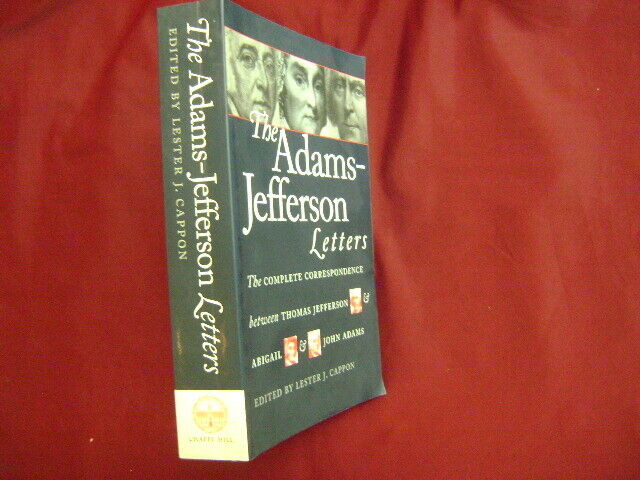
The Adams-Jefferson Letters: A Historical Masterpiece

iqsafe.info – The Adams-Jefferson Letters: The Complete Correspondence Between Thomas Jefferson and Abigail & John Adams is a collection of one of the most fascinating and important correspondences in American history. This compilation, edited by Lester J. Cappon, brings together letters exchanged between two of the most prominent figures in the American Revolution and the early years of the United States—John Adams, the second president, and Thomas Jefferson, the third president—and John’s wife, Abigail Adams. Their letters offer readers an intimate look at the intellectual, political, and personal interactions between these foundational figures.

The correspondence spans several decades, from the 1770s, when both Adams and Jefferson played central roles in the Revolutionary War, to the early 19th century, when their political careers had shifted, and they were retired from public life. Despite their political differences and intense rivalry in some areas, their letters reveal a deep intellectual connection and mutual respect, as well as a personal reconciliation that came later in life. This remarkable correspondence sheds light not only on their individual thoughts and beliefs but also on the early formation of the United States and the challenges that came with it.

Overview of the Collection

The Adams-Jefferson Letters presents the complete exchange between these two monumental figures, organized chronologically, and covers over 100 years of history. The collection includes letters from 1777, when Adams and Jefferson began their correspondence, all the way to their final letters to each other in 1826, just months before both men passed away. The letters provide detailed accounts of their experiences in the Continental Congress, their roles in the drafting of the Declaration of Independence, their political careers, and their differing views on governance, liberty, and the future of the fledgling nation.

This collection also includes letters from Abigail Adams, particularly those exchanged with Jefferson. Abigail’s correspondence with Jefferson stands as an important part of the book, revealing her intellectual acumen and offering a unique perspective on her husband’s role in the founding of the United States. Through her letters, we see the influence she had on John Adams and the significant role she played in the development of American political thought.

The letters are not only rich in historical detail but also in human emotion, showcasing the personal growth and complex relationships between these three individuals. The evolution of their relationship—from the initial cordiality to the political tensions and eventually to a deep personal reconciliation—is a central theme throughout the collection.

The Early Correspondence: The Revolutionary Era

The Beginnings of the Friendship

The correspondence between John Adams and Thomas Jefferson began during the American Revolution. Both men were part of the Continental Congress, and they quickly formed a bond based on their shared dedication to the cause of independence. Adams, an outspoken advocate for independence, and Jefferson, the primary author of the Declaration of Independence, initially corresponded on matters of policy and strategy as the colonies struggled for freedom from Great Britain.

Adams, who had a reputation for his bluntness and outspokenness, found in Jefferson a kindred spirit who, though more reserved, shared his deep commitment to the cause of liberty. Despite their differences in temperament, the two quickly developed a mutual admiration. Their letters from this period reflect their shared determination to secure independence for the colonies and the intellectual debates surrounding the creation of a new form of government.

During this time, Abigail Adams also began writing to Thomas Jefferson, expressing her interest in his political ideas and her thoughts on the governance of the new nation. Abigail’s letters were often filled with intellectual and political insights, and she was particularly interested in the future role of women in the new republic, famously urging her husband to “remember the ladies” in the drafting of new laws. Jefferson’s responses to Abigail show a great deal of respect for her intellect, though his views on women’s rights remained more conservative than hers.

The Declaration of Independence and the Early Years of the Republic

The collaboration between John Adams and Thomas Jefferson took on a more significant role as the two men worked to secure independence from Britain. Adams played a key role in pushing for the Declaration of Independence, and Jefferson, who was tasked with drafting the document, sought Adams’ guidance during the writing process. Their letters during this period reveal the intellectual struggles involved in crafting a document that would justify the colonies’ break with Britain and lay the foundation for the United States.

Adams and Jefferson had differing approaches to governance, which became apparent during their correspondence as the nation’s leaders tried to define the new republic. Adams believed in a strong, centralized government, while Jefferson was more inclined toward states’ rights and a limited federal government. These early letters set the stage for the political disagreements that would define their later correspondence.

Abigail Adams, too, continued her correspondence with Jefferson, offering her opinions on the direction of the nation and the importance of education and women’s rights. While Abigail often found common ground with Jefferson on issues of governance, she remained steadfast in her belief in the necessity of women’s voices in the public sphere.

Political Rivalries and Ideological Divides

Tensions During the Presidency of John Adams

The relationship between John Adams and Thomas Jefferson became strained during Adams’ presidency (1797-1801). As a Federalist, Adams advocated for a strong central government, and his policies, particularly in foreign affairs, put him at odds with Jefferson, who was a leading figure in the Democratic-Republican Party. This political divide fueled personal tensions between the two men, and their correspondence became less frequent and more formal during this time.

Abigail Adams continued to write to Jefferson during this period, offering her views on the political landscape and sharing her concerns about the increasing partisan divisions within the country. She was deeply concerned about the rise of political factions and the impact this would have on the young republic’s future. Her letters to Jefferson reveal her pragmatic approach to governance and her desire for unity, even as the country’s political landscape grew more polarized.

Adams and Jefferson’s relationship reached its nadir during the election of 1800, when Jefferson defeated Adams in the presidential race. The bitterness of the election and the ideological divide between the two men created a significant rift, and their correspondence effectively ceased during this period. However, the letters that were exchanged during this time show the depth of their political disagreements, as well as the personal frustrations that arose from their differing visions for the country’s future.

The Later Years: Reconciliation and Reflection

A Renewed Friendship

The political tensions between Adams and Jefferson began to ease in the years following their presidencies. Both men retired from public life, and during the 1810s, they reestablished their correspondence, with their letters becoming more personal and reflective. In this phase of their relationship, Adams and Jefferson were able to put aside their political differences and engage in a deep and meaningful exchange about their lives, their legacies, and the future of the United States.

Their letters from this period are filled with expressions of mutual respect and admiration, as both men reflect on their roles in the American Revolution and the early years of the republic. They discussed their contributions to the nation’s founding, as well as their thoughts on the success and future of the United States. Their letters reveal that, despite their differences, they both viewed the American experiment as a monumental achievement and were deeply proud of the country’s accomplishments.

Abigail Adams, too, continued to play an important role in this renewed correspondence, particularly in her letters to Jefferson. Her intellectual insights and thoughtful reflections on the nation’s progress continued to be a source of inspiration for both men.

The Final Letters: A Shared Legacy

In 1826, both John Adams and Thomas Jefferson passed away within hours of each other. Their final letters reflect their mutual respect and a shared belief in the importance of their roles in the creation of the United States. The letters also reveal a deep sense of reconciliation, as both men, who had been political rivals for much of their careers, came to recognize the shared nature of their accomplishments.

The collection ends with a poignant final letter from Jefferson to Adams, in which he expresses his gratitude for their friendship and reflects on the enduring legacy of the American Revolution. This letter, written just months before their deaths, serves as a powerful reminder of the personal and political bond that had developed between these two great men over the years.

Conclusion: The Legacy of the Adams-Jefferson Letters

The Adams-Jefferson Letters: The Complete Correspondence Between Thomas Jefferson and Abigail & John Adams is an invaluable resource for anyone interested in early American history. The collection offers a unique and deeply personal view into the minds of two of the nation’s Founding Fathers, as well as their close relationship with Abigail Adams, one of the most remarkable women in American history.

Through their correspondence, readers gain a deeper understanding of the intellectual, political, and emotional currents that shaped the early years of the United States. The letters reveal the complexities of their personalities, their political ideologies, and their evolving views on governance, liberty, and the future of the young nation.

Moreover, the Adams-Jefferson correspondence serves as a powerful testament to the enduring nature of friendship, respect, and reconciliation. Despite the intense political rivalries that marked their careers, Adams and Jefferson were able to transcend their differences in their later years and reflect on their shared legacy in the creation of the United States. This collection remains one of the most important historical documents of the American founding era, offering invaluable insights into the lives and minds of two of the most influential figures in American history.

Donald Trump: Author of The Art of the Deal

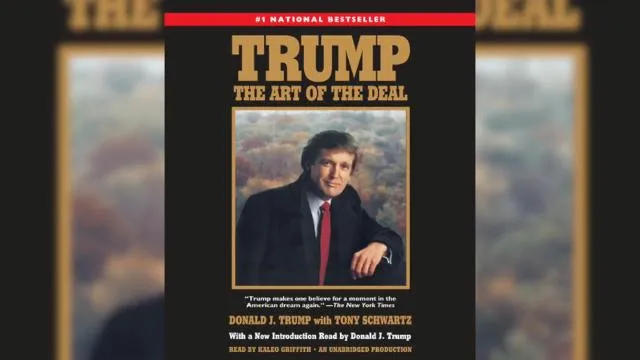
iqsafe.info – Donald Trump is widely known as a businessman, television personality, and political figure, but one of the lesser-known aspects of his career is his work as an author. His most famous book, The Art of the Deal, not only became a bestseller but also played a critical role in shaping the public’s perception of Trump as a successful entrepreneur and mogul. In addition to The Art of the Deal, Trump has written several other books on business, leadership, and personal success, further solidifying his image as a self-made billionaire.

The Art of the Deal: The Book That Defined a Brand

Published in 1987, The Art of the Deal is Donald Trump’s first and most famous book. Co-authored by Trump and author and journalist Tony Schwartz, the book provides an insight into Trump’s life, his business strategies, and his worldview. At the time of its release, Trump was already a prominent figure in New York real estate and had built an image as a brash, confident, and sometimes controversial businessman. The Art of the Deal helped to solidify that image and introduce it to a much broader audience.

A Glimpse into Trump’s Business Philosophy

At its core, The Art of the Deal is both a memoir and a business guide. The book is divided into two main parts: the first half focuses on Trump’s personal history and the story of how he rose to success in real estate, while the second half delves into his strategies for negotiating, managing people, and making profitable business decisions.

Trump’s business philosophy, as outlined in The Art of the Deal, is built around several key principles. Among them are the importance of focusing on high-profile projects, making bold moves, and maintaining confidence in the face of challenges. Throughout the book, Trump emphasizes his belief in the power of leveraging debt and using it as a tool for business expansion. He also stresses the importance of marketing and branding, areas in which Trump excelled throughout his career.

One of the major themes of The Art of the Deal is Trump’s unwavering self-belief. He paints a picture of himself as someone who has an innate sense of how to recognize opportunity, take calculated risks, and succeed in business. He also speaks candidly about his competition, his ability to negotiate deals, and his approach to overcoming obstacles. Trump’s tone throughout the book is that of a winner—someone who believes that success is the result of vision, hard work, and determination.

The Structure of the Book

The Art of the Deal is written in a conversational style that makes it accessible to a broad audience. The first chapter of the book is dedicated to a typical day in Trump’s life, offering readers a personal glimpse into his routine. From there, the book moves into the specifics of Trump’s business ventures, including his early projects like the renovation of the Commodore Hotel (which became the Grand Hyatt New York) and his ambitious plans for properties like Trump Tower. The book gives an insider’s view of how Trump thinks about deals, how he approaches negotiations, and how he navigates the ups and downs of the business world.

The book also features anecdotes from people who have worked with Trump, including employees, business partners, and colleagues. These stories serve to underscore Trump’s reputation as a tough, decisive leader who demands excellence from those around him. While some critics would later accuse Trump of exaggerating or overstating his accomplishments in the book, The Art of the Deal nonetheless provided readers with a comprehensive look into the mindset of one of America’s most famous entrepreneurs.

The Role of Tony Schwartz

Although Donald Trump is credited as the author of The Art of the Deal, Tony Schwartz, a journalist and author, was heavily involved in the writing process. Schwartz spent extensive time with Trump, following him around to observe his daily life and interviewing him about his business practices. Schwartz has said in interviews that he was initially fascinated by Trump’s personality and the intensity with which he pursued his goals. However, he later expressed regret about how the book portrayed Trump and has publicly distanced himself from it in later years, especially as Trump’s political career gained prominence.

In fact, Schwartz has made it clear that much of the book’s content was edited or influenced by Trump himself, and the final product should be understood as a carefully crafted representation of Trump’s brand rather than a purely objective account of his life and career. Schwartz has since said that he feels The Art of the Deal helped create an exaggerated public image of Trump that was not entirely accurate.

Reception and Impact of The Art of the Deal

When The Art of the Deal was published, it became an instant success. It spent several months on the New York Times bestseller list and sold millions of copies worldwide. The book’s success helped solidify Trump’s status as a celebrity businessman and a household name. His persona, as depicted in the book, resonated with many readers who admired his boldness, ambition, and drive.

For Trump, The Art of the Deal was not just a personal story but a marketing tool. The book helped cement his image as a self-made billionaire and a master of business strategy. It became part of the Trump brand, playing a crucial role in his rise to even greater prominence in the 1990s and early 2000s. Many people who would later vote for him in his presidential campaigns would come to know him through the pages of The Art of the Deal, which painted a picture of a man who was unapologetically focused on success.

For some, the book provided valuable insights into Trump’s approach to business, leadership, and decision-making. Others, however, criticized it for being overly self-congratulatory, with some questioning the accuracy of some of the claims made within it. Despite these criticisms, The Art of the Deal became a touchstone for Trump’s public image, and its impact on his career cannot be overstated.

Other Books by Donald Trump

In the years following the success of The Art of the Deal, Donald Trump went on to write several more books, many of which focused on business, success, and leadership. While none reached the same level of fame as The Art of the Deal, they nonetheless played a key role in maintaining his public persona as an expert in business and personal success.

  • Surviving at the Top (1990): In this book, Trump discusses the challenges he faced during the early 1990s, particularly the financial struggles he encountered after over-leveraging his businesses in real estate. The book offers a candid look at how Trump navigated these challenges and came out on top, emphasizing resilience and the power of persistence.
  • The Way to the Top: The Best Business Advice I Ever Received (2004): This book compiles advice from a variety of successful businesspeople, along with Trump’s own perspectives on leadership and success. It includes stories from people like Warren Buffett, Bill Gates, and Richard Branson, all of whom share their business wisdom and life lessons.
  • Think Like a Billionaire: Everything You Need to Know About Success, Real Estate, and Life (2004): In this book, Trump shares his philosophy on business and life, offering practical advice on real estate, career-building, and personal development. It also includes insights into Trump’s own path to success.
  • Time to Get Tough: Making America #1 Again (2011): Released just a few years before Trump’s political run, this book presents his views on how to fix the American economy and restore national greatness. It’s written in the same bold, unapologetic style that has become a hallmark of Trump’s public persona.

The Art of the Deal and Its Legacy

While some of Trump’s later books did not achieve the same level of success, The Art of the Deal remains his most iconic and influential work. It is more than just a business book—it is a window into the persona that helped launch Trump’s career in television, politics, and public life. The book’s success and its portrayal of Trump as a self-made billionaire were instrumental in shaping the public’s perception of him, both as a businessman and as a larger-than-life figure.

Despite controversies surrounding the book’s portrayal of Trump’s life and career, The Art of the Deal remains a key part of his brand and legacy. It helped solidify his identity as a businessman who thrives on big deals, tough negotiations, and an unyielding belief in himself. For many, it is the book that introduced them to the Trump persona that would come to dominate American politics and culture for decades to come.