Shen Yue: A Rising Star Born on February 27, 1997

iqsafe.info – Shen Yue is one of the most beloved young actresses in Chinese entertainment today. Born on February 27, 1997, in Shunan, Hunan, Shen has become an undeniable force in the industry, captivating audiences with her talent, charm, and relatability. Known for her down-to-earth personality and ability to bring depth to her roles, she has quickly earned a dedicated fanbase. In this article, we’ll dive into her early life, career highlights, and what makes Shen Yue one of the most exciting rising stars in Chinese drama.

Early Life and Education

Shen Yue was born into a modest family in Shunan, Hunan, and from a young age, she demonstrated an interest in acting. Unlike some of her peers who began their careers early, Shen Yue initially focused on her studies. She enrolled at the prestigious Beijing Film Academy, one of the leading institutions for acting in China, where she nurtured her passion for drama. At the academy, Shen Yue received formal training in acting, which laid the foundation for her future success in the entertainment industry.

Her time at the Beijing Film Academy played a key role in shaping her acting skills, but it wasn’t until after graduation that she truly began to break into the entertainment world.

Breakthrough Role in A Love So Beautiful

Shen Yue’s big break came in 2017 when she was cast as the lead in the immensely popular romantic drama “A Love So Beautiful.” Based on the web novel of the same name, the drama tells the story of a high school romance between a shy, sweet girl and a popular, aloof boy. Shen Yue’s portrayal of Chen Xiaoxi, the optimistic and lovable lead, resonated deeply with audiences, especially among young viewers.

The drama was a massive success, not only in China but also internationally, garnering Shen Yue a devoted fanbase. Her ability to portray a relatable, warm-hearted character with a mix of humor and sincerity won her praise from both critics and viewers alike. “A Love So Beautiful” was a huge turning point in her career, marking her as a rising star to watch.

Diversifying Her Roles

Following the success of “A Love So Beautiful,” Shen Yue’s career quickly took off. She proved her versatility by taking on a variety of roles in different genres. One of her most notable post-A Love So Beautiful projects was “Another Me” (2019), a psychological thriller in which she played dual roles. This was a significant departure from her earlier sweet and innocent characters, showcasing her ability to handle more complex and intense roles.

Shen Yue continued to diversify her career with roles in historical dramas, such as “Count Your Lucky Stars” (2020), where she played a quirky and determined character in a story about fate and romance. The drama was another hit, and Shen Yue’s charm and acting talent shone through once again. These roles proved that she wasn’t just a one-hit wonder—she had the depth and range to thrive in various genres.

Personal Life and Public Image

Though Shen Yue has quickly risen to fame, she is known for maintaining a low-key and grounded personal life. Unlike many other celebrities who embrace the spotlight, Shen Yue keeps her private life out of the public eye, choosing instead to focus on her career. Her humility and down-to-earth personality have won her the admiration of fans, who appreciate her genuine approach to fame.

Shen Yue is also highly active on social media, often engaging with her fans and sharing glimpses of her life on set and behind the scenes. This connection with her audience has helped her build a loyal and supportive fanbase, who admire her not just for her acting but for her authenticity and warmth.

What’s Next for Shen Yue?

The future looks incredibly bright for Shen Yue. With her growing popularity, she continues to be cast in leading roles across a variety of genres. Whether she’s playing a quirky romantic lead or a more serious and intense character, Shen Yue has demonstrated that she is more than capable of taking on diverse roles and keeping audiences captivated.

At CoerUniversity.com, we’re excited to see where Shen Yue’s career takes her next. With her talent, relatability, and ever-growing fanbase, it’s clear that she will continue to make waves in the entertainment industry. Fans can expect to see more of her in upcoming dramas and films as she continues to establish herself as one of the top young actresses in Chinese entertainment.

For anyone who hasn’t yet discovered Shen Yue, now is the perfect time to dive into her work. From her breakthrough role in “A Love So Beautiful” to her diverse roles in other dramas, Shen Yue’s career is one to watch. Her charm, talent, and relatable on-screen presence make her a rising star in every sense of the word!

Coolidge in Crisis: How He Led America – Great Depression

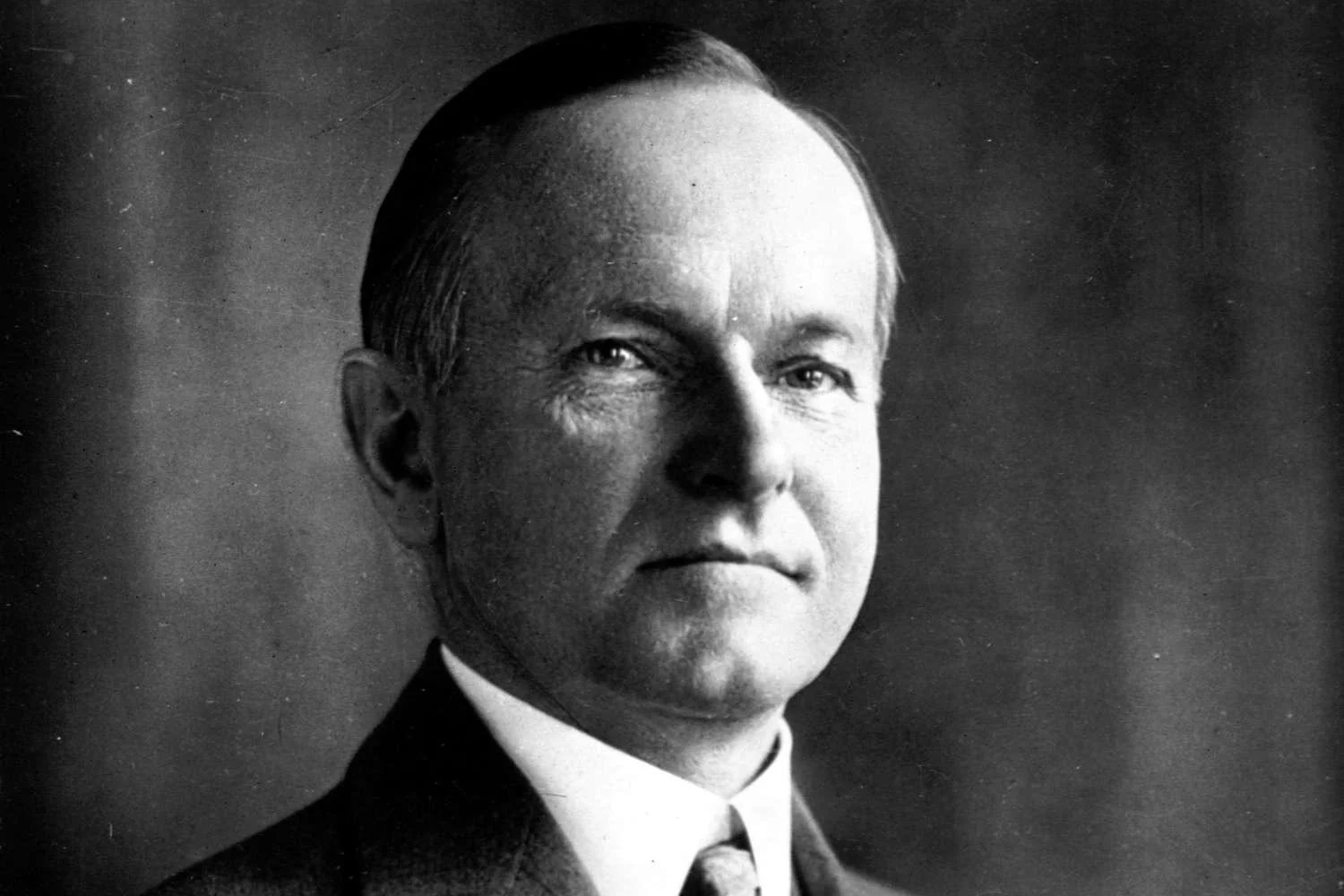
iqsafe.info – Calvin Coolidge, the 30th President of the United States, is often remembered for his quiet leadership and steadfast commitment to fiscal conservatism. Serving from 1923 to 1929, Coolidge presided over one of the most prosperous periods in American history—the “Roaring Twenties.” However, his presidency was not without its challenges. As he prepared to leave office in 1929, signs of a looming economic crisis were already beginning to appear. Though Coolidge did not live to witness the full effects of the Great Depression, his leadership in addressing the early signs of economic distress left a significant impact on the nation and shaped how future leaders would respond to economic crises.

This article explores how Coolidge navigated the early signs of economic turbulence during the late 1920s. While he was deeply committed to a philosophy of minimal government intervention, his pragmatic response to the emerging crisis showcased a nuanced understanding of the need for federal action—without abandoning his belief in limited government. Coolidge’s actions during this time, including his cautious approach to addressing the stock market boom and his policies surrounding agricultural distress, provide a window into the challenges faced by a president at the cusp of the worst economic downturn in American history.

The Roaring Twenties: Prosperity and Its Perils

When Coolidge assumed the presidency in 1923 following the sudden death of Warren G. Harding, the U.S. economy was in a period of rapid expansion. The country had recovered from the aftermath of World War I, and the 1920s saw technological advancements, a growing consumer culture, and the rise of stock market speculation. Economic growth seemed unstoppable, and many Americans embraced a sense of optimism and prosperity.

Coolidge, a fiscal conservative and firm believer in laissez-faire economics, played a significant role in fostering this period of growth. He championed tax cuts, reduced government spending, and maintained a relatively hands-off approach to business regulation. These policies were well-received, and by the mid-1920s, the U.S. economy was booming. However, beneath the surface of this economic success, cracks were beginning to appear—signs of an impending financial disaster that Coolidge and his administration would soon have to confront.

Stock Market Speculation and the Coming Crisis

One of the most significant early warning signs of the coming Great Depression was the rampant speculation in the stock market. During the 1920s, the stock market experienced a dramatic rise, fueled by widespread investor enthusiasm and the availability of easy credit. Many Americans, including middle-class individuals, began investing in stocks, often with borrowed money. The practice of buying on margin—borrowing money to purchase stocks—became increasingly common, creating an inflated sense of the stock market’s true value.

While Coolidge’s administration took a largely hands-off approach to regulating the stock market, there were growing concerns among financial experts that the market was becoming dangerously overvalued. Coolidge, who believed in minimal government intervention, was hesitant to take drastic action, fearing that any interference might harm the economy’s growth. However, he did acknowledge the potential risks posed by stock market speculation and expressed concern over the dangers of “excessive speculation.”

In 1927, the Federal Reserve took initial steps to cool down the overheated stock market by raising interest rates, which slowed the growth of stock prices. However, Coolidge, while supportive of the Fed’s actions, continued to advocate for a limited role of government in managing economic affairs. His reluctance to intervene directly in the stock market or to introduce more substantial regulatory reforms is a reflection of his broader philosophy of government minimalism.

Coolidge’s avoidance of significant regulatory reform would come to haunt the nation. By 1929, the stock market crash, which would trigger the Great Depression, was imminent. Although Coolidge did not live to see the full consequences, his tenure was marked by the early signs of speculative excess that would lead to one of the most severe economic crises in U.S. history.

Agricultural Distress: The Struggles of Farmers

Another significant challenge facing Coolidge’s administration was the worsening plight of American farmers. While urban America thrived in the 1920s, rural America faced a starkly different reality. Farmers, particularly those in the Midwest and South, were struggling with falling agricultural prices, overproduction, and growing debt. The global market, which had once been a source of demand for American agricultural products, was in decline due to global economic shifts and a post-war slowdown in Europe.

Coolidge, who had grown up in rural Vermont and understood the importance of agriculture to the American economy, was aware of the difficulties faced by farmers. However, his belief in limited government meant that he was reluctant to implement federal interventions to directly support the agricultural sector. Coolidge, like many conservatives of his time, believed that the government should not be in the business of providing subsidies or support for struggling industries.

In response to the agricultural crisis, Coolidge’s administration took steps to address the issue by reducing tariffs on agricultural goods and attempting to negotiate international trade agreements that could open up markets for U.S. farmers. However, these efforts were limited in scope and did little to reverse the downward trend in agricultural prices. By 1928, agricultural distress was one of the early signs of a broader economic downturn, with farmers in many regions unable to make a profit or service their debts.

Although Coolidge’s hands-off approach to the agricultural crisis did not provide immediate relief, it reflected his broader economic philosophy that the market, not the government, should dictate the fate of industries. However, the challenges farmers faced during Coolidge’s presidency would contribute to the mounting economic difficulties that ultimately led to the Great Depression.

The Federal Reserve and Interest Rates: Early Signs of Economic Tightening

As the 1920s progressed, the economic landscape began to show signs of strain. The Federal Reserve, under Coolidge’s watch, began to take a more active role in responding to the overheated economy. In 1927, the Federal Reserve increased interest rates in an attempt to slow down the speculative frenzy in the stock market. While Coolidge supported the Fed’s actions, he did not advocate for greater government control over the economy.

The tightening of monetary policy by the Federal Reserve, while necessary in some respects, was not enough to prevent the inevitable crash. In 1929, after Coolidge had left office, the stock market crash plunged the nation into the Great Depression. However, the Fed’s actions in the latter years of Coolidge’s presidency provided a glimpse into the difficult economic decisions that would be needed in the years to come.

Though Coolidge was not able to prevent the impending crash, his leadership and the policies enacted during his time in office helped mitigate the damage in certain sectors. The tax cuts, reduced government spending, and efforts to maintain a stable currency were essential to the relative strength of the American economy during the early 1920s, even if those policies were not sufficient to ward off the larger economic collapse that followed.

The Election of 1928: The Changing Mood of the Nation

By the time Coolidge’s term ended in 1929, the economic warning signs had become increasingly impossible to ignore. Despite the mounting evidence of economic instability, Coolidge chose not to run for re-election in 1928, opting to retire from politics. His successor, Herbert Hoover, inherited a nation that was on the cusp of a major economic collapse. Coolidge’s departure from the political stage marked a turning point, as the country would soon face its greatest economic crisis.

Although Coolidge did not directly experience the full effects of the Great Depression, the 1928 election highlighted the growing public concerns about the future of the economy. Hoover, who ran on a platform of continued prosperity, would soon be faced with the harsh reality of the stock market crash of 1929 and the subsequent economic fallout. Despite the optimism of the 1928 election, the country was rapidly heading toward a new era of hardship.

Coolidge’s Legacy: Leadership in the Face of Economic Uncertainty

Calvin Coolidge’s presidency remains a study in contrasts. While his administration presided over one of the most prosperous periods in American history, it also marked the beginning of economic difficulties that would culminate in the Great Depression. Coolidge’s belief in minimal government intervention and fiscal conservatism, while successful in fostering growth during the 1920s, would be challenged in the years following his presidency, as the nation grappled with the effects of the stock market crash and the global economic downturn.

Coolidge’s legacy, however, is not one of failure. His cautious, restrained leadership during the early signs of economic instability showed a deep commitment to his principles, even in the face of mounting pressure. While his hands-off approach to the stock market and the agricultural sector may have been inadequate to prevent the Great Depression, his commitment to fiscal discipline and limited government would continue to influence American economic policy for decades to come.

In conclusion, Calvin Coolidge’s leadership during the early signs of the Great Depression illustrates the tension between his philosophical commitment to limited government and the reality of an economy on the brink of collapse. His presidency stands as a reminder that while government intervention should be limited, there are times when even the most committed proponents of minimal government must confront economic realities. Though Coolidge did not have the tools or the political will to prevent the coming depression, his legacy as a thoughtful, principled leader endures, offering lessons in restraint, fiscal discipline, and leadership in times of crisis.

Kerser: A Rising Star in Australian Hip-Hop – Early Life

iqsafe.info – Kerser, born Scott Froman on August 21, 1990, in Western Sydney, Australia, is a rapper who has become one of the most prominent figures in the Australian hip-hop scene. Known for his raw, unapologetic style and gritty storytelling, Kerser has built a reputation for being one of the hardest-hitting voices in Australian rap. His rise to prominence has been driven by his consistent releases, loyal fanbase, and his ability to remain true to his roots while pushing the boundaries of Australian hip-hop.

Early Life and Beginnings in Music

Kerser grew up in the suburbs of Western Sydney, an area known for its multicultural environment and tough living conditions. His upbringing in a working-class family and his exposure to the street culture of his neighborhood played a major role in shaping the themes of his music. Early on, Kerser gravitated towards hip-hop as a way to express the challenges and experiences of his life. He began writing lyrics as a teenager, developing his distinctive style that blends hard-hitting rap with introspective reflection.

His entry into the music scene began with freestyles and local battles, which helped him build a reputation within the underground rap community. Like many successful Australian hip-hop artists, Kerser initially found fame through his raw, unpolished delivery and relatable subject matter, drawing listeners who connected with his authenticity and his approach to real-world issues.

Breakthrough with The Nebula (2011)

Kerser’s breakthrough came with the release of his debut album, The Nebula, in 2011. The album featured a mix of aggressive beats and street-wise rhymes, quickly catching the attention of hip-hop fans across Australia. With tracks like “I Remember” and “The Nebula,” Kerser displayed his talent for storytelling and his ability to craft catchy hooks without compromising his authenticity.

The Nebula was well-received by fans, and its success set the stage for Kerser’s career trajectory. The album’s success was a reflection of the growing demand for more real, unfiltered hip-hop in the Australian music scene. Kerser’s raw delivery and willingness to address sensitive topics such as mental health, violence, and personal struggles resonated with a wide audience.

Continued Success with No Rest for the Sickest (2012) and Kerser (2013)

Following the success of The Nebula, Kerser continued his momentum with the release of No Rest for the Sickest in 2012. The album reached even greater commercial success, debuting at number 3 on the ARIA (Australian Recording Industry Association) Albums Chart. No Rest for the Sickest further cemented Kerser’s position in the Australian hip-hop scene with its bold, confident sound and street-inspired lyricism. Songs like “Fuck the Haters” and “I’m So High” showcased Kerser’s unfiltered attitude and willingness to tackle difficult topics.

In 2013, Kerser released his self-titled album, Kerser, which debuted at number 1 on the ARIA Albums Chart. This achievement made him one of the most commercially successful independent hip-hop artists in Australia at the time. Kerser featured a more refined sound, combining hard-hitting beats with catchy hooks, while still staying true to his roots. The album’s success further solidified his reputation as one of the leaders of the Australian hip-hop movement.

Rise to Fame and Next Step (2014)

By 2014, Kerser was well on his way to becoming one of the most influential figures in Australian hip-hop. His album Next Step debuted at number 1 on the ARIA Albums Chart and was certified gold within weeks of its release. The album continued his exploration of themes such as social issues, personal struggles, and the pressures of fame. It featured some of his biggest hits to date, such as “Next Step” and “Thugs Cry,” which showcased his evolving sound and his ability to keep pushing the boundaries of Australian hip-hop.

With Next Step, Kerser solidified his place as one of the biggest stars in Australian rap, known for his high-energy performances and his ability to connect with his fanbase through his relatable lyrics. His music resonated with listeners who appreciated his honest portrayal of life in the streets and his determination to overcome adversity.

Musical Style and Influence

Kerser’s musical style is often characterized by its aggressive delivery and unapologetic approach to songwriting. His lyrics cover a wide range of themes, from personal struggles and relationships to social issues such as mental health, class inequality, and the pressures of fame. His music is deeply influenced by his experiences growing up in Western Sydney, where he was exposed to both the challenges and the resilience of working-class life.

Musically, Kerser’s beats are often hard-hitting, with bass-heavy production that complements his intense delivery. His style combines elements of traditional hip-hop with a more contemporary, Australian sound, helping to carve out a space for local artists in the global rap scene. While his music is often confrontational and raw, Kerser’s ability to connect with listeners on a personal level is one of the reasons why his fanbase continues to grow.

Kerser has also been known for his ability to engage with his audience through social media, using platforms like Instagram and Twitter to maintain a strong relationship with his fans. His direct communication with followers has made him one of the most accessible and relatable artists in the Australian hip-hop community.

Continued Growth and Still Here (2016)

In 2016, Kerser released his album Still Here, which continued his journey as one of Australia’s top rappers. The album featured some of his most personal tracks, with songs like “Still Here” and “Everyday” highlighting his growth as both an artist and a person. Still Here reinforced his commitment to authenticity, with lyrics that discussed overcoming hardships and staying true to oneself despite the challenges that come with fame.

The album also showcased Kerser’s ability to evolve musically, experimenting with different production styles while still keeping his core fanbase engaged. His continued success demonstrated that Kerser was not just a passing figure in Australian hip-hop, but an artist who had staying power in the music industry.

Legacy and Influence

Kerser’s influence on Australian hip-hop is undeniable. His rise to fame as an independent artist has inspired many other rappers in the Australian scene, especially those who are looking to make it on their own terms without relying on mainstream labels or commercial support. Kerser has built a career based on his authenticity and his ability to speak to the realities of life in the streets, making him a role model for many young aspiring artists.

His legacy as a true Australian hip-hop icon is also marked by his relentless work ethic, his dedication to his fans, and his commitment to staying true to his roots. He has shown that success in the Australian music industry can be achieved through determination, self-reliance, and a willingness to push boundaries.

Conclusion

Kerser’s journey from a local rapper in Western Sydney to one of the biggest names in Australian hip-hop is a testament to his talent, resilience, and unwavering dedication to his craft. With his unapologetic style, raw lyrics, and powerful storytelling, Kerser has become one of the most respected and influential figures in the Australian rap scene. As he continues to release music that resonates with his fans, Kerser’s place in Australian hip-hop history is secure, and his influence will undoubtedly continue to shape the genre for years to come.