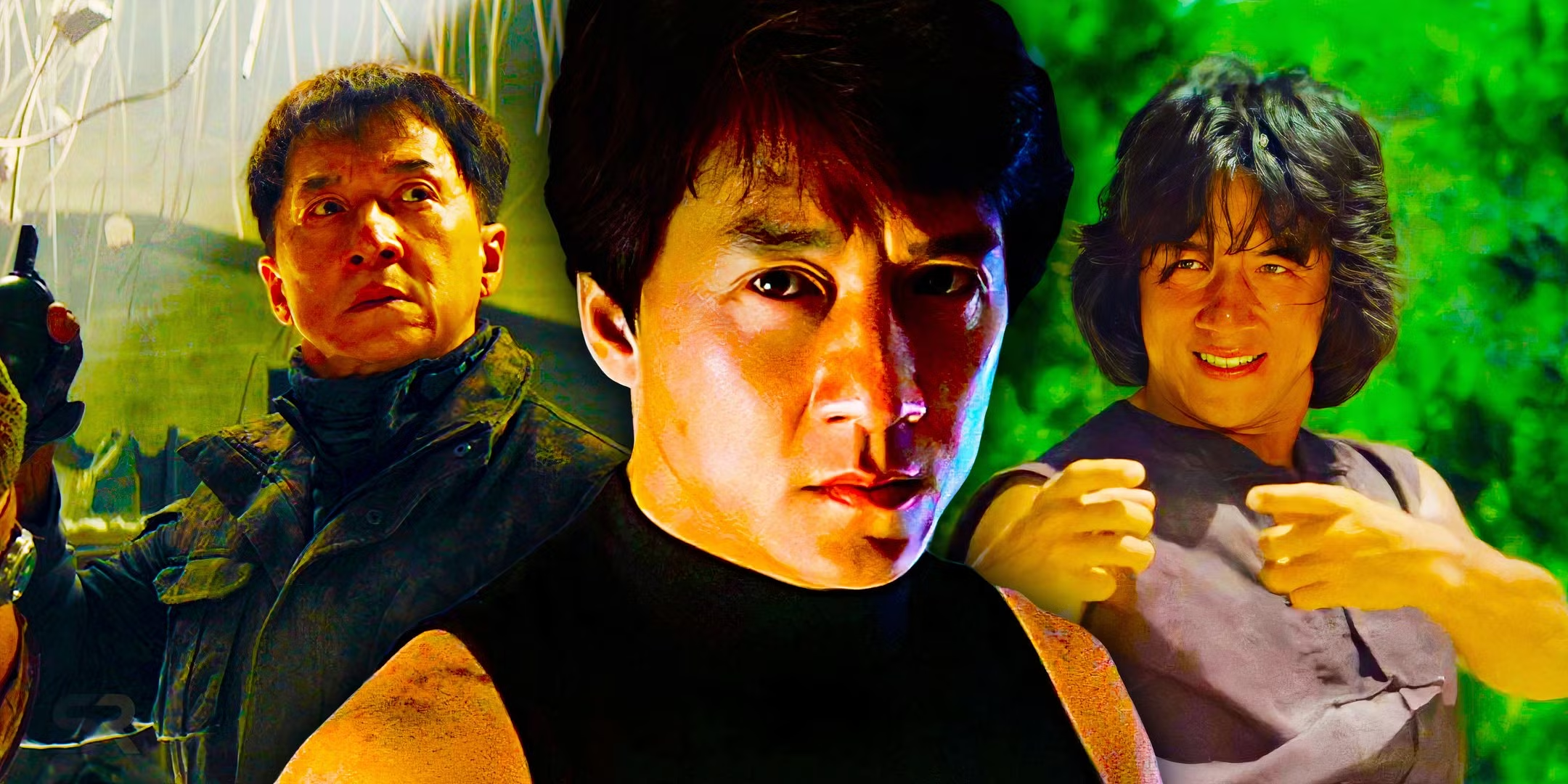
Jackie Chan: The Martial Arts Icon, Actor, & Global Superstar

iqsafe.info – Jackie Chan, born on April 7, 1954, in Hong Kong, is a name that resonates worldwide as a martial arts master, a renowned actor, and an unparalleled action star. For decades, he has captivated audiences with his acrobatic stunts, impeccable martial arts skills, comedic timing, and groundbreaking contributions to the film industry. From humble beginnings to international stardom, Jackie Chan’s journey is a testament to dedication, hard work, and a relentless pursuit of excellence.

Jackie Chan is often regarded as one of the most influential figures in martial arts cinema. He revolutionized the genre by blending physical comedy, innovative stunts, and action sequences with his unique style. His career, which spans over half a century, includes not only his iconic roles in action films but also his work as a director, producer, and philanthropist. His enduring legacy and impact on global cinema and pop culture are immeasurable.

This article will take a comprehensive look at Jackie Chan’s life, career, and contributions to the entertainment industry, exploring his early years, rise to fame, major achievements, and his lasting impact on both the film world and society.

Early Life and Beginnings

Humble Beginnings in Hong Kong

Jackie Chan was born Chan Kong-sang on April 7, 1954, in Victoria Peak, Hong Kong, to Charles and Lee-Lee Chan, both of whom were refugees from China. His family’s modest background and financial struggles in post-war Hong Kong shaped Jackie’s early life. As a child, Jackie’s parents worked hard to make ends meet. His father worked as a cook for the French ambassador, while his mother took care of their home.

Growing up, Jackie was extremely energetic and always keen to learn new skills. His parents enrolled him at the China Drama Academy, a Peking Opera School, when he was just six years old, hoping to discipline him and give him an education that could provide future success. At the academy, Jackie trained rigorously in various Chinese traditional arts, including acrobatics, singing, and acting. This education would lay the foundation for his later success, helping him build physical strength, agility, and an understanding of performance that would prove invaluable in his career.

Early Struggles and Mentorship

Despite the intense training at the drama school, life for Jackie as a young boy was not easy. The training was grueling, and many students left the academy before completing their education. However, Jackie Chan’s persistence and resilience helped him stay the course, and it was here that he met some of his future mentors. Among them was famed martial arts choreographer and actor, Yuen Woo-ping, who would later work with Jackie Chan on many of his film projects.

In his teenage years, Jackie began working as a stuntman in Hong Kong’s film industry. He appeared in various films and worked alongside established stars, including Bruce Lee. It was during this time that Jackie started to build his reputation as a talented martial artist and stunt performer. He worked on iconic films like Fist of Fury (1972) and Enter the Dragon (1973), both of which starred Bruce Lee. However, Jackie Chan initially struggled to stand out in the shadow of Bruce Lee’s meteoric rise in the martial arts genre.

The Rise of a Superstar

Transition to Acting

Jackie Chan’s transition from a stuntman to a leading actor began in the late 1970s. After Bruce Lee’s death, the martial arts film industry in Hong Kong was left with a void, and Jackie Chan sought to fill it with his own unique style. In 1978, he starred in his first leading role in the film Snake in the Eagle’s Shadow. The film was a commercial success, and it marked the beginning of Jackie Chan’s rise as a household name in Hong Kong.

Following the success of Snake in the Eagle’s Shadow, Jackie Chan starred in another breakthrough film, Drunken Master (1978). Directed by Yuen Woo-ping, the film introduced audiences to Jackie’s unique combination of martial arts and comedy. Chan portrayed a mischievous and unorthodox fighter, whose techniques included “drunken boxing,” a style that mimicked the behavior of a drunk person but with deadly precision. The film was a massive success and cemented Jackie Chan as one of the brightest stars in the Hong Kong film industry.

Entering the International Scene

With the success of Drunken Master, Jackie Chan’s popularity in Hong Kong grew exponentially, but he wasn’t content with just local success. In the early 1980s, Jackie began to experiment with Hollywood projects, attempting to break into the international market. However, despite his success in Hong Kong, it was not an easy transition to Hollywood. His first major attempt at Hollywood stardom, The Big Brawl (1980), did not meet with significant commercial success.

It wasn’t until 1995, when Jackie Chan starred in the blockbuster film Rumble in the Bronx, that he became a true international sensation. The film, directed by Stanley Tong, introduced Jackie Chan to a global audience and showcased his unique blend of martial arts, comedy, and stunts. The film was a massive hit in North America and helped Jackie Chan gain recognition in the West.

Following the success of Rumble in the Bronx, Jackie starred in a series of successful Hollywood films, including Rush Hour (1998) alongside Chris Tucker. Rush Hour was a major success, and its two sequels further solidified Jackie Chan’s status as an international superstar. The success of Rush Hour demonstrated his ability to bridge the gap between Eastern and Western audiences, making him one of the most recognizable faces in global cinema.

Unique Stunts and Iconic Action Scenes

One of the defining features of Jackie Chan’s career is his innovative and daring stunts. Unlike many of his contemporaries in martial arts films, Jackie Chan performed his own stunts, often pushing the limits of physical endurance and risking injury to create realistic and thrilling action sequences. His dedication to performing his own stunts, combined with his inventive choreography, made his films stand out in the action genre.

Jackie’s iconic stunts include elaborate fight scenes, high-flying acrobatics, and death-defying sequences. His films often feature intricate choreography, with Jackie using his environment to enhance the action. For example, in Police Story (1985), one of his most famous scenes involves Jackie sliding down a large Christmas tree in a shopping mall, which was a physically demanding stunt that became a hallmark of his style. He also famously performed his own stunts in films such as Project A (1983), Armor of God (1986), and Supercop (1992), where he showed his unparalleled agility and bravery.

Jackie Chan’s commitment to performing dangerous stunts has earned him numerous injuries over the years, but his resilience and determination to entertain his fans never wavered. His willingness to risk his safety for the sake of realism in action sequences has earned him the admiration of both fans and industry professionals alike.

A Diverse Career: Director, Producer, and Philanthropist

Expanding into Directing and Producing

In addition to his acting career, Jackie Chan has also ventured into directing and producing films. He directed and produced several of his own films, including Young Master (1980), Dragon Lord (1982), and Project A II (1987). His skill behind the camera matched his prowess in front of it, and his films often showcased his creativity and love for storytelling.

Jackie’s directorial approach emphasizes the integration of comedy and action, and his films have been recognized for their innovative use of choreography and stunts. His dedication to the craft of filmmaking has made him one of the most versatile figures in the entertainment industry.

Philanthropy and Social Contributions

Beyond his career in film, Jackie Chan has been a passionate philanthropist and social advocate. Over the years, he has used his fame and wealth to support various charitable causes. He established the Jackie Chan Charitable Foundation in 1988 to help provide funding for children in need, medical research, disaster relief, and education. He has also served as a goodwill ambassador for various global organizations, including the United Nations Children’s Fund (UNICEF) and the World Wildlife Fund (WWF).

Jackie has also been involved in efforts to promote peace and harmony across cultures. In 2004, he was appointed as a UNICEF Goodwill Ambassador, and he has used his platform to raise awareness about important social issues, such as poverty and environmental conservation. His contributions to charity and humanitarian efforts have made him a beloved figure in both the entertainment industry and society at large.

Legacy and Impact on Global Cinema

Breaking Barriers for Asian Actors

Jackie Chan’s success in Hollywood and the global film industry was groundbreaking. As an Asian actor, he broke down racial and cultural barriers that had long been obstacles for other actors from non-Western backgrounds. Jackie Chan’s success in both Eastern and Western cinema demonstrated that Asian performers could be stars in the global entertainment industry, paving the way for other actors such as Jet Li, Donnie Yen, and Tony Leung to gain international recognition.

Influence on Action Cinema

Jackie Chan’s influence on action cinema is immense. He is credited with transforming the action genre by introducing physical comedy and creating a distinctive style that combined martial arts with slapstick humor. His work has inspired generations of action stars, directors, and choreographers, and his legacy is evident in the work of modern action filmmakers such as the John Wick series and the Fast & Furious franchise.

Cultural Icon and Inspiration

Beyond the silver screen, Jackie Chan is a cultural icon whose influence extends to fashion, television, and even video games. He has become a symbol of resilience, innovation, and global collaboration, and his journey from humble beginnings to international stardom continues to inspire countless people around the world.

Conclusion

Jackie Chan’s life and career are a testament to the power of passion, perseverance, and innovation. From his early days in Hong Kong cinema to his international stardom, Jackie has redefined what it means to be an action star. Through his groundbreaking stunts, unique blend of martial arts and comedy, and unwavering dedication to his craft, he has earned his place as one of the most influential and beloved figures in global cinema. Beyond his entertainment career, Jackie Chan has used his fame to make a positive impact on society, promoting charitable causes and breaking down barriers for future generations of performers. As he continues to create, inspire, and give back, Jackie Chan’s legacy as the “King of Action” will endure for generations to come.
Rob Walton: Visionary Who Guided Walmart to Global Dominance

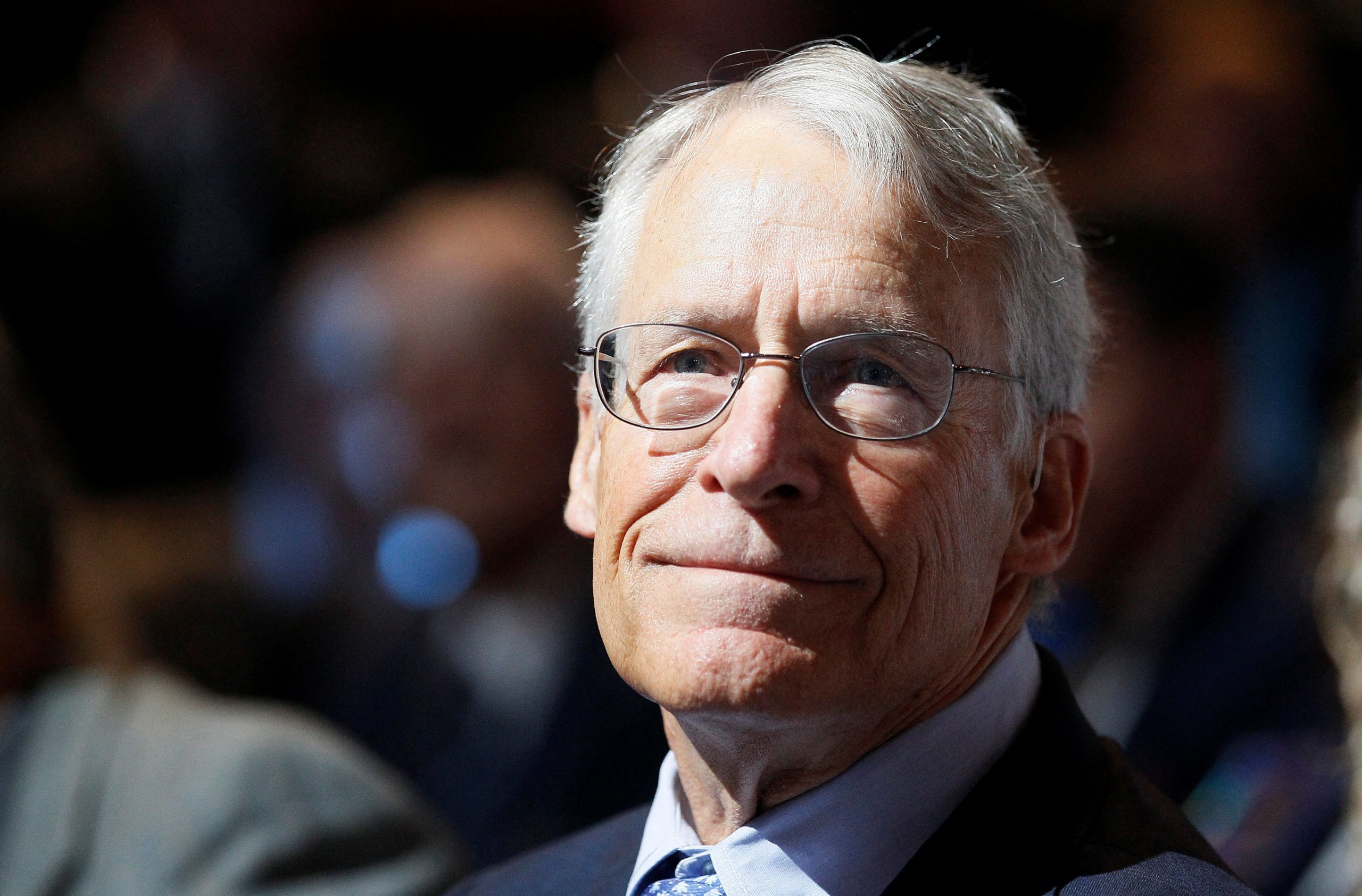
iqsafe.info – Rob Walton, the eldest son of Walmart founder Sam Walton, played a key role in the growth and success of the global retail giant. As a longtime board member and chairman of Walmart, Walton’s leadership was instrumental in helping the company evolve from a regional discount retailer to the world’s largest retailer, with a presence in over 20 countries. While Rob Walton’s influence on Walmart is well-documented, his impact also extends to his philanthropic efforts, corporate governance, and support for innovation.

Early Life and Education

Robson Walton, better known as Rob Walton, was born on October 28, 1944, in Kingfisher, Oklahoma, into the family that would become synonymous with the retail industry. Growing up in the small town of Bentonville, Arkansas, Walton was raised with a strong work ethic, instilled by his father, Sam Walton, whose mission was to build a company based on customer service, low prices, and high-quality products.

Walton attended the University of Arkansas, where he earned a degree in business. He later went on to study law at Columbia Law School in New York City, where he honed his skills in corporate governance and law. After graduating, Walton joined the law firm Conner & Winters, working in the legal field for several years before returning to Walmart, where his leadership would help guide the company toward its global success.

Leadership at Walmart

In 1978, Rob Walton joined Walmart officially, marking the beginning of his long tenure with the company. Although he didn’t start at the top, Walton quickly rose through the ranks, bringing his legal expertise to the company’s operations. As Walmart expanded rapidly throughout the 1980s and 1990s, Walton’s contributions were integral in navigating the legal and regulatory challenges that arose.

In 1992, following the retirement of his father, Sam Walton, Rob Walton became the chairman of Walmart’s board of directors. His leadership at the helm of the company helped guide Walmart through a period of rapid global expansion, both in terms of physical stores and e-commerce. Under Rob Walton’s leadership, Walmart continued to grow, adding stores around the world and entering new markets in Asia, Europe, and Latin America.

Walton was also a driving force behind Walmart’s efforts to streamline its operations and implement cutting-edge technologies in supply chain management, distribution, and inventory control. The company’s ability to keep costs low while maintaining high product availability became a hallmark of Walmart’s success. Walton’s focus on operational efficiency and customer-centric practices played a crucial role in the company’s continued dominance in the retail space.

Innovations and Global Expansion

During Rob Walton’s tenure as chairman, Walmart pursued an aggressive international growth strategy, expanding its footprint in key markets across the globe. The company’s entry into emerging markets like China, India, and Mexico was a critical component of its long-term growth strategy. Walton’s leadership helped navigate the complexities of international retail, from managing local supply chains to overcoming cultural and regulatory challenges.

Under Walton’s guidance, Walmart also made significant strides in e-commerce, recognizing the growing importance of digital retail. The company launched its online platform and began developing new ways to integrate brick-and-mortar stores with its online presence, a strategy that has proven vital in the modern retail landscape. By 2015, Walmart had made substantial investments in its e-commerce business, making it a formidable competitor to online giants like Amazon.

Walton also made significant strides in sustainability and corporate social responsibility. Walmart became a pioneer in creating sustainable supply chains and reducing its environmental impact through initiatives like energy-efficient stores, waste reduction programs, and commitments to sourcing responsibly produced goods. Walton’s leadership helped shape Walmart as a company that balanced profitability with an increasing focus on social and environmental responsibility.

Rob Walton’s Legacy and Leadership Style

Rob Walton is often described as a pragmatic and steady leader, focused on long-term goals rather than short-term gains. His approach to business was grounded in the principles established by his father, Sam Walton, who famously emphasized customer satisfaction, low prices, and a strong sense of community. Walton built on these values, ensuring that Walmart maintained its position as a leader in the retail industry while evolving with the times.

Unlike his siblings, Rob Walton was a more public-facing figure within Walmart’s operations. His presence on the board and his active participation in major decisions cemented his reputation as the leader who successfully steered Walmart through its most significant phases of growth. His strategic vision helped Walmart become a global force, and his leadership style was marked by a calm demeanor, a strong commitment to efficiency, and a focus on collaboration.

In 2015, Rob Walton stepped down as chairman of Walmart’s board after 23 years of leadership. His departure marked the end of an era for the company, but his influence is still felt through the legacy of his leadership and the strategic decisions made during his tenure. Walton’s leadership laid the foundation for the company’s continued success in the 21st century, ensuring that Walmart remained a retail powerhouse in the face of evolving market dynamics.

Personal Life and Wealth

Rob Walton’s wealth, like that of his siblings, comes from his substantial stake in Walmart. As one of the wealthiest individuals in the world, Walton’s fortune has been a subject of significant attention. While he has kept a relatively low profile compared to some of his peers in the business world, Walton has focused much of his energy on philanthropic initiatives and ensuring that his wealth benefits causes he believes in.

He has been an advocate for education, contributing to educational institutions and funding initiatives aimed at improving learning opportunities for young people. Walton’s philanthropic efforts have extended to supporting conservation, healthcare, and community development projects. He has used his wealth to make a positive impact on society, contributing to the creation of programs that promote sustainability and social well-being.

In his personal life, Walton is known for his love of sports, particularly his involvement in the world of motorsports. He has invested in NASCAR and other racing ventures, and his family’s private wealth has allowed them to support various athletic endeavors. Walton also enjoys a quieter life outside the public eye, focusing on his family and personal interests.

Rob Walton’s Transition to Board Leadership

Although Rob Walton officially stepped down as chairman in 2015, he remained active in Walmart’s operations and continued to play a significant role in the company’s governance. Walton’s leadership style was marked by a commitment to ethical business practices, corporate transparency, and long-term thinking. Even after his departure from Walmart’s day-to-day operations, Walton’s influence on the company’s direction remained strong through his ongoing involvement as a board member.

As of 2025, Rob Walton’s position on Walmart’s board has transitioned to that of a senior advisor, where he provides counsel and strategic advice. His extensive experience and deep understanding of Walmart’s business model continue to be an invaluable asset to the company as it navigates the ever-changing retail landscape.

Conclusion: A Legacy of Vision and Leadership

Rob Walton’s legacy is one of steady, visionary leadership that helped guide Walmart through some of its most significant phases of growth and transformation. Under his leadership, Walmart expanded globally, embraced new technologies, and pursued sustainability efforts that have made it a leader in both retail and corporate responsibility. Walton’s steady hand, commitment to long-term goals, and ability to navigate challenges have solidified his place as one of the most influential figures in modern retail.

Although he has stepped away from the active leadership of Walmart, Rob Walton’s impact on the company and on the global retail industry is undeniable. His strategic foresight and dedication to Sam Walton’s original vision continue to influence the company, and his contributions to business leadership and philanthropy will be remembered for years to come.

Rania Benchegra: A Moroccan Star Rising – Global Fashion Scene

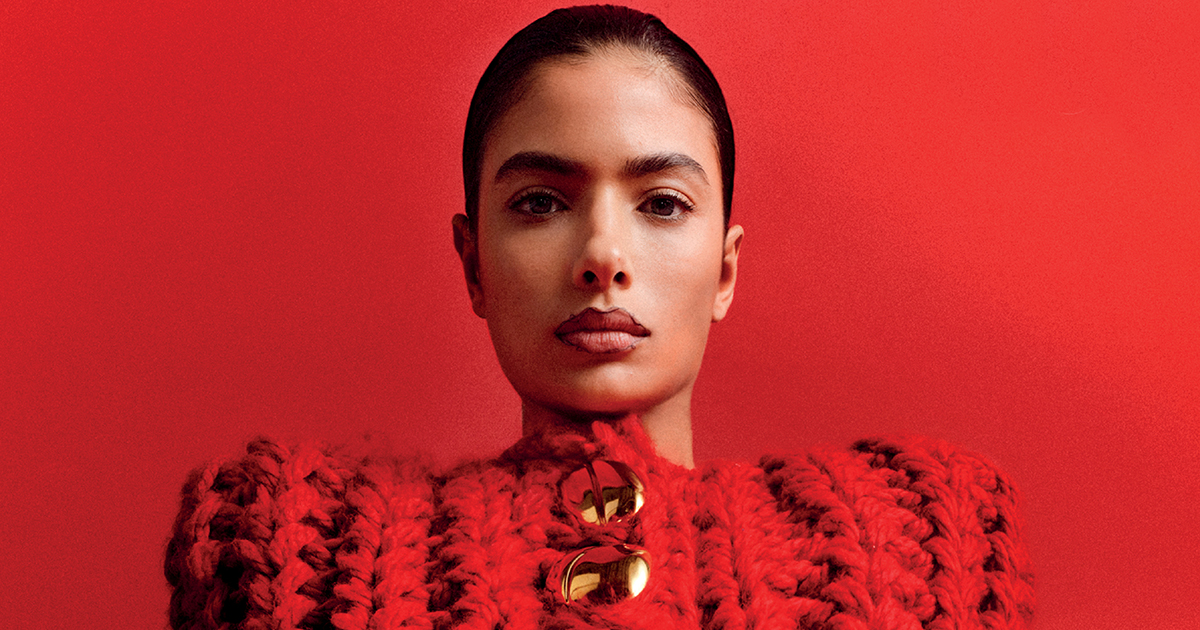
iqsafe.info – Rania Benchegra, a rising star from Morocco, is captivating the global fashion industry with her striking beauty and undeniable talent. Her unique blend of Eastern and Western aesthetics has made her a sought-after model, gracing the runways of the most prestigious fashion houses.   

A Journey to International Recognition

Born and raised in Morocco, Rania’s journey to international fame began when she was discovered by a talent scout. Her captivating features, including her piercing dark eyes and full lips, quickly caught the attention of renowned modeling agencies. With her strong work ethic and dedication, she quickly rose through the ranks, becoming one of the most promising new faces in the industry.

A Global Sensation

Rania has walked the runways for some of the most prestigious fashion houses, including Versace, Schiaparelli, and Dior. Her elegant and confident presence has made her a favorite among designers and photographers alike. She has also graced the covers of renowned fashion magazines, solidifying her status as a global fashion icon.   

A Role Model for Young Moroccans

Beyond her stunning looks, Rania is a role model for young Moroccans, particularly young women. She has shattered stereotypes and challenged traditional beauty standards, inspiring a new generation to pursue their dreams. Her success story is a testament to the power of hard work, perseverance, and self-belief.   

A Bright Future Ahead

As Rania continues to climb the ranks of the fashion industry, her future looks incredibly promising. With her talent, beauty, and unwavering determination, she is poised to become one of the most influential models of her generation. Her journey is a reminder that dreams can come true, and that with hard work and dedication, one can achieve anything.

A Global Leader: Switzerland’s Economic Powerhouse

iqsafe.info – Switzerland, nestled in the heart of Europe, is not only renowned for its picturesque landscapes and precision timekeeping but also for its robust economy that punches well above its weight on the global stage. With a population of just over 8 million people, this small nation has managed to establish itself as an economic powerhouse, boasting one of the highest GDP per capita in the world. This article delves into the factors that contribute to Switzerland’s economic prowess and its role as a global leader in various sectors.

Financial Services: The Backbone of Switzerland’s Economy

Switzerland’s financial sector is the cornerstone of its economic strength. Zurich and Geneva are two of the world’s leading financial centers, hosting a plethora of banks, insurance companies, and financial institutions. The Swiss banking system is known for its stability, privacy, and innovation, attracting wealth from across the globe. The country’s strict banking secrecy laws, although somewhat relaxed in recent years to comply with international standards, have long been a magnet for foreign deposits.

Innovation and Technology: A Hub for Global Companies

Switzerland is a hotbed of innovation, with a strong emphasis on research and development. It is home to some of the world’s most innovative companies, such as Nestlé, Roche, and Novartis. The Swiss Federal Institute of Technology (ETH Zurich) and other prestigious universities contribute to the country’s reputation as a leader in scientific research and technological advancement. The government’s support for education and innovation has fostered an environment where startups and established firms alike can thrive.

Trade and Exports: A Global Market Leader

Switzerland’s economy is highly export-oriented, with goods and services making their way to markets around the world. The country is a global leader in exporting pharmaceuticals, machinery, chemicals, and, of course, luxury watches. The free trade agreements Switzerland has with numerous countries facilitate its position as a key player in international trade.

Political Neutrality and Stability: A Safe Haven for Investments

Switzerland’s long-standing policy of neutrality and its stable political environment make it an attractive location for investments. The country has not been involved in a foreign war since 1815, and its direct democracy system ensures that the population has a say in government decisions. This stability is a significant draw for businesses and investors seeking a secure environment for their operations.

Quality of Life: A Magnet for Talent

The high quality of life in Switzerland is another factor that contributes to its economic success. The country consistently ranks at the top in global quality of life indices. Its excellent healthcare system, efficient public transportation, and beautiful natural surroundings attract skilled workers from around the world, providing a strong talent pool for businesses operating in the country.

Conclusion

Switzerland’s position as an economic powerhouse is the result of a combination of factors, including its strong financial sector, innovative companies, robust trade networks, political stability, and high quality of life. These elements work together to make Switzerland a global leader in various economic spheres. As the world continues to evolve, Switzerland’s commitment to excellence and innovation will undoubtedly keep it at the forefront of the international economic landscape.