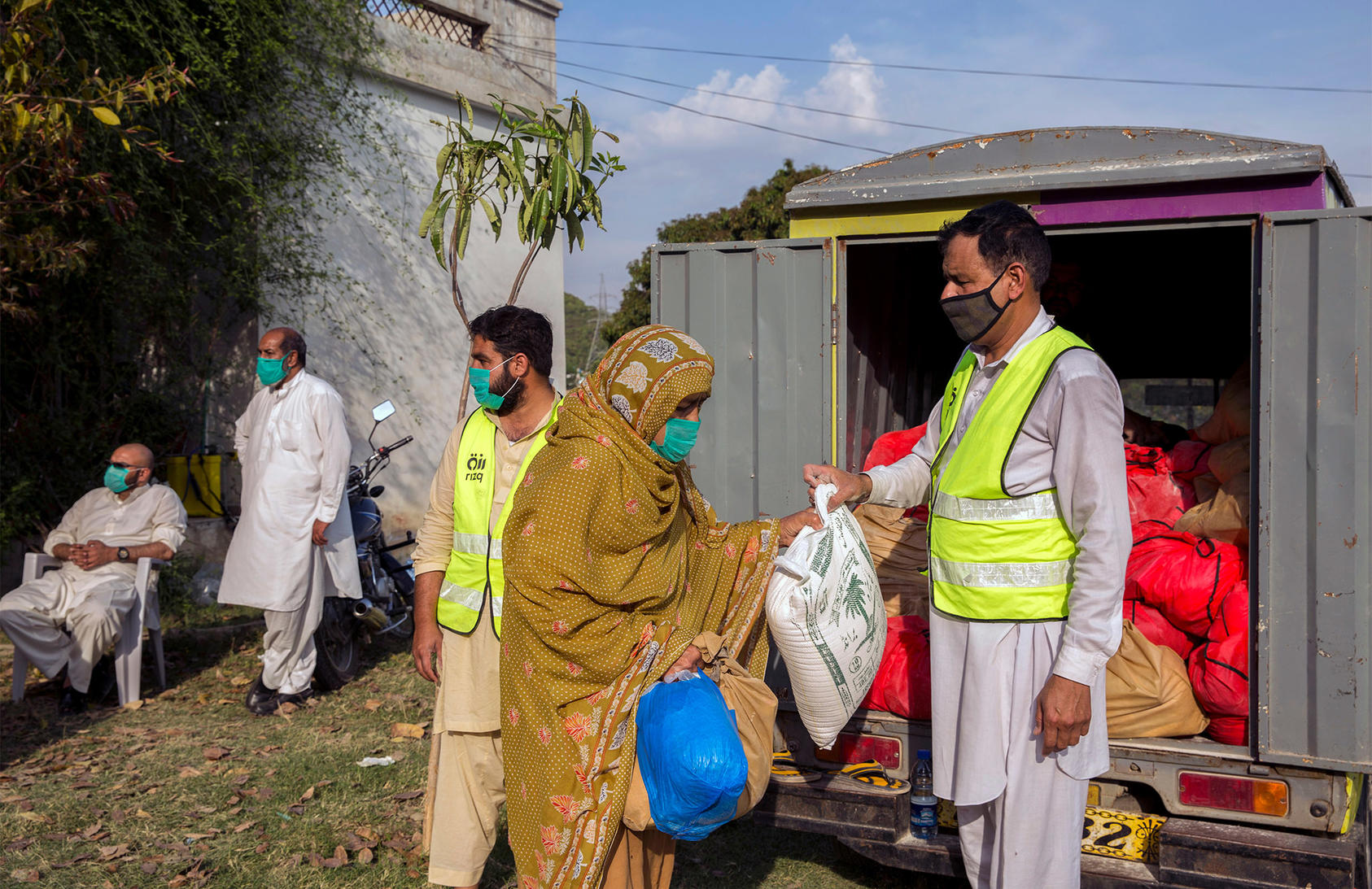
Economic Growth and Challenges in Pakistan

iqsafe.info – Pakistan, a country with vast potential, is navigating through a complex economic landscape. Despite facing numerous challenges, the country is making concerted efforts to steer its economy towards stability and growth. This article delves into the current economic situation in Pakistan, highlights the primary challenges, and explores potential pathways for sustainable development.

Current State of Economic Growth

Pakistan’s economy has experienced fluctuating growth rates over the past few years. According to recent reports, the country’s GDP growth is projected to be modest, hovering around 2% in 2024. This growth, although limited, reflects a slight recovery from the economic setbacks caused by global and domestic factors, including the COVID-19 pandemic and the catastrophic floods of 2022.

Major Economic Challenges

  1. Fiscal Imbalances: One of the most pressing issues Pakistan faces is the persistent fiscal imbalance. The country struggles with a high fiscal deficit, which affects its ability to finance development projects and social programs.
  2. Inflation and Cost of Living: Inflation remains a significant challenge, impacting the purchasing power of citizens and increasing the cost of living. The inflation rate has been notably high, with reports indicating it hovers around 30%, deeply affecting households across the nation.
  3. Energy Crisis: Energy shortages and high energy prices continue to be a bottleneck for industrial growth and economic development. The reliance on imported energy resources strains the national budget and hinders industrial productivity.
  4. Structural Challenges in Exports: Pakistan’s export sector faces structural challenges, such as low productivity and lack of diversification. The country’s exports are heavily reliant on a few markets, making it vulnerable to global economic shifts.
  5. Policy Uncertainty: Frequent changes in economic policies and lack of continuity have led to uncertainty among investors, both domestic and international. This unpredictability affects investment flows and economic planning.

Pathways to Sustainable Growth

To overcome these challenges and achieve sustainable economic growth, Pakistan needs to implement comprehensive reforms and strategies:

  1. Fiscal Reforms: Implementing fiscal reforms to reduce deficits, improve tax collection, and curb unnecessary expenditures can help stabilize the economy.
  2. Investment in Renewable Energy: Expanding investments in renewable energy sources can alleviate the energy crisis, reduce dependency on imports, and promote environmental sustainability.
  3. Export Diversification: Encouraging diversification in exports and improving productivity through technological advancements can enhance the competitiveness of Pakistani products in global markets.
  4. Policy Stability: Establishing a stable policy environment with clear, long-term economic strategies can build investor confidence and promote sustained economic growth.
  5. Social Investments: Investing in education, healthcare, and social safety nets can foster human capital development, which is crucial for long-term economic prosperity.

Conclusion

While Pakistan’s economy faces significant challenges, there are opportunities for growth and development. By addressing structural issues, implementing sound economic policies, and focusing on sustainable practices, Pakistan can pave a path towards a more robust and resilient economic future. The journey requires concerted efforts from the government, private sector, and international partners to ensure that economic growth translates into improved living standards for all Pakistanis.

A Global Leader: Switzerland’s Economic Powerhouse

iqsafe.info – Switzerland, nestled in the heart of Europe, is not only renowned for its picturesque landscapes and precision timekeeping but also for its robust economy that punches well above its weight on the global stage. With a population of just over 8 million people, this small nation has managed to establish itself as an economic powerhouse, boasting one of the highest GDP per capita in the world. This article delves into the factors that contribute to Switzerland’s economic prowess and its role as a global leader in various sectors.

Financial Services: The Backbone of Switzerland’s Economy

Switzerland’s financial sector is the cornerstone of its economic strength. Zurich and Geneva are two of the world’s leading financial centers, hosting a plethora of banks, insurance companies, and financial institutions. The Swiss banking system is known for its stability, privacy, and innovation, attracting wealth from across the globe. The country’s strict banking secrecy laws, although somewhat relaxed in recent years to comply with international standards, have long been a magnet for foreign deposits.

Innovation and Technology: A Hub for Global Companies

Switzerland is a hotbed of innovation, with a strong emphasis on research and development. It is home to some of the world’s most innovative companies, such as Nestlé, Roche, and Novartis. The Swiss Federal Institute of Technology (ETH Zurich) and other prestigious universities contribute to the country’s reputation as a leader in scientific research and technological advancement. The government’s support for education and innovation has fostered an environment where startups and established firms alike can thrive.

Trade and Exports: A Global Market Leader

Switzerland’s economy is highly export-oriented, with goods and services making their way to markets around the world. The country is a global leader in exporting pharmaceuticals, machinery, chemicals, and, of course, luxury watches. The free trade agreements Switzerland has with numerous countries facilitate its position as a key player in international trade.

Political Neutrality and Stability: A Safe Haven for Investments

Switzerland’s long-standing policy of neutrality and its stable political environment make it an attractive location for investments. The country has not been involved in a foreign war since 1815, and its direct democracy system ensures that the population has a say in government decisions. This stability is a significant draw for businesses and investors seeking a secure environment for their operations.

Quality of Life: A Magnet for Talent

The high quality of life in Switzerland is another factor that contributes to its economic success. The country consistently ranks at the top in global quality of life indices. Its excellent healthcare system, efficient public transportation, and beautiful natural surroundings attract skilled workers from around the world, providing a strong talent pool for businesses operating in the country.

Conclusion

Switzerland’s position as an economic powerhouse is the result of a combination of factors, including its strong financial sector, innovative companies, robust trade networks, political stability, and high quality of life. These elements work together to make Switzerland a global leader in various economic spheres. As the world continues to evolve, Switzerland’s commitment to excellence and innovation will undoubtedly keep it at the forefront of the international economic landscape.