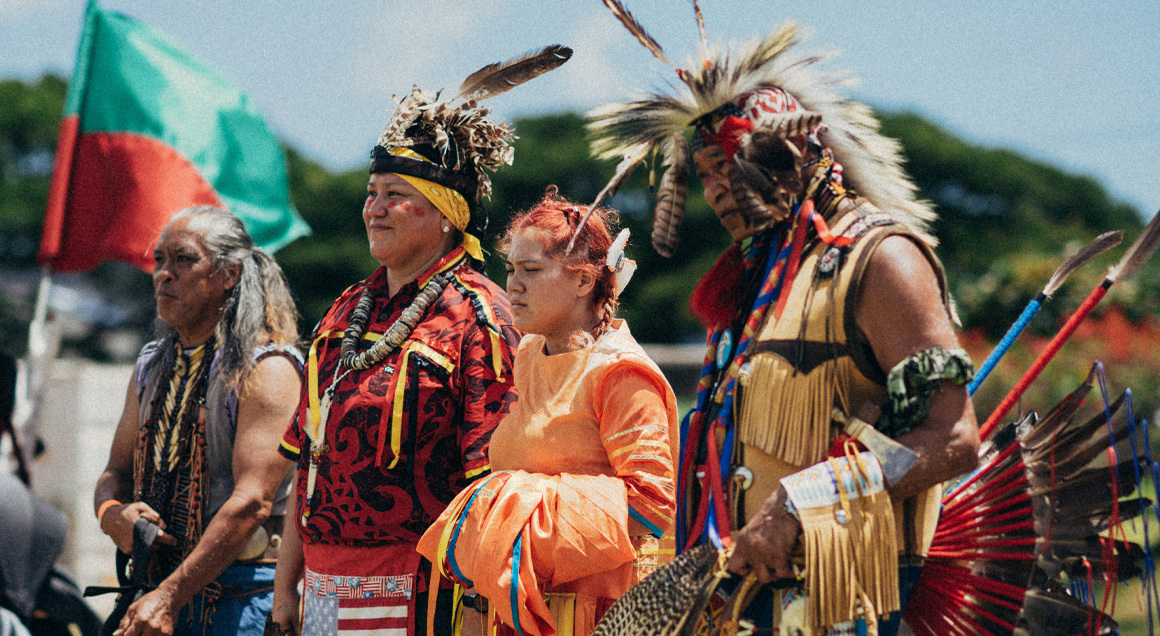
iqsafe.info – The term “American Indian Voices” encompasses the rich and diverse range of experiences, histories, and perspectives from Indigenous peoples across the United States. These voices represent a vital part of the nation’s cultural fabric, rooted in ancient traditions, spiritual beliefs, and social structures that predate the founding of the United States. Despite centuries of marginalization, erasure, and displacement, Indigenous voices have persisted, speaking out on behalf of their communities, preserving their cultural heritage, and challenging the dominant narratives that have shaped American society.
In this article, we explore the significance of American Indian voices, highlighting the role they play in maintaining cultural identity, advocating for social justice, and promoting awareness of the ongoing struggles faced by Native communities. We also examine the ways in which Indigenous writers, leaders, and artists continue to shape the national conversation, offering vital perspectives on issues of history, sovereignty, land rights, and self-determination.
The Role of Oral Tradition in American Indian Voices
Central to understanding American Indian voices is the importance of oral tradition. Long before written language was introduced by European settlers, Native American communities relied on oral storytelling to pass down knowledge, history, and cultural practices. Elders, storytellers, and leaders would recount the stories of their people, often using symbolic language, allegory, and songs to communicate the values, beliefs, and teachings of their culture.
Oral tradition has been an essential means of preserving the language, history, and cosmology of American Indian peoples. Through oral stories, Native communities have been able to articulate their connections to the land, recount their ancestral journeys, and pass down knowledge of the natural world. These voices, while often unrecorded in written form, have remained resilient in the face of colonization, providing continuity between generations.
Today, many Native American communities continue to rely on oral traditions to maintain their cultural heritage, with many Indigenous peoples working to revitalize their languages and oral storytelling practices. The significance of these voices is recognized by both Native communities and non-Native audiences, who increasingly understand the importance of listening to Indigenous peoples in order to learn from their perspectives.
Literature and Writing: Amplifying Native American Voices
As Native American communities navigated the pressures of colonization and the imposition of foreign cultures, many writers and poets emerged to document their experiences, assert their identities, and challenge stereotypes. Native American literature has become a powerful tool for amplifying Indigenous voices, providing insight into the lived realities of Native peoples both historically and in the contemporary world.
One of the most significant figures in Native American literature is Leslie Marmon Silko, a writer of the Laguna Pueblo tribe whose works such as Ceremony (1977) and Storyteller (1981) explore themes of cultural survival, personal healing, and the interconnection between storytelling and identity. Silko’s contributions to Native American literature reflect the deep significance of oral tradition, blending narrative styles and indigenous mythologies with modern literary techniques.
Another notable writer is Sherman Alexie, a Spokane-Coeur d’Alene author whose works such as The Lone Ranger and Tonto Fistfight in Heaven (1993) and The Absolutely True Diary of a Part-Time Indian (2007) have resonated with both Native and non-Native readers. Through his stories, Alexie explores the complexities of Native life, grappling with themes of identity, family, and the effects of historical trauma. His works also shine a light on the resilience of Native youth as they navigate both the pressures of modern society and their cultural heritage.
In addition to Silko and Alexie, many other Native American writers such as N. Scott Momaday, Joy Harjo, and Ruth Behar have contributed to the literary landscape, offering powerful insights into the Native American experience. By sharing their voices, these writers provide an opportunity for Native communities to reclaim their narratives and offer counterpoints to the dominant historical accounts that have often marginalized Indigenous perspectives.
Indigenous Leadership and Advocacy
Beyond literature, American Indian voices are essential in the realm of leadership and advocacy. Indigenous leaders, activists, and community organizers play a pivotal role in defending Native American rights, protecting sacred lands, and advocating for policies that support the sovereignty and well-being of Indigenous communities.
One of the most prominent figures in modern Native American advocacy is Winona LaDuke, a member of the White Earth Nation. As an environmentalist and political activist, LaDuke has worked tirelessly to address issues of land sovereignty, environmental justice, and economic sustainability for Native peoples. She is known for her work with the organization Honor the Earth, which advocates for Indigenous peoples’ rights to protect their land, water, and natural resources from exploitation.
Another influential voice in the fight for Native rights is Russell Means, a member of the Oglala Lakota Nation, who was a leading figure in the American Indian Movement (AIM) during the 1960s and 1970s. Means and AIM advocated for the recognition of Native American rights, including sovereignty, land reclamation, and the protection of sacred sites. His activism brought national attention to the issues facing Native communities and sparked a broader conversation about Indigenous rights and justice.
In recent years, the voice of Native American youth has also become increasingly important in advocating for Indigenous rights and addressing the challenges faced by Native communities, including high rates of poverty, education disparities, and health inequities. Organizations like Native Youth Alliance and the American Indian College Fund have become platforms for young Native leaders to raise awareness and bring about change through activism, education, and cultural pride.
Native American Art and Music: A Cultural Renaissance
American Indian voices are also expressed through visual art, music, and performance. Traditional Native American art, such as beadwork, pottery, painting, and weaving, has long been a means of expressing cultural identity and spiritual beliefs. In recent years, Indigenous artists have garnered increasing recognition for their work, which blends traditional techniques with contemporary themes.
Artists like Jaune Quick-to-See Smith, a Native American painter of the Salish and Kootenai Tribes, use their work to challenge stereotypes, question colonialism, and engage with issues such as environmentalism and Indigenous rights. Smith’s work reflects the blending of Native American cultural heritage with modern artistic forms, creating new narratives that resonate with both Native and non-Native audiences.
In the realm of music, Native American musicians such as Buffy Sainte-Marie, Robbie Robertson, and Pura Fé have used their voices to address social and political issues, blending traditional Native sounds with modern music genres. Through their work, they highlight the struggles and resilience of Native communities, using music as a means of activism, cultural expression, and healing.
The Importance of Listening to American Indian Voices
As the United States continues to grapple with its colonial history and the ongoing impact of systemic racism, it is crucial to listen to and elevate the voices of Native American peoples. These voices provide essential insights into the history of the country, the continued struggles for justice, and the ways in which Native communities are asserting their rights and preserving their cultural heritage.
Listening to American Indian voices means acknowledging the history of displacement, violence, and discrimination that has shaped Native American experiences. It also means recognizing the strength, resilience, and wisdom of Native communities who continue to fight for their rights and their future. By amplifying Indigenous voices, we can foster greater understanding, empathy, and support for the pressing issues facing Native peoples today.
Conclusion: Empowering the Future
American Indian voices are a testament to the strength, resilience, and enduring spirit of Indigenous peoples. Whether through oral tradition, literature, leadership, art, or music, Native American voices continue to shape and enrich the cultural and social landscape of the United States. By honoring these voices and learning from their experiences, we can work toward a more inclusive, just, and equitable society that respects the rights and dignity of Native peoples.
As the Native American community continues to assert its sovereignty and fight for justice, it is essential that we listen, support, and amplify their voices. The future of Native American communities depends not only on preserving cultural heritage but also on ensuring that Indigenous voices remain central to the national conversation about history, identity, and justice.