American Indian Voices: Honoring Indigenous Perspectives

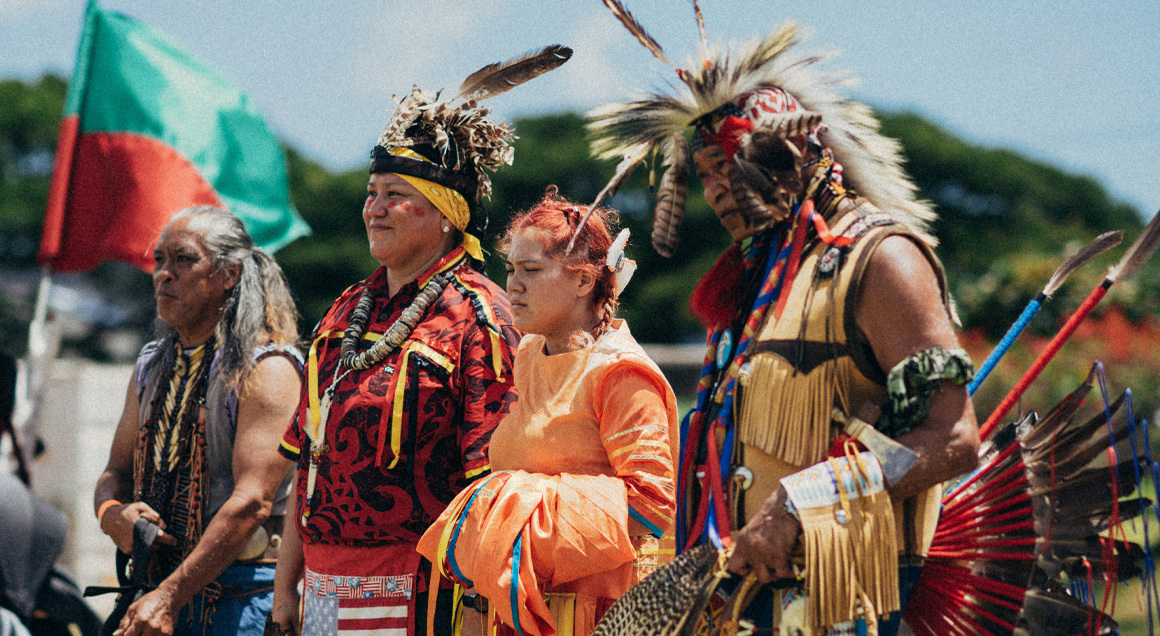
iqsafe.info – The term “American Indian Voices” encompasses the rich and diverse range of experiences, histories, and perspectives from Indigenous peoples across the United States. These voices represent a vital part of the nation’s cultural fabric, rooted in ancient traditions, spiritual beliefs, and social structures that predate the founding of the United States. Despite centuries of marginalization, erasure, and displacement, Indigenous voices have persisted, speaking out on behalf of their communities, preserving their cultural heritage, and challenging the dominant narratives that have shaped American society.

In this article, we explore the significance of American Indian voices, highlighting the role they play in maintaining cultural identity, advocating for social justice, and promoting awareness of the ongoing struggles faced by Native communities. We also examine the ways in which Indigenous writers, leaders, and artists continue to shape the national conversation, offering vital perspectives on issues of history, sovereignty, land rights, and self-determination.

The Role of Oral Tradition in American Indian Voices

Central to understanding American Indian voices is the importance of oral tradition. Long before written language was introduced by European settlers, Native American communities relied on oral storytelling to pass down knowledge, history, and cultural practices. Elders, storytellers, and leaders would recount the stories of their people, often using symbolic language, allegory, and songs to communicate the values, beliefs, and teachings of their culture.

Oral tradition has been an essential means of preserving the language, history, and cosmology of American Indian peoples. Through oral stories, Native communities have been able to articulate their connections to the land, recount their ancestral journeys, and pass down knowledge of the natural world. These voices, while often unrecorded in written form, have remained resilient in the face of colonization, providing continuity between generations.

Today, many Native American communities continue to rely on oral traditions to maintain their cultural heritage, with many Indigenous peoples working to revitalize their languages and oral storytelling practices. The significance of these voices is recognized by both Native communities and non-Native audiences, who increasingly understand the importance of listening to Indigenous peoples in order to learn from their perspectives.

Literature and Writing: Amplifying Native American Voices

As Native American communities navigated the pressures of colonization and the imposition of foreign cultures, many writers and poets emerged to document their experiences, assert their identities, and challenge stereotypes. Native American literature has become a powerful tool for amplifying Indigenous voices, providing insight into the lived realities of Native peoples both historically and in the contemporary world.

One of the most significant figures in Native American literature is Leslie Marmon Silko, a writer of the Laguna Pueblo tribe whose works such as Ceremony (1977) and Storyteller (1981) explore themes of cultural survival, personal healing, and the interconnection between storytelling and identity. Silko’s contributions to Native American literature reflect the deep significance of oral tradition, blending narrative styles and indigenous mythologies with modern literary techniques.

Another notable writer is Sherman Alexie, a Spokane-Coeur d’Alene author whose works such as The Lone Ranger and Tonto Fistfight in Heaven (1993) and The Absolutely True Diary of a Part-Time Indian (2007) have resonated with both Native and non-Native readers. Through his stories, Alexie explores the complexities of Native life, grappling with themes of identity, family, and the effects of historical trauma. His works also shine a light on the resilience of Native youth as they navigate both the pressures of modern society and their cultural heritage.

In addition to Silko and Alexie, many other Native American writers such as N. Scott Momaday, Joy Harjo, and Ruth Behar have contributed to the literary landscape, offering powerful insights into the Native American experience. By sharing their voices, these writers provide an opportunity for Native communities to reclaim their narratives and offer counterpoints to the dominant historical accounts that have often marginalized Indigenous perspectives.

Indigenous Leadership and Advocacy

Beyond literature, American Indian voices are essential in the realm of leadership and advocacy. Indigenous leaders, activists, and community organizers play a pivotal role in defending Native American rights, protecting sacred lands, and advocating for policies that support the sovereignty and well-being of Indigenous communities.

One of the most prominent figures in modern Native American advocacy is Winona LaDuke, a member of the White Earth Nation. As an environmentalist and political activist, LaDuke has worked tirelessly to address issues of land sovereignty, environmental justice, and economic sustainability for Native peoples. She is known for her work with the organization Honor the Earth, which advocates for Indigenous peoples’ rights to protect their land, water, and natural resources from exploitation.

Another influential voice in the fight for Native rights is Russell Means, a member of the Oglala Lakota Nation, who was a leading figure in the American Indian Movement (AIM) during the 1960s and 1970s. Means and AIM advocated for the recognition of Native American rights, including sovereignty, land reclamation, and the protection of sacred sites. His activism brought national attention to the issues facing Native communities and sparked a broader conversation about Indigenous rights and justice.

In recent years, the voice of Native American youth has also become increasingly important in advocating for Indigenous rights and addressing the challenges faced by Native communities, including high rates of poverty, education disparities, and health inequities. Organizations like Native Youth Alliance and the American Indian College Fund have become platforms for young Native leaders to raise awareness and bring about change through activism, education, and cultural pride.

Native American Art and Music: A Cultural Renaissance

American Indian voices are also expressed through visual art, music, and performance. Traditional Native American art, such as beadwork, pottery, painting, and weaving, has long been a means of expressing cultural identity and spiritual beliefs. In recent years, Indigenous artists have garnered increasing recognition for their work, which blends traditional techniques with contemporary themes.

Artists like Jaune Quick-to-See Smith, a Native American painter of the Salish and Kootenai Tribes, use their work to challenge stereotypes, question colonialism, and engage with issues such as environmentalism and Indigenous rights. Smith’s work reflects the blending of Native American cultural heritage with modern artistic forms, creating new narratives that resonate with both Native and non-Native audiences.

In the realm of music, Native American musicians such as Buffy Sainte-Marie, Robbie Robertson, and Pura Fé have used their voices to address social and political issues, blending traditional Native sounds with modern music genres. Through their work, they highlight the struggles and resilience of Native communities, using music as a means of activism, cultural expression, and healing.

The Importance of Listening to American Indian Voices

As the United States continues to grapple with its colonial history and the ongoing impact of systemic racism, it is crucial to listen to and elevate the voices of Native American peoples. These voices provide essential insights into the history of the country, the continued struggles for justice, and the ways in which Native communities are asserting their rights and preserving their cultural heritage.

Listening to American Indian voices means acknowledging the history of displacement, violence, and discrimination that has shaped Native American experiences. It also means recognizing the strength, resilience, and wisdom of Native communities who continue to fight for their rights and their future. By amplifying Indigenous voices, we can foster greater understanding, empathy, and support for the pressing issues facing Native peoples today.

Conclusion: Empowering the Future

American Indian voices are a testament to the strength, resilience, and enduring spirit of Indigenous peoples. Whether through oral tradition, literature, leadership, art, or music, Native American voices continue to shape and enrich the cultural and social landscape of the United States. By honoring these voices and learning from their experiences, we can work toward a more inclusive, just, and equitable society that respects the rights and dignity of Native peoples.

As the Native American community continues to assert its sovereignty and fight for justice, it is essential that we listen, support, and amplify their voices. The future of Native American communities depends not only on preserving cultural heritage but also on ensuring that Indigenous voices remain central to the national conversation about history, identity, and justice.
Durga Puja: A Triumph of Divine Power

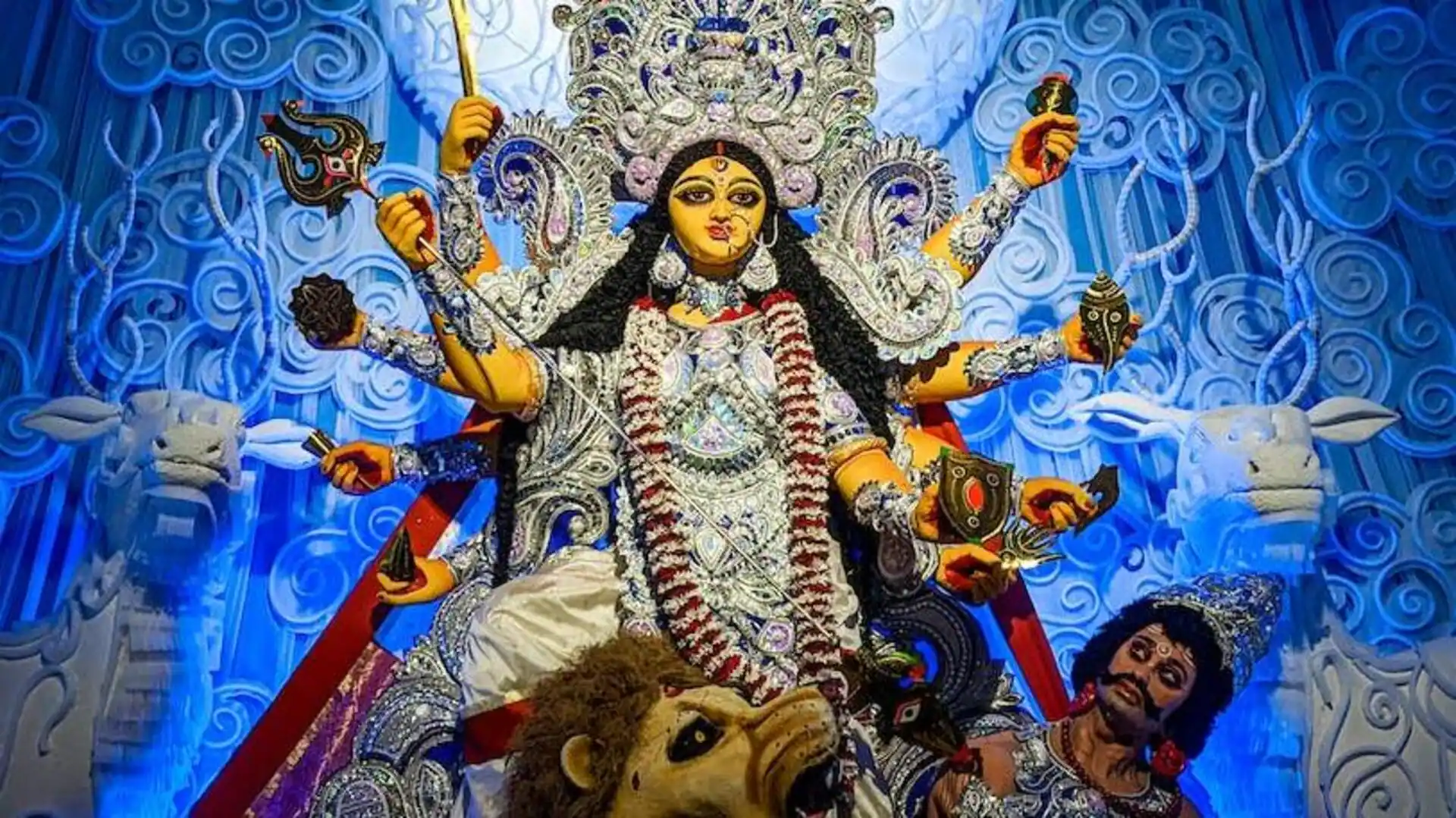
iqsafe.info – Durga Puja is one of the most significant festivals in the Indian states of West Bengal, Bihar, Jharkhand, Odisha, Assam, and Tripura. It is a ten-day festival that celebrates the victory of the goddess Durga over the demon Mahishasura. The festival is marked by elaborate rituals, colorful processions, and cultural festivities.

The Significance of Durga Puja

Durga Puja symbolizes the triumph of good over evil and the victory of the divine feminine. The goddess Durga, a powerful manifestation of the divine mother, is revered for her strength, courage, and compassion. During the festival, devotees seek her blessings for protection, prosperity, and spiritual enlightenment.

The Ten-Day Celebration

Durga Puja is a ten-day festival, each day of which holds specific significance:

  1. Shashthi: The sixth day marks the beginning of the main festivities. The idol of Durga, along with her family – Lord Ganesha, Goddess Lakshmi, and Lord Kartik – is brought to the pandal (temporary structure).
  2. Saptami: On the seventh day, the goddess is worshipped in her full glory.
  3. Ashtami: The eighth day is considered the most auspicious day of the festival. Devotees offer special prayers and perform pujas.
  4. Navami: The ninth day is dedicated to the worship of the goddess Durga’s nine forms.
  5. Dashami: The tenth and final day is known as Vijayadashami. On this day, the idols of the goddess are immersed in water bodies, symbolizing her return to her heavenly abode.

Cultural Festivities

Durga Puja is not just a religious festival; it is also a cultural extravaganza. The festival is marked by various cultural activities, including:

  • Pandal Hopping: People visit different pandals to admire the beautifully decorated idols and enjoy the festive atmosphere.
  • Puja Ceremonies: Devotees offer prayers, sing hymns, and perform rituals to seek the blessings of the goddess.
  • Cultural Programs: Various cultural programs, such as dance, music, and drama, are organized in pandals and community centers.
  • Food and Sweets: Durga Puja is a time for feasting. A variety of delicious sweets, including rasgulla, mishti doi, and sandesh, are prepared and enjoyed.

The Significance of Durga Puja in Indian Culture

Durga Puja is not just a religious festival; it is a cultural phenomenon that brings people together. It strengthens family bonds, fosters community spirit, and promotes cultural exchange. The festival also plays a significant role in preserving traditional arts and crafts.

Conclusion

Durga Puja is a vibrant and joyous festival that celebrates the divine feminine and the triumph of good over evil. It is a time for spiritual renewal, cultural celebration, and community bonding. The festival’s significance lies in its ability to unite people from different backgrounds and strengthen the cultural fabric of India.

LungA: A Cultural Oasis in the Eastfjords – A Diverse Program

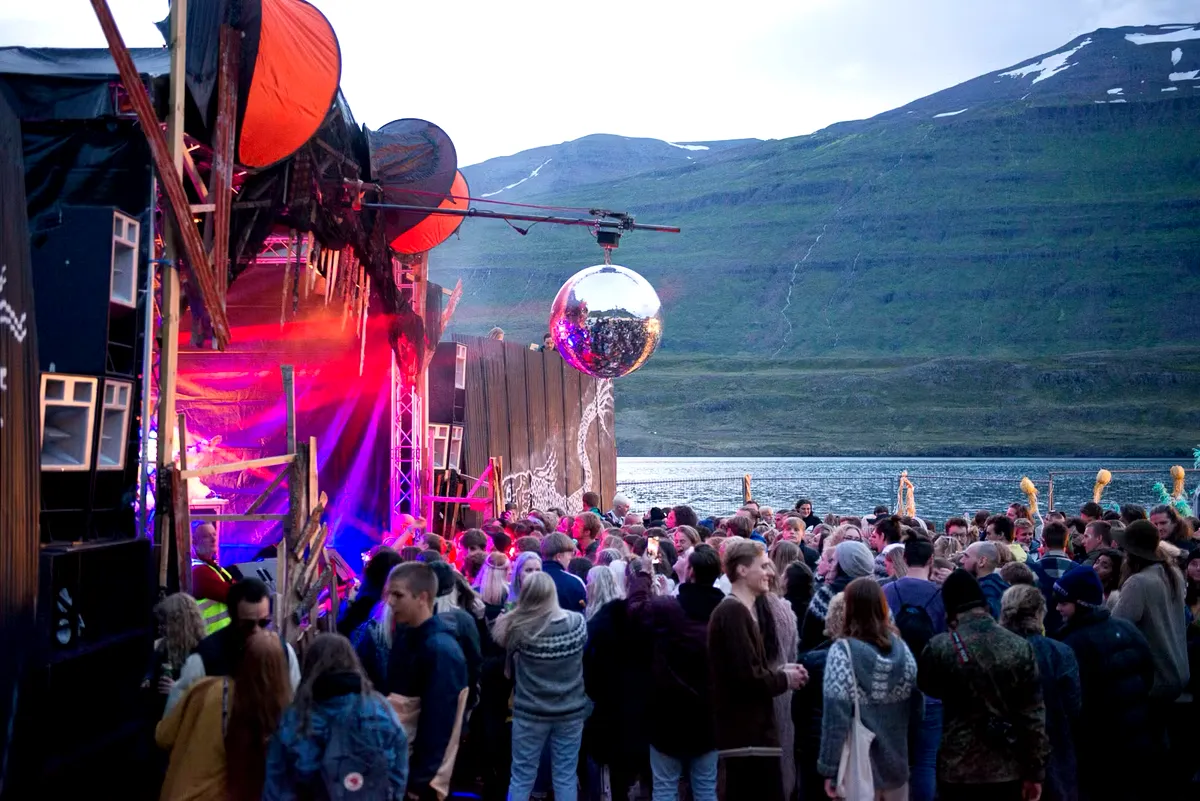
iqsafe.info – In the heart of Iceland’s remote Eastfjords, the small town of Seyðisfjörður transforms into a vibrant cultural hub each summer. The LungA Arts Festival, a unique event that celebrates art, music, and community, draws artists and visitors from around the world.

A Festival Born from a Dream

Founded in 1996, LungA was born from a desire to revitalize the Eastfjords and create a platform for artists to experiment and collaborate. The festival’s founders envisioned a space where artists could connect with the local community and create work inspired by the region’s stunning natural beauty.

A Diverse Program

LungA offers a diverse program of visual arts, music, theater, and performance art. The festival features both established and emerging artists, providing a platform for new talent to shine. Visitors can expect to see everything from traditional Icelandic folk music to experimental electronic music, as well as a wide range of visual art exhibitions, from painting and sculpture to photography and installation art.

A Unique Icelandic Experience

One of the unique aspects of LungA is its stunning location. Seyðisfjörður is a picturesque town nestled in a fjord, surrounded by mountains and glaciers. The festival takes place in various venues across the town, including historic buildings, outdoor spaces, and even a former fish factory. This diverse range of venues creates a unique and immersive experience for both artists and audiences.

A Community-Focused Event

LungA is more than just a music and art festival; it’s a community-focused event that brings together people from all walks of life. The festival organizes various workshops, educational programs, and public art installations, making art accessible to people of all ages and backgrounds.

A Sustainable Future

The organizers of LungA are committed to sustainability. The festival promotes eco-friendly practices, such as reducing waste and minimizing its carbon footprint. By embracing sustainable initiatives, the festival aims to preserve the natural beauty of the Eastfjords for future generations.

Conclusion

LungA is a truly unique cultural experience that offers a glimpse into the heart of Iceland. The festival’s stunning location, diverse programming, and warm Icelandic hospitality make it a must-visit for anyone interested in art, music, and culture.

Thailand’s Coastal Hub: Discovering Samut Sakhon

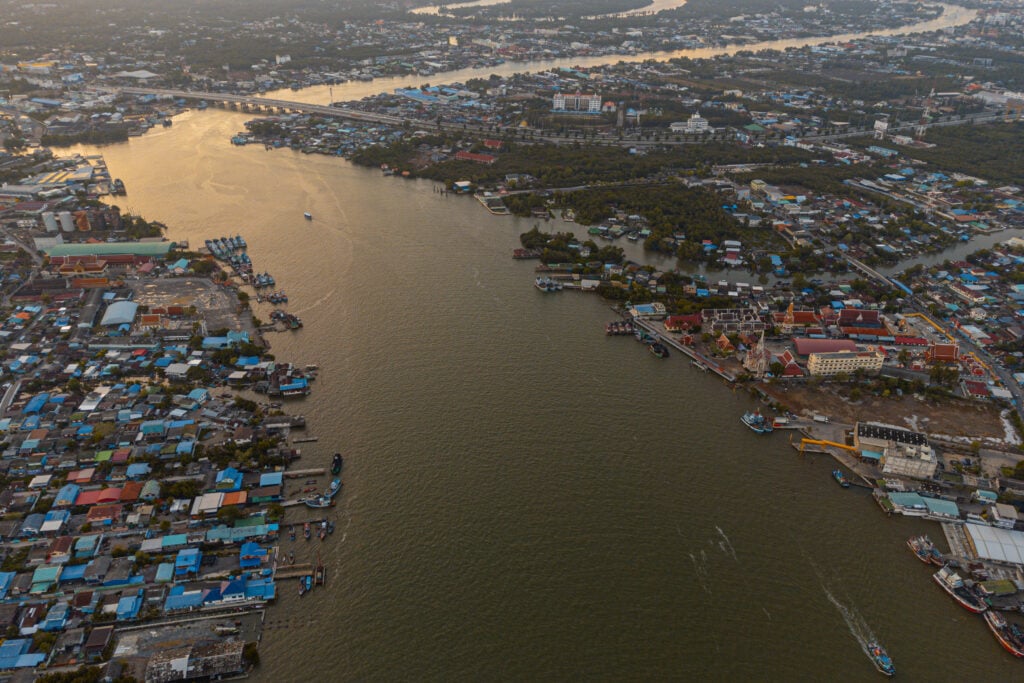
iqsafe.info – Samut Sakhon, a vibrant province situated just southwest of Bangkok, is a key coastal area known for its thriving seafood industry and cultural heritage. Often overlooked by tourists, this province offers a unique glimpse into Thailand’s maritime traditions and bustling local economy.

The Heart of the Seafood Industry

Samut Sakhon is renowned as a major center for seafood production in Thailand. The province’s extensive coastline and fertile estuaries provide an ideal environment for fishing and aquaculture. The Mahachai Market, one of the largest seafood markets in the country, offers a lively atmosphere where visitors can explore a vast array of fresh seafood, from shrimp and crabs to fish and shellfish. This vibrant market is a must-visit for anyone interested in experiencing the local way of life and sampling the freshest seafood.

Cultural and Historical Attractions

Rich in history, Samut Sakhon boasts several cultural attractions that reflect its heritage. Wat Yai Chom Prasat is a historic temple known for its distinctive architecture and serene surroundings, offering a peaceful retreat for visitors. The province also hosts various festivals that celebrate its cultural diversity, including the Boat Racing Festival and the King Rama II Memorial Day, which showcase traditional Thai customs and community spirit.

Industry and Economy

Beyond its seafood industry, Samut Sakhon plays a significant role in Thailand’s economy as an industrial hub. The province is home to numerous factories and businesses, contributing to its reputation as an economic powerhouse. This industrial development coexists with the region’s natural beauty, highlighting the dynamic balance between modernity and tradition in Samut Sakhon.

Nature and Outdoor Activities

For nature enthusiasts, Samut Sakhon offers several outdoor attractions and activities. The Tha Chin River provides opportunities for boat tours and birdwatching, offering a peaceful escape into nature. Visitors can also explore nearby mangrove forests, which serve as important ecosystems for a variety of wildlife. These natural areas provide a stark contrast to the bustling industrial zones, showcasing the province’s diverse landscape.

Conclusion

Samut Sakhon, with its bustling seafood markets, rich cultural heritage, and industrial significance, offers a unique perspective on life in Thailand’s coastal regions. Whether you’re exploring the vibrant markets, visiting historic temples, or enjoying the natural scenery, Samut Sakhon provides an authentic and enriching experience. As a gateway to Thailand’s maritime traditions and economic development, this province is a fascinating destination for those looking to delve deeper into the country’s diverse regions.

Haleem: A Culinary Delight of Rich Flavors & Cultural Heritage

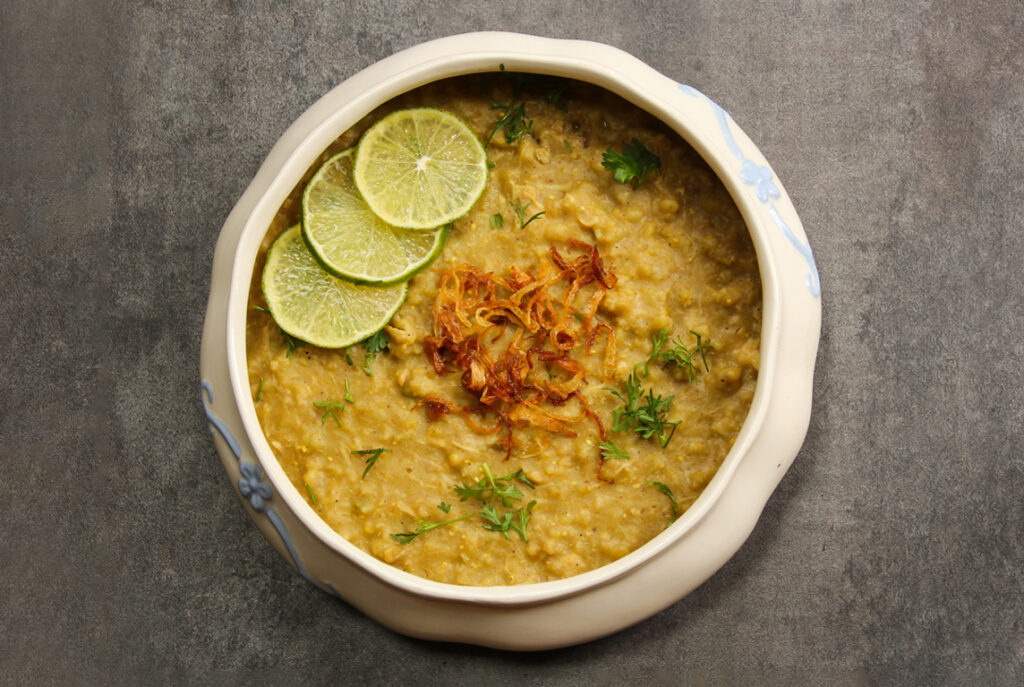
iqsafe.info – Haleem is a sumptuous stew that has captured the hearts and palates of many around the world. Known for its rich taste and hearty texture, this dish is a staple in several South Asian and Middle Eastern cuisines. It is particularly popular in countries like India, Pakistan, Bangladesh, Iran, and the Arab world, where it is often prepared during special occasions and festivals, especially during Ramadan.

The Origins of Haleem

The origins of Haleem can be traced back to the Middle East, with historical ties to an Arab dish called “Harees.” Over the centuries, as this dish traveled through trade routes and cultural exchanges, it evolved into what we now recognize as Haleem. Each region has added its own unique touch, incorporating local spices and ingredients, making Haleem a versatile dish with numerous variations.

Ingredients and Preparation

The primary ingredients of Haleem are meat, lentils, and a blend of spices, all slow-cooked to create a thick, flavorful paste. The meat used is typically lamb, beef, or chicken, though vegetarian versions also exist. Lentils and wheat or barley are essential components that give Haleem its characteristic thickness and nutritional value.

The preparation of Haleem is a labor-intensive process that requires patience and skill. The ingredients are simmered for several hours, allowing the flavors to meld together and the meat to become tender enough to blend seamlessly with the lentils. This slow-cooking method not only enhances the taste but also ensures a silky-smooth texture.

Cultural Significance

Haleem is more than just a dish; it is a symbol of community and celebration. It is often prepared in large quantities for gatherings and shared among family and friends. During the holy month of Ramadan, Haleem is a popular choice for iftar, the meal to break the fast, due to its high energy content and satisfying nature.

In South Asia, particularly in the Indian city of Hyderabad, Haleem is an integral part of the culinary landscape. The Hyderabadi version is renowned for its rich taste and is even accorded a Geographical Indication status, highlighting its significance and the unique method of preparation.

Nutritional Benefits

Haleem is not only delicious but also nourishing. It is packed with protein from the meat and lentils, while the slow-cooked grains provide complex carbohydrates. The spices used, such as cumin, coriander, and turmeric, not only add flavor but also offer various health benefits, including anti-inflammatory and digestive properties.

Conclusion

Haleem is a dish that beautifully encapsulates the essence of traditional cooking methods and the rich tapestry of cultural influences. Its ability to bring people together and its heartwarming flavors make it a beloved dish across many cultures. Whether enjoyed during special occasions or as a comforting meal on a chilly day, Haleem continues to be a testament to the art of slow cooking and the joy of shared meals.

Ukraine’s Language and Identity: A Cultural Exploration

iqsafe.info – Language and identity are deeply intertwined in Ukraine, a country where cultural diversity and historical influences have shaped a unique national character. Ukrainian language and culture reflect the nation’s rich heritage and its ongoing journey toward defining its identity in the modern world. This article explores the role of language in Ukraine’s cultural identity, highlighting its historical evolution, contemporary challenges, and the importance of preserving linguistic heritage.

Historical Evolution of the Ukrainian Language

The Ukrainian language has its roots in the Old East Slavic language spoken in the medieval state of Kievan Rus. Over the centuries, Ukraine’s language evolved under the influence of various empires, including the Polish-Lithuanian Commonwealth, the Austro-Hungarian Empire, and the Russian Empire. Despite these external pressures, the Ukrainian language has persisted as a vital marker of cultural identity.

Language and National Identity

Language has played a central role in shaping Ukraine’s national identity. During periods of foreign domination, such as under Russian Imperial and Soviet rule, efforts to suppress the Ukrainian language were met with resistance. The revival of the Ukrainian language became a symbol of national pride and a tool for cultural preservation, particularly during the independence movement in the 19th and early 20th centuries.

Contemporary Language Landscape

In modern Ukraine, the Ukrainian language is the official state language, as enshrined in the country’s constitution. However, Russian is also widely spoken, particularly in urban areas and the eastern regions. The coexistence of Ukrainian and Russian languages reflects Ukraine’s diverse cultural landscape and historical ties to Russia.

Language Policy and Education

Language policy in Ukraine has been a topic of significant political debate. Efforts to promote the use of Ukrainian in public life, education, and media aim to strengthen national identity and cultural cohesion. Educational reforms have emphasized Ukrainian language instruction, while also recognizing the linguistic rights of minority communities.

Cultural Expression Through Language

The Ukrainian language is a vibrant medium for cultural expression, encompassing literature, music, theater, and film. Ukrainian writers and poets, such as Taras Shevchenko and Lesya Ukrainka, have contributed to a rich literary tradition that continues to inspire contemporary artists. Ukrainian folk music and dance, often performed in the native language, celebrate the nation’s cultural heritage and regional diversity.

Challenges and Preservation

Despite progress in promoting the Ukrainian language, challenges remain. Globalization, migration, and digital communication pose threats to linguistic diversity. Efforts to preserve and promote the Ukrainian language involve fostering cultural exchange, supporting language education, and encouraging the use of Ukrainian in digital media and technology.

Conclusion

Ukraine’s language and identity are inseparable from its cultural exploration and historical journey. The Ukrainian language serves as a cornerstone of national identity, reflecting the resilience and diversity of its people. As Ukraine continues to navigate the complexities of modern identity, the preservation and promotion of its linguistic heritage remain vital to its cultural future. Through language, Ukraine celebrates its past, embraces its present, and shapes its future.

Malaysia’s Melting Pot: Cultural Tapestry

iqsafe.info – Malaysia is a fascinating nation situated in Southeast Asia. Known for its rich and diverse cultural heritage, it stands as a testament to the harmonious coexistence of multiple ethnicities and traditions. This cultural tapestry is woven from the vibrant threads of Malay, Chinese, Indian, and indigenous cultures, making Malaysia a true melting pot. This article explores the elements that contribute to Malaysia’s unique identity and cultural richness.

The Ethnic Composition

Malaysia’s population is a mosaic of ethnic groups, with the Malays forming the largest group, followed by Chinese, Indians, and numerous indigenous peoples. Each group contributes its own distinct traditions, languages, and cuisines, creating a vibrant cultural landscape. The Malay culture, with its deep-rooted Islamic traditions, blends seamlessly with the customs and beliefs of the Chinese and Indian communities, each celebrating their festivals and practices with equal enthusiasm.

Cultural Celebrations

The cultural diversity of Malaysia is most apparent during its many festivals and celebrations. The country’s calendar is dotted with events such as Hari Raya Aidilfitri, Chinese New Year, Deepavali, and the Harvest Festival, each bringing its unique flavor to the nation. These festivals not only highlight religious and cultural traditions but also promote unity and understanding among the diverse communities.

Language and Communication

Malaysia is home to a multitude of languages, with Malay being the official language. However, English, Mandarin, Tamil, and various indigenous languages are widely spoken, reflecting the country’s multicultural roots. This linguistic diversity is not just limited to spoken language but extends to literature, music, and other forms of art, enriching the cultural tapestry of the nation.

Culinary Diversity

One of the most exciting aspects of Malaysia’s cultural melting pot is its cuisine. Malaysian food is a delightful fusion of flavors and techniques from Malay, Chinese, Indian, and indigenous kitchens. Dishes like Nasi Lemak, Char Kway Teow, and Roti Canai are beloved across the country, each dish telling a story of cultural exchange and adaptation.

Conclusion

Malaysia’s cultural tapestry is both complex and beautiful, representing a harmonious blend of ethnicities and traditions. This diversity is not only a source of pride but also a foundation for the nation’s unity and strength. As Malaysia continues to evolve, its commitment to celebrating and preserving its cultural heritage remains steadfast, ensuring that its melting pot continues to thrive for generations to come.