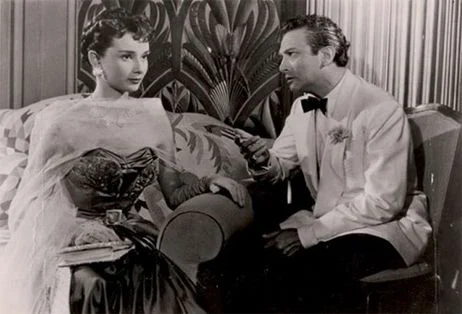
Monte Carlo Baby (1951): A Cinematic Gem

iqsafe.info – “Monte Carlo Baby” is a 1951 British-French comedy film co-directed by Jean Boyer and Lester Fuller. Notably, it features an early performance by Audrey Hepburn, who plays the role of a spoiled actress. This film is often remembered for its charming comedic elements and as a stepping stone in Hepburn’s illustrious career.

Plot Overview

The movie is set against the glamorous backdrop of Monte Carlo. It revolves around a mix-up involving a baby, which leads to a series of comedic events. The plot is driven by misunderstandings and humorous situations that arise when a baby’s identity is confused amidst the hustle and bustle of a high-society environment.

Cast and Characters

  • Audrey Hepburn as Linda Farrel: Hepburn’s character is central to the film’s comedic plot. Her portrayal of a pampered actress showcases her potential, which would later blossom into an iconic career.
  • Jules Munshin as Antoine: Munshin adds to the film’s humor with his impeccable timing and comedic flair.
  • Cara Williams as Marinette: Williams supports the leading cast with her engaging performance, adding depth to the ensemble.

Production and Direction

“Monte Carlo Baby” was co-directed by Jean Boyer and Lester Fuller, who successfully captured the essence of a light-hearted comedy set in the luxurious locale of Monte Carlo. The film’s production involved meticulous attention to detail, ensuring that the opulent setting contributed to the story’s whimsical tone.

Cultural Impact

While not a major box office success, “Monte Carlo Baby” holds a special place in cinema history for introducing audiences to Audrey Hepburn’s talent. It is often noted in Hepburn’s biographies as the film during which she was first discovered by the renowned playwright Colette, leading to her casting in the Broadway play “Gigi.”

Conclusion

“Monte Carlo Baby” is a delightful comedy that stands out for its humor and the early performance of Audrey Hepburn. It remains a notable piece of cinematic history, appreciated for its charm and the glimpse it offers into the budding career of one of Hollywood’s beloved stars.
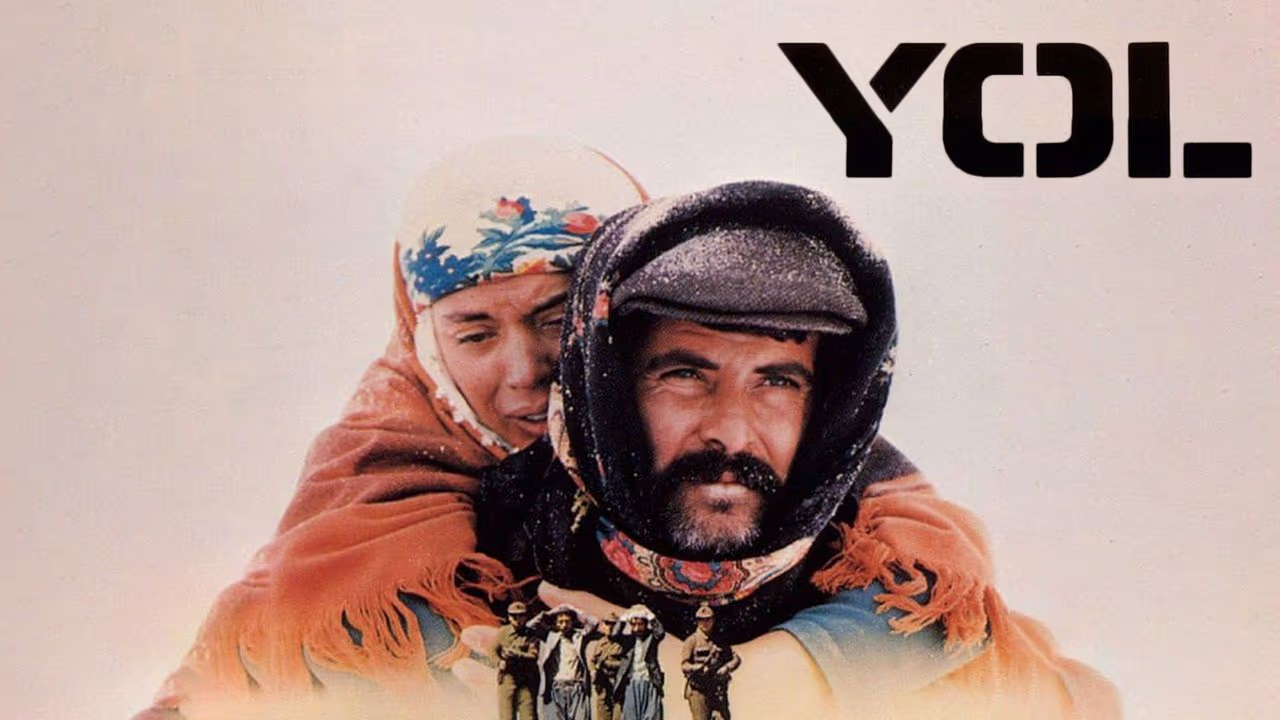
Unveiling the Depths of “Yol” (The Road)

iqsafe.info – “Yol,” also known as “The Road,” is a highly acclaimed 1982 Turkish film directed by Şerif Gören and written by Yılmaz Güney. The film is a poignant exploration of Turkish society, delving into themes of freedom, oppression, and personal struggle. It gained international recognition for its raw portrayal of the human condition and the socio-political landscape of Turkey in the early 1980s.

Plot Overview

The narrative of “Yol” follows the lives of five Kurdish prisoners who are granted a week’s leave from their incarceration. As they journey back to their homes, each character confronts personal and societal challenges that reveal the pervasive nature of oppression and injustice. The film weaves together their individual stories, depicting a society in turmoil and the struggles of everyday people against the backdrop of martial law following the 1980 Turkish coup d’état.

Themes and Symbolism

“Yol” is rich with themes that resonate with audiences worldwide. It explores the concept of freedom, not just in the physical sense, but also in terms of personal autonomy and social justice. The film’s characters grapple with their own sense of identity and belonging, often finding themselves prisoners of societal norms and expectations even outside the physical confines of a jail cell.

The road in “Yol” symbolizes the journey of life, fraught with obstacles and uncertainties. It serves as a metaphor for the characters’ quests for freedom and self-discovery amidst a repressive environment. The film also touches on issues of cultural identity, particularly the Kurdish struggle within Turkey, adding layers of complexity to its narrative.

Cultural Impact and Legacy

“Yol” was initially banned in Turkey due to its critical portrayal of the government and social issues. Despite this, it garnered international acclaim, winning the prestigious Palme d’Or at the Cannes Film Festival in 1982. The film’s impact extends beyond its cinematic achievements, as it sparked discussions on censorship, human rights, and the power of film as a medium for social change.

The legacy of “Yol” endures as a testament to the power of storytelling in challenging oppressive systems and highlighting the universal quest for freedom and justice. It remains a significant work in world cinema, celebrated for its bold narrative and its profound exploration of the human spirit.

Conclusion

“Yol” is more than just a film; it is a powerful commentary on society and the enduring human struggle for freedom. Its compelling narrative and rich thematic content continue to resonate with audiences, making it a timeless classic in the realm of international cinema.