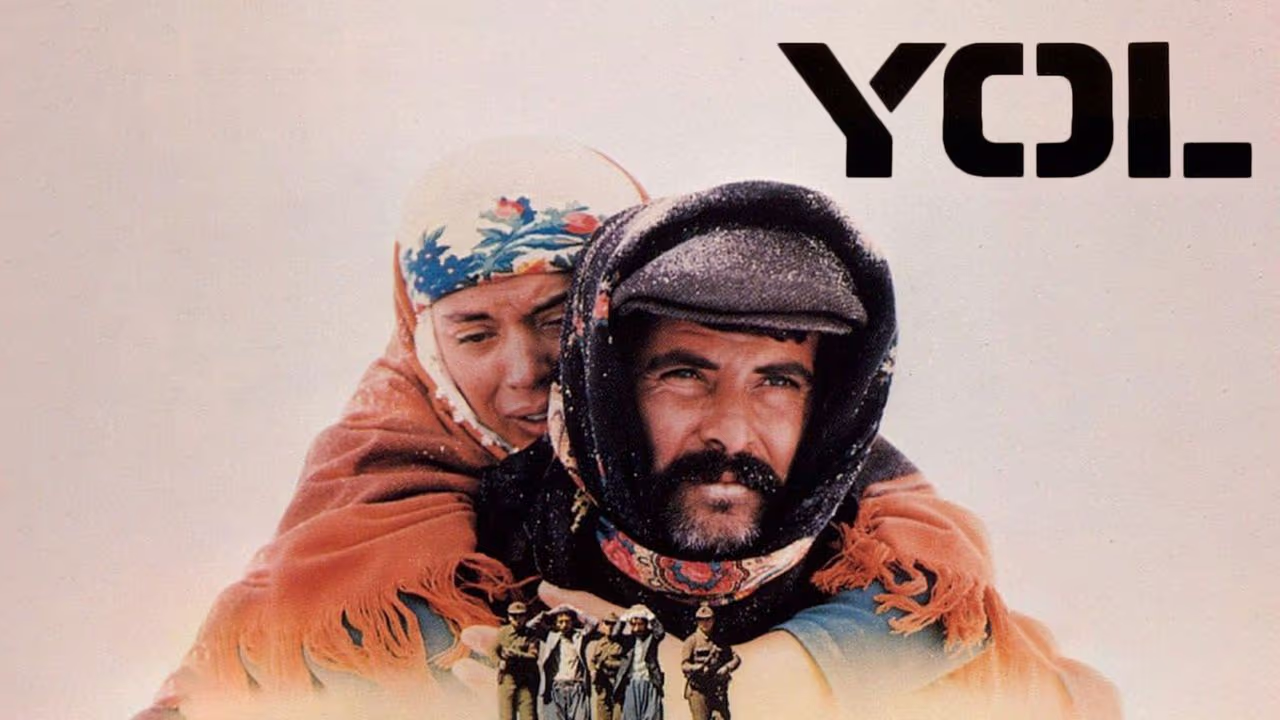
Unveiling the Depths of “Yol” (The Road)

iqsafe.info – “Yol,” also known as “The Road,” is a highly acclaimed 1982 Turkish film directed by Şerif Gören and written by Yılmaz Güney. The film is a poignant exploration of Turkish society, delving into themes of freedom, oppression, and personal struggle. It gained international recognition for its raw portrayal of the human condition and the socio-political landscape of Turkey in the early 1980s.

Plot Overview

The narrative of “Yol” follows the lives of five Kurdish prisoners who are granted a week’s leave from their incarceration. As they journey back to their homes, each character confronts personal and societal challenges that reveal the pervasive nature of oppression and injustice. The film weaves together their individual stories, depicting a society in turmoil and the struggles of everyday people against the backdrop of martial law following the 1980 Turkish coup d’état.

Themes and Symbolism

“Yol” is rich with themes that resonate with audiences worldwide. It explores the concept of freedom, not just in the physical sense, but also in terms of personal autonomy and social justice. The film’s characters grapple with their own sense of identity and belonging, often finding themselves prisoners of societal norms and expectations even outside the physical confines of a jail cell.

The road in “Yol” symbolizes the journey of life, fraught with obstacles and uncertainties. It serves as a metaphor for the characters’ quests for freedom and self-discovery amidst a repressive environment. The film also touches on issues of cultural identity, particularly the Kurdish struggle within Turkey, adding layers of complexity to its narrative.

Cultural Impact and Legacy

“Yol” was initially banned in Turkey due to its critical portrayal of the government and social issues. Despite this, it garnered international acclaim, winning the prestigious Palme d’Or at the Cannes Film Festival in 1982. The film’s impact extends beyond its cinematic achievements, as it sparked discussions on censorship, human rights, and the power of film as a medium for social change.

The legacy of “Yol” endures as a testament to the power of storytelling in challenging oppressive systems and highlighting the universal quest for freedom and justice. It remains a significant work in world cinema, celebrated for its bold narrative and its profound exploration of the human spirit.

Conclusion

“Yol” is more than just a film; it is a powerful commentary on society and the enduring human struggle for freedom. Its compelling narrative and rich thematic content continue to resonate with audiences, making it a timeless classic in the realm of international cinema.

Unveiling Hobart: Tasmania’s Enchanting Capital

iqsafe.info – Hobart, the capital city of Tasmania, Australia, is a captivating blend of history, culture, and natural beauty. Nestled between the majestic Mount Wellington and the serene waters of the River Derwent, Hobart offers a unique charm that attracts visitors from all over the world. With its rich colonial heritage, vibrant arts scene, and stunning landscapes, Hobart is a destination that promises a memorable experience for every traveler.

A Journey Through History

Hobart is steeped in history, evident in its well-preserved colonial architecture and historic sites. Established in 1804, it is Australia’s second-oldest capital city. Battery Point, with its charming 19th-century cottages and narrow streets, offers a glimpse into the past. The Tasmanian Museum and Art Gallery provides fascinating insights into the region’s Aboriginal history and colonial heritage, making it a must-visit for history enthusiasts.

Art and Culture

Hobart is a thriving hub for arts and culture, with a variety of galleries, theaters, and festivals that showcase local and international talent. The Museum of Old and New Art (MONA) is a highlight, renowned for its provocative and eclectic collection. The city’s cultural calendar is packed with events, including the annual Dark Mofo festival, which celebrates the winter solstice with unique art installations and performances.

Natural Wonders

Surrounded by natural beauty, Hobart offers numerous outdoor activities for nature lovers. Mount Wellington provides a stunning backdrop and is a popular spot for hiking, offering panoramic views of the city and beyond. The Royal Tasmanian Botanical Gardens feature diverse plant species and beautifully landscaped gardens, perfect for a leisurely stroll. Just a short drive from the city, the Tasman Peninsula and Port Arthur Historic Site offer breathtaking scenery and fascinating history.

Culinary Delights

Hobart’s culinary scene is a reflection of its rich natural resources and commitment to fresh, local produce. The city’s waterfront is dotted with seafood restaurants and markets, where visitors can savor freshly caught fish and oysters. Salamanca Market, held every Saturday, is a feast for the senses, offering a variety of gourmet foods, artisanal products, and local crafts. From cozy cafes to fine dining establishments, Hobart caters to all tastes.

Conclusion

Hobart is a city that seamlessly blends the past with the present, offering a rich tapestry of experiences for visitors. Whether you’re exploring its historic streets, indulging in its culinary delights, or immersing yourself in its vibrant arts scene, Hobart captivates with its unique charm and warm hospitality. As a gateway to the natural wonders of Tasmania, Hobart is a destination that promises adventure, discovery, and unforgettable memories.