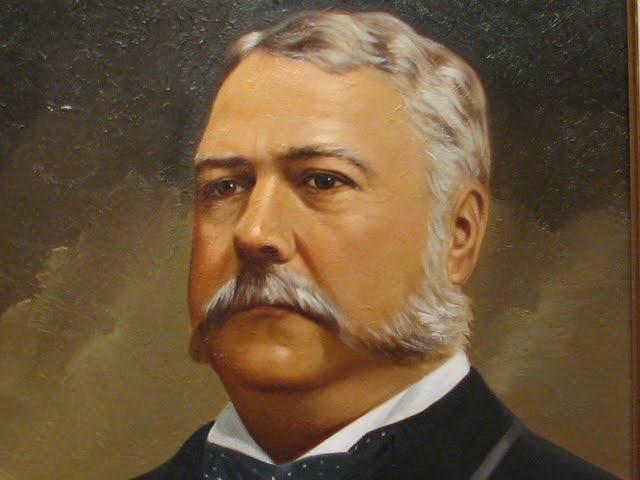
Chester A. Arthur: New York’s Political Boss Turned President

iqsafe.info – Chester A. Arthur, the 21st president of the United States, is often remembered as an enigmatic figure in American political history. His presidency, which lasted from 1881 to 1885, has often been overshadowed by his rise to power, his unexpected transformation from a product of political patronage to a proponent of civil service reform, and the relatively brief duration of his time in office. Yet, Arthur’s journey from a New York political boss to the White House is an essential chapter in the history of the Gilded Age, offering a fascinating look into the intersection of politics, power, and reform in late 19th-century America.

From his early career as a key figure in New York’s political machine to his presidency, Arthur’s political trajectory was shaped by both ambition and circumstance. Known for his connections to the powerful Republican boss Roscoe Conkling and his leadership of the Stalwart faction, Arthur’s path to the presidency seemed all but certain to follow the corrupt political practices of the era. However, his tenure as president would prove to be much more complex, marked by his surprising departure from his early associations with patronage and his eventual embrace of civil service reform.

This article explores how Chester A. Arthur’s rise from political boss to president is not just a story of ambition but also one of political transformation, showcasing his contributions to American governance, his surprising reform efforts, and the legacy he left behind.

Early Life and Career: From the Backwoods to New York City

Humble Beginnings and Education

Born on October 5, 1829, in Fairfield, Vermont, Chester Alan Arthur was the son of William Arthur, a Baptist minister, and Malvina Stone Arthur. His family moved several times during his youth, and although they were not wealthy, they valued education highly. Arthur excelled academically, and after completing his education in local schools, he attended Union College in Schenectady, New York. It was at Union College that Arthur’s ambition began to take shape.

He graduated in 1848, near the top of his class, and entered the legal profession. After briefly working in Vermont, he moved to New York City, where he established a law practice. By the late 1850s, Arthur had become a successful lawyer, known for his sharp legal mind and ability to navigate the complexities of law. However, his political ambitions would soon lead him down a different path.

Political Connections and Rise to Power

In the 1850s and 1860s, New York politics was dominated by powerful political machines, particularly those led by men like William “Boss” Tweed and Roscoe Conkling. These political machines wielded significant power in the state, controlling everything from elections to government appointments. Although not initially a product of the machine, Arthur’s career would soon become entwined with the Stalwarts, the faction of the Republican Party that was closely aligned with patronage politics and the spoils system.

Arthur’s rise in politics began in the late 1860s when he became involved in the political patronage system in New York City. His legal background and connections with political figures soon led to his appointment as the Collector of the Port of New York, a highly influential position within the city’s political machine. Under the patronage system, individuals in positions like this had control over lucrative government jobs, which could be distributed to loyal political supporters. Arthur, though known for his competence, was also linked to corruption within the system, a relationship that would define his early career.

As the Collector of the Port of New York, Arthur helped build the political machine controlled by Roscoe Conkling, the powerful Republican senator who dominated New York politics at the time. Arthur became a loyal ally to Conkling, and his position as head of the port allowed him to reward political supporters with government positions, which cemented his place as a key figure in the New York political machine.

Arthur’s Path to the Vice Presidency

The Republican National Convention of 1880

By 1880, Chester A. Arthur’s political star was on the rise, but few people anticipated that he would ascend to the White House. In the Republican National Convention that year, there was significant division between two factions of the party—the Stalwarts, led by Conkling, and the Half-Breeds, a more moderate faction of Republicans. The convention deadlocked, and no candidate emerged as a clear victor. In a surprising turn of events, Arthur was chosen as the vice-presidential candidate to balance the ticket with the more moderate candidate, James A. Garfield, who had emerged as the presidential nominee.

Arthur’s selection as vice president was largely a result of political maneuvering by Conkling, who believed that Arthur’s loyalty to the Stalwarts would solidify their faction’s influence. Garfield, on the other hand, was seen as a compromise candidate who could bridge the divide between the Stalwarts and the more moderate Republicans. However, the decision to place Arthur on the ticket was viewed by many as an effort to placate the Stalwarts and secure their votes in the election.

Although Arthur was not expected to play a significant role in Garfield’s administration, fate had other plans.

Garfield’s Assassination

In July 1881, just months after taking office, President James A. Garfield was shot by an assassin named Charles Guiteau. Garfield succumbed to his wounds in September of the same year, and Arthur, as vice president, assumed the presidency. His unexpected rise to the highest office in the land surprised many, particularly those who viewed him as little more than a product of the political machine. Given his past connections to corruption and the spoils system, Arthur’s ascension was met with skepticism. Critics feared that his presidency would merely continue the political patronage practices of his predecessors, particularly Conkling’s Stalwarts.

However, what followed was far more complicated than anyone could have predicted.

Arthur’s Presidency: A Surprising Transformation

A New Political Philosophy

Chester A. Arthur’s presidency marked a surprising shift in his political beliefs and actions. Upon taking office, he initially appeared to continue the policies of the Stalwart faction, maintaining many of the traditional patronage practices that had defined his career. However, it soon became clear that Arthur was far more politically astute than many had given him credit for. He was keenly aware of the growing public outcry against the corruption of the spoils system, and he understood the need to address the demands for reform.

One of Arthur’s most significant actions as president was his embrace of civil service reform, a move that would surprise both his supporters and detractors. During his time as vice president, Arthur had been a staunch defender of the patronage system, but his attitude began to change as he assumed office. Recognizing the importance of reforming government practices to increase efficiency and eliminate corruption, Arthur threw his support behind the Pendleton Civil Service Reform Act.

The Pendleton Civil Service Reform Act of 1883

The Pendleton Act, signed into law by Arthur in 1883, was one of the most significant pieces of legislation in the history of the U.S. federal government. The law created the Civil Service Commission, which oversaw the implementation of a merit-based system for hiring federal employees. Under the new system, government jobs would no longer be awarded based on political loyalty but rather on qualifications and examination results. This landmark reform represented a break from the political patronage system that had long dominated American politics.

Arthur’s support for the Pendleton Act marked a dramatic departure from his earlier career as a political boss and reinforced his image as a president who was willing to challenge the entrenched political system in the name of good governance. The passage of the Pendleton Act is often viewed as the defining achievement of Arthur’s presidency and is considered one of the most important steps toward professionalizing the federal bureaucracy.

Other Notable Achievements

Beyond civil service reform, Arthur’s presidency saw several other key accomplishments that contributed to the modernization of the United States. One of the most significant of these was the modernization of the U.S. Navy. Arthur recognized the growing importance of naval power for projecting American influence abroad and protecting national interests. Under his leadership, the U.S. began to invest in new technologies, including steel-hulled ships, which laid the foundation for the expansion of the Navy in the coming decades.

Arthur’s administration also oversaw the passage of important tariff reforms, the completion of the first transcontinental railroad, and improvements in the U.S. infrastructure. Despite the challenges he faced in office, Arthur’s leadership helped stabilize the government and set the stage for the changes that would occur in the late 19th and early 20th centuries.

Legacy and Reputation: A Political Boss Who Became a Reformer

Chester A. Arthur’s legacy is one of surprising transformation. Though he began his political career as a product of the patronage-driven political machine of New York, he ultimately became a champion of reform. His embrace of civil service reform, his efforts to modernize the U.S. military, and his focus on improving the efficiency of government laid the groundwork for the future development of the U.S. federal system.

In recent years, historians have reassessed Arthur’s presidency, recognizing him as a man who rose above the expectations of his political background. While he may never have been the most charismatic or high-profile president, his pragmatic approach to governance and his willingness to break from his past associations have earned him a more favorable position in the annals of American history. Today, Arthur is remembered not just as a political boss turned president but as a man who, against all odds, worked to reshape the U.S. government for the better.

Conclusion: Chester A. Arthur’s Unlikely Presidency

Chester A. Arthur’s journey from political boss to president is a testament to the complexities of American politics in the Gilded Age. His rise from New York’s political machine to the presidency seemed improbable, and his early career was steeped in the very corruption he would later work to eradicate. However, Arthur’s unexpected embrace of reform, particularly in the form of the Pendleton Civil Service Reform Act, reshaped his legacy and earned him a place in the history of American governance.

Arthur’s presidency serves as a reminder that even those who begin their careers in the most corrupt systems can change, adapt, and leave behind a legacy that reflects progress and reform. His transformation from New York’s political boss to a reform-minded president marks one of the most remarkable political evolutions in American history, and his contributions to the development of the U.S. government continue to be felt today.
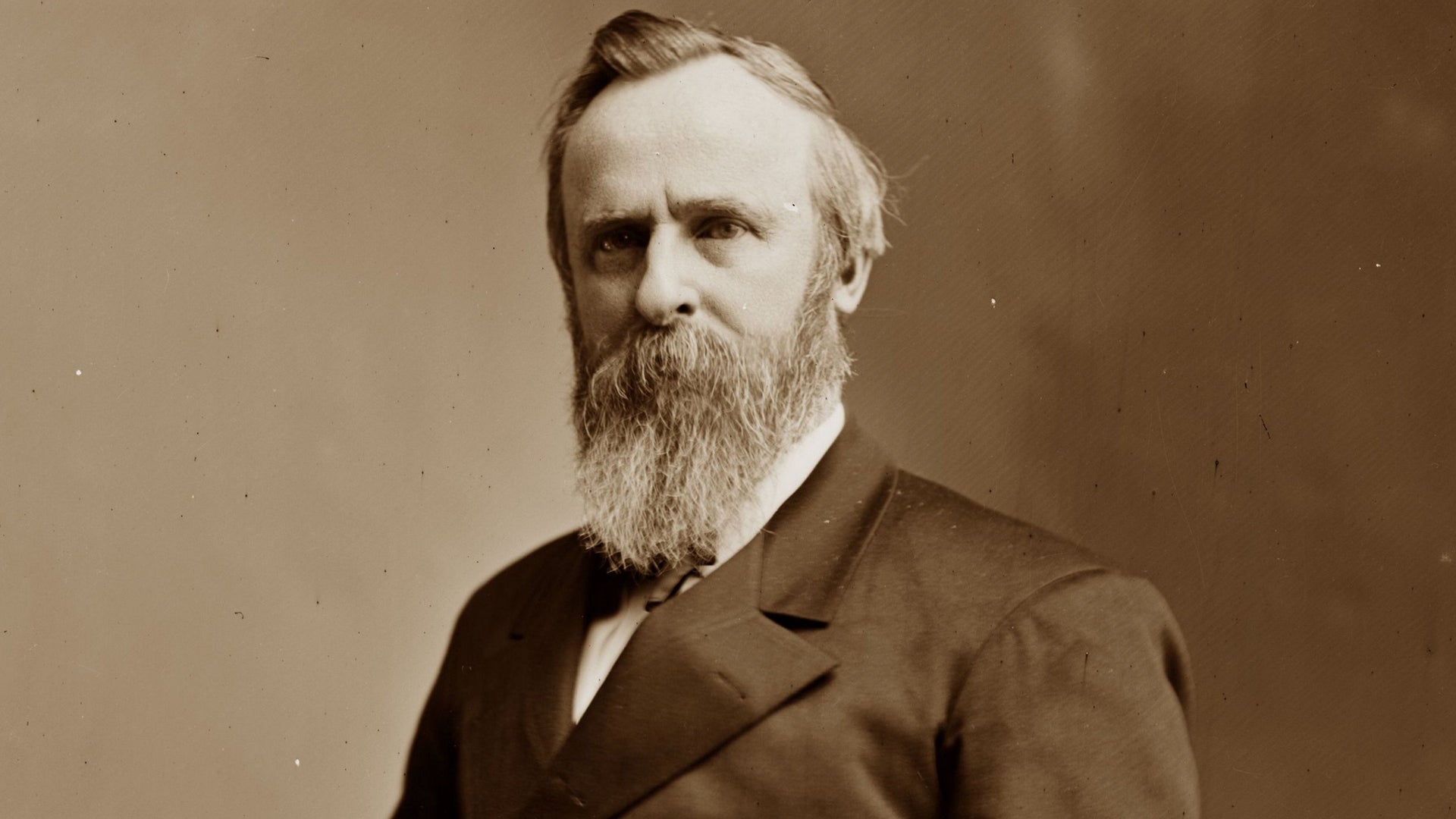
Rutherford B. Hayes: A President Who Restored the Union

iqsafe.info – Rutherford B. Hayes, the 19th President of the United States, often stands as a somewhat overlooked figure in American history. However, his presidency—though marked by controversies and challenges—represented a crucial turning point in the nation’s recovery from the Civil War and the Reconstruction era. Hayes is often hailed for his leadership during a time of national reconciliation and for his significant role in restoring the Union after a turbulent period. This article explores Rutherford B. Hayes’ life, his presidency, and the ways in which he worked to heal the divisions left by the Civil War.

Early Life and Career: Shaped by War and Law

A Humble Beginning

Rutherford Birchard Hayes was born on October 4, 1822, in Delaware, Ohio, into a family of modest means. His father, Rutherford Hayes Sr., died before Hayes was born, leaving his mother, Sophia, to raise him and his two siblings. Despite their financial hardships, Hayes’ mother was determined to provide her children with a good education, and Rutherford excelled in his studies. He attended Kenyon College in Ohio, where he graduated in 1842, and went on to study law at Harvard Law School.

Hayes passed the bar in 1845, establishing a successful legal career in Ohio. His practice focused on civil and criminal law, and he quickly became known for his intellect, honesty, and dedication. His early years in law were also marked by a deepening commitment to social justice and the abolition of slavery, which would later define his political career.

Military Service and Civil War Leadership

When the Civil War broke out in 1861, Hayes was eager to serve his country. He enlisted as a major in the 23rd Ohio Volunteer Infantry and rose quickly through the ranks due to his leadership abilities. He was promoted to lieutenant colonel, then colonel, and ultimately to brevet major general by the war’s end in 1865. Hayes distinguished himself in battle, participating in significant engagements, including the battles of South Mountain, Antietam, and the Siege of Petersburg.

Hayes was wounded several times during the war, but his courage and strategic leadership earned him admiration from his peers and subordinates. His service in the war was a defining aspect of his life and would later influence his policies as president, especially in regard to national unity and the treatment of veterans.

Political Rise: Governor and Advocate for Reform

Governorship of Ohio

After the war, Rutherford B. Hayes returned to Ohio and resumed his legal career. However, his experiences during the war and his desire to see the nation healed led him into politics. In 1867, Hayes was elected governor of Ohio, where he served three non-consecutive terms. As governor, Hayes was known for his progressive views on civil rights, education, and the treatment of African Americans in the post-war period.

Hayes strongly supported the abolition of slavery and worked to advance the rights of freedmen in the South. He believed that the federal government had a responsibility to ensure equality for all citizens, regardless of race, and he was an advocate for equal educational opportunities, especially for African Americans.

One of his most notable accomplishments as governor was his successful effort to improve the Ohio public school system. He implemented educational reforms that helped to expand access to schooling for the state’s children, including the establishment of a state board of education.

National Politics: A Path to the White House

Hayes’ reputation as a principled leader and advocate for reform earned him national attention. His political career culminated in his election as president in 1876, though it was a journey fraught with challenges.

The 1876 presidential election was one of the most contentious in American history. Hayes, a Republican, faced off against Democratic candidate Samuel J. Tilden in a fiercely contested race. Tilden won the popular vote by a significant margin, but the election results were disputed in several Southern states, where both parties claimed victory. The election became a constitutional crisis, and the outcome remained uncertain for months.

In what became known as the Compromise of 1877, Hayes was declared the winner of the election after a series of backdoor negotiations between Republican and Democratic leaders. In exchange for Hayes’ victory, Republicans agreed to withdraw federal troops from the South, effectively ending Reconstruction. While this compromise allowed Hayes to assume the presidency, it had profound implications for the future of African American civil rights in the South, as the withdrawal of federal troops led to the resurgence of white supremacist rule in many Southern states.

The Presidency of Rutherford B. Hayes: Restoring the Union

Ending Reconstruction and Promoting National Reconciliation

The Compromise of 1877, which was instrumental in Hayes’ path to the White House, marked the end of the Reconstruction era. Hayes’ decision to withdraw federal troops from the South was a significant turning point in American history, as it effectively ended the federal government’s efforts to protect the civil rights of African Americans in the Southern states. While this decision has been criticized by some historians as a betrayal of Reconstruction’s promises, it also represented Hayes’ commitment to national reconciliation and healing the wounds of the Civil War.

At the time of his election, the nation was still deeply divided, and Hayes recognized that healing the rift between the North and South would require compromise. His presidency sought to restore the Union by fostering cooperation between former enemies and reestablishing a sense of national unity. Although the withdrawal of troops allowed Southern states to regain control of their governments, Hayes remained committed to the idea of a unified nation.

Civil Service Reform

One of the most enduring legacies of Hayes’ presidency was his commitment to civil service reform. At the time, the federal government was rife with corruption, and political patronage was widespread. Politicians often appointed friends and allies to government positions, regardless of their qualifications. Hayes believed that government jobs should be awarded based on merit rather than political connections.

In 1877, Hayes took bold steps to reform the patronage system by issuing an executive order that prohibited political appointees from contributing to political campaigns. He also called for the creation of a merit-based civil service system, and his advocacy for reform eventually laid the groundwork for the Pendleton Civil Service Reform Act of 1883, which established a more professional and impartial federal workforce.

Economic Recovery and the End of Reconstruction

Hayes faced a series of economic challenges during his presidency. The nation was still recovering from the effects of the Civil War and Reconstruction, and economic instability persisted. The Panic of 1873, a severe depression, had left many businesses struggling, and unemployment was high.

While Hayes did not have the political support to enact major economic reforms, he worked to restore confidence in the American economy. He was a strong advocate for the gold standard and worked to stabilize the nation’s currency. He also supported the development of infrastructure, particularly railroads, as a means of spurring economic growth.

Despite these efforts, Hayes’ presidency is most often remembered for its focus on restoring the Union and promoting national healing after the Civil War. His decision to pull federal troops from the South, while controversial, allowed the country to begin moving past the divisions of Reconstruction and set the stage for the next chapter in American history.

The Legacy of Rutherford B. Hayes

Rutherford B. Hayes left office in 1881 after serving a single term. His decision not to seek re-election was in keeping with his desire to promote stability and avoid the kind of political strife that had marked the previous decade. Hayes retreated to his home in Ohio, where he remained active in public life and continued to advocate for education, civil rights, and veterans’ issues.

Though his presidency was relatively brief and his achievements were sometimes overshadowed by the controversies of his election and the Compromise of 1877, Hayes’ legacy as a leader who worked to restore the Union is significant. He demonstrated a commitment to national reconciliation, civil service reform, and the idea of a unified country after the Civil War.

His presidency was a critical period in American history, one that helped to mend the wounds of a nation torn apart by conflict and set the stage for the economic and political changes that would define the late 19th century.

Conclusion

Rutherford B. Hayes may not be remembered as one of the most transformative presidents in U.S. history, but his leadership during a crucial period of American recovery and healing remains invaluable. His efforts to restore the Union, end Reconstruction, and reform the civil service were all aimed at creating a more unified, stable, and prosperous nation. In many ways, Hayes’ presidency represents the difficult but essential work of post-war reconciliation, and his commitment to the Union helped steer the nation toward a more peaceful and stable future.

James Buchanan: A President Out of Step with History

iqsafe.info – James Buchanan, the 15th President of the United States, remains one of the most controversial figures in American history. Serving from 1857 to 1861, Buchanan’s time in office occurred during one of the nation’s most volatile periods. His presidency marked the eve of the Civil War, a time when the United States was torn apart by issues of slavery, states’ rights, and territorial expansion. Buchanan’s legacy, however, is largely defined by his failure to address the mounting sectional tensions that would eventually lead to the collapse of the Union.

Buchanan has often been described as a president out of step with the political, social, and moral currents of his time. His indecisive leadership, rooted in his unwavering belief in the Constitution and states’ rights, left the nation on the brink of destruction. While some have pointed to his political experience and diplomatic achievements as strengths, his inability to adapt to the changing political landscape of 19th-century America makes him a figure often remembered for missed opportunities and ill-timed compromises.

This article explores how James Buchanan’s presidency was out of step with the forces of history. It examines the political climate during his time in office, his leadership style, and the decisions that led to his failure to prevent the Union’s unraveling. Ultimately, Buchanan’s inability to recognize the urgency of the nation’s problems and his failure to take decisive action during a critical period marked him as a president who, rather than guiding the country through its crisis, contributed to its inevitable downfall.

A Nation Divided: The Context of Buchanan’s Presidency

When James Buchanan took office in 1857, the United States was already a divided nation. The question of slavery was at the center of nearly every political debate. The expansion of slavery into new territories was the driving issue, as the North and South increasingly found themselves at odds. The Compromise of 1850, which had sought to address these tensions, had failed to produce lasting peace. The passage of the Kansas-Nebraska Act in 1854, which allowed settlers in the western territories to decide the issue of slavery through popular sovereignty, only exacerbated the problem, leading to violent clashes in Kansas, known as Bleeding Kansas.

Buchanan, a lifelong supporter of states’ rights and an advocate for the preservation of the Union, entered the White House with the belief that he could maintain the status quo. However, the political, social, and economic changes that were occurring in the United States demanded a stronger, more dynamic leadership—qualities that Buchanan lacked. His failure to understand the gravity of the situation and his insistence on appeasing both Northern and Southern factions ultimately left the nation on the brink of collapse.

Buchanan’s Leadership Style: A Man of Principle but Poor Judgment

James Buchanan’s leadership style was shaped by his long career in public service. A seasoned diplomat, Buchanan served as the U.S. Minister to the United Kingdom and had a wealth of experience in foreign affairs. He was known for his strong belief in the Constitution and his commitment to upholding what he saw as the fundamental principles of American democracy. However, these same convictions, when applied to the domestic political crisis he faced as president, proved to be his undoing.

Buchanan’s unwavering commitment to the Constitution led him to believe that the federal government had limited power to intervene in the issues facing the nation. His strict interpretation of states’ rights left him unwilling to take strong action in response to the growing sectionalism and the escalating conflict between North and South. For example, he believed that the federal government could not prevent the expansion of slavery into new territories because the Supreme Court had ruled that the Missouri Compromise was unconstitutional in the Dred Scott decision. Buchanan, who supported the Court’s ruling, saw it as a definitive solution to the slavery question. However, rather than healing the nation, the decision only deepened the divide.

Buchanan’s inability to adapt to the changing political climate and his reluctance to confront the moral and practical realities of slavery made him an ineffective president at a time when strong, decisive leadership was needed. While he prided himself on his political acumen, his refusal to take bold action during a national crisis rendered him largely irrelevant in the face of mounting challenges.

The Dred Scott Decision: A Misguided Attempt at Resolution

One of the most significant events during Buchanan’s presidency was the Dred Scott v. Sanford decision in 1857. The case involved Dred Scott, an enslaved man who sued for his freedom after living in free territories with his master. The Supreme Court, in a 7-2 decision, ruled that African Americans, whether free or enslaved, could not be citizens of the United States and that Congress had no authority to prohibit slavery in the territories.

Buchanan strongly supported the decision, believing it would end the controversy over slavery and restore peace between North and South. However, the decision had the opposite effect. The ruling enraged abolitionists and anti-slavery advocates in the North, who saw it as a betrayal of the principles of freedom and equality. The decision further entrenched the divisions between North and South and led to greater polarization across the country.

Buchanan’s endorsement of the Dred Scott decision has been one of the most criticized aspects of his presidency. Rather than offering a path to reconciliation, Buchanan’s support for the decision only fueled the fire of division. By aligning himself so closely with the Supreme Court’s ruling, Buchanan alienated much of the Northern population and drove a wedge between himself and the growing abolitionist movement. In this sense, Buchanan’s leadership was out of step with the social and moral currents of his time, as the North increasingly viewed slavery as a moral issue that needed to be confronted head-on.

The Kansas Crisis: A Failure of Popular Sovereignty

Another significant failure of Buchanan’s presidency was his handling of the crisis in Kansas. The Kansas-Nebraska Act of 1854 had opened up the possibility of slavery in the western territories, allowing settlers to decide the issue through popular sovereignty. This provision led to violent confrontations between pro-slavery and anti-slavery settlers in Kansas, a conflict known as Bleeding Kansas.

When Buchanan took office, the violence in Kansas had already escalated, and the territory was in turmoil. Buchanan, adhering to his belief in popular sovereignty, attempted to resolve the situation by supporting the pro-slavery Lecompton Constitution, which would have allowed Kansas to enter the Union as a slave state. Buchanan’s support for the Lecompton Constitution was seen as an effort to appease the South, but it was met with strong opposition from Northern Democrats, who felt that the process had been undemocratic and unfair.

The Lecompton Constitution was ultimately rejected by Congress, and Kansas remained a battleground for pro-slavery and anti-slavery forces. Buchanan’s failure to address the situation in a way that satisfied both factions demonstrated his inability to effectively manage the growing sectional tensions. The issue of slavery in the territories, which had been at the heart of the crisis in Kansas, continued to fester under Buchanan’s leadership, further highlighting his failure to unite the nation.

The Secession Crisis: A Nation on the Brink

By the time Buchanan’s term was nearing its end in 1861, the country was on the brink of disunion. The election of Abraham Lincoln in 1860, a candidate who opposed the expansion of slavery into the territories, served as the final catalyst for the Southern states to secede from the Union. South Carolina was the first state to secede, followed by six other Southern states, who formed the Confederate States of America.

Buchanan’s response to the secession crisis was one of indecision and inaction. Although he declared that secession was illegal, he also believed that the federal government had no constitutional authority to compel states to remain in the Union. Buchanan’s refusal to take a strong stand against secession allowed the Confederacy to establish itself and set the stage for the Civil War.

Rather than confronting the crisis head-on, Buchanan sought to avoid conflict by relying on diplomatic negotiations and constitutional interpretations. His belief in the sanctity of states’ rights and his commitment to a limited federal government led him to fail to take the necessary steps to prevent the Union’s collapse. His inaction during the secession crisis ultimately left the task of preserving the Union to Abraham Lincoln, who would take office in March 1861 and immediately face the challenge of holding the nation together.

Buchanan’s Legacy: A President Out of Step with History

James Buchanan’s presidency is often viewed as a failure, not only because of his inability to prevent the Civil War but also because his leadership was woefully out of step with the historical forces of his time. The growing sectional divide, the moral question of slavery, and the need for strong leadership were issues that Buchanan was unable or unwilling to confront.

Buchanan’s strict adherence to constitutionalism and states’ rights made him incapable of taking decisive action when it was most needed. His belief in compromise, while admirable in some contexts, only served to delay the inevitable and allow the divisions within the country to deepen. Buchanan’s failure to adapt to the shifting political, social, and moral landscape left him unable to unify a nation teetering on the brink of war.

In the end, James Buchanan’s presidency is a cautionary tale of what happens when a leader is too rigid in his beliefs and too passive in the face of a national crisis. His time in office marks the tragic moment when the United States, under his leadership, moved inexorably toward the Civil War. As the last president before Abraham Lincoln, Buchanan failed to rise to the challenges of his time, leaving his successor to face the consequences of his inaction. His legacy is that of a president who was out of step with history—a man whose inability to act in a time of great national peril ensured the nation’s painful descent into conflict.