
Mr. Peabody & Sherman (2014) – Wit, Heart, and History

iqsafe.info – Mr. Peabody & Sherman (2014) is an animated science-fiction comedy film produced by DreamWorks Animation and directed by Rob Minkoff. Based on the classic Peabody’s Improbable History segments from The Rocky and Bullwinkle Show, the film offers a contemporary reimagining of the beloved characters, Mr. Peabody, a genius dog, and his human-adopted son, Sherman. The film blends humor, history, and heart, delivering an adventurous story of time travel that takes viewers on a thrilling ride through history’s most significant moments. With stunning animation, a star-studded voice cast, and a heartfelt message about family and acceptance, Mr. Peabody & Sherman has captured the hearts of audiences around the world.

At its core, the film is about the relationship between an incredibly intelligent dog, Mr. Peabody, and his young son, Sherman. As the two embark on an accidental time-traveling journey, they encounter iconic figures from history, face challenges, and learn valuable lessons about love, family, and the importance of being true to oneself.

Plot Summary: A Witty and Heartwarming Time-Travel Adventure

The story begins in modern-day New York City, where Mr. Peabody (voiced by Ty Burrell), an exceptionally intelligent and cultured dog, lives a life of luxury and accomplishment. Mr. Peabody holds numerous patents, has won prestigious awards, and is considered a historical figure in his own right. However, despite his remarkable achievements, he faces skepticism and prejudice from society due to his being a dog. Undeterred by the criticisms, Mr. Peabody pours his energy into creating innovative inventions, with the most important one being the WABAC, a time machine that allows him to travel to different points in history.

After adopting a human boy named Sherman (voiced by Max Charles), who is eager to learn but sometimes gets into trouble, Mr. Peabody begins raising him with the same discipline and high expectations that he applies to his own life. The bond between father and son is unique, with Mr. Peabody taking a proactive approach in providing Sherman with an education that spans beyond the classroom walls. He teaches Sherman about history and culture through thrilling adventures in the WABAC, offering Sherman a chance to interact with historical figures and events firsthand.

However, Sherman’s life takes a turn when he brings his new classmate, Penny Peterson (voiced by Ariel Winter), over to their home. Penny, a smart and curious girl, is skeptical of Mr. Peabody’s abilities and openly questions the unconventional nature of Sherman’s family. In an attempt to impress Penny and avoid further humiliation, Sherman takes Penny for a ride in the WABAC, causing the time machine to malfunction and sending them both back in time to the ancient past.

As Mr. Peabody discovers that his son and Penny have accidentally altered history by interacting with iconic figures such as Cleopatra, Leonardo da Vinci, and King Arthur, he must embark on a dangerous mission to fix the timeline and restore history before it’s too late. Along the way, Mr. Peabody and Sherman work together to prevent catastrophic events from unfolding, all while strengthening their father-son bond. The film takes viewers on a whirlwind journey through history, combining exciting action sequences with witty humor and touching moments.

Mr. Peabody’s Role as a Father

One of the central themes of Mr. Peabody & Sherman is the father-son relationship between Mr. Peabody and Sherman. As an extraordinary dog who has accomplished great feats in life, Mr. Peabody’s most significant role is that of a father. The film explores his unique approach to parenting, focusing on the challenges he faces as a non-human raising a human child. Mr. Peabody is determined to provide Sherman with the best education, but his high expectations and unconventional methods sometimes lead to tension between the two.

Mr. Peabody’s intelligence and desire to offer Sherman the best opportunities often clash with the fact that Sherman is still a young boy, learning about the world and developing his own personality. The tension between their different perspectives becomes more apparent as Sherman grows older and begins to question his place in the world. Mr. Peabody’s overprotectiveness is revealed when Sherman makes a mistake, taking Penny on an unapproved trip in the WABAC, which leads to the disruption of historical events. The father-son dynamic, while strained at times, is ultimately rooted in love and a desire for Sherman to understand the world in the best way possible.

Through their adventures in time, Mr. Peabody learns to let go of his perfectionist tendencies and trust his son’s instincts. Sherman, in turn, learns valuable lessons about courage, responsibility, and what it means to be part of a family—whether by blood or by choice.

Penny Peterson and the Role of Friendship

Another essential element in the movie is the relationship between Sherman and Penny Peterson. Penny is introduced as Sherman’s classmate, a confident and assertive girl who quickly becomes his friend, though their relationship is tested when they both travel through time. Penny represents the opposite of Sherman in many ways—she is outgoing and determined, while Sherman is more reserved and eager to please.

Throughout the movie, Penny and Sherman’s friendship grows stronger, despite the rocky start and the chaotic time-traveling mishaps. Penny initially mocks Sherman for having an unusual family dynamic, but as the adventure progresses, she comes to appreciate Mr. Peabody and Sherman’s bond. Penny’s character also highlights the importance of overcoming prejudices and learning to accept others for who they are, no matter their differences.

Penny’s bravery and determination shine through during their time-traveling escapades. She becomes an integral part of the team as the group works together to fix the time continuum and prevent history from being altered permanently. Through their shared adventure, Penny and Sherman grow closer, realizing the strength of their friendship and the value of having each other’s back.

Time Travel and Historical Lessons: A Fun Way to Learn History

The most exciting aspect of Mr. Peabody & Sherman is the WABAC machine and its ability to transport the characters through time, allowing viewers to experience history in a fun and interactive way. Throughout their journey, Mr. Peabody and Sherman encounter a variety of historical figures and key moments in history, including:

  • Cleopatra – The ancient Egyptian queen, who briefly falls in love with Sherman and inadvertently causes chaos in the timeline.
  • Leonardo da Vinci – The Renaissance genius, who lends his artistic and inventive talents to the group while also adding humor to the story.
  • King Arthur – The legendary ruler of Camelot, whose famous sword-in-the-stone moment plays a key role in the adventure.

The film brings these historical figures and events to life in a way that is both entertaining and educational. Mr. Peabody, with his encyclopedic knowledge of history, often explains the significance of each event or person they encounter, giving Sherman—and the audience—a greater appreciation for the richness of human history. However, the film also takes liberties with historical accuracy, often introducing comedic elements to these characters and events, making them more approachable for younger audiences.

By blending historical education with whimsical time-traveling fun, Mr. Peabody & Sherman creates a balance between humor and learning. It sparks curiosity about history while encouraging children to ask questions and explore the past in more depth.

Animation, Visuals, and Humor: A Family-Friendly Experience

Mr. Peabody & Sherman boasts stunning animation, with vibrant colors, dynamic action sequences, and creative character designs. The character of Mr. Peabody is particularly well-designed, capturing the elegance and sophistication of the highly intelligent dog, while also highlighting his humorous and endearing qualities. Sherman, with his youthful energy and sense of adventure, contrasts with Mr. Peabody’s calm demeanor, creating a visually striking dynamic between the two.

The visual effects during the time-travel sequences are dazzling, with the WABAC machine whisking the characters through different time periods, each with its own distinct look and feel. The film’s animation is designed to be both appealing to children and visually stunning for adults, with clever details and vibrant backgrounds that keep the story exciting and engaging.

Humor is another key element of Mr. Peabody & Sherman, and the film delivers plenty of laughs. From Mr. Peabody’s witty one-liners to Sherman’s childlike humor, the film is filled with clever jokes, visual gags, and situational comedy that will entertain audiences of all ages. The film’s humor is smart and clever, with plenty of layers that allow adults to enjoy the story just as much as younger viewers.

Themes of Family, Acceptance, and Self-Discovery

At its heart, Mr. Peabody & Sherman is a film about family and acceptance. The movie explores the challenges of parenting in an unconventional family dynamic, where a dog raises a human child. It delves into the difficulties of balancing high expectations with unconditional love and the importance of allowing children to make mistakes as they grow and learn.

The film also addresses the themes of self-discovery and the importance of being true to oneself. Sherman, though adopted by a genius dog, is still trying to find his own identity and place in the world. His time-traveling adventure with Mr. Peabody forces him to step out of his comfort zone, confront his insecurities, and ultimately gain confidence in who he is.

In the end, the film conveys a powerful message about the strength of family—whether biological or adopted—and the value of supporting one another as we navigate life’s challenges. It encourages viewers to embrace differences, take risks, and learn from their experiences.

Conclusion: A Whimsical, Heartfelt Adventure

Mr. Peabody & Sherman is a fun, adventurous, and heartwarming film that blends time-traveling excitement with meaningful life lessons. Through its clever humor, captivating animation, and strong messages about family and self-acceptance, the film offers a timeless experience for viewers of all ages. Whether you’re laughing at the antics of the characters, learning about history, or reflecting on the importance of love and trust within a family, Mr. Peabody & Sherman delivers a rewarding experience that resonates long after the credits roll. The film is a reminder that, no matter who we are, we can all learn, grow, and make a difference in the world.
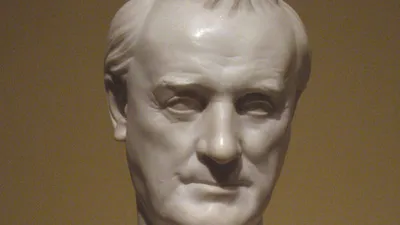

James Buchanan: A President Out of Step with History

iqsafe.info – James Buchanan, the 15th President of the United States, remains one of the most controversial figures in American history. Serving from 1857 to 1861, Buchanan’s time in office occurred during one of the nation’s most volatile periods. His presidency marked the eve of the Civil War, a time when the United States was torn apart by issues of slavery, states’ rights, and territorial expansion. Buchanan’s legacy, however, is largely defined by his failure to address the mounting sectional tensions that would eventually lead to the collapse of the Union.

Buchanan has often been described as a president out of step with the political, social, and moral currents of his time. His indecisive leadership, rooted in his unwavering belief in the Constitution and states’ rights, left the nation on the brink of destruction. While some have pointed to his political experience and diplomatic achievements as strengths, his inability to adapt to the changing political landscape of 19th-century America makes him a figure often remembered for missed opportunities and ill-timed compromises.

This article explores how James Buchanan’s presidency was out of step with the forces of history. It examines the political climate during his time in office, his leadership style, and the decisions that led to his failure to prevent the Union’s unraveling. Ultimately, Buchanan’s inability to recognize the urgency of the nation’s problems and his failure to take decisive action during a critical period marked him as a president who, rather than guiding the country through its crisis, contributed to its inevitable downfall.

A Nation Divided: The Context of Buchanan’s Presidency

When James Buchanan took office in 1857, the United States was already a divided nation. The question of slavery was at the center of nearly every political debate. The expansion of slavery into new territories was the driving issue, as the North and South increasingly found themselves at odds. The Compromise of 1850, which had sought to address these tensions, had failed to produce lasting peace. The passage of the Kansas-Nebraska Act in 1854, which allowed settlers in the western territories to decide the issue of slavery through popular sovereignty, only exacerbated the problem, leading to violent clashes in Kansas, known as Bleeding Kansas.

Buchanan, a lifelong supporter of states’ rights and an advocate for the preservation of the Union, entered the White House with the belief that he could maintain the status quo. However, the political, social, and economic changes that were occurring in the United States demanded a stronger, more dynamic leadership—qualities that Buchanan lacked. His failure to understand the gravity of the situation and his insistence on appeasing both Northern and Southern factions ultimately left the nation on the brink of collapse.

Buchanan’s Leadership Style: A Man of Principle but Poor Judgment

James Buchanan’s leadership style was shaped by his long career in public service. A seasoned diplomat, Buchanan served as the U.S. Minister to the United Kingdom and had a wealth of experience in foreign affairs. He was known for his strong belief in the Constitution and his commitment to upholding what he saw as the fundamental principles of American democracy. However, these same convictions, when applied to the domestic political crisis he faced as president, proved to be his undoing.

Buchanan’s unwavering commitment to the Constitution led him to believe that the federal government had limited power to intervene in the issues facing the nation. His strict interpretation of states’ rights left him unwilling to take strong action in response to the growing sectionalism and the escalating conflict between North and South. For example, he believed that the federal government could not prevent the expansion of slavery into new territories because the Supreme Court had ruled that the Missouri Compromise was unconstitutional in the Dred Scott decision. Buchanan, who supported the Court’s ruling, saw it as a definitive solution to the slavery question. However, rather than healing the nation, the decision only deepened the divide.

Buchanan’s inability to adapt to the changing political climate and his reluctance to confront the moral and practical realities of slavery made him an ineffective president at a time when strong, decisive leadership was needed. While he prided himself on his political acumen, his refusal to take bold action during a national crisis rendered him largely irrelevant in the face of mounting challenges.

The Dred Scott Decision: A Misguided Attempt at Resolution

One of the most significant events during Buchanan’s presidency was the Dred Scott v. Sanford decision in 1857. The case involved Dred Scott, an enslaved man who sued for his freedom after living in free territories with his master. The Supreme Court, in a 7-2 decision, ruled that African Americans, whether free or enslaved, could not be citizens of the United States and that Congress had no authority to prohibit slavery in the territories.

Buchanan strongly supported the decision, believing it would end the controversy over slavery and restore peace between North and South. However, the decision had the opposite effect. The ruling enraged abolitionists and anti-slavery advocates in the North, who saw it as a betrayal of the principles of freedom and equality. The decision further entrenched the divisions between North and South and led to greater polarization across the country.

Buchanan’s endorsement of the Dred Scott decision has been one of the most criticized aspects of his presidency. Rather than offering a path to reconciliation, Buchanan’s support for the decision only fueled the fire of division. By aligning himself so closely with the Supreme Court’s ruling, Buchanan alienated much of the Northern population and drove a wedge between himself and the growing abolitionist movement. In this sense, Buchanan’s leadership was out of step with the social and moral currents of his time, as the North increasingly viewed slavery as a moral issue that needed to be confronted head-on.

The Kansas Crisis: A Failure of Popular Sovereignty

Another significant failure of Buchanan’s presidency was his handling of the crisis in Kansas. The Kansas-Nebraska Act of 1854 had opened up the possibility of slavery in the western territories, allowing settlers to decide the issue through popular sovereignty. This provision led to violent confrontations between pro-slavery and anti-slavery settlers in Kansas, a conflict known as Bleeding Kansas.

When Buchanan took office, the violence in Kansas had already escalated, and the territory was in turmoil. Buchanan, adhering to his belief in popular sovereignty, attempted to resolve the situation by supporting the pro-slavery Lecompton Constitution, which would have allowed Kansas to enter the Union as a slave state. Buchanan’s support for the Lecompton Constitution was seen as an effort to appease the South, but it was met with strong opposition from Northern Democrats, who felt that the process had been undemocratic and unfair.

The Lecompton Constitution was ultimately rejected by Congress, and Kansas remained a battleground for pro-slavery and anti-slavery forces. Buchanan’s failure to address the situation in a way that satisfied both factions demonstrated his inability to effectively manage the growing sectional tensions. The issue of slavery in the territories, which had been at the heart of the crisis in Kansas, continued to fester under Buchanan’s leadership, further highlighting his failure to unite the nation.

The Secession Crisis: A Nation on the Brink

By the time Buchanan’s term was nearing its end in 1861, the country was on the brink of disunion. The election of Abraham Lincoln in 1860, a candidate who opposed the expansion of slavery into the territories, served as the final catalyst for the Southern states to secede from the Union. South Carolina was the first state to secede, followed by six other Southern states, who formed the Confederate States of America.

Buchanan’s response to the secession crisis was one of indecision and inaction. Although he declared that secession was illegal, he also believed that the federal government had no constitutional authority to compel states to remain in the Union. Buchanan’s refusal to take a strong stand against secession allowed the Confederacy to establish itself and set the stage for the Civil War.

Rather than confronting the crisis head-on, Buchanan sought to avoid conflict by relying on diplomatic negotiations and constitutional interpretations. His belief in the sanctity of states’ rights and his commitment to a limited federal government led him to fail to take the necessary steps to prevent the Union’s collapse. His inaction during the secession crisis ultimately left the task of preserving the Union to Abraham Lincoln, who would take office in March 1861 and immediately face the challenge of holding the nation together.

Buchanan’s Legacy: A President Out of Step with History

James Buchanan’s presidency is often viewed as a failure, not only because of his inability to prevent the Civil War but also because his leadership was woefully out of step with the historical forces of his time. The growing sectional divide, the moral question of slavery, and the need for strong leadership were issues that Buchanan was unable or unwilling to confront.

Buchanan’s strict adherence to constitutionalism and states’ rights made him incapable of taking decisive action when it was most needed. His belief in compromise, while admirable in some contexts, only served to delay the inevitable and allow the divisions within the country to deepen. Buchanan’s failure to adapt to the shifting political, social, and moral landscape left him unable to unify a nation teetering on the brink of war.

In the end, James Buchanan’s presidency is a cautionary tale of what happens when a leader is too rigid in his beliefs and too passive in the face of a national crisis. His time in office marks the tragic moment when the United States, under his leadership, moved inexorably toward the Civil War. As the last president before Abraham Lincoln, Buchanan failed to rise to the challenges of his time, leaving his successor to face the consequences of his inaction. His legacy is that of a president who was out of step with history—a man whose inability to act in a time of great national peril ensured the nation’s painful descent into conflict.

Baalbek International Festival: A Symphony of History & Music

iqsafe.info – The Baalbek International Festival is a prestigious cultural event held annually in the ancient Roman ruins of Baalbek, Lebanon. This extraordinary festival transforms the majestic archaeological site into a stage for world-class performances of classical music, opera, and dance.

A Harmonious Blend of Past and Present

The juxtaposition of ancient ruins and contemporary performances creates a unique and captivating atmosphere. The majestic columns, temples, and courtyards of Baalbek provide a stunning backdrop for the festival’s diverse program, which features renowned international artists and ensembles.

A Celebration of Classical Music

Classical music enthusiasts flock to Baalbek to witness breathtaking performances by renowned orchestras and soloists. The acoustics of the ancient site amplify the sound of the music, creating a truly immersive experience. The festival often includes performances of iconic classical pieces, such as Beethoven’s symphonies and Mozart’s operas, as well as contemporary compositions.

Opera Under the Stars

The open-air setting of Baalbek makes it the perfect venue for opera performances. The dramatic lighting and sound effects, combined with the grandeur of the ruins, enhance the theatrical experience. Opera lovers can enjoy timeless classics like “La Traviata” and “Aida” performed by world-class opera companies.

Dance Performances and Cultural Exchange

The festival also showcases the beauty and diversity of dance from around the world. Ballet, contemporary dance, and traditional folk dances are performed by talented dancers from various cultures. These performances often blend traditional and contemporary elements, creating a unique and captivating fusion of styles.

A Cultural Pilgrimage

Beyond the musical performances, the Baalbek International Festival offers visitors the opportunity to explore the rich history and cultural heritage of Lebanon. The ancient ruins of Baalbek, a UNESCO World Heritage Site, are a testament to the engineering prowess and artistic creativity of the Roman Empire. Visitors can take guided tours of the site, learning about its history and significance.

Wienerbrød: The History of Wienerbrød – A Danish Pastry Delight

iqsafe.info – Wienerbrød, a Danish term that translates to “Viennese bread,” encompasses a wide range of delectable pastries that have captured the hearts of people around the world. These flaky, buttery treats, often characterized by their rich, layered dough, are a testament to the Danish mastery of baking.

The History of Wienerbrød

The origins of Wienerbrød can be traced back to the 17th century when Austrian bakers introduced their viennoiserie techniques to Denmark. The Danish bakers quickly adopted and refined these techniques, creating their own unique style of pastries. Over time, Wienerbrød evolved into a diverse range of treats, each with its own distinct flavor and texture.

Key Types of Wienerbrød

  1. Croissants: Perhaps the most iconic of all Wienerbrød, croissants are flaky, buttery pastries that are often enjoyed with coffee or tea. Danish croissants are known for their delicate, layered structure and rich, buttery flavor.
  2. Cinnamon Rolls: These sweet rolls are made with a rich, yeast-leavened dough that is rolled out, spread with cinnamon sugar, and then rolled up and baked. Danish cinnamon rolls are often characterized by their soft, tender texture and intense cinnamon flavor.
  3. Kanelsnegle: Similar to cinnamon rolls, Kanelsnegle are a popular Danish pastry. They are typically smaller and have a more pronounced cinnamon flavor.
  4. Spandauer: These sweet buns are filled with almond paste and topped with a sugar glaze. They are often enjoyed as a morning or afternoon snack.
  5. Kringle: A large, braided pastry that is often filled with almond paste, fruit, or chocolate. Kringle is a festive treat that is often served on special occasions.

The Art of Making Wienerbrød

The key to making great Wienerbrød lies in the quality of the ingredients and the skill of the baker. The dough is typically made with high-quality butter, flour, yeast, sugar, and milk. The dough is then rolled out into thin layers, folded, and allowed to rise. This process, known as lamination, creates the flaky, layered texture that is characteristic of Wienerbrød.

A Global Phenomenon

Wienerbrød has become a global phenomenon, with bakeries around the world offering their own interpretations of these classic pastries. However, it is in Denmark where Wienerbrød truly shines. The Danes have a deep appreciation for the art of baking, and their pastries are a testament to their skill and passion.

Sauerkraut: A Tangy and Healthy Delight

iqsafe.info – Sauerkraut, a fermented cabbage dish, is a beloved staple in many cuisines, particularly in German and Eastern European cultures. Its tangy flavor, crunchy texture, and numerous health benefits have made it a popular choice for both culinary enthusiasts and health-conscious individuals.

A Brief History

The origins of sauerkraut can be traced back to ancient China, where cabbage was fermented to preserve it for the winter months. The practice spread to Europe during the Roman Empire and eventually became a popular food in Germany, where it is still widely consumed today.

The Fermentation Process

Sauerkraut is made by fermenting shredded cabbage with salt. The salt draws out the cabbage’s natural juices, creating a brine that inhibits the growth of harmful bacteria. Beneficial lactic acid bacteria, which are naturally present on the cabbage leaves, begin to ferment the sugars in the brine, producing lactic acid. This process not only preserves the cabbage but also gives it its characteristic tangy flavor and crunchy texture.

Health Benefits of Sauerkraut

Sauerkraut is not only delicious but also packed with health benefits:

  • Probiotics: The fermentation process creates probiotics, which are beneficial bacteria that promote gut health.
  • Vitamins and Minerals: Sauerkraut is a good source of vitamins C, K, and B6, as well as minerals like iron and potassium.
  • Antioxidants: The fermentation process increases the antioxidant content of sauerkraut, which can help protect cells from damage.
  • Fiber: Sauerkraut is a good source of fiber, which aids in digestion and promotes satiety.

Culinary Uses of Sauerkraut

Sauerkraut is a versatile ingredient that can be used in a variety of dishes:

  • As a Side Dish: Sauerkraut is often served as a side dish to sausages, grilled meats, and roasted pork.
  • In Soups and Stews: It can be added to soups and stews to add flavor and depth.
  • In Salads: Sauerkraut can be incorporated into salads for a tangy and crunchy twist.
  • In Sandwiches: It can be used as a topping for sandwiches, such as Reuben sandwiches.

Leyte Island: A Blend of History and Natural Beauty

iqsafe.info – Leyte Island, located in the Eastern Visayas region of the Philippines, is a captivating destination known for its historical significance, stunning landscapes, and vibrant culture. From its pivotal role in World War II to its lush natural attractions, Leyte offers a diverse array of experiences for travelers.

Geography and Climate

Leyte is part of the Visayas group of islands and is surrounded by the Leyte Gulf and the Camotes Sea. The island enjoys a tropical climate, with a distinct wet and dry season, making it a lush and fertile region ideal for agriculture and tourism.

Historical Significance

The Battle of Leyte Gulf

Leyte is perhaps best known for the Battle of Leyte Gulf, one of the largest naval battles in history, which took place during World War II. The battle marked the return of General Douglas MacArthur to the Philippines and was a crucial turning point in the Pacific theater. Visitors can explore various historical sites and memorials, including the MacArthur Landing Memorial Park in Palo.

San Juanico Bridge

A marvel of engineering, the San Juanico Bridge connects the islands of Leyte and Samar. Spanning over two kilometers, it is the longest bridge in the Philippines and offers breathtaking views of the San Juanico Strait.

Natural Attractions

Kalanggaman Island

A short boat ride from Leyte, Kalanggaman Island is famous for its powdery white sandbars and crystal-clear waters. It’s an ideal spot for swimming, snorkeling, and simply soaking in the sun.

Lake Danao National Park

Nestled in the mountains of Ormoc City, Lake Danao National Park is a serene destination perfect for eco-tourists. The park offers activities such as kayaking, trekking, and bird watching amidst its lush forest surroundings.

Cuatro Islas

The Cuatro Islas, composed of four small islands, are known for their pristine beaches and vibrant coral reefs. The islands offer excellent opportunities for snorkeling and diving, showcasing the rich marine biodiversity of the region.

Culture and Community

Leyte is home to a rich tapestry of cultural traditions and festivals. The Pintados-Kasadyaan Festival, held annually in Tacloban City, is a vibrant celebration of the island’s indigenous heritage, featuring colorful parades, traditional music, and dance.

Economic and Developmental Aspects

Primarily an agricultural island, Leyte’s economy is bolstered by coconut, rice, and sugarcane farming. In recent years, efforts to promote tourism have brought increased investment and development to the region, enhancing infrastructure and services.

Conclusion

Leyte Island offers a unique combination of historical depth and natural beauty. Whether you’re exploring its storied past, enjoying its idyllic beaches, or engaging with its cultural vibrancy, Leyte provides an enriching experience for all visitors.

The Vatican: A Guide to Its History and Architecture

iqsafe.info – The Vatican, an independent city-state enclaved within Rome, Italy, is not only the spiritual center of the Roman Catholic Church but also a treasure trove of art, history, and architecture. This guide delves into the rich tapestry of the Vatican’s past and the architectural marvels that have stood the test of time, offering a glimpse into the heart of Catholicism and the pinnacle of Renaissance art and design.

Historical Overview

The history of the Vatican is as complex as it is fascinating. Its origins can be traced back to the 4th century when Emperor Constantine commissioned the construction of the Old St. Peter’s Basilica over the presumed tomb of Saint Peter, the first Pope. Over the centuries, the Vatican grew in significance, becoming the residence of the Popes and the administrative center of the Catholic Church. The Lateran Treaty of 1929 officially recognized the Vatican City State, granting it sovereignty and independence.

Key Historical Events

Several pivotal events have shaped the Vatican’s history:

  • The Construction of St. Peter’s Basilica: The current basilica, designed by architects like Bramante, Michelangelo, and Bernini, was completed in the 17th century, replacing the older structure.
  • The Sistine Chapel Ceiling: Commissioned by Pope Julius II, Michelangelo painted the ceiling between 1508 and 1512, creating one of the most iconic works of art in the world.
  • The Vatican Library and Museums: Established over centuries, these collections house priceless artifacts, manuscripts, and artworks, reflecting the Church’s commitment to preserving cultural and religious heritage.

Architectural Marvels

The Vatican’s architecture is a testament to the genius of Renaissance masters and the enduring legacy of Catholic patronage of the arts. Key architectural features include:

St. Peter’s Basilica

  • Dome: Designed by Michelangelo, it stands as a symbol of the Vatican’s spiritual authority and architectural prowess.
  • Façade: Completed by Maderno, it adds a classical touch to the basilica’s entrance.
  • Piazza and Colonnade: Bernini’s design creates a welcoming space, symbolizing the Church’s embrace of the faithful.

The Sistine Chapel

  • Ceiling and Altar Wall: Michelangelo’s frescoes depict scenes from the Bible, including the Creation of Adam and the Last Judgment.
  • Architecture: Bramante’s design provides an elegant space for the chapel, reflecting the Renaissance ideals of harmony and proportion.

Vatican Museums

  • Raphael Rooms: These chambers, decorated by Raphael and his assistants, showcase the beauty of Renaissance frescoes.
  • Museo Pio-Clementino: Home to classical sculptures, including the Apollo Belvedere and the Laocoön.

Conservation and Restoration

The Vatican’s commitment to preserving its historical and architectural heritage is evident in ongoing conservation efforts. Recent restoration projects have used advanced techniques to restore artworks and buildings to their former glory, ensuring that these treasures remain accessible to future generations.

Conclusion

The Vatican stands as a monument to human achievement in art, architecture, and spirituality. Its history is a narrative of faith, power, and beauty, while its buildings and artworks are a testament to the enduring legacy of the Renaissance. As a beacon of Catholicism and a repository of human creativity, the Vatican continues to inspire and awe visitors from around the globe.