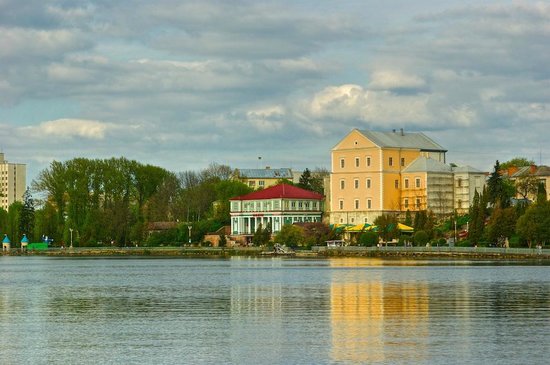
Ternopil Oblast: The Hidden Gem of Western Ukraine

iqsafe.info – Ternopil Oblast, nestled in the heart of Western Ukraine, is a region known for its picturesque landscapes, rich history, and cultural heritage. Often referred to as a hidden gem, Ternopil Oblast offers a unique blend of natural beauty and architectural wonders, making it a captivating destination for travelers and historians alike. This article explores the key features that define Ternopil Oblast, highlighting its historical significance, economic activities, and cultural attractions.

Geography and Climate

Ternopil Oblast covers an area of approximately 13,800 square kilometers, characterized by rolling hills, lush forests, and scenic rivers. The region’s terrain is part of the Podolian Upland, offering stunning vistas and a diverse ecosystem. The climate is temperate continental, with cold winters and warm summers, providing ideal conditions for agriculture and outdoor exploration.

Historical Significance

The history of Ternopil Oblast is a rich tapestry of cultural and political influences. The region has been inhabited since ancient times, with archaeological findings indicating settlements dating back to the early Slavic tribes. Throughout its history, Ternopil has been part of various states and empires, including the Kingdom of Galicia-Volhynia, the Polish-Lithuanian Commonwealth, and the Austro-Hungarian Empire. This diverse heritage is reflected in the region’s architecture, traditions, and cultural practices.

Economy and Industry

Ternopil Oblast’s economy is primarily driven by agriculture, with fertile lands supporting the cultivation of grains, sugar beets, and other crops. The region is also known for its dairy and meat production, contributing significantly to Ukraine’s agricultural output. In recent years, small and medium-sized enterprises have been growing, with sectors like food processing, textiles, and light manufacturing gaining prominence.

Cultural Attractions and Tourism

Ternopil Oblast is home to numerous cultural and historical sites, attracting visitors from across Ukraine and beyond. The city of Ternopil, the administrative center, is renowned for its charming architecture, vibrant cultural scene, and the beautiful Ternopil Lake. The region boasts a wealth of castles, churches, and monasteries, including the majestic Zbarazh Castle and the historic Pochayiv Lavra, one of the most important Orthodox pilgrimage sites in Ukraine.

Nature enthusiasts will find plenty to explore in Ternopil Oblast, with its scenic landscapes and nature reserves offering opportunities for hiking, birdwatching, and relaxation. The Dniester Canyon, with its dramatic cliffs and meandering river, is a highlight for those seeking adventure and natural beauty.

Education and Infrastructure

Ternopil Oblast has a robust educational infrastructure, with several universities and research institutions contributing to the region’s academic and cultural development. The transportation network is well-developed, with roads and railways connecting Ternopil to major cities in Ukraine and neighboring countries, facilitating trade and travel.

Conclusion

Ternopil Oblast is a region rich in history, culture, and natural beauty, offering a unique and authentic experience for those who venture off the beaten path. Its historical landmarks, scenic landscapes, and vibrant cultural life make it a must-visit destination in Western Ukraine. Whether exploring its medieval castles, enjoying its picturesque countryside, or engaging with its cultural heritage, Ternopil Oblast promises a journey of discovery and enchantment.

Ukraine’s Language and Identity: A Cultural Exploration

iqsafe.info – Language and identity are deeply intertwined in Ukraine, a country where cultural diversity and historical influences have shaped a unique national character. Ukrainian language and culture reflect the nation’s rich heritage and its ongoing journey toward defining its identity in the modern world. This article explores the role of language in Ukraine’s cultural identity, highlighting its historical evolution, contemporary challenges, and the importance of preserving linguistic heritage.

Historical Evolution of the Ukrainian Language

The Ukrainian language has its roots in the Old East Slavic language spoken in the medieval state of Kievan Rus. Over the centuries, Ukraine’s language evolved under the influence of various empires, including the Polish-Lithuanian Commonwealth, the Austro-Hungarian Empire, and the Russian Empire. Despite these external pressures, the Ukrainian language has persisted as a vital marker of cultural identity.

Language and National Identity

Language has played a central role in shaping Ukraine’s national identity. During periods of foreign domination, such as under Russian Imperial and Soviet rule, efforts to suppress the Ukrainian language were met with resistance. The revival of the Ukrainian language became a symbol of national pride and a tool for cultural preservation, particularly during the independence movement in the 19th and early 20th centuries.

Contemporary Language Landscape

In modern Ukraine, the Ukrainian language is the official state language, as enshrined in the country’s constitution. However, Russian is also widely spoken, particularly in urban areas and the eastern regions. The coexistence of Ukrainian and Russian languages reflects Ukraine’s diverse cultural landscape and historical ties to Russia.

Language Policy and Education

Language policy in Ukraine has been a topic of significant political debate. Efforts to promote the use of Ukrainian in public life, education, and media aim to strengthen national identity and cultural cohesion. Educational reforms have emphasized Ukrainian language instruction, while also recognizing the linguistic rights of minority communities.

Cultural Expression Through Language

The Ukrainian language is a vibrant medium for cultural expression, encompassing literature, music, theater, and film. Ukrainian writers and poets, such as Taras Shevchenko and Lesya Ukrainka, have contributed to a rich literary tradition that continues to inspire contemporary artists. Ukrainian folk music and dance, often performed in the native language, celebrate the nation’s cultural heritage and regional diversity.

Challenges and Preservation

Despite progress in promoting the Ukrainian language, challenges remain. Globalization, migration, and digital communication pose threats to linguistic diversity. Efforts to preserve and promote the Ukrainian language involve fostering cultural exchange, supporting language education, and encouraging the use of Ukrainian in digital media and technology.

Conclusion

Ukraine’s language and identity are inseparable from its cultural exploration and historical journey. The Ukrainian language serves as a cornerstone of national identity, reflecting the resilience and diversity of its people. As Ukraine continues to navigate the complexities of modern identity, the preservation and promotion of its linguistic heritage remain vital to its cultural future. Through language, Ukraine celebrates its past, embraces its present, and shapes its future.