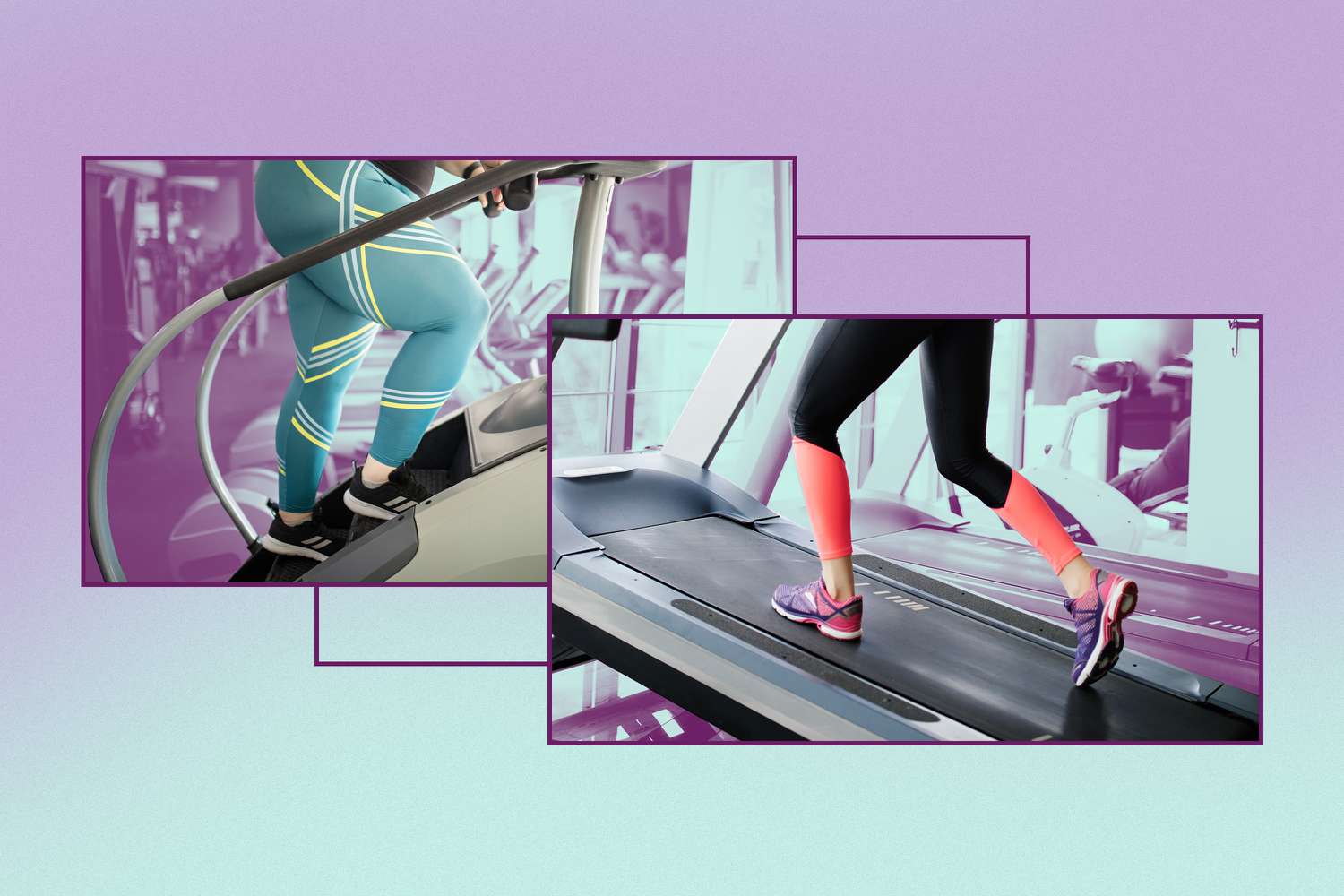
iqsafe.info – When it comes to choosing a cardio machine, two of the most popular options in any gym are the stair stepper and the treadmill. Both machines offer excellent cardiovascular workouts and can help you burn calories, improve endurance, and promote weight loss. However, each machine has distinct benefits and drawbacks that make one more suitable than the other depending on your fitness goals, preferences, and physical condition. In this comprehensive article, we will compare stair steppers and treadmills in terms of their effectiveness, benefits, and potential drawbacks to help you decide which one is better for you.
1. Overview of Stair Steppers and Treadmills
Before diving into the pros and cons of each machine, it’s essential to understand what stair steppers and treadmills offer as workout equipment.
1.1 What is a Stair Stepper?
A stair stepper, sometimes called a stair climber or step machine, simulates the motion of climbing stairs. It consists of two pedals or steps that move up and down as you step on them, requiring you to use your body weight to push down on the steps. This machine primarily targets the lower body, including the quads, hamstrings, glutes, and calves, while also engaging the core muscles for balance and stability. Stair steppers are excellent for strength-building and cardio, offering a low-impact workout that can be adjusted for different fitness levels.
1.2 What is a Treadmill?
A treadmill is a versatile cardio machine that allows you to walk, jog, or run on a moving belt. Treadmills come with various settings, including speed and incline adjustments, making them suitable for a range of workouts, from low-intensity walking to high-intensity running. Treadmills provide an excellent cardio workout and can be adapted to various fitness goals, whether you’re training for endurance, weight loss, or overall cardiovascular health.
2. Calorie Burning: Which Machine Burns More?
When it comes to burning calories, both the stair stepper and the treadmill can provide an effective workout. However, the number of calories burned depends on several factors, including intensity, workout duration, and the individual’s body weight.
2.1 Calorie Burn on a Stair Stepper
The stair stepper is known for its ability to burn a significant number of calories, especially during high-intensity sessions. By continuously stepping and using large muscle groups, such as the glutes, quads, and hamstrings, the stair stepper can burn anywhere from 300 to 500 calories per hour, depending on the intensity. For heavier individuals or those who increase the machine’s resistance, the calorie burn can be even higher.
2.2 Calorie Burn on a Treadmill
Treadmills also offer an excellent calorie-burning workout. The number of calories burned depends on the speed and incline settings, as well as whether you’re walking, jogging, or running. On average, walking at a moderate pace burns around 200-300 calories per hour, while jogging or running can burn 400-600 calories per hour or more. Treadmills also allow for interval training, where alternating between sprints and slower speeds can significantly increase calorie burn.
2.3 Which is Better for Calorie Burning?
For moderate exercise, the treadmill may offer a slight advantage in terms of calorie burn because running typically burns more calories than stair climbing. However, if you increase the intensity and resistance on the stair stepper, you can achieve similar or even greater calorie-burning results. Ultimately, both machines are effective for calorie burning, and the best option depends on the intensity of your workout.
3. Muscle Engagement and Strength Building
While both machines are excellent for cardiovascular exercise, they differ significantly in how they engage muscle groups and build strength.
3.1 Muscle Engagement on a Stair Stepper
The stair stepper is particularly effective at targeting the muscles in your lower body. The continuous stepping motion activates the quads, hamstrings, glutes, and calves with every step. Over time, stair stepping builds lower body strength, improves muscle tone, and enhances endurance. The stair stepper also engages your core muscles as you balance during the stepping motion, contributing to better stability and posture.
3.2 Muscle Engagement on a Treadmill
The treadmill primarily works the lower body, including the calves, quads, and hamstrings, especially during running or walking at an incline. Running on a treadmill also engages the glutes and core, particularly when running at faster speeds or on an incline. However, compared to the stair stepper, the treadmill’s muscle engagement is more balanced between lower body and cardiovascular effort, with less focus on building muscle strength.
3.3 Which is Better for Strength Building?
If your goal is to build lower body strength and tone your legs and glutes, the stair stepper is the better option. The resistance created by pushing down on the steps requires more muscle activation than walking or running on a flat treadmill. However, if you prefer balanced cardio with some muscle engagement, especially in running, the treadmill may be more suitable.
4. Cardiovascular Benefits
Both the stair stepper and treadmill are excellent tools for improving cardiovascular health, but they provide these benefits in different ways.
4.1 Cardiovascular Benefits of a Stair Stepper
The stair stepper provides a steady-state cardiovascular workout that raises your heart rate and improves circulation. It’s an excellent option for boosting cardiovascular endurance, especially during longer, moderate-intensity workouts. Additionally, the stair stepper allows you to adjust the resistance to increase the intensity and challenge your heart and lungs further.
4.2 Cardiovascular Benefits of a Treadmill
The treadmill offers versatility in terms of cardiovascular training. You can walk, jog, or run, making it easy to tailor the workout to your fitness level. Running at a high speed or incline can significantly increase your heart rate, making the treadmill an excellent tool for improving cardiovascular endurance and heart health. The treadmill also allows for interval training, which has been shown to improve both aerobic and anaerobic fitness.
4.3 Which is Better for Cardiovascular Health?
Both machines provide significant cardiovascular benefits, but the treadmill’s versatility makes it more suitable for a wide range of cardio workouts. Whether you prefer steady-state cardio or high-intensity intervals, the treadmill offers more options for customizing your workout. However, if you prefer low-impact cardio that still challenges your heart, the stair stepper is an excellent option.
5. Impact on Joints and Injury Prevention
High-impact exercises can lead to joint pain or injury over time, especially for individuals with pre-existing joint conditions. Therefore, understanding the impact of each machine on your joints is crucial for preventing injury.
5.1 Impact of the Stair Stepper on Joints
The stair stepper is considered a low-impact machine, making it a joint-friendly option for people with knee, hip, or ankle issues. The smooth, controlled motion of stepping minimizes the strain on your joints compared to high-impact exercises like running. Additionally, the stair stepper’s low-impact nature makes it suitable for older adults or those recovering from injuries.
5.2 Impact of the Treadmill on Joints
The treadmill can be either low-impact or high-impact, depending on how you use it. Walking or jogging at a moderate pace on a flat surface is relatively low-impact and gentle on the joints. However, running at high speeds or on an incline can place significant stress on the knees, hips, and ankles, especially if done over long periods. For individuals with joint issues, running on a treadmill may not be the best option.
5.3 Which is Better for Joint Health?
For individuals with joint pain or those looking to avoid high-impact exercises, the stair stepper is the better option. Its low-impact nature ensures a challenging workout without the risk of injury. If you prefer using the treadmill but want to protect your joints, stick to walking or jogging at a moderate pace.
6. Weight Loss Potential
Both the stair stepper and treadmill are effective for weight loss, but they offer different approaches to achieving this goal.
6.1 Weight Loss with a Stair Stepper
The stair stepper is an excellent tool for weight loss due to its ability to burn calories and build muscle at the same time. The combination of cardio and strength training helps boost metabolism and encourages fat loss. As you build lean muscle on the stair stepper, your body will burn more calories throughout the day, supporting long-term weight loss.
6.2 Weight Loss with a Treadmill
The treadmill is one of the most popular machines for weight loss because of its versatility and calorie-burning potential. Running, especially at higher intensities or inclines, can burn a significant number of calories, making it an effective option for those looking to lose weight quickly. The treadmill also allows for interval training, which can accelerate fat loss and boost your metabolism.
6.3 Which is Better for Weight Loss?
Both machines can be highly effective for weight loss, but the treadmill may have a slight edge due to its ability to burn calories quickly, especially during running or interval workouts. However, if you prefer a low-impact workout that builds muscle while burning fat, the stair stepper is an excellent alternative for weight loss.
7. Variety and Motivation
Staying motivated is a key factor in sticking to your fitness routine. Both the stair stepper and treadmill offer different levels of variety to keep your workouts engaging.
7.1 Variety with a Stair Stepper
While the stair stepper focuses primarily on lower body movement, you can add variety by adjusting the machine’s resistance or incorporating intervals. You can also vary your stepping pattern by taking side steps or skipping steps, which targets different muscle groups. However, the stair stepper may become monotonous for some people, as the range of movement is limited.
7.2 Variety with a Treadmill
The treadmill offers more variety in terms of workout options. You can walk, jog, or run at different speeds, incorporate incline training, or perform high-intensity interval training (HIIT) to keep your workouts challenging. Many treadmills also come with pre-programmed workouts and virtual running trails to add an extra level of engagement.
7.3 Which is Better for Variety?
The treadmill wins in terms of variety, as it offers more options for mixing up your workout routine. Whether you prefer steady-state cardio or intense interval sessions, the treadmill provides more opportunities to stay motivated and avoid workout boredom.
Conclusion: Which is Better for You?
Ultimately, whether the stair stepper or treadmill is better for you depends on your personal fitness goals, preferences, and any physical limitations you may have.
-
Choose the stair stepper if you want to build lower body strength, engage multiple muscle groups, and get a low-impact workout that’s easy on your joints. It’s an excellent choice for toning your legs and glutes while also improving cardiovascular endurance.
-
Choose the treadmill if you’re looking for a versatile cardio machine that offers a range of workouts, from walking and jogging to running and interval training. It’s particularly effective for burning calories and improving cardiovascular fitness, but it may not be as joint-friendly as the stair stepper, especially at higher intensities.
Ultimately, both machines are valuable additions to any fitness routine. You can incorporate both into your weekly workouts to benefit from the strengths of each machine, keeping your body challenged and your workouts enjoyable.
