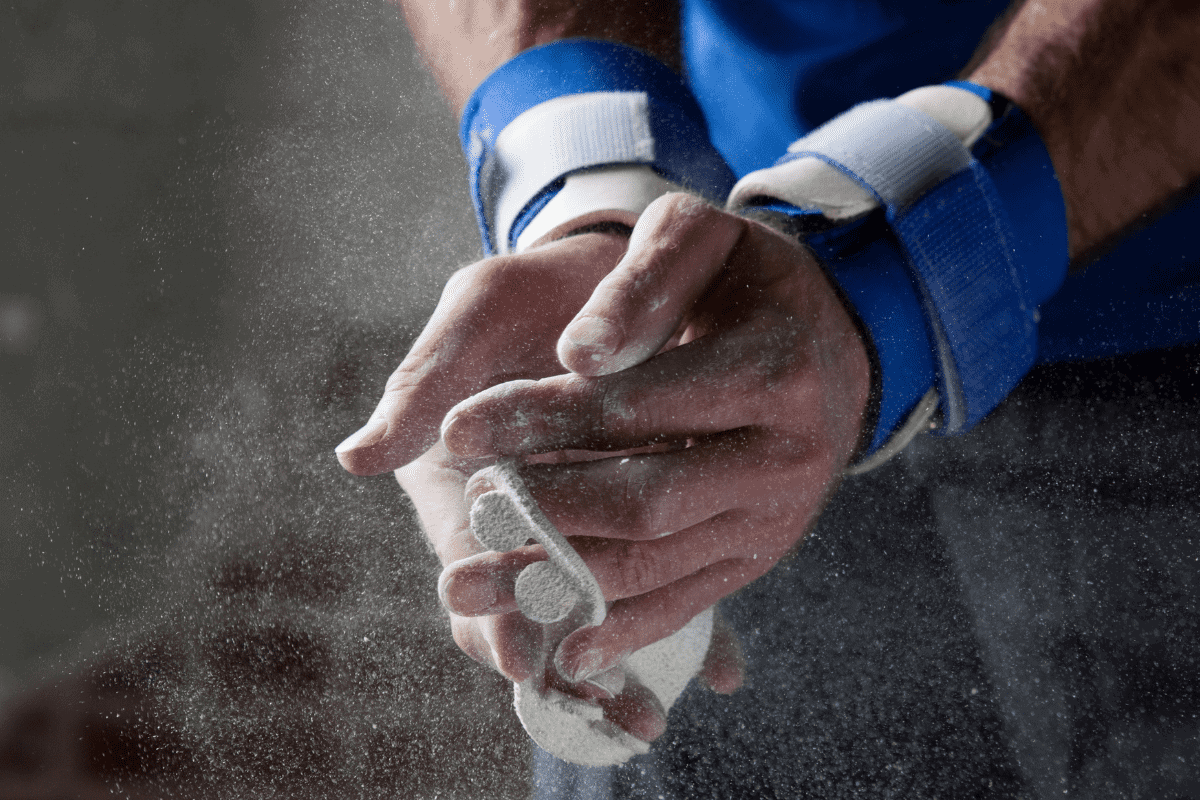
The Ultimate Guide to Gym Chalk: Everything You Need to Know

iqsafe.info – When it comes to serious weightlifting, powerlifting, CrossFit, or even climbing, gym chalk (or lifting chalk) is a staple for many athletes looking to improve their performance and prevent injuries. Whether you’re performing heavy deadlifts, squats, pull-ups, or engaging in other high-intensity activities, gym chalk helps you maintain a secure grip on the equipment, ultimately enhancing your ability to lift heavier and more safely. But there’s much more to gym chalk than simply dusting your hands before a set.

In this comprehensive guide, we’ll explore everything you need to know about gym chalk: what it is, how it works, the benefits of using it, the different types, how to use it effectively, and its impact on your training.

What is Gym Chalk?

Gym chalk is a substance primarily made of magnesium carbonate (MgCO₃) that is used by athletes to improve their grip during exercises that require heavy lifting or precision. It comes in several forms, including blocks, powder, liquid, and chalk balls, and is applied to the hands (or feet, for certain activities like rock climbing) to absorb moisture and provide friction, thus preventing the hands from slipping.

While gym chalk is typically associated with weightlifting and strength training, it is also used by athletes in sports like gymnastics, climbing, pole dancing, and even Olympic lifting, where grip strength is paramount.

The Science Behind Gym Chalk

Gym chalk works by absorbing moisture from your hands, which can otherwise cause your grip to weaken. When lifting heavy weights, performing pull-ups, or holding onto bars and dumbbells, sweaty palms can make it difficult to maintain a secure grip, putting you at risk of the bar slipping and possibly causing injury.

Magnesium carbonate, the main ingredient in gym chalk, is a highly effective drying agent. It interacts with the moisture on your hands, drying them out and providing a rougher texture that increases friction. This added friction makes it easier to grip the equipment, whether it’s a barbell, dumbbell, or rock climbing hold.

Benefits of Using Gym Chalk

The benefits of using gym chalk go far beyond just improving your grip. Here are some of the primary reasons athletes and lifters use chalk in their training routine:

1. Improved Grip Strength

One of the most significant benefits of using gym chalk is improved grip strength. Chalk helps prevent your hands from becoming slippery when you’re lifting heavy weights or engaging in activities that require a strong, secure grip. By improving your grip strength, gym chalk enables you to handle more weight and perform exercises more effectively.

2. Prevention of Slipping

Sweaty hands are one of the most common reasons for grip failure. When lifting heavy weights or performing exercises like deadlifts, kettlebell swings, or rope climbs, your hands may become slick with sweat, making it challenging to maintain a solid grip on the bar or equipment. Gym chalk helps to absorb this moisture, reducing the likelihood of slipping and preventing the bar from falling out of your hands.

3. Enhanced Performance

By improving your grip and reducing the likelihood of slipping, gym chalk allows you to focus on the lift itself, rather than worrying about losing your grip. This improved focus and stability lead to better performance and results, particularly when lifting at higher intensities. For powerlifters and Olympic weightlifters, chalk can make the difference between hitting a personal best and failing a lift.

4. Reduced Hand Fatigue

Without proper grip support, your hands and forearms may tire out much faster, preventing you from completing your desired sets or reps. Gym chalk helps reduce hand fatigue by ensuring that your grip remains firm and stable throughout your lifts. This can be particularly helpful for athletes who are performing high-volume sets or working with high loads.

5. Minimized Risk of Injury

When you’re unable to maintain a secure grip during heavy lifts, the risk of injury increases. A slipping barbell or dumbbell can cause you to lose control, potentially leading to muscle strains, ligament injuries, or even more severe accidents. Gym chalk enhances safety by providing a more reliable grip, reducing the chances of a dangerous slip or loss of control.

6. Better Technique

Grip strength is vital for maintaining good lifting form. A slipping grip can lead to improper technique, such as rounding your back during deadlifts or overcompensating with your forearms during rows. With gym chalk, you can ensure that your hands stay firmly in place, allowing you to focus on the proper execution of each lift and reducing the chances of developing poor habits.

7. Comfort and Confidence

Finally, gym chalk provides a sense of comfort and confidence for athletes. Knowing that your grip will be secure during heavy lifts or intense exercises gives you the mental edge to push harder and achieve better results. This confidence can lead to increased training intensity, which over time leads to greater gains.

Different Types of Gym Chalk

Gym chalk is available in various forms, each with its own advantages and unique applications. Here’s a breakdown of the different types of gym chalk and how they can be used:

1. Chalk Blocks

Chalk blocks are the most traditional and common form of gym chalk. These blocks are typically square or rectangular and can be broken or crumbled into smaller pieces to be used during lifting. To use chalk blocks, you’ll typically rub them directly onto your hands. These are ideal for athletes who need large quantities of chalk during their workout.

Advantages:

  • Long-lasting and cost-effective
  • Easy to carry and use
  • Provides a solid amount of chalk for multiple exercises

Disadvantages:

  • Can be dusty and messy
  • May require frequent reapplication during high-intensity workouts

2. Chalk Powder

Chalk powder is essentially magnesium carbonate in a loose form and is often considered more versatile than chalk blocks. It’s ideal for athletes who want a finer, more even application of chalk. The powder can be poured into a chalk bag or used directly to dust your hands. It’s commonly used by weightlifters, rock climbers, and gymnasts.

Advantages:

  • Provides a finer application of chalk
  • Suitable for athletes who need precise control over the amount of chalk used
  • Typically dries faster than block chalk

Disadvantages:

  • Can be more difficult to control, resulting in excess mess
  • Requires a chalk bag or container for best use

3. Liquid Chalk

Liquid chalk is a mixture of magnesium carbonate, alcohol, and sometimes other additives that, when applied to the skin, quickly dries and forms a thin chalk layer. Liquid chalk is perfect for individuals who want a clean, low-mess option that’s easy to apply. It’s especially popular among rock climbers, powerlifters, and those who use gym chalk in a public gym setting.

Advantages:

  • Less messy than powder or blocks
  • Dries quickly and stays on longer
  • Ideal for those using chalk in shared or clean environments

Disadvantages:

  • Can be more expensive than block or powder chalk
  • May not provide as much coverage as other forms
  • Requires time to dry before use

4. Chalk Balls

Chalk balls are small, mesh bags filled with chalk powder. These balls are an efficient, mess-free way to apply chalk, as the powder is contained within the ball, preventing it from spilling. To use, you simply squeeze the ball to release the chalk powder onto your hands.

Advantages:

  • Reduces mess
  • Easy to use and transport
  • Provides consistent, controlled chalk application

Disadvantages:

  • Can be less convenient than traditional blocks or liquid chalk
  • Some athletes may find it harder to get enough chalk on their hands

How to Use Gym Chalk Effectively

While gym chalk can significantly improve your training, it’s important to use it correctly for maximum effectiveness. Here’s how to use gym chalk properly:

Step 1: Clean Your Hands

Before applying chalk, make sure your hands are free from dirt, oil, or moisture. If your hands are sweaty or wet, wipe them off first to ensure the chalk will be effective.

Step 2: Apply the Chalk

If using chalk blocks, break off a small piece and rub it onto your palms and fingers. With liquid chalk, apply a small amount to your hands and rub it in evenly. If using chalk powder, pour it into a chalk bag or apply it directly to your hands, ensuring an even coat over your palms and fingers.

Step 3: Rub It In

After applying the chalk, rub your hands together to distribute it evenly across your skin. The more evenly the chalk is spread, the better it will work to absorb moisture and increase friction.

Step 4: Reapply as Needed

During intense training sessions, you may need to reapply chalk to your hands multiple times. When your grip starts to feel slippery, take a moment to reapply and rub it in to maintain a secure hold on the bar.

When Should You Use Gym Chalk?

Gym chalk is best used during exercises where grip strength is essential or when your palms are prone to sweating. Here are some scenarios where using gym chalk is highly recommended:

1. Deadlifts

Deadlifts place significant strain on your grip, particularly when lifting heavy loads. Gym chalk helps keep your hands dry and secure, allowing you to focus on lifting the bar without worrying about it slipping.

2. Pull-Ups and Chin-Ups

Whether you’re doing standard pull-ups or weighted pull-ups, chalk helps maintain a strong, secure grip on the bar, preventing slippage and ensuring better performance.

3. Kettlebell Swings

When performing kettlebell swings, you need to maintain a firm grip on the kettlebell handle. Gym chalk ensures you won’t lose control of the kettlebell during dynamic movements.

4. Olympic Weightlifting

During Olympic lifts such as the clean and jerk or snatch, grip is crucial for both safety and performance. Gym chalk helps ensure your grip remains strong during these complex, explosive movements.

5. Climbing and Gymnastics

For athletes involved in rock climbing or gymnastics, gym chalk is used to reduce moisture on hands and feet, enhancing grip and performance on bars, walls, or ropes.

6. High-Volume or High-Intensity Workouts

When engaging in high-volume or high-intensity workouts, especially in CrossFit or bodybuilding, gym chalk helps combat hand fatigue, ensuring you can perform more reps or lift heavier weights.

Conclusion

Gym chalk is an essential tool for athletes of all types who engage in strength training, climbing, gymnastics, and other grip-intensive sports. By improving your grip, preventing slippage, and enhancing performance, gym chalk allows you to lift heavier, train harder, and reduce the risk of injury. Whether you use chalk blocks, liquid chalk, or chalk balls, this simple yet effective product is a must-have for anyone serious about their training.
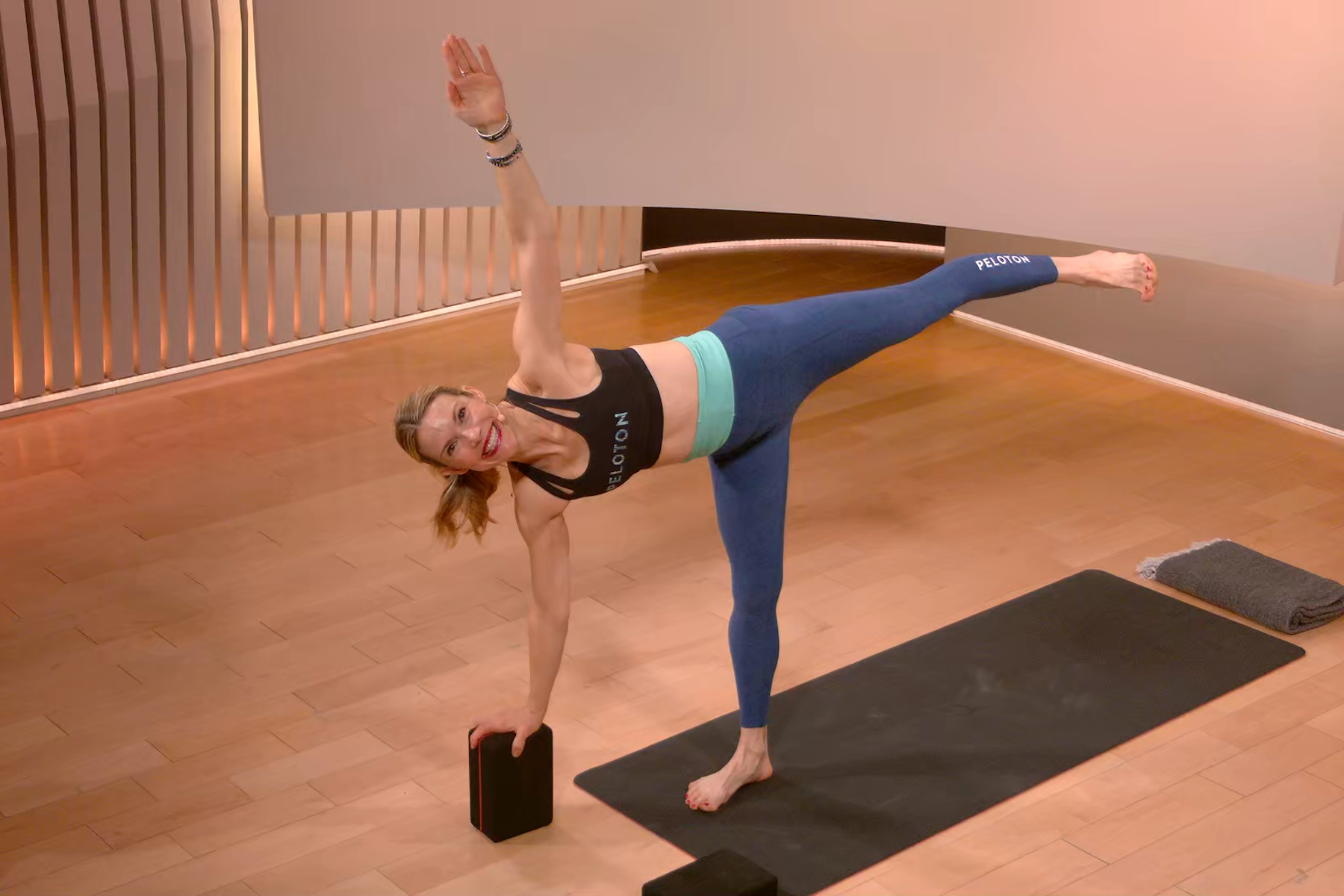
Yoga Mats: The Essential Guide for Practice, Comfort, & Support

iqsafe.info – Yoga is a practice that has been embraced worldwide for its physical, mental, and spiritual benefits. Whether you’re new to yoga or an experienced practitioner, one essential piece of equipment you will always need is a yoga mat. While it may seem simple, the right yoga mat plays a crucial role in enhancing your practice by providing comfort, stability, and support for various poses. This article will explore everything you need to know about yoga mats, including their types, benefits, how to choose the best one, and how to take care of it.

What Is a Yoga Mat?

A yoga mat is a specially designed mat that provides a non-slip surface to practice yoga on. It helps to provide stability and cushion during different postures, ensuring comfort and safety. Yoga mats vary in thickness, material, and texture to suit various practice styles and individual needs. They are typically lightweight, portable, and easy to roll up, making them easy to carry to yoga classes or use at home.

While yoga mats have evolved over time, the primary function remains the same: to protect your joints, offer a stable foundation, and prevent slipping during your practice.

Benefits of Using a Yoga Mat

A yoga mat provides numerous benefits that directly impact the quality of your practice. These advantages include comfort, safety, hygiene, and support for achieving proper alignment in different yoga poses.

1. Enhanced Comfort

Yoga mats offer cushioning for your body, especially on hard floors. Whether you’re practicing seated poses, standing poses, or performing deep stretches, the mat provides a soft, supportive surface for your body. This cushioning helps to alleviate pressure on your knees, wrists, elbows, and spine during poses that require weight-bearing. Mats also reduce discomfort during long holds or floor-based poses.

2. Non-Slip Surface

One of the primary benefits of a yoga mat is its non-slip surface. The mat prevents you from sliding, which is especially important during sweaty practices like hot yoga. The textured surface provides grip and stability, allowing you to maintain your balance and control throughout your practice. This is essential in preventing injuries, as slipping can lead to misalignments or strain.

3. Injury Prevention

A yoga mat provides a stable foundation that helps with proper body alignment during your practice. It ensures that your hands and feet are placed correctly in poses, reducing the risk of improper form, muscle strain, and injury. Additionally, the cushioning effect of the mat helps absorb impact, which can reduce joint stress during certain movements, such as jumping or balancing.

4. Hygiene

When practicing yoga in public spaces, such as a studio, a yoga mat acts as a barrier between you and the floor. It helps to protect you from germs, bacteria, or other harmful pathogens that may be present in a shared environment. Using your own mat ensures that you have a clean and personal surface for your practice, making it more hygienic than practicing directly on the floor.

5. Portability

Yoga mats are portable and easy to carry, making them ideal for practitioners who want to take their yoga practice on the go. Most yoga mats are lightweight and can be easily rolled up or folded, making them easy to store or carry to class or outdoor locations. Whether you’re traveling, attending a class, or practicing at home, a yoga mat ensures that you have a consistent, comfortable surface to practice on.

6. Helps Set a Personal Practice Space

Having your own yoga mat can create a personal space for your practice, whether you’re at home or in a studio. It sets a boundary, signaling that it is time to focus on your practice, and helps to create a sense of sanctuary. This physical space can help promote mindfulness and concentration during yoga sessions.

Types of Yoga Mats

There are several different types of yoga mats available, each offering unique features to suit various practice styles, preferences, and needs. Here’s a breakdown of the most common types of yoga mats:

1. Standard Yoga Mats

These are the most common type of yoga mats, typically made of PVC (polyvinyl chloride) or TPE (thermoplastic elastomer). Standard mats generally range in thickness from 1/8 inch to 1/4 inch, offering a balance between comfort and support.

  • Best for: Beginners or practitioners who want a basic, affordable mat for general yoga practice.
  • Material: PVC or TPE.
  • Thickness: Generally 1/8 inch or 1/4 inch.
  • Pros: Affordable, lightweight, and portable.
  • Cons: May not be durable for long-term use or very intense practices.

2. Eco-Friendly Yoga Mats

Eco-friendly yoga mats are made from natural, sustainable materials, such as rubber, jute, cork, or thermoplastic elastomer (TPE). These mats are designed to be environmentally conscious and free from harmful chemicals such as PVC, which can take years to decompose. They provide a safer and more sustainable choice for eco-conscious practitioners.

  • Best for: Practitioners who prioritize environmental impact and sustainability.
  • Material: Natural rubber, jute, cork, TPE.
  • Thickness: Varies.
  • Pros: Non-toxic, biodegradable, and made from renewable resources.
  • Cons: Can be heavier and more expensive than synthetic mats.

3. Travel Yoga Mats

Travel yoga mats are lightweight, foldable, and thinner than regular yoga mats, making them perfect for those who practice on the go. They can easily be rolled or folded into a compact size to fit in a bag, allowing for portability without sacrificing too much comfort.

  • Best for: Practitioners who travel frequently or prefer a more portable mat.
  • Material: Thin PVC, TPE, or microfiber.
  • Thickness: Usually 1/16 inch to 1/8 inch.
  • Pros: Ultra-portable, lightweight, and easy to pack.
  • Cons: Less cushioning compared to standard mats, not ideal for intense or floor-based practices.

4. Thick Yoga Mats

Thick yoga mats provide extra cushioning, which can be ideal for individuals who have joint pain, require more support, or need extra comfort during their practice. These mats generally have a thickness of 1/2 inch or more and provide more cushioning for areas like the knees and spine.

  • Best for: Individuals with joint issues or those who prefer extra padding.
  • Material: PVC, TPE, or rubber.
  • Thickness: 1/2 inch or more.
  • Pros: Extra cushioning, excellent support for sensitive joints.
  • Cons: Can be heavier, less portable.

5. Manduka Pro Mats

The Manduka Pro yoga mat is a high-quality, durable mat designed to last for years. It’s made of PVC but is free from harmful chemicals. This mat is thicker than standard mats and is known for its durability, providing a stable surface for advanced practice. Manduka Pro mats offer superior grip and comfort, making them a popular choice among experienced practitioners.

  • Best for: Regular practitioners, those looking for durability, and those who need a non-slip surface for advanced poses.
  • Material: PVC.
  • Thickness: 1/4 inch.
  • Pros: Extremely durable, non-toxic, excellent grip.
  • Cons: Heavier and more expensive.

6. Hot Yoga Mats

Hot yoga mats are designed to provide extra grip and absorb moisture, which is crucial during heated yoga classes where you’ll sweat more than usual. These mats are often made of microfiber or absorbent materials that wick away sweat, keeping you stable and slip-free during your practice.

  • Best for: Hot yoga practitioners or those who tend to sweat a lot during yoga.
  • Material: Microfiber, rubber, or absorbent PVC.
  • Thickness: Varies.
  • Pros: Absorb moisture, non-slip, good grip in heated conditions.
  • Cons: Not as cushioned as thicker mats.

How to Choose the Best Yoga Mat

Choosing the right yoga mat depends on various factors, including your specific needs, the type of yoga you practice, and personal preferences. Here are some key considerations to help guide your decision:

1. Material

  • PVC: Durable, inexpensive, but not environmentally friendly.
  • TPE: Lightweight, non-toxic, and eco-friendly.
  • Natural Rubber: Biodegradable and eco-friendly but can have a strong odor.
  • Jute/Cork: Sustainable options, often textured for grip, but may be less cushioned.

2. Thickness

  • Standard Mats (1/8” to 1/4”): Good for general use.
  • Thicker Mats (1/2” or more): Ideal for sensitive joints or additional comfort.
  • Travel Mats (1/16” to 1/8”): Portable but less cushioned.

3. Texture

  • Look for a mat with a textured surface for enhanced grip.
  • Smooth mats may be slippery, especially when wet.

4. Size

  • Standard mats are usually 68 to 72 inches long, but longer mats may be necessary for taller individuals.
  • The width of the mat should be wide enough to accommodate your body comfortably.

5. Portability

  • Consider the weight and foldability if you need a mat you can easily transport.

6. Durability

  • If you practice yoga frequently, you may want a mat that offers more durability, such as the Manduka Pro mat, which can withstand wear and tear over time.

Caring for Your Yoga Mat

To extend the life of your yoga mat, it’s essential to take care of it properly. Here are a few tips for cleaning and maintaining your yoga mat:

  • Clean regularly: Wipe down your mat after each practice with a damp cloth and mild detergent. For a deeper clean, wash your mat with gentle soap and water every few weeks.
  • Keep it dry: After use, allow your mat to air dry fully before rolling it up. This helps prevent the growth of bacteria or mildew.
  • Store properly: Store your yoga mat in a cool, dry place, and avoid leaving it in direct sunlight for extended periods.
  • Roll it up: Always roll your yoga mat when not in use to prevent it from developing creases or damage.

Conclusion

A good-quality yoga mat is an essential tool for anyone who practices yoga, whether casually or intensively. It provides the stability, support, and comfort necessary for a safe and enjoyable practice. From standard mats to eco-friendly options and mats for hot yoga, there is a variety of mats available to suit different preferences and needs. By understanding the different types, features, and how to care for your mat, you can ensure that you get the most out of your yoga practice and enjoy all the physical and mental benefits yoga has to offer.

The Vatican: A Guide to Its History and Architecture

iqsafe.info – The Vatican, an independent city-state enclaved within Rome, Italy, is not only the spiritual center of the Roman Catholic Church but also a treasure trove of art, history, and architecture. This guide delves into the rich tapestry of the Vatican’s past and the architectural marvels that have stood the test of time, offering a glimpse into the heart of Catholicism and the pinnacle of Renaissance art and design.

Historical Overview

The history of the Vatican is as complex as it is fascinating. Its origins can be traced back to the 4th century when Emperor Constantine commissioned the construction of the Old St. Peter’s Basilica over the presumed tomb of Saint Peter, the first Pope. Over the centuries, the Vatican grew in significance, becoming the residence of the Popes and the administrative center of the Catholic Church. The Lateran Treaty of 1929 officially recognized the Vatican City State, granting it sovereignty and independence.

Key Historical Events

Several pivotal events have shaped the Vatican’s history:

  • The Construction of St. Peter’s Basilica: The current basilica, designed by architects like Bramante, Michelangelo, and Bernini, was completed in the 17th century, replacing the older structure.
  • The Sistine Chapel Ceiling: Commissioned by Pope Julius II, Michelangelo painted the ceiling between 1508 and 1512, creating one of the most iconic works of art in the world.
  • The Vatican Library and Museums: Established over centuries, these collections house priceless artifacts, manuscripts, and artworks, reflecting the Church’s commitment to preserving cultural and religious heritage.

Architectural Marvels

The Vatican’s architecture is a testament to the genius of Renaissance masters and the enduring legacy of Catholic patronage of the arts. Key architectural features include:

St. Peter’s Basilica

  • Dome: Designed by Michelangelo, it stands as a symbol of the Vatican’s spiritual authority and architectural prowess.
  • Façade: Completed by Maderno, it adds a classical touch to the basilica’s entrance.
  • Piazza and Colonnade: Bernini’s design creates a welcoming space, symbolizing the Church’s embrace of the faithful.

The Sistine Chapel

  • Ceiling and Altar Wall: Michelangelo’s frescoes depict scenes from the Bible, including the Creation of Adam and the Last Judgment.
  • Architecture: Bramante’s design provides an elegant space for the chapel, reflecting the Renaissance ideals of harmony and proportion.

Vatican Museums

  • Raphael Rooms: These chambers, decorated by Raphael and his assistants, showcase the beauty of Renaissance frescoes.
  • Museo Pio-Clementino: Home to classical sculptures, including the Apollo Belvedere and the Laocoön.

Conservation and Restoration

The Vatican’s commitment to preserving its historical and architectural heritage is evident in ongoing conservation efforts. Recent restoration projects have used advanced techniques to restore artworks and buildings to their former glory, ensuring that these treasures remain accessible to future generations.

Conclusion

The Vatican stands as a monument to human achievement in art, architecture, and spirituality. Its history is a narrative of faith, power, and beauty, while its buildings and artworks are a testament to the enduring legacy of the Renaissance. As a beacon of Catholicism and a repository of human creativity, the Vatican continues to inspire and awe visitors from around the globe.