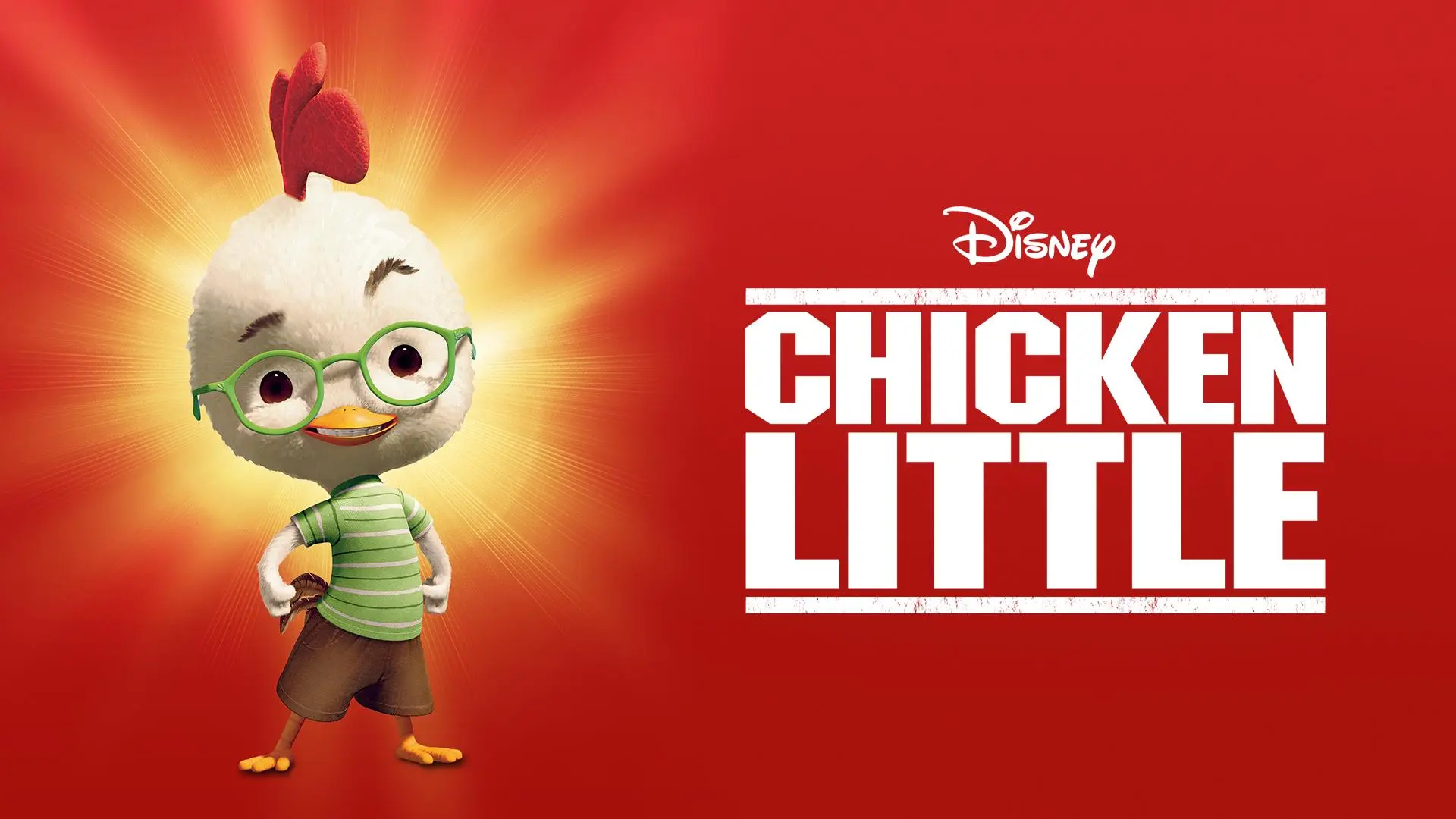
Chicken Little (2005): Disney’s First Fully CGI Animated Feature

iqsafe.info – Released in 2005, Chicken Little marked a significant milestone in Disney’s animation history. It was the studio’s first fully computer-generated imagery (CGI) animated feature film, following the success of Pixar’s CGI creations. Chicken Little was also part of Disney’s effort to update its animation style to compete with the growing popularity of computer-generated films. Based on the classic folk tale of the same name, the movie reimagines the story with a modern twist, introducing a quirky cast of characters and blending humor, heart, and action in a sci-fi comedy adventure.

Although Chicken Little was met with mixed critical reviews and performed modestly at the box office, it remains a noteworthy film in the Disney lineup, especially for its groundbreaking CGI animation and its attempt to reinvigorate Disney’s traditional storytelling. In this article, we will dive into the creation, plot, characters, themes, reception, and legacy of Chicken Little, offering an in-depth look at what made this animated feature an interesting chapter in the evolution of Disney animation.

The Creation of Chicken Little

The Transition to CGI Animation

By the early 2000s, Disney had recognized the growing importance of CGI animation, especially after the immense success of Pixar’s Toy Story (1995) and its subsequent hits such as Monsters, Inc. (2001) and Finding Nemo (2003). With CGI animation emerging as the dominant style in the industry, Disney decided to embrace this new technology with Chicken Little. The studio’s decision to venture into CGI came after the decline of traditional hand-drawn animation, which had dominated their productions for decades.

However, Chicken Little was not Disney’s first attempt at fully computer-generated animation. Pixar had already made a name for itself with a series of blockbuster hits, and DreamWorks was also successful with films like Shrek (2001). Disney’s entry into the CGI world was viewed as a significant challenge, as the studio aimed to carve out its own niche in an increasingly competitive landscape.

The team behind Chicken Little was determined to create a unique CGI film that would appeal to both children and adults. The animation team used cutting-edge technology to bring the world of Oakey Oaks to life, developing detailed characters and environments that felt vibrant and dynamic. The film’s design aimed to blend a traditional Disney charm with a new, more contemporary visual approach, setting the stage for future CGI features.

The Development of the Story

The story of Chicken Little is loosely based on the traditional folk tale “Henny Penny,” also known as “Chicken Little.” The original tale revolves around a chicken who believes the sky is falling after being hit on the head by an acorn. In Chicken Little, the classic premise is given a modern spin, set in a suburban town called Oakey Oaks, where the titular character, Chicken Little, is a misunderstood and anxious young bird.

The film’s story development went through several stages. Initially, the project was planned as a musical, but it evolved into a comedic, action-packed narrative with a more contemporary, fast-paced style. The filmmakers decided to infuse the plot with humor, technology, and some sci-fi elements to appeal to the tastes of the new generation of moviegoers. The inclusion of aliens and a high-stakes adventure added excitement to the storyline, making it more engaging for a family audience.

Animation and Visual Style

One of the most striking aspects of Chicken Little is its distinctive visual style. While the characters were designed with exaggerated, cartoonish features, the film also aimed to create an immersive, visually stunning world using cutting-edge CGI technology. The animation team created intricate details, from the characters’ facial expressions to the vivid environments that brought Oakey Oaks to life.

The film’s colors were bright and vibrant, creating an energetic atmosphere that matched the fast-paced, comedic tone of the movie. The animators paid close attention to how the characters moved, using advanced techniques to capture the fluidity of their actions and the nuances of their personalities. In many ways, Chicken Little represents Disney’s first significant foray into the CGI world, establishing a foundation for future projects, such as Bolt (2008) and Tangled (2010).

The Plot of Chicken Little

A Tale of Misunderstanding and Redemption

At the heart of Chicken Little is a story about misunderstanding, redemption, and self-acceptance. The film follows Chicken Little (voiced by Zach Braff), a small, anxious bird who lives in the town of Oakey Oaks. Chicken Little’s big moment comes when he believes that the sky is falling after an acorn falls on his head, leading to widespread panic and ridicule from the townspeople. As a result, Chicken Little becomes the town’s laughingstock, and his once-prominent reputation takes a nosedive.

Years later, Chicken Little is still trying to redeem himself, but he remains an outcast. His father, Buck Cluck (voiced by Garry Marshall), is especially disappointed in him, and Chicken Little feels a sense of shame and guilt over the incident. Determined to prove that he is capable of doing something significant, Chicken Little embarks on a new adventure with his group of misfit friends: Runt of the Litter (voiced by Steve Zahn), a naive pig; Fish Out of Water (voiced by Dan Molina), a fish who is always in a water-filled helmet; and Abby Mallard (voiced by Joan Cusack), a duck with a strong personality.

The plot takes a wild turn when Chicken Little discovers that the sky is, in fact, not falling—rather, a series of events is leading to a much larger, more dangerous crisis: an alien invasion. The “sky” that Chicken Little had believed to be falling was actually a piece of an alien spacecraft. The aliens are using a cloaking device to remain undetected, and it’s up to Chicken Little and his friends to stop them and save the town.

As the group uncovers the truth, Chicken Little’s bravery is tested, and he learns valuable lessons about courage, self-worth, and the importance of family. Along the way, Chicken Little’s relationship with his father is strained, but eventually, they come to understand each other, and Chicken Little’s self-confidence grows. In the end, Chicken Little and his friends manage to save the day, proving that even the smallest of individuals can achieve great things.

The Alien Plot

The alien plot provides a fun twist to the story, turning the seemingly simple “sky is falling” scenario into a full-blown intergalactic adventure. The aliens, led by a mysterious figure known as the “Cloak,” initially appear as simple, mysterious beings but reveal themselves to be quite comical and eccentric. The film blends the lighthearted humor of Chicken Little’s antics with high-stakes action and visual spectacle, making for an exciting finale.

Family and Friendship

At its core, Chicken Little emphasizes the importance of family and friendship. The relationship between Chicken Little and his father is one of the film’s emotional arcs, as the two work through their misunderstandings and learn to support each other. Similarly, Chicken Little’s friendship with Runt, Abby, and Fish strengthens over the course of the film, and together, they prove that loyalty and teamwork can help them overcome the odds.

The Characters of Chicken Little

Chicken Little

Chicken Little, voiced by Zach Braff, is the film’s protagonist. He is a small, anxious bird with big dreams of proving himself after the “sky is falling” incident. Throughout the film, Chicken Little learns valuable lessons about self-confidence, courage, and the importance of family. His character arc is one of personal growth, as he discovers that he is capable of much more than he ever thought possible. His quirky personality, combined with his insecurities and determination, make him a relatable and endearing character.

Buck Cluck

Buck Cluck, voiced by Garry Marshall, is Chicken Little’s father. He is a well-meaning but somewhat distant parent who is disappointed in his son’s past mistakes. Buck’s character serves as both a source of tension and an emotional anchor in the film. He is often caught between trying to support his son and dealing with his own failures as a parent. Through their journey, Buck and Chicken Little’s relationship evolves, highlighting the importance of understanding and reconciling with family members.

Runt of the Litter

Runt of the Litter, voiced by Steve Zahn, is a large but gentle pig who is Chicken Little’s loyal friend. Runt is often the comic relief of the group, providing moments of humor and levity. Despite his size, Runt is a kind-hearted character who is always ready to support Chicken Little in his quest for redemption. His goofy nature and caring personality make him an endearing addition to the team.

Abby Mallard

Abby Mallard, voiced by Joan Cusack, is a sassy and intelligent duck who serves as Chicken Little’s confidante and friend. She is the voice of reason in the group, offering support and guidance to Chicken Little when he needs it most. Abby’s character provides a strong, independent female presence in the story, and her humor and quick wit add an extra layer of charm to the film.

Fish Out of Water

Fish Out of Water, voiced by Dan Molina, is a fish with a distinctive, quirky appearance. He wears a helmet filled with water, and although he doesn’t speak much, his actions and expressions contribute to the film’s humor and heart. Fish is one of the most unconventional characters in the movie, adding a touch of oddball comedy to the ensemble.

The Aliens

The aliens in Chicken Little serve as the main antagonists of the story. They are an eccentric and somewhat comical force of nature, using their cloaking technology to remain hidden from the townspeople. The aliens’ role adds a sci-fi dimension to the story, transforming the simple “sky is falling” scenario into a full-blown adventure.

Themes in Chicken Little

Self-Confidence and Personal Growth

A central theme in Chicken Little is personal growth and self-confidence. The story revolves around Chicken Little’s journey from being a nervous, misunderstood outcast to a brave, capable hero. His character arc emphasizes the importance of believing in oneself, even when others doubt you.

Family and Reconciliation

The theme of family is also key to Chicken Little. The strained relationship between Chicken Little and his father serves as a significant emotional arc in the film. The two must learn to communicate, understand each other, and work through their past differences in order to save the day. This theme underscores the importance of family support, forgiveness, and reconciliation.

Teamwork and Friendship

As with many Disney films, Chicken Little promotes the value of teamwork and friendship. The film’s ensemble cast of characters works together to overcome challenges, and their individual strengths contribute to their success. Their bond serves as a reminder that working together can lead to great things.

Reception and Legacy

Chicken Little received mixed reviews from critics, who praised its visual effects and humor but criticized its predictable plot and lack of emotional depth. Despite the mixed reception, the film was a moderate commercial success, grossing over $300 million worldwide against a production budget of $150 million.

The film marked a turning point for Disney in its transition to CGI animation, paving the way for future CGI films such as Bolt (2008) and Wreck-It Ralph (2012). Though Chicken Little was not as groundbreaking or culturally significant as some of Disney’s earlier classics, it helped solidify the studio’s place in the CGI era of animation.

Conclusion

Chicken Little stands as a pivotal moment in Disney’s animation history. Although it wasn’t a critical darling, the film demonstrated Disney’s ability to innovate and experiment with new animation techniques while maintaining the charm and humor that the studio is known for. With its colorful animation, comedic storyline, and endearing characters, Chicken Little remains a fun and lighthearted adventure, offering important messages about self-worth, family, and friendship. Though not a Disney classic in the same vein as some of the studio’s most beloved films, Chicken Little has earned a special place in the hearts of its fans.
Trump’s Policy Blitz in First Week Back in Office

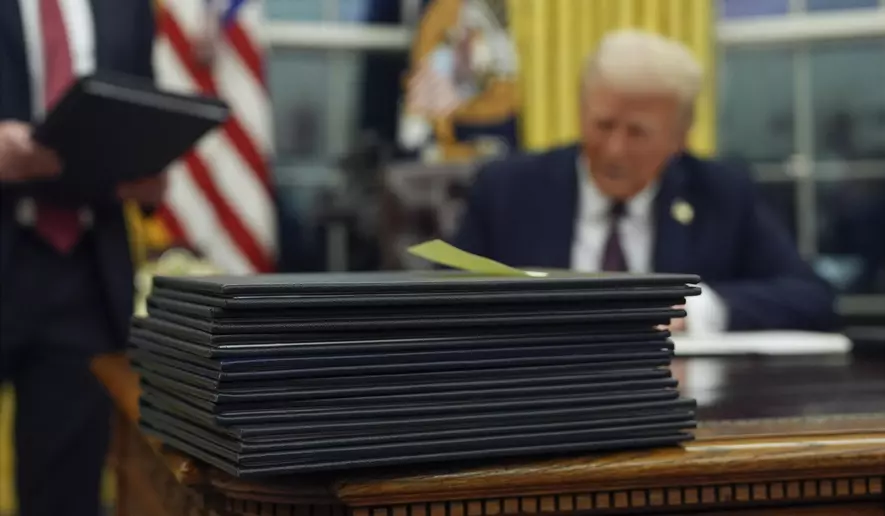
iqsafe.info – In what many observers have called a “policy blitz,” former President Donald Trump hit the ground running during his first week back in office, unleashing a series of bold and controversial policy moves aimed at reshaping the trajectory of his administration’s second term. The flurry of executive orders, regulatory changes, and announcements from the Trump administration not only set the tone for his return to power but also made it clear that the former president was fully committed to pursuing his political vision with as much vigor as possible.

Trump’s first week back in office demonstrated his unapologetic approach to governance and his desire to reassert control over key issues that dominated his first term, such as immigration, trade, and foreign policy. Despite his return being characterized by significant political turbulence, Trump’s policy agenda remained rooted in his populist principles, and he wasted little time enacting measures that reflected his controversial leadership style.

This article will take a detailed look at the key policies and actions Trump initiated during his first week back in office, the response from both his supporters and critics, and the potential long-term implications of his rapid-fire policy decisions.

A Flurry of Executive Orders

One of the hallmark features of Trump’s first week back in office was his aggressive use of executive orders. In his first few days, Trump signed a series of decrees that sought to reverse key policies put in place by his predecessor, Joe Biden, as well as solidify his vision for America’s future. These executive actions ranged from immigration reforms to healthcare changes, signaling that Trump was intent on reclaiming the political agenda and pushing forward his “America First” vision.

Immigration Policy Reversal

Trump’s administration has always been characterized by its hardline stance on immigration, and this time was no different. One of his first executive orders aimed at reshaping the immigration landscape involved reinstating the so-called “Muslim Ban,” a controversial policy that restricts travel from several predominantly Muslim countries. Despite having been rolled back during the Biden administration, Trump’s reinstatement of this policy signaled a renewed commitment to prioritizing national security and limiting immigration from countries deemed high-risk.

Additionally, Trump moved quickly to revive his “Remain in Mexico” policy, which requires asylum seekers to wait in Mexico while their cases are processed in U.S. courts. This policy, which was widely criticized by human rights groups during its original implementation, has been a central part of Trump’s immigration strategy. The reimplementation of this rule was celebrated by many of his supporters, who view it as a necessary measure to control illegal immigration. However, it sparked renewed protests from immigrant advocacy groups, who argue that the policy violates international human rights standards.

Trade Policy and Tariffs

Trump’s commitment to economic nationalism was also evident in his first week back in office. In one of his executive orders, he reimposed tariffs on key imports, including steel and aluminum from several foreign countries, including China. These tariffs were a hallmark of his “America First” trade policy during his first term, designed to protect American manufacturing jobs and reduce the trade deficit. Trump’s decision to reinstate these tariffs immediately sent shockwaves through the global economy, signaling that his administration would continue to take a hardline stance on trade imbalances and China’s economic practices.

The reimposition of tariffs also aligned with Trump’s broader efforts to ensure that American businesses are given priority over foreign competitors, a policy that resonated strongly with his base of working-class voters. Critics, however, have argued that these tariffs could lead to higher prices for consumers and strain international relations, particularly with key trading partners like the European Union and Canada.

Energy and Environmental Policies

Energy policy was another area where Trump sought to make significant changes in his first week back in office. True to his campaign promises, Trump signed an executive order aimed at expanding U.S. energy production, particularly through the increased use of fossil fuels. This included efforts to restart drilling in the Arctic National Wildlife Refuge (ANWR) and reinitiating the construction of the Keystone XL pipeline, a project that had been halted during the Biden administration. The goal was to revive the U.S. oil and gas industry, creating jobs and bolstering American energy independence.

At the same time, Trump moved to roll back several key environmental regulations that had been put in place during Biden’s first year in office. These regulations were seen by Trump as stifling the growth of American businesses and hampering economic recovery. The reversal of these environmental protections was widely praised by the fossil fuel industry but raised alarms among environmental groups who warned of long-term environmental consequences.

Healthcare and COVID-19 Response

Trump’s first week back in office also saw a return to his administration’s focus on healthcare reform. In one of his first executive actions, he signed an order aimed at expanding access to healthcare by increasing the availability of short-term health insurance plans, which had been restricted during the Biden administration. These plans, which are often less expensive but provide limited coverage, were a key part of Trump’s efforts to provide affordable healthcare options while dismantling parts of the Affordable Care Act (ACA).

In the realm of COVID-19, Trump also focused on rolling back restrictions and loosening the grip of federal regulations on businesses that had been implemented to curb the spread of the virus. While many of his moves were framed as efforts to return the country to normalcy and jumpstart the economy, they raised concerns from public health experts, who warned that rushing to reopen without adequate safety measures could lead to further outbreaks.

Reaction from Supporters and Critics

Trump’s policy blitz was met with mixed reactions from various political factions. For his supporters, the rapid implementation of his agenda was a sign of his unwavering commitment to the promises he made during his presidential campaign. They viewed his executive orders as necessary steps to reinstate American sovereignty, restore national pride, and rebuild the economy. In a statement released shortly after his first week back in office, Trump’s spokesperson declared, “President Trump is taking swift action to deliver on the promises he made to the American people. His policies will put America first and ensure a prosperous future for all.”

However, critics of Trump’s policies were quick to express their opposition. Many Democratic lawmakers and progressive organizations denounced Trump’s executive orders as reckless, divisive, and harmful to vulnerable populations. Immigrant advocacy groups strongly condemned the reinstatement of the “Muslim Ban” and the “Remain in Mexico” policy, calling them discriminatory and unjust. Environmentalists, meanwhile, voiced their concern about the long-term environmental consequences of Trump’s energy policies, particularly the expansion of drilling in ecologically sensitive areas like the Arctic.

Public health experts also raised alarms about Trump’s handling of the COVID-19 response, warning that his rollback of restrictions could undermine efforts to contain the virus and prolong the pandemic. The controversy surrounding Trump’s pandemic response in his first term was a defining issue of his presidency, and many feared that his actions in the first week of his second term would exacerbate the crisis.

Long-term Implications of Trump’s Policy Blitz

The long-term implications of Trump’s first-week policy blitz will likely unfold over the coming months and years. His executive orders and policy decisions set the stage for a contentious battle with Congress and the courts, particularly as Democrats look to undo many of the changes made during his brief return to office.

Trump’s policy moves have the potential to reshape the political landscape in the United States, particularly in areas like trade, immigration, and healthcare. However, the polarized nature of American politics suggests that the effects of these changes may be temporary, as each new administration works to advance its own policy agenda.

As Trump continues to advocate for his vision of American greatness, the policy blitz he initiated in his first week back in office has sent a clear message: he is not backing down from his populist, nationalist agenda. Whether or not these actions will have a lasting impact on the country remains to be seen, but it is clear that Trump’s return to the political stage will be marked by swift and decisive actions that will continue to shape the future of American governance.

Snow White: The Disney’s First Animated Classic

iqsafe.info – Snow White, the beloved princess from Disney’s Snow White and the Seven Dwarfs (1937), is a character who holds a special place in the hearts of Disney fans worldwide. As the first-ever Disney animated feature film, Snow White and the Seven Dwarfs set the stage for an era of animated storytelling, introducing audiences to a timeless fairy tale full of magic, danger, and love. Snow White, as portrayed in the film, epitomizes kindness, innocence, and resilience. She is a character who, despite facing countless hardships, never loses her purity and belief in the goodness of others.

The Origins of Snow White: From Fairy Tale to Disney Classic

The character of Snow White originates from the German fairy tale Snow White by the Brothers Grimm, first published in 1812. In the story, Snow White is a beautiful princess whose wicked stepmother, the Evil Queen, becomes envious of her beauty and seeks to kill her. Snow White is forced to flee into the forest, where she finds refuge with seven dwarfs. The classic tale is one of jealousy, betrayal, and redemption, with Snow White’s eventual rescue by a prince serving as the film’s happy ending.

Disney’s adaptation of this fairy tale took several creative liberties while staying true to its core elements. Snow White’s character in the animated film remains as pure, gentle, and kind as the one in the original story. However, Disney’s Snow White and the Seven Dwarfs also introduced significant changes, including the development of the dwarfs’ personalities and the addition of memorable songs, such as “Someday My Prince Will Come” and “Heigh-Ho.” The film’s animation techniques, character designs, and voice acting were groundbreaking for the time, making Snow White and the Seven Dwarfs a historic achievement in the world of animation.

The Character of Snow White: Kind, Innocent, and Optimistic

Snow White’s character is defined by her unwavering kindness, innocence, and optimism. From the moment she is introduced on-screen, it is clear that she is a gentle and caring person who deeply loves and cares for the world around her. Despite being treated cruelly by her stepmother, the Evil Queen, Snow White never loses her positive outlook on life. She is always seen with a smile on her face, singing songs and tending to the animals in the forest.

One of Snow White’s most remarkable qualities is her empathy and ability to show kindness to everyone she encounters. Even in the face of danger, she remains compassionate and understanding, which is especially evident when she befriends the seven dwarfs. Her kindness is the key to her character’s strength. It’s her purity and willingness to help others that ultimately lead to her rescue, proving that goodness and love can triumph over evil.

Snow White also displays an unwavering sense of optimism. She believes in the possibility of a better future, often repeating the mantra “Someday my prince will come.” Despite being trapped in the Evil Queen’s clutches, she never loses hope that her situation will improve. This hopeful spirit is a significant aspect of her character, and it resonates with viewers, encouraging them to stay positive even in the face of adversity.

The Evil Queen: Snow White’s Arch-Nemesis

The Evil Queen, Snow White’s stepmother, serves as the primary antagonist in Snow White and the Seven Dwarfs. Driven by vanity and jealousy, the Evil Queen becomes obsessed with being the “fairest of them all” and cannot tolerate Snow White’s beauty. She uses her magical powers to try and rid herself of her stepdaughter, culminating in her use of a poisoned apple to put Snow White into a death-like sleep.

The Evil Queen’s jealousy and desire for power are rooted in her insecurity. Her obsession with beauty and youth blinds her to the true meaning of inner beauty and goodness, which Snow White embodies. The Queen’s desire to remain the most beautiful woman in the land leads her down a dark path, resulting in her eventual defeat. In contrast to Snow White’s kindness, the Evil Queen’s wickedness is driven by selfishness and vanity, making her the perfect foil to Snow White’s character.

The Queen’s transformation into the Old Hag, when she gives Snow White the poisoned apple, is one of the most iconic moments in Disney history. The wickedness of the Queen is fully realized in her disguise, which serves as a metaphor for the deception and malice that can lurk behind external beauty.

Snow White’s Relationship with the Seven Dwarfs

One of the most beloved aspects of Snow White and the Seven Dwarfs is the relationship between Snow White and the seven dwarfs, who take her in when she flees from the Evil Queen’s castle. Each dwarf has a distinct personality, which adds to the charm of their interactions with Snow White. The dwarfs—Doc, Grumpy, Happy, Sleepy, Bashful, Sneezy, and Dopey—serve as a comic relief while also playing an important role in the narrative.

The dwarfs are initially cautious about Snow White, but they quickly come to care for her. They are protective of her, and their bond with her is one of mutual respect and affection. Snow White’s relationship with the dwarfs is grounded in her kindness and willingness to care for them, as she helps with chores, cooks meals, and even sings with them. This demonstrates her nurturing side and highlights her ability to bring out the best in others.

Despite their gruff exteriors, the dwarfs are soft-hearted, and they grow to love Snow White like a sister. Their efforts to protect her from the Evil Queen culminate in their attempt to save her from the poisoned apple. The dwarfs’ loyalty and devotion to Snow White are central to the story’s themes of friendship, loyalty, and love.

Snow White and the Prince: A Fairytale Romance

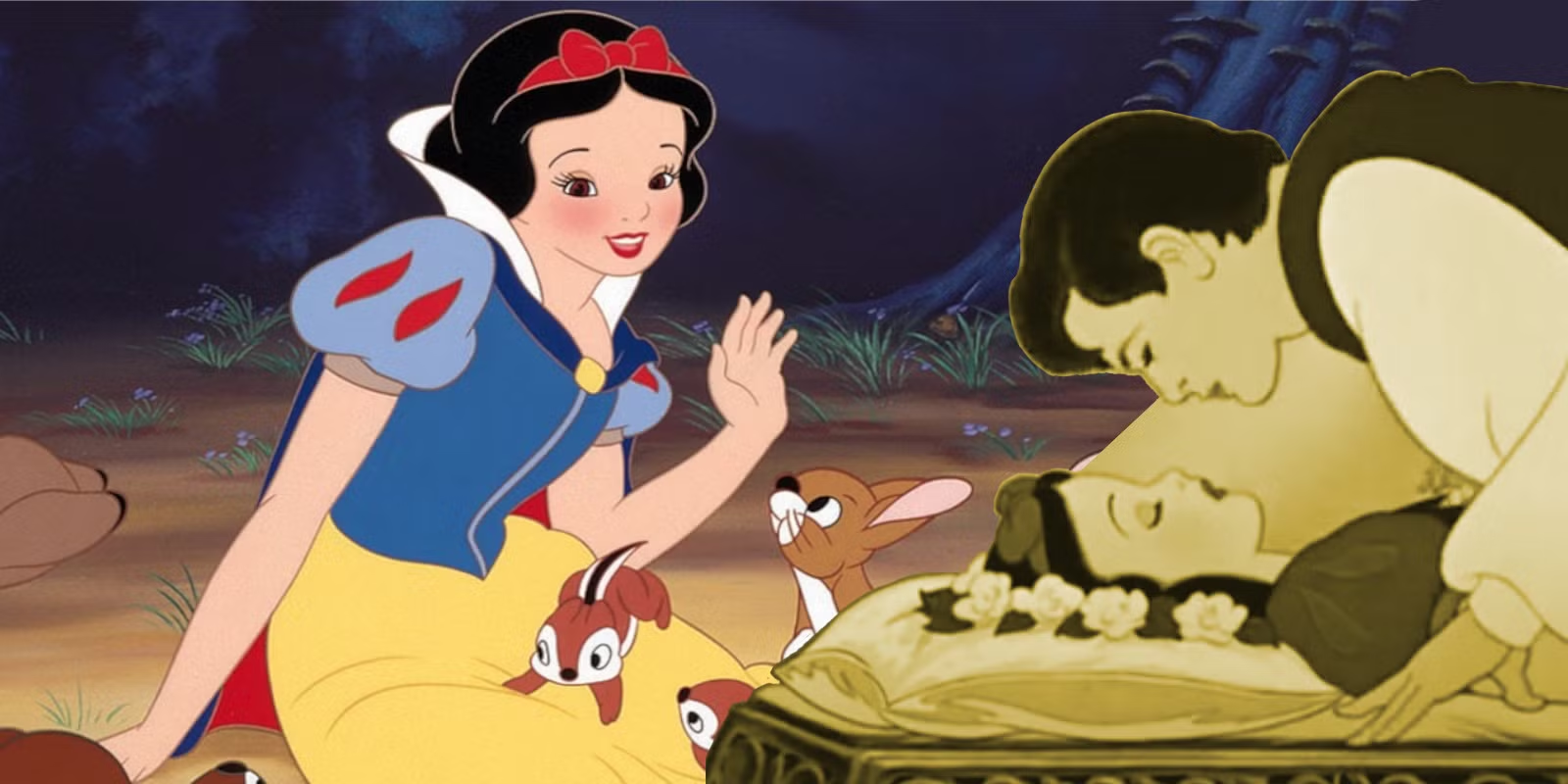
Snow White’s romance with the Prince, while not as fully developed in the film as some other Disney princesses’ relationships, is a central part of the story. The Prince is introduced early in the film when he serenades Snow White with a song, “One Song.” The two share a brief interaction before Snow White is forced to flee from the Queen’s wrath. However, the Prince’s love for Snow White remains unwavering, and he is ultimately the one who breaks the spell with a kiss, waking her from the death-like sleep caused by the poisoned apple.

The Prince represents the traditional fairytale romance that is a staple of Disney’s princess stories. While Snow White and the Prince do not have much screen time together, their connection is portrayed as pure and true. The Prince’s determination to find and rescue Snow White reinforces the theme of true love conquering all, which is a hallmark of many Disney fairytales.

Snow White’s Impact: The Beginning of Disney’s Golden Age

Snow White and the Seven Dwarfs is a groundbreaking film that marks the beginning of the Disney Animation Studios’ Golden Age. Released in 1937, it was Disney’s first full-length animated feature and was groundbreaking in its technical achievement. The film employed innovative techniques in animation, including the use of synchronized sound and color, which had never been seen before in animated films.

The success of Snow White and the Seven Dwarfs helped establish Disney as a leader in the animation industry and set the stage for future Disney classics. Snow White, as the first Disney princess, became an iconic character who would serve as a model for the many princesses who followed in her footsteps. The film’s enduring popularity and the timeless qualities of Snow White’s character have made her a cornerstone of Disney’s legacy.

Over the years, Snow White has been featured in numerous Disney-related media, including television shows, merchandise, theme parks, and special events. She remains a beloved figure and a symbol of the enduring power of kindness, optimism, and love.

Snow White in Popular Culture and Legacy

Snow White’s character continues to resonate with audiences around the world, and her story remains one of the most recognized and cherished fairytales of all time. Her gentle nature, perseverance, and belief in the goodness of others have made her a role model for generations of children. Snow White’s legacy also extends to her influence on the Disney princess franchise, where she serves as the first of many heroines who would inspire audiences with their courage, kindness, and inner strength.

The character of Snow White is a reminder that true beauty comes from within and that kindness, hope, and love are powerful forces that can overcome even the most challenging obstacles. Her story has left an indelible mark on the hearts of Disney fans, ensuring that she will remain a beloved figure in popular culture for many years to come.