Snow White: The Disney’s First Animated Classic

iqsafe.info – Snow White, the beloved princess from Disney’s Snow White and the Seven Dwarfs (1937), is a character who holds a special place in the hearts of Disney fans worldwide. As the first-ever Disney animated feature film, Snow White and the Seven Dwarfs set the stage for an era of animated storytelling, introducing audiences to a timeless fairy tale full of magic, danger, and love. Snow White, as portrayed in the film, epitomizes kindness, innocence, and resilience. She is a character who, despite facing countless hardships, never loses her purity and belief in the goodness of others.

The Origins of Snow White: From Fairy Tale to Disney Classic

The character of Snow White originates from the German fairy tale Snow White by the Brothers Grimm, first published in 1812. In the story, Snow White is a beautiful princess whose wicked stepmother, the Evil Queen, becomes envious of her beauty and seeks to kill her. Snow White is forced to flee into the forest, where she finds refuge with seven dwarfs. The classic tale is one of jealousy, betrayal, and redemption, with Snow White’s eventual rescue by a prince serving as the film’s happy ending.

Disney’s adaptation of this fairy tale took several creative liberties while staying true to its core elements. Snow White’s character in the animated film remains as pure, gentle, and kind as the one in the original story. However, Disney’s Snow White and the Seven Dwarfs also introduced significant changes, including the development of the dwarfs’ personalities and the addition of memorable songs, such as “Someday My Prince Will Come” and “Heigh-Ho.” The film’s animation techniques, character designs, and voice acting were groundbreaking for the time, making Snow White and the Seven Dwarfs a historic achievement in the world of animation.

The Character of Snow White: Kind, Innocent, and Optimistic

Snow White’s character is defined by her unwavering kindness, innocence, and optimism. From the moment she is introduced on-screen, it is clear that she is a gentle and caring person who deeply loves and cares for the world around her. Despite being treated cruelly by her stepmother, the Evil Queen, Snow White never loses her positive outlook on life. She is always seen with a smile on her face, singing songs and tending to the animals in the forest.

One of Snow White’s most remarkable qualities is her empathy and ability to show kindness to everyone she encounters. Even in the face of danger, she remains compassionate and understanding, which is especially evident when she befriends the seven dwarfs. Her kindness is the key to her character’s strength. It’s her purity and willingness to help others that ultimately lead to her rescue, proving that goodness and love can triumph over evil.

Snow White also displays an unwavering sense of optimism. She believes in the possibility of a better future, often repeating the mantra “Someday my prince will come.” Despite being trapped in the Evil Queen’s clutches, she never loses hope that her situation will improve. This hopeful spirit is a significant aspect of her character, and it resonates with viewers, encouraging them to stay positive even in the face of adversity.

The Evil Queen: Snow White’s Arch-Nemesis

The Evil Queen, Snow White’s stepmother, serves as the primary antagonist in Snow White and the Seven Dwarfs. Driven by vanity and jealousy, the Evil Queen becomes obsessed with being the “fairest of them all” and cannot tolerate Snow White’s beauty. She uses her magical powers to try and rid herself of her stepdaughter, culminating in her use of a poisoned apple to put Snow White into a death-like sleep.

The Evil Queen’s jealousy and desire for power are rooted in her insecurity. Her obsession with beauty and youth blinds her to the true meaning of inner beauty and goodness, which Snow White embodies. The Queen’s desire to remain the most beautiful woman in the land leads her down a dark path, resulting in her eventual defeat. In contrast to Snow White’s kindness, the Evil Queen’s wickedness is driven by selfishness and vanity, making her the perfect foil to Snow White’s character.

The Queen’s transformation into the Old Hag, when she gives Snow White the poisoned apple, is one of the most iconic moments in Disney history. The wickedness of the Queen is fully realized in her disguise, which serves as a metaphor for the deception and malice that can lurk behind external beauty.

Snow White’s Relationship with the Seven Dwarfs

One of the most beloved aspects of Snow White and the Seven Dwarfs is the relationship between Snow White and the seven dwarfs, who take her in when she flees from the Evil Queen’s castle. Each dwarf has a distinct personality, which adds to the charm of their interactions with Snow White. The dwarfs—Doc, Grumpy, Happy, Sleepy, Bashful, Sneezy, and Dopey—serve as a comic relief while also playing an important role in the narrative.

The dwarfs are initially cautious about Snow White, but they quickly come to care for her. They are protective of her, and their bond with her is one of mutual respect and affection. Snow White’s relationship with the dwarfs is grounded in her kindness and willingness to care for them, as she helps with chores, cooks meals, and even sings with them. This demonstrates her nurturing side and highlights her ability to bring out the best in others.

Despite their gruff exteriors, the dwarfs are soft-hearted, and they grow to love Snow White like a sister. Their efforts to protect her from the Evil Queen culminate in their attempt to save her from the poisoned apple. The dwarfs’ loyalty and devotion to Snow White are central to the story’s themes of friendship, loyalty, and love.

Snow White and the Prince: A Fairytale Romance

Snow White’s romance with the Prince, while not as fully developed in the film as some other Disney princesses’ relationships, is a central part of the story. The Prince is introduced early in the film when he serenades Snow White with a song, “One Song.” The two share a brief interaction before Snow White is forced to flee from the Queen’s wrath. However, the Prince’s love for Snow White remains unwavering, and he is ultimately the one who breaks the spell with a kiss, waking her from the death-like sleep caused by the poisoned apple.

The Prince represents the traditional fairytale romance that is a staple of Disney’s princess stories. While Snow White and the Prince do not have much screen time together, their connection is portrayed as pure and true. The Prince’s determination to find and rescue Snow White reinforces the theme of true love conquering all, which is a hallmark of many Disney fairytales.

Snow White’s Impact: The Beginning of Disney’s Golden Age

Snow White and the Seven Dwarfs is a groundbreaking film that marks the beginning of the Disney Animation Studios’ Golden Age. Released in 1937, it was Disney’s first full-length animated feature and was groundbreaking in its technical achievement. The film employed innovative techniques in animation, including the use of synchronized sound and color, which had never been seen before in animated films.

The success of Snow White and the Seven Dwarfs helped establish Disney as a leader in the animation industry and set the stage for future Disney classics. Snow White, as the first Disney princess, became an iconic character who would serve as a model for the many princesses who followed in her footsteps. The film’s enduring popularity and the timeless qualities of Snow White’s character have made her a cornerstone of Disney’s legacy.

Over the years, Snow White has been featured in numerous Disney-related media, including television shows, merchandise, theme parks, and special events. She remains a beloved figure and a symbol of the enduring power of kindness, optimism, and love.

Snow White in Popular Culture and Legacy

Snow White’s character continues to resonate with audiences around the world, and her story remains one of the most recognized and cherished fairytales of all time. Her gentle nature, perseverance, and belief in the goodness of others have made her a role model for generations of children. Snow White’s legacy also extends to her influence on the Disney princess franchise, where she serves as the first of many heroines who would inspire audiences with their courage, kindness, and inner strength.

The character of Snow White is a reminder that true beauty comes from within and that kindness, hope, and love are powerful forces that can overcome even the most challenging obstacles. Her story has left an indelible mark on the hearts of Disney fans, ensuring that she will remain a beloved figure in popular culture for many years to come.
Pyar Ka Mausam (1969): A Classic Bollywood Romance

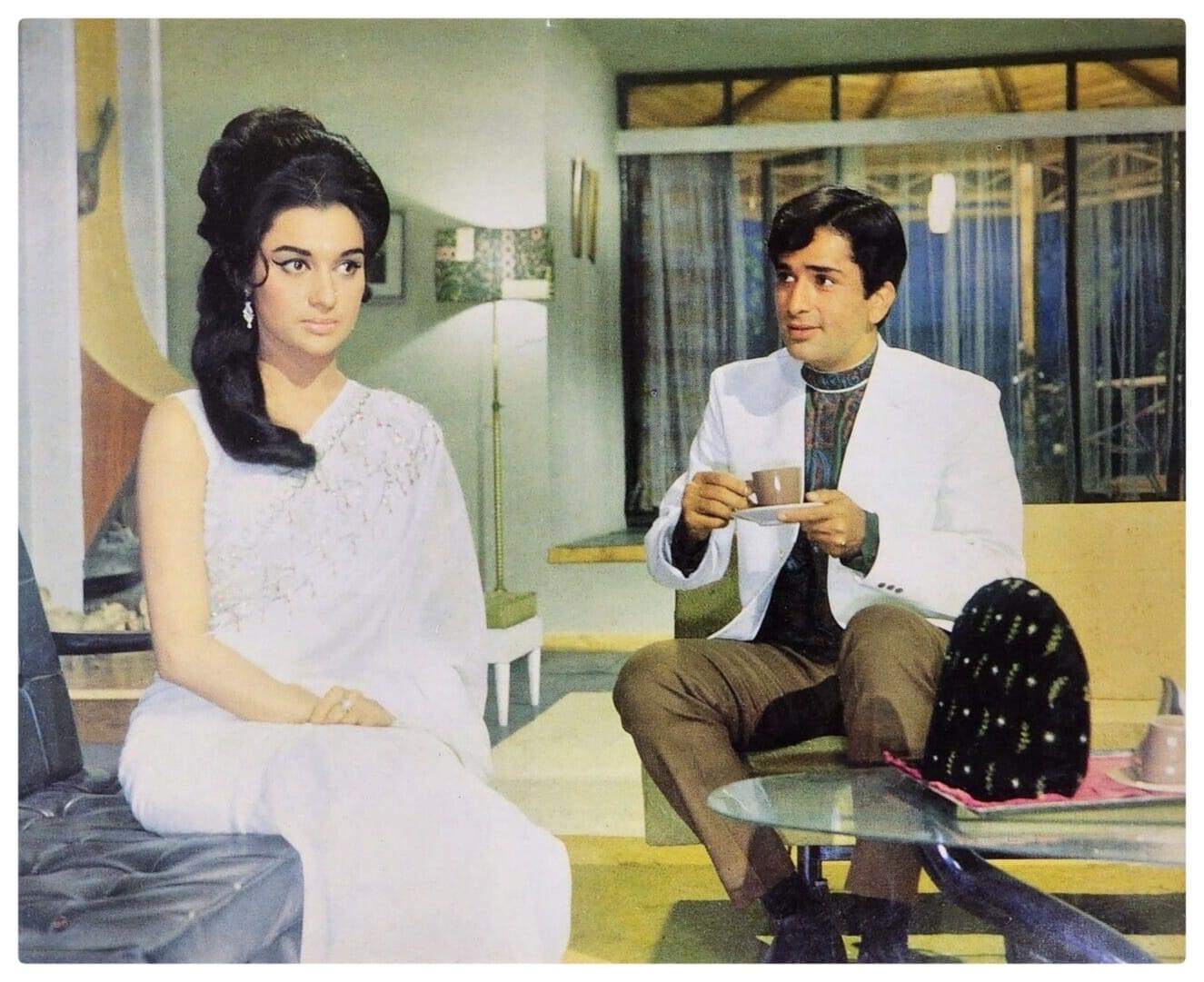
iqsafe.info – Released in 1969, Pyar Ka Mausam is a romantic musical drama that blends the beauty of love with the charm of soulful music. Directed by the renowned director M.A. Rauf, the film features a star-studded cast led by the charismatic Shammi Kapoor, alongside Asha Parekh and an ensemble of talented actors like Pran and Nazir Hussain. Pyar Ka Mausam stands as one of the most memorable romantic films of the late 1960s, captivating audiences with its beautiful songs, picturesque visuals, and a heartwarming love story.

Plot Overview

Pyar Ka Mausam tells the story of a young man named Vijay (Shammi Kapoor), who falls deeply in love with a charming woman named Meena (Asha Parekh). The film begins in a picturesque setting where Vijay, a man of simple desires, meets Meena and is instantly smitten by her beauty and charm. Their love blossoms quickly, and the two share a series of beautiful moments together.

However, the story takes a dramatic turn when circumstances separate the two lovers. Meena is forced to go abroad due to a family crisis, and Vijay is left behind, heartbroken and uncertain of the future. As time passes, the seasons change, and Vijay continues to hold on to the hope of reuniting with Meena. Meanwhile, Meena, living abroad, is also struggling with her emotions and the passage of time.

The film is not just a tale of romantic love but also explores the passage of time and the changes that occur in one’s life and heart. As Vijay waits for Meena, he begins to question whether true love can survive the tests of time, distance, and life’s inevitable changes. The love story unfolds against the backdrop of vibrant songs, picturesque locations, and emotional trials, capturing the essence of young love, longing, and hope.

Performances

Shammi Kapoor’s performance as Vijay is a central highlight of the film. Known for his exuberant energy and charm, Kapoor effortlessly portrays the character of a man torn between love and longing. His expressive acting and captivating screen presence make Vijay’s emotional journey relatable to audiences, especially in the way he conveys the pain of separation and the joy of reunion.

Asha Parekh, playing Meena, complements Kapoor’s performance beautifully with her grace and elegance. Parekh’s portrayal of a woman torn between duty and love showcases her depth as an actress. Her on-screen chemistry with Shammi Kapoor adds a layer of sweetness to the romantic narrative, making their relationship one that resonates deeply with viewers.

Supporting performances from actors like Pran, Nazir Hussain, and others add depth to the narrative, providing a balanced blend of drama and lighthearted moments. The cast’s collective effort enhances the film’s overall impact, making it a well-rounded romantic drama.

Music and Cultural Impact

One of the key factors behind the enduring popularity of Pyar Ka Mausam is its unforgettable music, composed by the legendary duo Shankar Jaikishan. The film’s soundtrack features some of the most beloved songs in Bollywood history, capturing the emotional essence of the narrative with melodious tunes and poignant lyrics. The film’s music, especially songs like “Bada Natkhat Hai,” “Pyar Ka Mausam,” and “Dil Ki Nazar Se,” became instantly popular and continue to be remembered fondly by fans of classic Bollywood music.

The title track, Pyar Ka Mausam, sung by Mohammed Rafi, encapsulates the theme of the film perfectly—depicting the ever-changing nature of love and the seasons of life. Other songs in the film, including “Bada Natkhat Hai” and “Dil Ki Nazar Se,” are equally iconic, capturing the lighthearted and romantic moments of the film. These songs are not only a testament to the brilliance of Shankar Jaikishan but also to the timeless appeal of Hindi film music.

The music of Pyar Ka Mausam played a significant role in making the film a hit, and the songs became deeply ingrained in popular culture, contributing to the film’s lasting appeal.

Legacy

Pyar Ka Mausam was both a commercial and critical success upon its release. Its beautiful songs, picturesque visuals, and heartfelt romance made it one of the most cherished films of the late 1960s. The film also solidified Shammi Kapoor’s position as a leading romantic hero in Bollywood, and Asha Parekh’s performance further enhanced her standing as one of the finest actresses of her time.

The success of Pyar Ka Mausam contributed to the popularity of romantic dramas in Bollywood, and it remains an important part of the genre’s history. The film’s timeless music continues to be celebrated, and its songs are often included in playlists of classic Bollywood hits. The film also helped bring attention to the talents of Shankar Jaikishan, whose music remains iconic.

Over the years, Pyar Ka Mausam has earned a special place in the hearts of Bollywood enthusiasts, particularly for its portrayal of enduring love and the passage of time. Its songs, performances, and emotional depth ensure that it remains a classic in the annals of Hindi cinema.

Today, Pyar Ka Mausam continues to be regarded as a heartwarming tale of love, with a unique combination of romance, music, and emotional storytelling that is still appreciated by audiences, both old and new. The film’s legacy is firmly anchored in its delightful music, memorable performances, and its celebration of the timeless nature of love.

Neşeli Günler (Happy Days, 1978): A Classic of Turkish Comedy

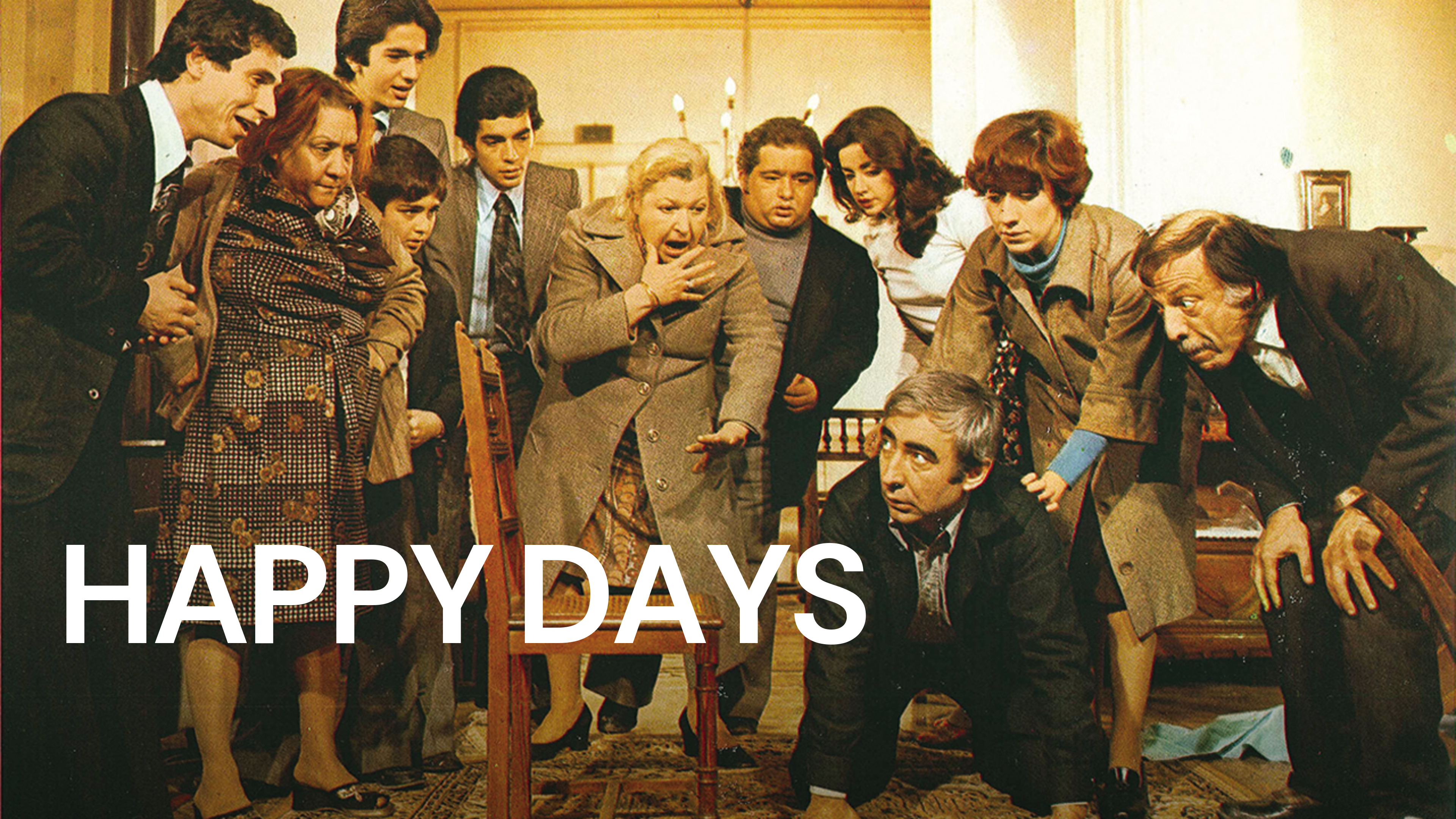
iqsafe.info – Neşeli Günler (Happy Days), a 1978 Turkish comedy directed by Orhan Aksoy and starring the iconic duo Adile Naşit and Münir Özkul, remains a beloved classic of Turkish cinema. This heartwarming and hilarious film offers a timeless portrayal of family dynamics, exploring the ups and downs of married life, the challenges of raising children, and the enduring power of family bonds. Its enduring popularity stems from its relatable characters, witty dialogue, and its ability to blend humor with moments of genuine emotion. This article delves into the narrative, themes, characters, and lasting impact of this cherished film.

Narrative: A Spat Over Pickles and the Unraveling of Family Life

The story of Neşeli Günler revolves around Saadet (Adile Naşit) and Kazım (Münir Özkul), a married couple with six children. Their seemingly ordinary life takes a comical turn when a trivial argument over how to prepare pickles (vinegar versus lemon) escalates into a full-blown separation. This seemingly insignificant disagreement becomes a catalyst for the unraveling of their family life, as the children are divided between their parents, each taking one side in the “pickle war.”

The film follows the separate lives of Saadet and Kazım and the impact their separation has on their children. The children, despite their initial loyalty to their respective parents, long for their family to be reunited. The narrative is filled with humorous situations and witty exchanges, as the family members navigate their new circumstances and attempt to maintain some semblance of normalcy. The film cleverly uses the “pickle war” as a symbolic representation of the petty disagreements that can escalate into larger conflicts within families.

Themes: Exploring the Complexities of Family Life

Neşeli Günler explores several relatable themes:

  • Family Dynamics and Conflict: The film realistically portrays the everyday conflicts and disagreements that occur within families. The “pickle war” serves as a humorous example of how even trivial matters can become sources of tension.
  • The Importance of Family Unity: Despite the humorous portrayal of their separation, the film emphasizes the importance of family unity and the emotional toll that separation can take on family members, especially children.
  • The Power of Reconciliation: Neşeli Günler ultimately offers a message of hope and reconciliation. The film suggests that even after significant disagreements, families can find a way to come back together and rebuild their bonds.
  • The Role of Parents: The film explores the different roles that parents play in a family and the impact their actions have on their children. Saadet and Kazım, despite their flaws, ultimately demonstrate their love and concern for their children.

Characters: Iconic Representations of Turkish Family Life

The characters in Neşeli Günler are iconic figures in Turkish popular culture, largely due to the exceptional performances of Adile Naşit and Münir Özkul:

  • Saadet: Saadet, played with warmth and humor by Adile Naşit, is the heart of the family. She is a loving mother and wife who strives to keep her family together.
  • Kazım: Kazım, portrayed with his characteristic gruffness and underlying warmth by Münir Özkul, is the patriarch of the family. Despite his stubbornness, he deeply cares for his family.
  • The Children: The six children represent different personalities and perspectives within the family dynamic. They serve as a reminder of the impact that parental conflict can have on children.

Lasting Impact: A Cultural Touchstone of Turkish Comedy

Neşeli Günler has become a cultural touchstone in Turkey, remaining a beloved and frequently rewatched film. Its witty dialogue, relatable characters, and heartwarming message have resonated with audiences for decades. The film’s enduring popularity is largely attributed to the iconic performances of Adile Naşit and Münir Özkul, whose on-screen chemistry and comedic timing have become legendary. The film’s simple yet effective storytelling and its focus on universal themes of family and love have cemented its place as a classic of Turkish comedy.

Conclusion: A Timeless Celebration of Family and Laughter

Neşeli Günler is more than just a comedy; it is a celebration of family, love, and the power of laughter. Its humorous portrayal of family dynamics, coupled with its underlying message of unity and reconciliation, has made it a timeless classic. The film’s enduring legacy lies in its ability to bring joy and laughter to audiences while also reminding us of the importance of cherishing our family bonds. It continues to be a staple of Turkish television and a beloved reminder of the golden age of Turkish cinema.

Rosół: A Classic Polish Comfort Food – A Taste of Tradition

iqsafe.info – Rosół, a clear chicken broth, is a beloved Polish soup that has been enjoyed for centuries. This simple yet elegant dish is a staple of Polish cuisine, often served as a first course or a light meal. Rosół is known for its delicate flavor, clear broth, and tender pieces of chicken.

A Taste of Tradition

The origins of Rosół can be traced back to medieval times, when it was a popular dish among Polish nobility. Over the centuries, Rosół has evolved into a diverse range of soups, each with its own regional variations. Despite these regional differences, the core ingredients and preparation methods remain relatively consistent.

The Art of Making Rosół

Making Rosół is a relatively simple process that involves simmering chicken, vegetables, and herbs in water until the flavors have infused the broth. The resulting broth is then strained to remove any solids, leaving behind a clear and flavorful liquid.

Key Ingredients:

  • Chicken: A whole chicken or chicken parts, such as a whole chicken, chicken legs, or chicken breasts, are commonly used to make Rosół.
  • Vegetables: Carrots, parsnips, celery root, and onions are often added to the broth for sweetness and flavor.
  • Herbs: Bay leaves, black peppercorns, and allspice are commonly used to season the broth.

A Culinary Journey Through Poland

Rosół is a versatile dish that can be enjoyed in many different ways. It can be served hot or cold, as a first course or a light meal. Traditionally, Rosół is served with noodles, such as makaron or łazanki. Alternatively, the soup can be served with vegetables, such as carrots, parsnips, or celery root.

Beyond Poland’s Borders

The popularity of Rosół has extended beyond the borders of Poland. Polish immigrants brought this beloved soup to countries around the world, where it has been embraced by people of diverse cultures. Today, Rosół can be found on menus in Polish restaurants and homes, offering a taste of Polish culinary heritage.

The Hangman (1959): A Classic Western with a Moral Dilemma

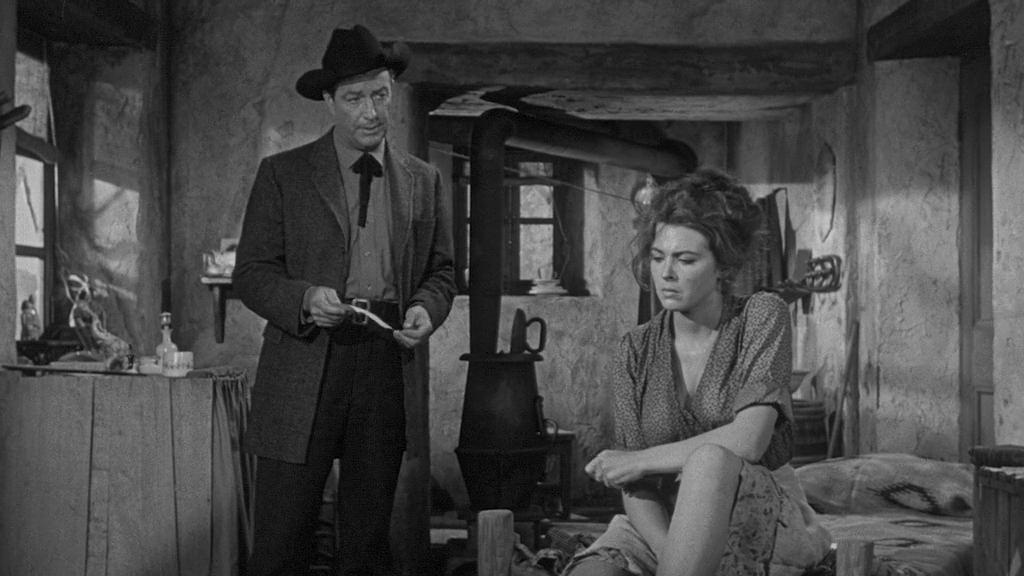
iqsafe.info – Michael Curtiz’s 1959 film, The Hangman, is a gripping Western that delves into the complexities of justice and morality. Starring Robert Taylor as Deputy U.S. Marshal Mac Bovard, the film explores the psychological toll of a man dedicated to bringing criminals to justice, no matter the cost.   

A Relentless Pursuit of Justice

Mac Bovard, a hardened lawman known for his unwavering commitment to justice, is tasked with tracking down a notorious gang of outlaws. As he closes in on his target, he encounters a small town where the lines between right and wrong become blurred. The town’s sheriff, Buck Weston (Fess Parker), is a kind and respected figure who believes in second chances. However, Bovard’s relentless pursuit of justice threatens to disrupt the town’s peaceful existence.   

A Moral Conundrum

The film delves into the moral implications of Bovard’s actions. While he is driven by a strong sense of duty, his methods often border on ruthlessness. He is a man haunted by the past, and his obsession with bringing criminals to justice has taken a toll on his personal life.

The central conflict of the film revolves around the character of Johnny Bishop (Jack Lord), a charming and charismatic figure who is suspected of being one of the outlaws. As Bovard investigates Bishop, he becomes increasingly conflicted. While the evidence points to Bishop’s guilt, there is also a growing sense of doubt.   

A Strong Performance by Robert Taylor

Robert Taylor delivers a powerful performance as Mac Bovard. His portrayal of a man consumed by his work is both compelling and tragic. The film also features strong supporting performances from Fess Parker, Tina Louise, and Jack Lord.   

The Hangman is a well-crafted Western that offers a thought-provoking exploration of justice, morality, and the human condition. Its complex characters and gripping storyline make it a classic of the genre.