Rosół: A Classic Polish Comfort Food – A Taste of Tradition

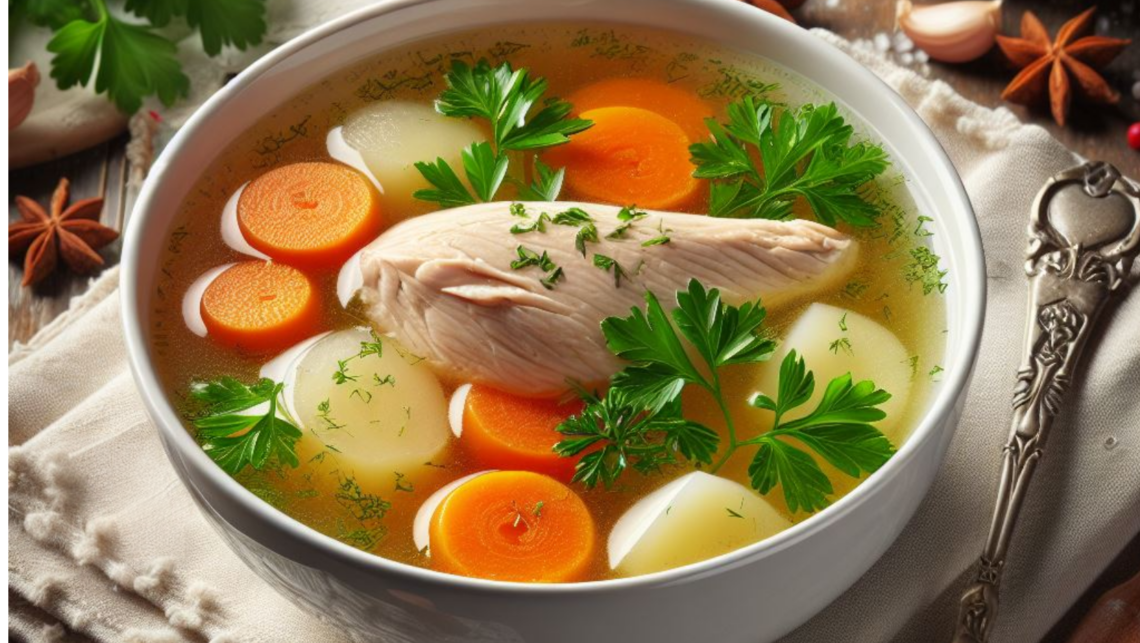
iqsafe.info – Rosół, a clear chicken broth, is a beloved Polish soup that has been enjoyed for centuries. This simple yet elegant dish is a staple of Polish cuisine, often served as a first course or a light meal. Rosół is known for its delicate flavor, clear broth, and tender pieces of chicken.

A Taste of Tradition

The origins of Rosół can be traced back to medieval times, when it was a popular dish among Polish nobility. Over the centuries, Rosół has evolved into a diverse range of soups, each with its own regional variations. Despite these regional differences, the core ingredients and preparation methods remain relatively consistent.

The Art of Making Rosół

Making Rosół is a relatively simple process that involves simmering chicken, vegetables, and herbs in water until the flavors have infused the broth. The resulting broth is then strained to remove any solids, leaving behind a clear and flavorful liquid.

Key Ingredients:

  • Chicken: A whole chicken or chicken parts, such as a whole chicken, chicken legs, or chicken breasts, are commonly used to make Rosół.
  • Vegetables: Carrots, parsnips, celery root, and onions are often added to the broth for sweetness and flavor.
  • Herbs: Bay leaves, black peppercorns, and allspice are commonly used to season the broth.

A Culinary Journey Through Poland

Rosół is a versatile dish that can be enjoyed in many different ways. It can be served hot or cold, as a first course or a light meal. Traditionally, Rosół is served with noodles, such as makaron or łazanki. Alternatively, the soup can be served with vegetables, such as carrots, parsnips, or celery root.

Beyond Poland’s Borders

The popularity of Rosół has extended beyond the borders of Poland. Polish immigrants brought this beloved soup to countries around the world, where it has been embraced by people of diverse cultures. Today, Rosół can be found on menus in Polish restaurants and homes, offering a taste of Polish culinary heritage.
Kaeng Jeut: A Comforting Thai Soup – A Culinary Tradition

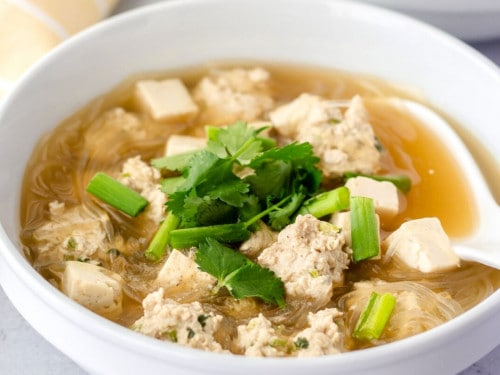
iqsafe.info Kaeng Jeut is a beloved Thai soup that offers a comforting and flavorful experience. This versatile dish typically features a combination of vegetables, pork, and a rich, aromatic broth.

A Symphony of Flavors

The key to a great Kaeng Jeut lies in the balance of flavors. The broth is often made with pork bones, which imparts a rich and savory flavor. Vegetables, such as winter melon, pumpkin, and green beans, add a sweet and slightly starchy note. The addition of herbs, such as galangal, lemongrass, and kaffir lime leaves, creates a complex and aromatic flavor profile.

A Culinary Tradition

Kaeng Jeut is a traditional Thai dish that has been enjoyed for generations. It’s often served with steamed rice, making it a hearty and satisfying meal. The soup is particularly popular during the cooler months, as it provides warmth and comfort.

A Versatile Dish

Kaeng Jeut is a versatile dish that can be adapted to suit individual preferences. Some people like to add noodles to the soup, while others prefer to keep it simple with just vegetables and pork. The soup can also be customized with different types of vegetables and herbs, depending on what is available.

A Taste of Thai Culture

Kaeng Jeut is more than just a food; it’s a cultural symbol. It represents the simplicity and elegance of Thai cuisine. The dish is often shared among family and friends, and it’s a way to connect with loved ones and celebrate special occasions.

If you’re looking for a comforting and flavorful Thai soup, Kaeng Jeut is a must-try. Its rich broth, tender vegetables, and aromatic herbs make it a truly satisfying dish.

Wakayama City: A Blend of Tradition and Nature

iqsafe.info – Wakayama City, the capital of Wakayama Prefecture in Japan, is a captivating destination known for its rich history, stunning landscapes, and cultural attractions. Located along the Kii Peninsula, this city offers a harmonious blend of traditional heritage and natural beauty. In this article, we delve into what makes Wakayama City a must-visit location.

A Journey Through History

Wakayama City has a deep historical background, with roots tracing back to the feudal era. It flourished as a castle town under the rule of the Tokugawa family. Today, the city’s historical sites are a testament to its storied past, drawing visitors who are eager to explore its cultural legacy.

Must-Visit Attractions

  1. Wakayama Castle: Standing proudly on a hill overlooking the city, Wakayama Castle is an iconic symbol of the area. Visitors can explore the castle grounds and enjoy panoramic views of the city and the surrounding landscapes.
  2. Kimiidera Temple: This ancient temple, known for its beautiful cherry blossoms in spring, offers a serene and spiritual retreat. It is one of the most significant Buddhist temples in the region.
  3. Kuroshio Market: For a taste of local cuisine, head to Kuroshio Market. Here, you can savor fresh seafood, including the famous tuna cutting shows, which are a highlight for food lovers.
  4. Wakaura Tenman-gu Shrine: Nestled in a picturesque setting, this shrine is dedicated to the deity of learning and culture. It’s a peaceful spot for reflection and appreciation of traditional architecture.

Embracing Nature

Wakayama City is blessed with natural beauty, from its coastal views to lush green parks. The nearby Wakanoura Bay is perfect for those who enjoy scenic walks, while the surrounding areas offer hiking opportunities for outdoor enthusiasts.

Modern Amenities

While Wakayama City honors its historical roots, it also offers modern conveniences and attractions. Shopping centers, entertainment options, and cultural events provide a contemporary complement to the city’s traditional charm.

Conclusion

Wakayama City is a destination that beautifully combines historical intrigue with natural allure. Whether you are interested in exploring ancient castles, indulging in delicious seafood, or simply enjoying the serene landscapes, Wakayama City has something for everyone. Its unique blend of past and present makes it an unforgettable place to visit.

Exploring Micronesia’s Culinary Traditions & Local Cuisine

iqsafe.info – Micronesia, a collection of islands in the western Pacific Ocean, offers a rich and diverse culinary landscape that reflects its unique cultural heritage and natural resources. The local cuisine is a delightful blend of traditional practices and modern influences, making it a fascinating subject for food enthusiasts and travelers alike.

Staple Ingredients and Influences

The foundation of Micronesian cuisine lies in its staple ingredients, which include taro, yam, breadfruit, coconuts, and bananas. These root vegetables and fruits are integral to the diet and are often used in various dishes and preparations. Additionally, rice is an important imported staple, reflecting the influence of neighboring Asian cultures.

The ocean plays a significant role in Micronesian cuisine, providing an abundance of fish and shellfish. This marine bounty is not only a primary source of protein but also adds a unique flavor profile to many traditional dishes.

Traditional Dishes

Micronesian cuisine boasts a variety of traditional dishes that are both flavorful and culturally significant. Here are some notable examples:

Taro and Banana Leaf Wraps

One of the most iconic dishes is taro wrapped in banana leaves. This dish is often prepared during festivals and special occasions. The taro is cooked with coconut milk and other seasonings, then wrapped in banana leaves to steam, resulting in a soft, flavorful dish.

Chicken Kelaguen

Chicken Kelaguen is a popular dish made with marinated chicken, coconut milk, and a variety of spices. It is often served with rice and is a favorite among locals and visitors alike.

Pohnpei-Style Crab Cakes

These crab cakes are a unique twist on a classic dish, featuring fresh crab meat mixed with local spices and then fried to perfection. They are a must-try for seafood lovers visiting the island of Pohnpei.

Chuukese Fish

Chuukese fish dishes are known for their simplicity and freshness. The fish is often grilled or steamed and served with a side of taro or breadfruit, highlighting the natural flavors of the ingredients.

Culinary Festivals and Demonstrations

Micronesia hosts several culinary festivals throughout the year, where visitors can indulge in local cuisine and watch traditional cooking demonstrations. These events provide a hands-on experience of the island’s culinary traditions and are a great way to learn about the preparation methods and cultural significance of various dishes.

Modern Influences

While traditional dishes remain a cornerstone of Micronesian cuisine, there is also a growing influence of modern cooking techniques and international flavors. This fusion can be seen in the way local ingredients are combined with contemporary culinary practices, creating a unique dining experience that appeals to a broader audience.

Conclusion

Micronesia’s culinary traditions offer a glimpse into the rich cultural tapestry of the Pacific Islands. From the staple ingredients of taro and coconut to the diverse array of traditional dishes, the local cuisine is a testament to the region’s natural bounty and culinary creativity. Whether you are a food lover or a curious traveler, exploring Micronesia’s culinary delights is an unforgettable experience that should not be missed.

Kiribati’s Culture: Traditions & Customs of the I-Kiribati People

iqsafe.info – Kiribati, a nation of 33 atolls and reef islands in the central Pacific Ocean, is home to the I-Kiribati people, whose rich culture is deeply intertwined with their environment and history. The traditions and customs of the I-Kiribati reflect their strong communal bonds, respect for elders, and deep spiritual beliefs. This article delves into the heart of Kiribati’s culture, exploring the practices that define the I-Kiribati way of life.

Traditional Dance and Music

At the core of I-Kiribati culture is the vibrant tradition of dance and music. Performances often tell stories of historical events, legends, and the daily life of the islands. The most famous of these is the “te bonbon,” a dance that involves intricate hand movements and body sways, accompanied by songs and the beating of drums. These performances are not only a form of entertainment but also a means of preserving the heritage and passing down knowledge from one generation to the next.

The Role of Elders and Community

In Kiribati, elders are held in high esteem and play a crucial role in community life. They are the keepers of traditional knowledge, including navigation, agriculture, and medicinal practices. Community decisions are often made with the guidance of elders, ensuring that the wisdom of the past is integrated into the present. This respect for elders fosters a strong sense of unity and continuity within I-Kiribati society.

Spiritual Beliefs and Practices

The I-Kiribati people have a deep spiritual connection to their land and sea. Traditional beliefs include the worship of ancestral spirits and gods, with each island having its own deities and rituals. Christianity, introduced by missionaries in the 19th century, has also become an integral part of I-Kiribati spirituality, blending with indigenous beliefs to create a unique religious landscape. Prayers, church services, and festivals are central to the cultural calendar, reflecting the importance of spirituality in daily life.

Craftsmanship and Art

I-Kiribati artisans are skilled in creating beautiful crafts that reflect their cultural heritage. From intricate weaving and carving to the making of traditional canoes, these crafts are not only aesthetically pleasing but also functional, often used in daily life or during ceremonies. The art of tattooing, known as “moko,” is another significant aspect of I-Kiribati culture, with tattoos serving as markers of identity, status, and life events.

Cuisine and Festivals

The cuisine of Kiribati is a reflection of the island’s resources, with a focus on seafood, coconut, and breadfruit. Traditional dishes such as “baba,” a pudding made from coconut and arrowroot, and “te kain kain,” a mix of fish, coconut, and taro leaves, are staples of I-Kiribati meals. Festivals, such as the Te Maeva Nui, celebrate the nation’s independence with feasts, sports, and cultural performances, showcasing the rich culinary and artistic traditions of the islands.

Conclusion

The culture of the I-Kiribati people is a testament to their resilience, creativity, and deep connection to their land and sea. Through their traditions and customs, they have preserved their heritage while adapting to the challenges of modern life. As Kiribati faces the impacts of climate change and globalization, the strength of its cultural identity remains a source of pride and unity for the I-Kiribati people.