Mr. Peabody & Sherman (2014) – Wit, Heart, and History

iqsafe.info – Mr. Peabody & Sherman (2014) is an animated science-fiction comedy film produced by DreamWorks Animation and directed by Rob Minkoff. Based on the classic Peabody’s Improbable History segments from The Rocky and Bullwinkle Show, the film offers a contemporary reimagining of the beloved characters, Mr. Peabody, a genius dog, and his human-adopted son, Sherman. The film blends humor, history, and heart, delivering an adventurous story of time travel that takes viewers on a thrilling ride through history’s most significant moments. With stunning animation, a star-studded voice cast, and a heartfelt message about family and acceptance, Mr. Peabody & Sherman has captured the hearts of audiences around the world.

At its core, the film is about the relationship between an incredibly intelligent dog, Mr. Peabody, and his young son, Sherman. As the two embark on an accidental time-traveling journey, they encounter iconic figures from history, face challenges, and learn valuable lessons about love, family, and the importance of being true to oneself.

Plot Summary: A Witty and Heartwarming Time-Travel Adventure

The story begins in modern-day New York City, where Mr. Peabody (voiced by Ty Burrell), an exceptionally intelligent and cultured dog, lives a life of luxury and accomplishment. Mr. Peabody holds numerous patents, has won prestigious awards, and is considered a historical figure in his own right. However, despite his remarkable achievements, he faces skepticism and prejudice from society due to his being a dog. Undeterred by the criticisms, Mr. Peabody pours his energy into creating innovative inventions, with the most important one being the WABAC, a time machine that allows him to travel to different points in history.

After adopting a human boy named Sherman (voiced by Max Charles), who is eager to learn but sometimes gets into trouble, Mr. Peabody begins raising him with the same discipline and high expectations that he applies to his own life. The bond between father and son is unique, with Mr. Peabody taking a proactive approach in providing Sherman with an education that spans beyond the classroom walls. He teaches Sherman about history and culture through thrilling adventures in the WABAC, offering Sherman a chance to interact with historical figures and events firsthand.

However, Sherman’s life takes a turn when he brings his new classmate, Penny Peterson (voiced by Ariel Winter), over to their home. Penny, a smart and curious girl, is skeptical of Mr. Peabody’s abilities and openly questions the unconventional nature of Sherman’s family. In an attempt to impress Penny and avoid further humiliation, Sherman takes Penny for a ride in the WABAC, causing the time machine to malfunction and sending them both back in time to the ancient past.

As Mr. Peabody discovers that his son and Penny have accidentally altered history by interacting with iconic figures such as Cleopatra, Leonardo da Vinci, and King Arthur, he must embark on a dangerous mission to fix the timeline and restore history before it’s too late. Along the way, Mr. Peabody and Sherman work together to prevent catastrophic events from unfolding, all while strengthening their father-son bond. The film takes viewers on a whirlwind journey through history, combining exciting action sequences with witty humor and touching moments.

Mr. Peabody’s Role as a Father

One of the central themes of Mr. Peabody & Sherman is the father-son relationship between Mr. Peabody and Sherman. As an extraordinary dog who has accomplished great feats in life, Mr. Peabody’s most significant role is that of a father. The film explores his unique approach to parenting, focusing on the challenges he faces as a non-human raising a human child. Mr. Peabody is determined to provide Sherman with the best education, but his high expectations and unconventional methods sometimes lead to tension between the two.

Mr. Peabody’s intelligence and desire to offer Sherman the best opportunities often clash with the fact that Sherman is still a young boy, learning about the world and developing his own personality. The tension between their different perspectives becomes more apparent as Sherman grows older and begins to question his place in the world. Mr. Peabody’s overprotectiveness is revealed when Sherman makes a mistake, taking Penny on an unapproved trip in the WABAC, which leads to the disruption of historical events. The father-son dynamic, while strained at times, is ultimately rooted in love and a desire for Sherman to understand the world in the best way possible.

Through their adventures in time, Mr. Peabody learns to let go of his perfectionist tendencies and trust his son’s instincts. Sherman, in turn, learns valuable lessons about courage, responsibility, and what it means to be part of a family—whether by blood or by choice.

Penny Peterson and the Role of Friendship

Another essential element in the movie is the relationship between Sherman and Penny Peterson. Penny is introduced as Sherman’s classmate, a confident and assertive girl who quickly becomes his friend, though their relationship is tested when they both travel through time. Penny represents the opposite of Sherman in many ways—she is outgoing and determined, while Sherman is more reserved and eager to please.

Throughout the movie, Penny and Sherman’s friendship grows stronger, despite the rocky start and the chaotic time-traveling mishaps. Penny initially mocks Sherman for having an unusual family dynamic, but as the adventure progresses, she comes to appreciate Mr. Peabody and Sherman’s bond. Penny’s character also highlights the importance of overcoming prejudices and learning to accept others for who they are, no matter their differences.

Penny’s bravery and determination shine through during their time-traveling escapades. She becomes an integral part of the team as the group works together to fix the time continuum and prevent history from being altered permanently. Through their shared adventure, Penny and Sherman grow closer, realizing the strength of their friendship and the value of having each other’s back.

Time Travel and Historical Lessons: A Fun Way to Learn History

The most exciting aspect of Mr. Peabody & Sherman is the WABAC machine and its ability to transport the characters through time, allowing viewers to experience history in a fun and interactive way. Throughout their journey, Mr. Peabody and Sherman encounter a variety of historical figures and key moments in history, including:

  • Cleopatra – The ancient Egyptian queen, who briefly falls in love with Sherman and inadvertently causes chaos in the timeline.
  • Leonardo da Vinci – The Renaissance genius, who lends his artistic and inventive talents to the group while also adding humor to the story.
  • King Arthur – The legendary ruler of Camelot, whose famous sword-in-the-stone moment plays a key role in the adventure.

The film brings these historical figures and events to life in a way that is both entertaining and educational. Mr. Peabody, with his encyclopedic knowledge of history, often explains the significance of each event or person they encounter, giving Sherman—and the audience—a greater appreciation for the richness of human history. However, the film also takes liberties with historical accuracy, often introducing comedic elements to these characters and events, making them more approachable for younger audiences.

By blending historical education with whimsical time-traveling fun, Mr. Peabody & Sherman creates a balance between humor and learning. It sparks curiosity about history while encouraging children to ask questions and explore the past in more depth.

Animation, Visuals, and Humor: A Family-Friendly Experience

Mr. Peabody & Sherman boasts stunning animation, with vibrant colors, dynamic action sequences, and creative character designs. The character of Mr. Peabody is particularly well-designed, capturing the elegance and sophistication of the highly intelligent dog, while also highlighting his humorous and endearing qualities. Sherman, with his youthful energy and sense of adventure, contrasts with Mr. Peabody’s calm demeanor, creating a visually striking dynamic between the two.

The visual effects during the time-travel sequences are dazzling, with the WABAC machine whisking the characters through different time periods, each with its own distinct look and feel. The film’s animation is designed to be both appealing to children and visually stunning for adults, with clever details and vibrant backgrounds that keep the story exciting and engaging.

Humor is another key element of Mr. Peabody & Sherman, and the film delivers plenty of laughs. From Mr. Peabody’s witty one-liners to Sherman’s childlike humor, the film is filled with clever jokes, visual gags, and situational comedy that will entertain audiences of all ages. The film’s humor is smart and clever, with plenty of layers that allow adults to enjoy the story just as much as younger viewers.

Themes of Family, Acceptance, and Self-Discovery

At its heart, Mr. Peabody & Sherman is a film about family and acceptance. The movie explores the challenges of parenting in an unconventional family dynamic, where a dog raises a human child. It delves into the difficulties of balancing high expectations with unconditional love and the importance of allowing children to make mistakes as they grow and learn.

The film also addresses the themes of self-discovery and the importance of being true to oneself. Sherman, though adopted by a genius dog, is still trying to find his own identity and place in the world. His time-traveling adventure with Mr. Peabody forces him to step out of his comfort zone, confront his insecurities, and ultimately gain confidence in who he is.

In the end, the film conveys a powerful message about the strength of family—whether biological or adopted—and the value of supporting one another as we navigate life’s challenges. It encourages viewers to embrace differences, take risks, and learn from their experiences.

Conclusion: A Whimsical, Heartfelt Adventure

Mr. Peabody & Sherman is a fun, adventurous, and heartwarming film that blends time-traveling excitement with meaningful life lessons. Through its clever humor, captivating animation, and strong messages about family and self-acceptance, the film offers a timeless experience for viewers of all ages. Whether you’re laughing at the antics of the characters, learning about history, or reflecting on the importance of love and trust within a family, Mr. Peabody & Sherman delivers a rewarding experience that resonates long after the credits roll. The film is a reminder that, no matter who we are, we can all learn, grow, and make a difference in the world.

Aktivitas Menarik di Aspen untuk Non-Pemain Ski

iqsafe – Aspen, Colorado, terkenal sebagai surga bagi para pemain ski dan snowboarder dari seluruh dunia. Namun, bagi mereka yang tidak tertarik dengan olahraga salju, Aspen juga menawarkan berbagai aktivitas dan atraksi yang tidak kalah menarik. Berikut adalah panduan untuk orang yang bukan pemain ski di Aspen.

1. Jelajahi Kota Aspen

Aspen bukan hanya tentang ski. Kota ini memiliki pesona unik dengan arsitektur bersejarah dan suasana yang ramah. Jalan-jalan di pusat kota Aspen dan nikmati berbagai toko butik, galeri seni, dan restoran mewah. Jangan lewatkan untuk mengunjungi John Denver Sanctuary, taman yang indah dengan patung dan lirik lagu dari penyanyi legendaris John Denver.

2. Kunjungi Museum dan Galeri Seni

Aspen memiliki beberapa museum dan galeri seni yang menarik untuk dikunjungi. Aspen Art Museum menampilkan karya seni kontemporer dari seniman lokal dan internasional. Museum Sejarah Aspen juga layak untuk dikunjungi, di mana Anda dapat mempelajari lebih lanjut tentang sejarah kota ini dan perkembangannya dari masa lalu hingga sekarang.

3. Nikmati Spa dan Pemandian Air Panas

Setelah seharian menjelajahi kota, manjakan diri Anda dengan perawatan spa atau berendam di pemandian air panas slot jepang. Aspen memiliki beberapa spa terbaik di dunia, menawarkan berbagai perawatan relaksasi dan pemulihan energi. Pemandian air panas di Glenwood Springs juga menjadi pilihan populer bagi mereka yang ingin merasakan kehangatan air alami sambil menikmati pemandangan indah.

4. Aktivitas Outdoor Lainnya

Bagi yang ingin tetap aktif di luar ruangan, Aspen menawarkan berbagai aktivitas outdoor lainnya. Anda bisa mencoba snowshoeing, hiking, atau bahkan naik balon udara panas untuk menikmati pemandangan pegunungan yang spektakuler. Selama musim dingin, ice skating di taman kota juga menjadi pilihan yang menyenangkan.

5. Kuliner dan Hiburan

Aspen memiliki beragam pilihan kuliner yang menggugah selera. Dari restoran fine dining hingga kafe cozy, Anda akan menemukan berbagai pilihan makanan yang lezat. Jangan lupa untuk mencoba makanan lokal seperti daging bison atau trout yang segar. Setelah makan, nikmati pertunjukan musik live atau teater di salah satu tempat hiburan di kota ini.

6. Belanja dan Hiburan Malam

Aspen juga terkenal dengan belanja mewahnya. Anda bisa menemukan berbagai merek terkenal di pusat kota, mulai dari pakaian ski hingga perhiasan mewah. Setelah berbelanja, nikmati hiburan malam di salah satu bar atau klub malam yang ramai.

Aspen bukan hanya destinasi bagi para pemain ski. Dengan berbagai aktivitas dan atraksi yang ditawarkan, kota ini juga menjadi tempat yang sempurna untuk mereka yang ingin menikmati liburan musim dingin dengan cara yang berbeda. Jadi, jangan ragu untuk mengunjungi Aspen dan temukan keindahan serta keunikan yang ditawarkan oleh kota ini.

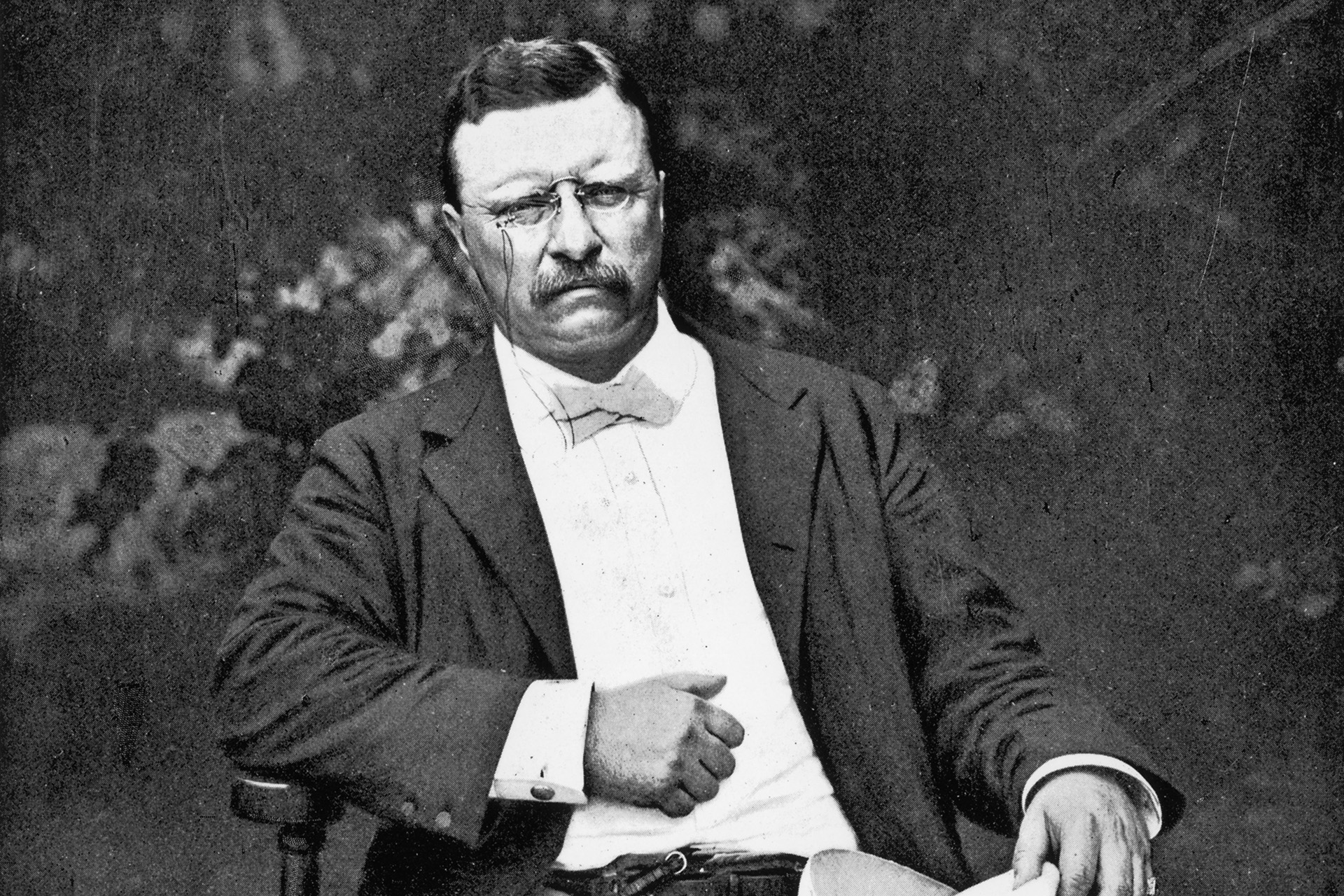
Bully for Roosevelt: The Man Who Shaped a Nation

iqsafe.info – Theodore Roosevelt, the 26th President of the United States, is undoubtedly one of the most dynamic and transformative figures in American history. From his childhood struggles with illness to his triumphs as a statesman and reformer, Roosevelt’s life was defined by his unyielding commitment to progress, justice, and the common good. His presidency, from 1901 to 1909, marked a pivotal turning point in American politics, as Roosevelt reshaped the nation through bold action, progressive policies, and a deeply personal sense of duty to the American people.

Roosevelt’s story is not just one of political triumph, but of an individual who believed in the power of leadership to bring about meaningful change. With his iconic motto, “Bully for you!” he expressed his enthusiasm for taking on challenges with vigor and optimism. Roosevelt’s “bully” personality was more than just an expression of exuberance—it was a reflection of his relentless drive to improve both himself and the nation he led. His passionate engagement with the world around him, both in terms of policy and personal pursuits, made him a larger-than-life figure whose influence continues to be felt in the United States today.

This article explores the remarkable life of Theodore Roosevelt and his lasting impact on American history, examining how his bold leadership shaped the nation and defined the path for future generations.

The Making of a Leader: Early Life and Formative Experiences

Childhood Struggles and Triumphs

Born on October 27, 1858, in New York City, Theodore Roosevelt grew up in a family of wealth and privilege. His father, Theodore Roosevelt Sr., was a successful businessman and philanthropist, while his mother, Martha Bulloch Roosevelt, came from a prominent Southern family. Though he had every material advantage, Roosevelt’s early life was far from easy. As a child, he suffered from severe asthma, which left him physically weak and often confined to his home. For many children, this would have been a discouraging condition, but Roosevelt was not one to accept weakness. Instead, he adopted a philosophy of “the strenuous life,” vowing to overcome his frailty by pushing himself to be physically active and mentally engaged.

Roosevelt’s experiences with illness taught him resilience and the importance of personal strength. As a young boy, he threw himself into physical activities, such as boxing and hiking, to build his strength. His childhood struggles with asthma instilled in him a determination to overcome any obstacle. These formative experiences would shape not only his character but also his leadership style throughout his life.

Despite his health issues, Roosevelt had a natural intellectual curiosity. He devoured books on a wide range of subjects, from history to natural science. This early love for learning and exploration would continue throughout his life and played a key role in his later political and conservationist endeavors.

A Passion for Public Service

Roosevelt’s path to public service was influenced by both his intellectual interests and his innate sense of duty. After graduating from Harvard University in 1880, he immediately sought a career in politics, believing that public service was one of the highest callings. His first foray into public life came when he was elected to the New York State Assembly in 1882. Even as a young man, Roosevelt was known for his zeal and energy. He became a vocal advocate for reform, taking on corrupt political bosses and working to make the political system more efficient and just.

Roosevelt’s early years in politics were marked by his strong sense of duty and his unwavering commitment to public service. He believed that politicians should act in the best interests of the people, not for personal gain. His reformist views, combined with his enthusiasm for public service, earned him a reputation as an up-and-coming political leader.

Rising to the Presidency: The Rough Rider and the National Stage

A Hero’s Welcome: The Spanish-American War

Roosevelt’s rise to the presidency was not a linear path, but rather one shaped by both personal tragedy and political opportunity. In 1898, following the assassination of President William McKinley, Roosevelt became the nation’s most famous public figure, thanks in part to his leadership during the Spanish-American War.

The war, which was fought over Cuba’s independence from Spain, gave Roosevelt the opportunity to demonstrate his courage, leadership, and sense of adventure. As Assistant Secretary of the Navy, Roosevelt had helped prepare the United States for the conflict by modernizing the Navy, but he was eager to serve on the front lines. He resigned his position and organized a volunteer cavalry unit, known as the Rough Riders, which became famous for their participation in the Battle of San Juan Hill in Cuba.

Roosevelt’s bravery and leadership during the war made him a national hero, and it was his popularity as a war hero that paved the way for his political future. He was elected governor of New York in 1898, where he continued to push for progressive reforms, taking on the state’s entrenched political bosses and advocating for policies to protect workers and consumers.

The Unexpected Presidency

In 1901, following the assassination of President McKinley, Roosevelt was thrust into the White House at the age of 42, making him the youngest president in American history at the time. His unexpected rise to the presidency was a result of both his public popularity and his commitment to reform. Roosevelt had been serving as vice president under McKinley, and when the president was killed, Roosevelt was sworn in as the 26th President of the United States.

From the moment he entered the White House, Roosevelt approached the presidency with his characteristic energy, optimism, and boldness. He saw the presidency as a “bully pulpit” that gave him the opportunity to enact sweeping reforms and rally the American people to a cause. Roosevelt was not content to simply manage the affairs of state; he saw the presidency as a platform to shape the future of the nation.

A Bully for Progress: Roosevelt’s Domestic and Foreign Policies

Trust-Busting and Economic Reform

One of Roosevelt’s defining accomplishments as president was his commitment to curbing the power of monopolies and ensuring that American businesses operated fairly. Roosevelt believed that large corporations should not be allowed to dominate the economy and exploit workers or consumers. Under his leadership, the government filed numerous antitrust suits against powerful monopolies, including the famous case against Standard Oil and its founder, John D. Rockefeller.

Roosevelt’s efforts to regulate business marked the beginning of a new era of government intervention in the economy. His “trust-busting” policies, combined with his progressive reforms, earned him a reputation as a champion of the common people. In addition to his trust-busting efforts, Roosevelt worked to improve working conditions, protect consumers, and ensure fair wages. His administration passed landmark laws, such as the Pure Food and Drug Act and the Meat Inspection Act, which aimed to protect the public from dangerous and unsanitary products.

Conservation: Protecting America’s Natural Beauty

Roosevelt was deeply committed to environmental conservation, a passion that was shaped by his childhood love of nature and his time in the Badlands of North Dakota. He believed that the government had a duty to protect America’s natural resources and ensure that future generations could enjoy the country’s breathtaking landscapes. During his presidency, Roosevelt worked to expand the national parks and forests, creating the foundation for America’s modern conservation movement.

He used his executive power to establish national monuments, set aside public lands for conservation, and create the United States Forest Service in 1905. Roosevelt’s efforts resulted in the preservation of more than 230 million acres of public land, making him one of the most influential figures in the history of American environmentalism.

Foreign Policy: Big Stick Diplomacy

Roosevelt’s foreign policy was characterized by his belief in a strong, assertive American presence on the world stage. His famous slogan, “Speak softly and carry a big stick,” embodied his approach to diplomacy. Roosevelt believed that the United States should engage in diplomacy but should always back up its words with military strength.

One of Roosevelt’s most significant foreign policy achievements was the construction of the Panama Canal, which connected the Atlantic and Pacific Oceans and revolutionized global trade. Roosevelt’s role in the construction of the canal, as well as his intervention in the conflict between Russia and Japan in 1905, earned him the Nobel Peace Prize, making him the first U.S. president to receive the honor.

Roosevelt’s Legacy: The Bold Leader Who Shaped a Nation

Theodore Roosevelt’s legacy is one of bold leadership and transformative change. As a politician, he challenged the entrenched powers of big business and political corruption, while advocating for the welfare of ordinary Americans. His progressive policies helped shape the modern American state, from the regulation of business practices to the protection of the environment.

Roosevelt’s “bully” personality, with its characteristic enthusiasm and determination, reflected his deep belief that the United States was a nation with a special role to play in the world. He viewed leadership as a moral obligation to do what was best for the country, even if it meant taking bold and sometimes controversial action. Roosevelt’s presidency set a new standard for American leadership—one based on action, courage, and a commitment to justice.

Beyond his political achievements, Roosevelt’s enduring legacy is in his belief that a single individual can make a difference. Whether it was tackling corruption, conserving the nation’s natural beauty, or asserting American power on the global stage, Roosevelt’s bold actions reshaped America for the better. His life and career continue to inspire leaders and citizens alike, reminding us that true greatness comes not from avoiding challenges, but from confronting them head-on with courage and conviction.

In the end, Roosevelt’s presidency was not just about the policies he implemented or the reforms he enacted. It was about the energy, enthusiasm, and determination he brought to the office. His legacy endures as a testament to the power of leadership and the idea that one person can shape the future of a nation. “Bully for you,” Roosevelt would say—and indeed, bully for the United States, which was forever changed by his bold leadership.

Inside Out (2015): A Journey Through Emotions, Growth

iqsafe.info – Inside Out (2015), directed by Pete Docter and co-directed by Ronnie del Carmen, is one of Pixar’s most emotionally resonant and visually imaginative films. Set primarily inside the mind of an 11-year-old girl named Riley, the film explores the complexity of emotions, how they interact, and how they shape our experiences. It presents a groundbreaking exploration of psychological and emotional growth, making it a favorite for audiences of all ages. The film doesn’t just entertain—it encourages reflection on our own emotions and mental well-being.

In a world dominated by talking toys, monsters, and anthropomorphic vehicles, Inside Out offers a fresh, introspective look at the human experience, bringing to life the inner workings of the brain through vivid and playful characters that represent emotions. The film goes beyond just telling a story; it delves into the science of emotions, memory, and personal development, making it a pioneering piece of animated storytelling.

Plot Summary: A Journey Through the Mind

Riley’s World: A Life in Transition

The story of Inside Out revolves around Riley (voiced by Kaitlyn Dias), an 11-year-old girl whose life is upended when her family moves from their home in Minnesota to a new city—San Francisco. Riley, who has always been a joyful and optimistic child, struggles with the changes that come with the move, such as leaving behind her friends, adjusting to a new school, and dealing with the unfamiliar environment.

Inside Riley’s mind, her emotions—Joy, Sadness, Anger, Disgust, and Fear—guide her through daily experiences. Joy (voiced by Amy Poehler) is the dominant emotion and has always been the leader of the group, ensuring that Riley remains happy and positive. However, the move to San Francisco introduces new challenges, and Joy finds it increasingly difficult to keep Riley happy, especially as Sadness (voiced by Phyllis Smith) begins to play a more prominent role.

The Core Emotions: Joy, Sadness, Anger, Fear, and Disgust

Each of Riley’s core emotions is personified as a unique character, each with their own personality traits and responsibilities. Together, these emotions work at “Headquarters”—the control center inside Riley’s mind—to guide her reactions and decisions. The characters include:

  • Joy: The optimistic, energetic leader who believes that Riley should always be happy.
  • Sadness: A more passive and introspective figure, whose role becomes more central as the story progresses.
  • Anger (voiced by Lewis Black): A fiery, short-tempered character who reacts to injustice or frustration in Riley’s life.
  • Fear (voiced by Bill Hader): An overly cautious and nervous emotion that helps keep Riley safe by warning her of potential dangers.
  • Disgust (voiced by Mindy Kaling): A sarcastic and critical emotion that protects Riley from things she finds unpleasant or gross.

The Problem with Sadness

The main conflict in Inside Out arises when Riley’s emotions try to cope with the upheaval caused by the move. Joy, determined to keep Riley happy despite the difficult circumstances, tries to sideline Sadness, believing that her influence will only make things worse. However, Sadness begins to affect Riley’s memories, turning once-happy memories blue and melancholic. This results in a chaotic battle between the two emotions, as Joy struggles to maintain control.

Things take a turn for the worse when Joy and Sadness are accidentally ejected from Headquarters, leaving only Anger, Fear, and Disgust to manage Riley’s emotional state. Without Joy’s guidance, Riley becomes increasingly distant and frustrated. Meanwhile, Joy and Sadness embark on a journey through the various parts of Riley’s mind—such as Long-Term Memory, Imagination Land, and the Subconscious—in an attempt to return to Headquarters and restore balance.

A Journey of Self-Discovery

As Joy and Sadness travel through Riley’s mind, they encounter a series of challenges and meet some of the more abstract aspects of human consciousness. One of the most notable characters they meet is Bing Bong (voiced by Richard Kind), Riley’s long-forgotten imaginary friend. Bing Bong helps them navigate the maze-like landscape of Riley’s memories, but his ultimate sacrifice—erasing himself to allow Joy and Sadness to escape from the memory dump—becomes one of the film’s most emotionally charged moments.

Through their journey, Joy begins to realize that Sadness has an important role to play in Riley’s emotional life. While Joy had always assumed that happiness was the ultimate goal, she comes to understand that Sadness provides balance and depth to Riley’s experiences. Sadness allows Riley to process difficult emotions, seek comfort, and connect with others on a deeper level. This realization becomes the emotional core of the film, as Joy learns to embrace the complexity of emotions rather than trying to suppress them.

The Climax: Embracing Emotional Complexity

The film reaches its climax when Joy and Sadness finally return to Headquarters, just as Riley is on the verge of making a drastic decision—running away from home. Without Joy’s positive influence or Sadness’s ability to process her feelings, Riley has become emotionally numb and disconnected. However, once Joy allows Sadness to take control, Riley is able to express her true feelings to her parents. She breaks down in tears, confessing that she misses her old home and is struggling to adjust.

This emotional release marks a turning point for Riley and for the film’s message. Rather than viewing emotions as simple or one-dimensional, Inside Out shows that feelings of sadness and vulnerability are essential for growth and healing. By allowing herself to feel sadness, Riley is able to reconnect with her parents, who provide her with the support and comfort she needs to move forward.

The film ends on a hopeful note, as Riley begins to adjust to her new life in San Francisco, now with a more balanced emotional outlook. Inside her mind, the emotions work together more harmoniously, recognizing that each has a role to play in Riley’s overall well-being.

Themes and Messages: Understanding Emotions and Growing Up

The Importance of Sadness

One of the most powerful messages of Inside Out is the importance of embracing all emotions, not just happiness. For much of the film, Joy believes that Sadness is a detriment to Riley’s well-being, constantly trying to prevent her from taking control. However, the film ultimately reveals that sadness is not something to be avoided or suppressed—it is a necessary and healthy part of the emotional experience.

By showing how sadness can lead to deeper emotional connections, empathy, and understanding, Inside Out challenges the notion that we should always strive to be happy. Sadness allows Riley to process her grief over leaving her home, and it helps her communicate her need for support to her parents. The film teaches viewers, especially young audiences, that it’s okay to feel sad and that sadness can lead to personal growth and stronger relationships.

Emotional Complexity and Growth

Inside Out also explores the idea that emotions become more complex as we grow older. In the beginning, Riley’s emotions are fairly straightforward—each memory is associated with a single emotion, whether it be joy, sadness, anger, fear, or disgust. However, as Riley experiences more significant changes in her life, her emotions begin to blend. The film visually represents this by showing how memories can become both joyful and sad at the same time.

This emotional complexity reflects the transition from childhood to adolescence, a time when individuals begin to experience more nuanced and layered emotions. Inside Out encourages viewers to embrace this complexity, recognizing that life’s experiences are rarely defined by a single feeling. By acknowledging and accepting the full spectrum of emotions, we can better understand ourselves and navigate the challenges of growing up.

The Role of Memory in Shaping Identity

Memory plays a crucial role in Inside Out, not only as a plot device but also as a theme. The film shows how Riley’s memories—especially her core memories—shape her personality and influence her emotions. These core memories, which are housed in glowing orbs, represent pivotal moments in Riley’s life that define who she is, such as her love for hockey, her relationship with her parents, and her sense of adventure.

As Riley faces new experiences, her core memories are challenged and reshaped. The film suggests that our memories are not static—they evolve as we do. This theme is particularly important in the context of growing up, as it highlights how our sense of self is constantly being redefined by the experiences we go through and the emotions we feel.

Visual and Artistic Excellence: A Creative Representation of the Mind

A Vibrant and Imaginative World

Inside Out is a visual feast, with its vibrant and imaginative representation of the inner workings of the mind. The film’s animation brings to life abstract concepts like memory, emotions, and thought processes in a way that is both visually stunning and easy to understand. The design of Headquarters, the central control room in Riley’s mind, is sleek and futuristic, with glowing memory orbs and a complex system of controls that represent how emotions influence Riley’s decisions.

The various regions of Riley’s mind, such as Imagination Land, Dream Productions, and the Subconscious, are brought to life with incredible creativity and attention to detail. Each area is distinct, reflecting different aspects of Riley’s personality and mental landscape. For example, Imagination Land is filled with whimsical, ever-changing structures, while the Subconscious is dark and foreboding, housing Riley’s deepest fears.

Character Design and Animation

The character design in Inside Out is both playful and expressive, with each emotion having a distinct visual style that reflects their personality.

Chicken Little (2005): Disney’s First Fully CGI Animated Feature

iqsafe.info – Released in 2005, Chicken Little marked a significant milestone in Disney’s animation history. It was the studio’s first fully computer-generated imagery (CGI) animated feature film, following the success of Pixar’s CGI creations. Chicken Little was also part of Disney’s effort to update its animation style to compete with the growing popularity of computer-generated films. Based on the classic folk tale of the same name, the movie reimagines the story with a modern twist, introducing a quirky cast of characters and blending humor, heart, and action in a sci-fi comedy adventure.

Although Chicken Little was met with mixed critical reviews and performed modestly at the box office, it remains a noteworthy film in the Disney lineup, especially for its groundbreaking CGI animation and its attempt to reinvigorate Disney’s traditional storytelling. In this article, we will dive into the creation, plot, characters, themes, reception, and legacy of Chicken Little, offering an in-depth look at what made this animated feature an interesting chapter in the evolution of Disney animation.

The Creation of Chicken Little

The Transition to CGI Animation

By the early 2000s, Disney had recognized the growing importance of CGI animation, especially after the immense success of Pixar’s Toy Story (1995) and its subsequent hits such as Monsters, Inc. (2001) and Finding Nemo (2003). With CGI animation emerging as the dominant style in the industry, Disney decided to embrace this new technology with Chicken Little. The studio’s decision to venture into CGI came after the decline of traditional hand-drawn animation, which had dominated their productions for decades.

However, Chicken Little was not Disney’s first attempt at fully computer-generated animation. Pixar had already made a name for itself with a series of blockbuster hits, and DreamWorks was also successful with films like Shrek (2001). Disney’s entry into the CGI world was viewed as a significant challenge, as the studio aimed to carve out its own niche in an increasingly competitive landscape.

The team behind Chicken Little was determined to create a unique CGI film that would appeal to both children and adults. The animation team used cutting-edge technology to bring the world of Oakey Oaks to life, developing detailed characters and environments that felt vibrant and dynamic. The film’s design aimed to blend a traditional Disney charm with a new, more contemporary visual approach, setting the stage for future CGI features.

The Development of the Story

The story of Chicken Little is loosely based on the traditional folk tale “Henny Penny,” also known as “Chicken Little.” The original tale revolves around a chicken who believes the sky is falling after being hit on the head by an acorn. In Chicken Little, the classic premise is given a modern spin, set in a suburban town called Oakey Oaks, where the titular character, Chicken Little, is a misunderstood and anxious young bird.

The film’s story development went through several stages. Initially, the project was planned as a musical, but it evolved into a comedic, action-packed narrative with a more contemporary, fast-paced style. The filmmakers decided to infuse the plot with humor, technology, and some sci-fi elements to appeal to the tastes of the new generation of moviegoers. The inclusion of aliens and a high-stakes adventure added excitement to the storyline, making it more engaging for a family audience.

Animation and Visual Style

One of the most striking aspects of Chicken Little is its distinctive visual style. While the characters were designed with exaggerated, cartoonish features, the film also aimed to create an immersive, visually stunning world using cutting-edge CGI technology. The animation team created intricate details, from the characters’ facial expressions to the vivid environments that brought Oakey Oaks to life.

The film’s colors were bright and vibrant, creating an energetic atmosphere that matched the fast-paced, comedic tone of the movie. The animators paid close attention to how the characters moved, using advanced techniques to capture the fluidity of their actions and the nuances of their personalities. In many ways, Chicken Little represents Disney’s first significant foray into the CGI world, establishing a foundation for future projects, such as Bolt (2008) and Tangled (2010).

The Plot of Chicken Little

A Tale of Misunderstanding and Redemption

At the heart of Chicken Little is a story about misunderstanding, redemption, and self-acceptance. The film follows Chicken Little (voiced by Zach Braff), a small, anxious bird who lives in the town of Oakey Oaks. Chicken Little’s big moment comes when he believes that the sky is falling after an acorn falls on his head, leading to widespread panic and ridicule from the townspeople. As a result, Chicken Little becomes the town’s laughingstock, and his once-prominent reputation takes a nosedive.

Years later, Chicken Little is still trying to redeem himself, but he remains an outcast. His father, Buck Cluck (voiced by Garry Marshall), is especially disappointed in him, and Chicken Little feels a sense of shame and guilt over the incident. Determined to prove that he is capable of doing something significant, Chicken Little embarks on a new adventure with his group of misfit friends: Runt of the Litter (voiced by Steve Zahn), a naive pig; Fish Out of Water (voiced by Dan Molina), a fish who is always in a water-filled helmet; and Abby Mallard (voiced by Joan Cusack), a duck with a strong personality.

The plot takes a wild turn when Chicken Little discovers that the sky is, in fact, not falling—rather, a series of events is leading to a much larger, more dangerous crisis: an alien invasion. The “sky” that Chicken Little had believed to be falling was actually a piece of an alien spacecraft. The aliens are using a cloaking device to remain undetected, and it’s up to Chicken Little and his friends to stop them and save the town.

As the group uncovers the truth, Chicken Little’s bravery is tested, and he learns valuable lessons about courage, self-worth, and the importance of family. Along the way, Chicken Little’s relationship with his father is strained, but eventually, they come to understand each other, and Chicken Little’s self-confidence grows. In the end, Chicken Little and his friends manage to save the day, proving that even the smallest of individuals can achieve great things.

The Alien Plot

The alien plot provides a fun twist to the story, turning the seemingly simple “sky is falling” scenario into a full-blown intergalactic adventure. The aliens, led by a mysterious figure known as the “Cloak,” initially appear as simple, mysterious beings but reveal themselves to be quite comical and eccentric. The film blends the lighthearted humor of Chicken Little’s antics with high-stakes action and visual spectacle, making for an exciting finale.

Family and Friendship

At its core, Chicken Little emphasizes the importance of family and friendship. The relationship between Chicken Little and his father is one of the film’s emotional arcs, as the two work through their misunderstandings and learn to support each other. Similarly, Chicken Little’s friendship with Runt, Abby, and Fish strengthens over the course of the film, and together, they prove that loyalty and teamwork can help them overcome the odds.

The Characters of Chicken Little

Chicken Little

Chicken Little, voiced by Zach Braff, is the film’s protagonist. He is a small, anxious bird with big dreams of proving himself after the “sky is falling” incident. Throughout the film, Chicken Little learns valuable lessons about self-confidence, courage, and the importance of family. His character arc is one of personal growth, as he discovers that he is capable of much more than he ever thought possible. His quirky personality, combined with his insecurities and determination, make him a relatable and endearing character.

Buck Cluck

Buck Cluck, voiced by Garry Marshall, is Chicken Little’s father. He is a well-meaning but somewhat distant parent who is disappointed in his son’s past mistakes. Buck’s character serves as both a source of tension and an emotional anchor in the film. He is often caught between trying to support his son and dealing with his own failures as a parent. Through their journey, Buck and Chicken Little’s relationship evolves, highlighting the importance of understanding and reconciling with family members.

Runt of the Litter

Runt of the Litter, voiced by Steve Zahn, is a large but gentle pig who is Chicken Little’s loyal friend. Runt is often the comic relief of the group, providing moments of humor and levity. Despite his size, Runt is a kind-hearted character who is always ready to support Chicken Little in his quest for redemption. His goofy nature and caring personality make him an endearing addition to the team.

Abby Mallard

Abby Mallard, voiced by Joan Cusack, is a sassy and intelligent duck who serves as Chicken Little’s confidante and friend. She is the voice of reason in the group, offering support and guidance to Chicken Little when he needs it most. Abby’s character provides a strong, independent female presence in the story, and her humor and quick wit add an extra layer of charm to the film.

Fish Out of Water

Fish Out of Water, voiced by Dan Molina, is a fish with a distinctive, quirky appearance. He wears a helmet filled with water, and although he doesn’t speak much, his actions and expressions contribute to the film’s humor and heart. Fish is one of the most unconventional characters in the movie, adding a touch of oddball comedy to the ensemble.

The Aliens

The aliens in Chicken Little serve as the main antagonists of the story. They are an eccentric and somewhat comical force of nature, using their cloaking technology to remain hidden from the townspeople. The aliens’ role adds a sci-fi dimension to the story, transforming the simple “sky is falling” scenario into a full-blown adventure.

Themes in Chicken Little

Self-Confidence and Personal Growth

A central theme in Chicken Little is personal growth and self-confidence. The story revolves around Chicken Little’s journey from being a nervous, misunderstood outcast to a brave, capable hero. His character arc emphasizes the importance of believing in oneself, even when others doubt you.

Family and Reconciliation

The theme of family is also key to Chicken Little. The strained relationship between Chicken Little and his father serves as a significant emotional arc in the film. The two must learn to communicate, understand each other, and work through their past differences in order to save the day. This theme underscores the importance of family support, forgiveness, and reconciliation.

Teamwork and Friendship

As with many Disney films, Chicken Little promotes the value of teamwork and friendship. The film’s ensemble cast of characters works together to overcome challenges, and their individual strengths contribute to their success. Their bond serves as a reminder that working together can lead to great things.

Reception and Legacy

Chicken Little received mixed reviews from critics, who praised its visual effects and humor but criticized its predictable plot and lack of emotional depth. Despite the mixed reception, the film was a moderate commercial success, grossing over $300 million worldwide against a production budget of $150 million.

The film marked a turning point for Disney in its transition to CGI animation, paving the way for future CGI films such as Bolt (2008) and Wreck-It Ralph (2012). Though Chicken Little was not as groundbreaking or culturally significant as some of Disney’s earlier classics, it helped solidify the studio’s place in the CGI era of animation.

Conclusion

Chicken Little stands as a pivotal moment in Disney’s animation history. Although it wasn’t a critical darling, the film demonstrated Disney’s ability to innovate and experiment with new animation techniques while maintaining the charm and humor that the studio is known for. With its colorful animation, comedic storyline, and endearing characters, Chicken Little remains a fun and lighthearted adventure, offering important messages about self-worth, family, and friendship. Though not a Disney classic in the same vein as some of the studio’s most beloved films, Chicken Little has earned a special place in the hearts of its fans.

Bupati Pasaman Divonis Bayar Denda Rp 1 Juta karena Kampanye di Musala

iqsafe – Bupati Pasaman, Benny Utama, telah dijatuhi hukuman denda sebesar Rp 1 juta oleh Pengadilan Negeri Pasaman setelah dinyatakan bersalah melakukan pelanggaran kampanye di tempat ibadah. Keputusan pengadilan ini diambil setelah melalui serangkaian sidang yang menghadirkan saksi-saksi dan bukti terkait.

Kasus ini bermula ketika judi live casino Bupati Benny Utama diduga melakukan kegiatan kampanye politik di sebuah musala di wilayah Pasaman. Menurut undang-undang pemilu di Indonesia, tempat ibadah adalah salah satu lokasi yang dilarang untuk kegiatan kampanye politik guna menjaga netralitas dan menghormati fungsi tempat ibadah sebagai sarana keagamaan.

Dalam persidangan, majelis hakim menyatakan bahwa tindakan Bupati Benny Utama melanggar aturan kampanye yang telah ditetapkan. Meskipun demikian, pengadilan hanya menjatuhkan hukuman denda karena mempertimbangkan faktor-faktor yang meringankan, termasuk pengakuan bersalah dari terdakwa dan komitmennya untuk mematuhi aturan di masa depan.

Bupati Benny Utama menyatakan menerima putusan tersebut dan berjanji untuk lebih berhati-hati dalam menjalankan tugas dan kegiatan politiknya di masa mendatang. Ia juga menyampaikan permintaan maaf kepada masyarakat Pasaman dan berjanji untuk terus mendukung pelaksanaan pemilu yang jujur dan adil.

Kasus ini menjadi perhatian publik dan menjadi pengingat pentingnya mematuhi aturan kampanye dan menjaga netralitas tempat ibadah dari kegiatan politik. Badan Pengawas Pemilu (Bawaslu) mengapresiasi putusan ini dan menegaskan komitmen mereka untuk terus mengawasi pelaksanaan kampanye agar berjalan sesuai dengan aturan yang berlaku.

Dengan putusan ini, diharapkan para pejabat dan politisi lainnya lebih berhati-hati dan mematuhi regulasi yang telah ditetapkan guna menjamin proses demokrasi yang bersih dan adil di Indonesia.

Benjamin Harrison and the Battle for the Tariff

iqsafe.info – The presidency of Benjamin Harrison (1889-1893) was marked by several important political and economic struggles, but one of the most significant and contentious issues during his time in office was the battle for the tariff. Tariff policy in the late 19th century was at the heart of a fierce political battle, as it was seen as a way to influence the nation’s economy, protect domestic industries, and generate federal revenue. The debate over tariffs had been ongoing for decades, with deep divisions between two primary factions: protectionists, who advocated for higher tariffs to shield American manufacturers from foreign competition, and free traders, who called for lower tariffs to encourage competition and reduce consumer prices.

This article explores Benjamin Harrison’s involvement in the tariff debate, examining the political and economic factors that shaped his position on tariffs, the significant legislative developments during his administration, and the long-term consequences of the tariff policies enacted during his presidency.

The Tariff Debate: A Longstanding Issue in American Politics

Historical Context of the Tariff in the United States

The debate over tariffs had been a central issue in American politics since the nation’s founding. Early American economic policy was shaped by the vision of Alexander Hamilton, the first Secretary of the Treasury, who argued for a strong, protectionist system to nurture American manufacturing and industry. This vision was embodied in the Tariff of 1789, the first significant tariff law passed by Congress, which sought to protect fledgling American industries from competition with established European markets.

Throughout the 19th century, the tariff issue remained divisive. Northern industrialists generally supported protective tariffs, which would help shield their businesses from foreign competition. Southern and Western states, which were more agrarian and less industrialized, were largely in favor of free trade, as they relied on exports of agricultural products and sought lower tariffs to reduce costs for consumers.

By the late 19th century, with the United States having experienced rapid industrialization after the Civil War, the country found itself at the heart of an intense debate over how to balance the interests of agriculture and industry. This debate would come to a head during Benjamin Harrison’s presidency.

Harrison’s Background and Economic Philosophy

A Protectionist Advocate

Benjamin Harrison, a Republican, was an advocate of the protectionist tariff policy, which was consistent with the views of the Republican Party at the time. Harrison was a strong supporter of high tariffs as a means of protecting American industries, particularly in the rapidly growing manufacturing sector. He believed that tariffs were necessary to shield U.S. industries from the competition of cheaper foreign goods and to ensure that American workers were not undercut by lower wages abroad. Harrison’s stance on the tariff was closely aligned with the interests of industrial capitalists in the North, who sought protection for their factories, as well as workers who were benefiting from the expansion of American industry.

As a senator from Indiana before becoming president, Harrison had supported high tariffs, believing they were a tool for stimulating economic growth, fostering domestic manufacturing, and generating revenue for the federal government. This position would inform his policies when he took office in 1889.

The Republican Party and the Tariff Issue

The Republican Party of the late 19th century was solidly behind the protectionist cause. High tariffs were viewed as a means to protect American jobs and businesses, promote industrial growth, and maintain a healthy balance of trade. For Republicans, tariffs were not only an economic tool but a political issue that helped solidify support among industrialists and working-class voters in the Northern states.

Democrats, on the other hand, typically advocated for lower tariffs or free trade. They argued that high tariffs led to higher consumer prices and disproportionately benefited wealthy industrialists, while hurting farmers and consumers. For Democrats, reducing tariffs was seen as a way to promote economic fairness and free markets. The intense rivalry between Republicans and Democrats over the tariff issue would shape the political landscape during Harrison’s presidency.

The McKinley Tariff: Harrison’s Battle for Protection

The Push for Tariff Reform

Benjamin Harrison entered office in 1889 at a time when the tariff issue was more heated than ever. The previous administration under Grover Cleveland, a Democrat, had called for tariff reduction, but his efforts had been blocked by a Republican-controlled Congress. Harrison, determined to follow through on the Republican Party’s commitment to protectionism, made the tariff issue a central focus of his presidency.

In 1890, Harrison signed the McKinley Tariff into law, a measure that raised tariffs to the highest levels in U.S. history at the time. The McKinley Tariff, named after Ohio Congressman William McKinley, who championed the legislation, was designed to protect American industries by raising tariffs on imported goods. The tariff affected a wide range of products, including wool, sugar, iron, and textiles, with an average increase of 48% on imported goods.

The Economic Goals of the McKinley Tariff

The goal of the McKinley Tariff was to protect American industries from foreign competition, especially in the face of rapidly industrializing European countries. By imposing higher tariffs, Harrison and his Republican allies sought to create a more favorable environment for American manufacturers to compete in the global marketplace. The protectionist tariffs were intended to ensure that U.S. businesses, especially in the Northeast, had an advantage over foreign manufacturers and could continue to grow in a competitive global economy.

Additionally, the McKinley Tariff was designed to stimulate domestic production and provide jobs for American workers. By reducing the availability of foreign goods, the tariff aimed to increase demand for domestically produced products. For Harrison and his allies, this was seen as a necessary step to ensure the prosperity of the American industrial economy.

Opposition to the McKinley Tariff

While the McKinley Tariff was supported by many in the Republican Party, it faced significant opposition from various quarters. One of the most vocal opponents was the Democratic Party, which decried the tariff as a mechanism for enriching wealthy industrialists at the expense of consumers. Democrats argued that the tariff led to higher prices for goods, particularly for everyday items such as food, clothing, and household products. Southern and Western Democrats, in particular, were concerned about the negative impact of higher tariffs on farmers and consumers, who would face higher costs for goods that they could not produce themselves.

In addition to opposition from the Democrats, the McKinley Tariff also faced criticism from within the Republican Party. Midwestern farmers were especially vocal in their opposition, arguing that the tariff disproportionately benefited industrialists and harmed agricultural interests. They pointed out that the tariff raised the cost of imported goods, such as farm tools and machinery, which many farmers relied on for production. For many of these farmers, the McKinley Tariff represented an unfair burden on their already strained financial situation.

Despite these criticisms, the McKinley Tariff was a key legislative victory for Harrison’s administration, and it solidified his reputation as a proponent of protectionism. However, the political fallout from the tariff would have lasting consequences.

The Consequences of the McKinley Tariff

The 1890 Midterm Elections

The McKinley Tariff proved to be politically costly for the Republican Party. While the law was intended to stimulate economic growth and protect American industries, it led to widespread public discontent, particularly among farmers and working-class consumers. The tariff caused an increase in the cost of many goods, and the resulting economic hardship for various groups fueled a growing backlash against the Republican Party.

In the 1890 midterm elections, the Democrats made significant gains, taking control of the House of Representatives and winning a substantial number of seats in the Senate. The Republican Party’s support for the high tariffs was a central issue in the election, and many voters saw the tariff as emblematic of the Republican Party’s allegiance to wealthy industrialists and its disregard for the interests of ordinary citizens.

The Impact on Harrison’s Legacy

The McKinley Tariff, despite its initial popularity among industrialists and protectionists, ultimately became a political liability for Harrison and the Republican Party. In the aftermath of the 1890 elections, public opinion turned against the tariff, and it became a symbol of Republican overreach. Many critics of the tariff argued that it had led to higher prices, hurting consumers, and had failed to deliver on its promises of economic growth.

In the years following Harrison’s presidency, the tariff issue remained a focal point of American politics. In 1894, the Wilson-Gorman Tariff was passed by a Democratic Congress, which sought to reverse some of the provisions of the McKinley Tariff and reduce tariffs on certain goods.

Long-Term Effects on U.S. Tariff Policy

The McKinley Tariff was a turning point in the history of U.S. tariff policy. While the tariff system remained a central feature of American politics for many years, Harrison’s efforts to raise tariffs set the stage for future debates about the role of tariffs in the economy. The issues raised by the McKinley Tariff, including the balance between protecting domestic industries and ensuring fair consumer prices, would continue to be a source of political division in the decades to come.

The legacy of Harrison’s tariff policies can also be seen in the Progressive Era, when reformers sought to address the perceived injustices of the tariff system, among other economic issues. Harrison’s policies set the stage for future tariff reforms, including the Underwood Tariff of 1913, which lowered tariffs and introduced the first federal income tax in an attempt to create a more equitable economic system.

Conclusion: A Legacy Shaped by Protectionism

Benjamin Harrison’s presidency was shaped by the political and economic battle over the tariff. As a staunch advocate for protectionism, Harrison championed the McKinley Tariff as a means to protect American industries, promote economic growth, and provide jobs for American workers. However, the political fallout from the tariff, including rising consumer prices and public discontent, left a lasting impact on the Republican Party and the broader national debate over trade policy.

While the McKinley Tariff achieved some of its economic goals, it also highlighted the complexities and contradictions of tariff policy. The debate over the tariff, and the legacy of Harrison’s support for protectionism, would continue to influence American politics for years to come. Benjamin Harrison’s involvement in the battle for the tariff marked an important chapter in the development of U.S. economic policy, and his presidency remains a key moment in the history of tariff legislation and its impact on the nation’s political landscape.

Kebakaran Hebat di Ruko Samping Atrium Senen, Jakpus: Dua Orang Tewas

iqsafe – Jakarta, 30 Desember 2024 — Kebakaran besar melanda empat ruko yang terletak di samping Atrium Senen, Jalan Letjen Suprapto, Jakarta Pusat, pada Senin dini hari. Peristiwa ini menelan dua korban jiwa, yang diketahui merupakan lansia.

Detail Kejadian

Kebakaran terjadi sekitar pukul 02.00 WIB. Api dengan cepat membesar dan melahap empat ruko yang digunakan sebagai tempat usaha. Tim pemadam kebakaran segera dikerahkan ke lokasi dengan mengerahkan 12 unit mobil pemadam.

Penyebab Kebakaran

Hingga saat ini, penyebab thailand slot kebakaran masih dalam penyelidikan. Namun, dugaan awal mengarah pada korsleting listrik yang mungkin menjadi pemicu utama. Pihak berwenang masih melakukan pemeriksaan lebih lanjut untuk memastikan penyebab pastinya.

Korban dan Dampak

Sayangnya, dalam insiden ini, dua orang lansia ditemukan tewas akibat terjebak di dalam ruko yang terbakar. Upaya penyelamatan dilakukan, namun korban tidak dapat diselamatkan tepat waktu. Identitas korban telah dikonfirmasi oleh pihak berwenang dan keluarga telah diberitahu.

Tindakan Lanjutan

Pemerintah setempat segera mengambil langkah untuk membantu para korban kebakaran. Bantuan berupa tempat tinggal sementara dan kebutuhan dasar disediakan bagi mereka yang kehilangan tempat usaha dan tempat tinggal.

Kesimpulan

Peristiwa kebakaran ini kembali mengingatkan kita akan pentingnya kewaspadaan terhadap potensi bahaya kebakaran, terutama di kawasan padat penduduk dan usaha. Masyarakat diimbau untuk memastikan instalasi listrik di tempat usaha dan tempat tinggal mereka dalam kondisi aman.

Chester A. Arthur: New York’s Political Boss Turned President

iqsafe.info – Chester A. Arthur, the 21st president of the United States, is often remembered as an enigmatic figure in American political history. His presidency, which lasted from 1881 to 1885, has often been overshadowed by his rise to power, his unexpected transformation from a product of political patronage to a proponent of civil service reform, and the relatively brief duration of his time in office. Yet, Arthur’s journey from a New York political boss to the White House is an essential chapter in the history of the Gilded Age, offering a fascinating look into the intersection of politics, power, and reform in late 19th-century America.

From his early career as a key figure in New York’s political machine to his presidency, Arthur’s political trajectory was shaped by both ambition and circumstance. Known for his connections to the powerful Republican boss Roscoe Conkling and his leadership of the Stalwart faction, Arthur’s path to the presidency seemed all but certain to follow the corrupt political practices of the era. However, his tenure as president would prove to be much more complex, marked by his surprising departure from his early associations with patronage and his eventual embrace of civil service reform.

This article explores how Chester A. Arthur’s rise from political boss to president is not just a story of ambition but also one of political transformation, showcasing his contributions to American governance, his surprising reform efforts, and the legacy he left behind.

Early Life and Career: From the Backwoods to New York City

Humble Beginnings and Education

Born on October 5, 1829, in Fairfield, Vermont, Chester Alan Arthur was the son of William Arthur, a Baptist minister, and Malvina Stone Arthur. His family moved several times during his youth, and although they were not wealthy, they valued education highly. Arthur excelled academically, and after completing his education in local schools, he attended Union College in Schenectady, New York. It was at Union College that Arthur’s ambition began to take shape.

He graduated in 1848, near the top of his class, and entered the legal profession. After briefly working in Vermont, he moved to New York City, where he established a law practice. By the late 1850s, Arthur had become a successful lawyer, known for his sharp legal mind and ability to navigate the complexities of law. However, his political ambitions would soon lead him down a different path.

Political Connections and Rise to Power

In the 1850s and 1860s, New York politics was dominated by powerful political machines, particularly those led by men like William “Boss” Tweed and Roscoe Conkling. These political machines wielded significant power in the state, controlling everything from elections to government appointments. Although not initially a product of the machine, Arthur’s career would soon become entwined with the Stalwarts, the faction of the Republican Party that was closely aligned with patronage politics and the spoils system.

Arthur’s rise in politics began in the late 1860s when he became involved in the political patronage system in New York City. His legal background and connections with political figures soon led to his appointment as the Collector of the Port of New York, a highly influential position within the city’s political machine. Under the patronage system, individuals in positions like this had control over lucrative government jobs, which could be distributed to loyal political supporters. Arthur, though known for his competence, was also linked to corruption within the system, a relationship that would define his early career.

As the Collector of the Port of New York, Arthur helped build the political machine controlled by Roscoe Conkling, the powerful Republican senator who dominated New York politics at the time. Arthur became a loyal ally to Conkling, and his position as head of the port allowed him to reward political supporters with government positions, which cemented his place as a key figure in the New York political machine.

Arthur’s Path to the Vice Presidency

The Republican National Convention of 1880

By 1880, Chester A. Arthur’s political star was on the rise, but few people anticipated that he would ascend to the White House. In the Republican National Convention that year, there was significant division between two factions of the party—the Stalwarts, led by Conkling, and the Half-Breeds, a more moderate faction of Republicans. The convention deadlocked, and no candidate emerged as a clear victor. In a surprising turn of events, Arthur was chosen as the vice-presidential candidate to balance the ticket with the more moderate candidate, James A. Garfield, who had emerged as the presidential nominee.

Arthur’s selection as vice president was largely a result of political maneuvering by Conkling, who believed that Arthur’s loyalty to the Stalwarts would solidify their faction’s influence. Garfield, on the other hand, was seen as a compromise candidate who could bridge the divide between the Stalwarts and the more moderate Republicans. However, the decision to place Arthur on the ticket was viewed by many as an effort to placate the Stalwarts and secure their votes in the election.

Although Arthur was not expected to play a significant role in Garfield’s administration, fate had other plans.

Garfield’s Assassination

In July 1881, just months after taking office, President James A. Garfield was shot by an assassin named Charles Guiteau. Garfield succumbed to his wounds in September of the same year, and Arthur, as vice president, assumed the presidency. His unexpected rise to the highest office in the land surprised many, particularly those who viewed him as little more than a product of the political machine. Given his past connections to corruption and the spoils system, Arthur’s ascension was met with skepticism. Critics feared that his presidency would merely continue the political patronage practices of his predecessors, particularly Conkling’s Stalwarts.

However, what followed was far more complicated than anyone could have predicted.

Arthur’s Presidency: A Surprising Transformation

A New Political Philosophy

Chester A. Arthur’s presidency marked a surprising shift in his political beliefs and actions. Upon taking office, he initially appeared to continue the policies of the Stalwart faction, maintaining many of the traditional patronage practices that had defined his career. However, it soon became clear that Arthur was far more politically astute than many had given him credit for. He was keenly aware of the growing public outcry against the corruption of the spoils system, and he understood the need to address the demands for reform.

One of Arthur’s most significant actions as president was his embrace of civil service reform, a move that would surprise both his supporters and detractors. During his time as vice president, Arthur had been a staunch defender of the patronage system, but his attitude began to change as he assumed office. Recognizing the importance of reforming government practices to increase efficiency and eliminate corruption, Arthur threw his support behind the Pendleton Civil Service Reform Act.

The Pendleton Civil Service Reform Act of 1883

The Pendleton Act, signed into law by Arthur in 1883, was one of the most significant pieces of legislation in the history of the U.S. federal government. The law created the Civil Service Commission, which oversaw the implementation of a merit-based system for hiring federal employees. Under the new system, government jobs would no longer be awarded based on political loyalty but rather on qualifications and examination results. This landmark reform represented a break from the political patronage system that had long dominated American politics.

Arthur’s support for the Pendleton Act marked a dramatic departure from his earlier career as a political boss and reinforced his image as a president who was willing to challenge the entrenched political system in the name of good governance. The passage of the Pendleton Act is often viewed as the defining achievement of Arthur’s presidency and is considered one of the most important steps toward professionalizing the federal bureaucracy.

Other Notable Achievements

Beyond civil service reform, Arthur’s presidency saw several other key accomplishments that contributed to the modernization of the United States. One of the most significant of these was the modernization of the U.S. Navy. Arthur recognized the growing importance of naval power for projecting American influence abroad and protecting national interests. Under his leadership, the U.S. began to invest in new technologies, including steel-hulled ships, which laid the foundation for the expansion of the Navy in the coming decades.

Arthur’s administration also oversaw the passage of important tariff reforms, the completion of the first transcontinental railroad, and improvements in the U.S. infrastructure. Despite the challenges he faced in office, Arthur’s leadership helped stabilize the government and set the stage for the changes that would occur in the late 19th and early 20th centuries.

Legacy and Reputation: A Political Boss Who Became a Reformer

Chester A. Arthur’s legacy is one of surprising transformation. Though he began his political career as a product of the patronage-driven political machine of New York, he ultimately became a champion of reform. His embrace of civil service reform, his efforts to modernize the U.S. military, and his focus on improving the efficiency of government laid the groundwork for the future development of the U.S. federal system.

In recent years, historians have reassessed Arthur’s presidency, recognizing him as a man who rose above the expectations of his political background. While he may never have been the most charismatic or high-profile president, his pragmatic approach to governance and his willingness to break from his past associations have earned him a more favorable position in the annals of American history. Today, Arthur is remembered not just as a political boss turned president but as a man who, against all odds, worked to reshape the U.S. government for the better.

Conclusion: Chester A. Arthur’s Unlikely Presidency

Chester A. Arthur’s journey from political boss to president is a testament to the complexities of American politics in the Gilded Age. His rise from New York’s political machine to the presidency seemed improbable, and his early career was steeped in the very corruption he would later work to eradicate. However, Arthur’s unexpected embrace of reform, particularly in the form of the Pendleton Civil Service Reform Act, reshaped his legacy and earned him a place in the history of American governance.

Arthur’s presidency serves as a reminder that even those who begin their careers in the most corrupt systems can change, adapt, and leave behind a legacy that reflects progress and reform. His transformation from New York’s political boss to a reform-minded president marks one of the most remarkable political evolutions in American history, and his contributions to the development of the U.S. government continue to be felt today.

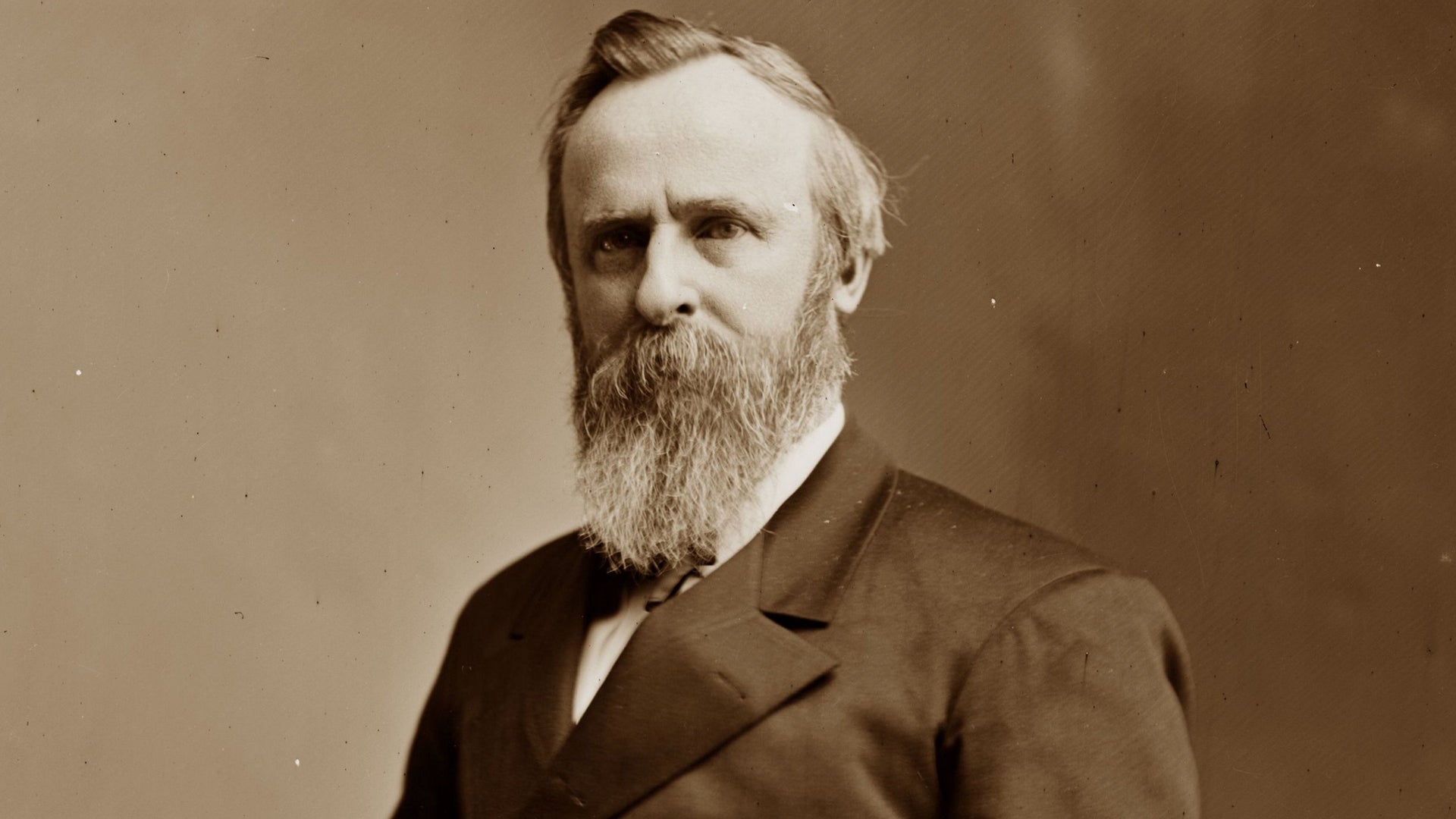
Rutherford B. Hayes: A President Who Restored the Union

iqsafe.info – Rutherford B. Hayes, the 19th President of the United States, often stands as a somewhat overlooked figure in American history. However, his presidency—though marked by controversies and challenges—represented a crucial turning point in the nation’s recovery from the Civil War and the Reconstruction era. Hayes is often hailed for his leadership during a time of national reconciliation and for his significant role in restoring the Union after a turbulent period. This article explores Rutherford B. Hayes’ life, his presidency, and the ways in which he worked to heal the divisions left by the Civil War.

Early Life and Career: Shaped by War and Law

A Humble Beginning

Rutherford Birchard Hayes was born on October 4, 1822, in Delaware, Ohio, into a family of modest means. His father, Rutherford Hayes Sr., died before Hayes was born, leaving his mother, Sophia, to raise him and his two siblings. Despite their financial hardships, Hayes’ mother was determined to provide her children with a good education, and Rutherford excelled in his studies. He attended Kenyon College in Ohio, where he graduated in 1842, and went on to study law at Harvard Law School.

Hayes passed the bar in 1845, establishing a successful legal career in Ohio. His practice focused on civil and criminal law, and he quickly became known for his intellect, honesty, and dedication. His early years in law were also marked by a deepening commitment to social justice and the abolition of slavery, which would later define his political career.

Military Service and Civil War Leadership

When the Civil War broke out in 1861, Hayes was eager to serve his country. He enlisted as a major in the 23rd Ohio Volunteer Infantry and rose quickly through the ranks due to his leadership abilities. He was promoted to lieutenant colonel, then colonel, and ultimately to brevet major general by the war’s end in 1865. Hayes distinguished himself in battle, participating in significant engagements, including the battles of South Mountain, Antietam, and the Siege of Petersburg.

Hayes was wounded several times during the war, but his courage and strategic leadership earned him admiration from his peers and subordinates. His service in the war was a defining aspect of his life and would later influence his policies as president, especially in regard to national unity and the treatment of veterans.

Political Rise: Governor and Advocate for Reform

Governorship of Ohio

After the war, Rutherford B. Hayes returned to Ohio and resumed his legal career. However, his experiences during the war and his desire to see the nation healed led him into politics. In 1867, Hayes was elected governor of Ohio, where he served three non-consecutive terms. As governor, Hayes was known for his progressive views on civil rights, education, and the treatment of African Americans in the post-war period.

Hayes strongly supported the abolition of slavery and worked to advance the rights of freedmen in the South. He believed that the federal government had a responsibility to ensure equality for all citizens, regardless of race, and he was an advocate for equal educational opportunities, especially for African Americans.

One of his most notable accomplishments as governor was his successful effort to improve the Ohio public school system. He implemented educational reforms that helped to expand access to schooling for the state’s children, including the establishment of a state board of education.

National Politics: A Path to the White House

Hayes’ reputation as a principled leader and advocate for reform earned him national attention. His political career culminated in his election as president in 1876, though it was a journey fraught with challenges.

The 1876 presidential election was one of the most contentious in American history. Hayes, a Republican, faced off against Democratic candidate Samuel J. Tilden in a fiercely contested race. Tilden won the popular vote by a significant margin, but the election results were disputed in several Southern states, where both parties claimed victory. The election became a constitutional crisis, and the outcome remained uncertain for months.

In what became known as the Compromise of 1877, Hayes was declared the winner of the election after a series of backdoor negotiations between Republican and Democratic leaders. In exchange for Hayes’ victory, Republicans agreed to withdraw federal troops from the South, effectively ending Reconstruction. While this compromise allowed Hayes to assume the presidency, it had profound implications for the future of African American civil rights in the South, as the withdrawal of federal troops led to the resurgence of white supremacist rule in many Southern states.

The Presidency of Rutherford B. Hayes: Restoring the Union

Ending Reconstruction and Promoting National Reconciliation

The Compromise of 1877, which was instrumental in Hayes’ path to the White House, marked the end of the Reconstruction era. Hayes’ decision to withdraw federal troops from the South was a significant turning point in American history, as it effectively ended the federal government’s efforts to protect the civil rights of African Americans in the Southern states. While this decision has been criticized by some historians as a betrayal of Reconstruction’s promises, it also represented Hayes’ commitment to national reconciliation and healing the wounds of the Civil War.

At the time of his election, the nation was still deeply divided, and Hayes recognized that healing the rift between the North and South would require compromise. His presidency sought to restore the Union by fostering cooperation between former enemies and reestablishing a sense of national unity. Although the withdrawal of troops allowed Southern states to regain control of their governments, Hayes remained committed to the idea of a unified nation.

Civil Service Reform

One of the most enduring legacies of Hayes’ presidency was his commitment to civil service reform. At the time, the federal government was rife with corruption, and political patronage was widespread. Politicians often appointed friends and allies to government positions, regardless of their qualifications. Hayes believed that government jobs should be awarded based on merit rather than political connections.

In 1877, Hayes took bold steps to reform the patronage system by issuing an executive order that prohibited political appointees from contributing to political campaigns. He also called for the creation of a merit-based civil service system, and his advocacy for reform eventually laid the groundwork for the Pendleton Civil Service Reform Act of 1883, which established a more professional and impartial federal workforce.

Economic Recovery and the End of Reconstruction

Hayes faced a series of economic challenges during his presidency. The nation was still recovering from the effects of the Civil War and Reconstruction, and economic instability persisted. The Panic of 1873, a severe depression, had left many businesses struggling, and unemployment was high.

While Hayes did not have the political support to enact major economic reforms, he worked to restore confidence in the American economy. He was a strong advocate for the gold standard and worked to stabilize the nation’s currency. He also supported the development of infrastructure, particularly railroads, as a means of spurring economic growth.

Despite these efforts, Hayes’ presidency is most often remembered for its focus on restoring the Union and promoting national healing after the Civil War. His decision to pull federal troops from the South, while controversial, allowed the country to begin moving past the divisions of Reconstruction and set the stage for the next chapter in American history.

The Legacy of Rutherford B. Hayes

Rutherford B. Hayes left office in 1881 after serving a single term. His decision not to seek re-election was in keeping with his desire to promote stability and avoid the kind of political strife that had marked the previous decade. Hayes retreated to his home in Ohio, where he remained active in public life and continued to advocate for education, civil rights, and veterans’ issues.

Though his presidency was relatively brief and his achievements were sometimes overshadowed by the controversies of his election and the Compromise of 1877, Hayes’ legacy as a leader who worked to restore the Union is significant. He demonstrated a commitment to national reconciliation, civil service reform, and the idea of a unified country after the Civil War.

His presidency was a critical period in American history, one that helped to mend the wounds of a nation torn apart by conflict and set the stage for the economic and political changes that would define the late 19th century.

Conclusion

Rutherford B. Hayes may not be remembered as one of the most transformative presidents in U.S. history, but his leadership during a crucial period of American recovery and healing remains invaluable. His efforts to restore the Union, end Reconstruction, and reform the civil service were all aimed at creating a more unified, stable, and prosperous nation. In many ways, Hayes’ presidency represents the difficult but essential work of post-war reconciliation, and his commitment to the Union helped steer the nation toward a more peaceful and stable future.

Hamas Tunda Pembebasan Sandera, Tuduh Israel Langgar Kesepakatan

iqsafe – Kelompok militan Hamas mengumumkan bahwa mereka telah menunda pembebasan sandera berikutnya yang sebelumnya dijadwalkan dalam beberapa hari mendatang. Keputusan ini diambil setelah Hamas menuduh Israel melanggar ketentuan kesepakatan yang telah disepakati sebelumnya.

Dalam sebuah pernyataan resmi yang dirilis pada hari ini, juru bicara Hamas, Fawzi Barhoum, mengatakan, “Kami telah memutuskan untuk menunda pembebasan sandera berikutnya karena Israel telah melanggar beberapa ketentuan penting dalam kesepakatan yang telah kami capai. Kami tidak akan mentolerir pelanggaran semacam ini dan akan mengambil tindakan yang diperlukan untuk melindungi hak-hak kami serta keselamatan sandera yang berada di bawah perlindungan kami.”

Barhoum tidak merinci secara spesifik ketentuan mana yang dilanggar oleh Israel, tetapi ia menekankan bahwa pelanggaran tersebut sangat serius dan tidak dapat diabaikan. “Kami telah berusaha keras untuk mencapai kesepakatan yang adil dan seimbang, tetapi tindakan Israel telah mengancam stabilitas dan keberhasilan kesepakatan ini,” tambahnya.

Sementara itu, pihak Israel belum memberikan tanggapan resmi atas tuduhan tersebut. Namun, beberapa sumber di pemerintahan Israel menyatakan bahwa mereka sedang meninjau tuduhan Hamas dan akan memberikan pernyataan resmi dalam waktu dekat.

Kesepakatan pembebasan sandera yang dicapai antara Hamas dan Israel beberapa waktu lalu telah memberikan harapan situs slot kamboja besar bagi keluarga sandera dan masyarakat internasional. Kesepakatan tersebut mencakup pertukaran tahanan dan bantuan kemanusiaan untuk Gaza. Namun, dengan adanya penundaan ini, situasi kembali menjadi tidak pasti dan menimbulkan kekhawatiran baru.

Komunitas internasional, termasuk PBB dan beberapa negara yang terlibat dalam negosiasi, telah menyatakan keprihatinan mereka atas perkembangan terbaru ini. Mereka mendesak kedua belah pihak untuk segera kembali ke meja perundingan dan menyelesaikan masalah ini secara damai.

“Kami sangat prihatin dengan penundaan ini dan mendesak kedua belah pihak untuk menghormati kesepakatan yang telah dicapai. Kami berharap agar pembicaraan dapat segera dilanjutkan untuk mencapai solusi yang adil dan berkelanjutan,” kata juru bicara PBB, Stephane Dujarric.

Sementara itu, keluarga sandera yang telah lama menantikan kabar baik merasa kecewa dan cemas dengan penundaan ini. “Kami berharap agar semua pihak dapat segera menyelesaikan masalah ini dan membawa anak-anak kami kembali dengan selamat,” ujar salah satu anggota keluarga sandera.

Dengan situasi yang semakin kompleks, semua pihak diharapkan dapat menahan diri dan bekerja sama untuk mencapai solusi yang terbaik bagi semua pihak yang terlibat. Penundaan ini menunjukkan betapa rapuhnya kesepakatan yang telah dicapai dan betapa pentingnya komitmen dari semua pihak untuk menjaga perdamaian dan stabilitas di kawasan tersebut.

Andrew Johnson’s Legacy: Success or Failure in Post-War America?

iqsafe.info – Andrew Johnson, the 17th President of the United States, is often regarded as one of the most controversial and divisive figures in American history. His presidency, which spanned from 1865 to 1869, was marked by a tumultuous relationship with Congress, a deeply divisive approach to the Reconstruction of the South, and an unwavering defense of states’ rights. Johnson’s actions and policies during the immediate post-Civil War era had far-reaching consequences that continue to be debated to this day. Was Johnson’s legacy one of success, or did his policies and leadership leave America more fractured than it was before? This article explores the complex and often contradictory legacy of Andrew Johnson, examining the successes and failures of his presidency in the context of post-war America.

The Background of Andrew Johnson: From Humble Origins to the White House

A Southern Unionist in a Time of Division

Andrew Johnson was born on December 29, 1808, in Raleigh, North Carolina, into a poor family. His early years were marked by hardship and a lack of formal education, but he was determined to rise above his circumstances. Johnson moved to Greeneville, Tennessee, where he worked as a tailor and became involved in local politics. By the 1840s, Johnson had established himself as a prominent politician in Tennessee, eventually becoming the state’s governor and later serving as a U.S. senator.

When the Civil War broke out, Johnson was a staunch Unionist, though he hailed from a Southern state. He opposed secession, and unlike many of his Southern counterparts, he chose to remain loyal to the Union. In 1862, after Union forces gained control of Tennessee, Johnson was appointed as the military governor of the state. His tenure as governor was focused on rebuilding the state and securing Union loyalty. His moderate stance on slavery and his desire to preserve the Union without excessively punishing the South earned him the respect of many Northern leaders.

When President Abraham Lincoln was re-elected in 1864, he chose Johnson as his running mate in part to help bridge the divide between the North and the South. Johnson, a Southern Unionist, was seen as the ideal candidate to promote national reconciliation.

Johnson’s Rise to the Presidency

Johnson’s path to the presidency was dramatically altered in April 1865 when President Lincoln was assassinated by John Wilkes Booth. Johnson, who was vice president at the time, was thrust into the role of president at a critical moment in American history—just days after the end of the Civil War. Johnson faced the monumental task of leading a divided country through the process of Reconstruction, the effort to rebuild the South and reunite the nation.

Johnson’s Approach to Reconstruction: Leniency vs. Radical Change

The Presidential Plan for Reconstruction

As president, Andrew Johnson sought to quickly reunite the Southern states with the Union. His vision for Reconstruction was marked by a lenient approach toward the South. Johnson’s plan, known as the Presidential Reconstruction Plan, offered amnesty and pardons to former Confederates who took an oath of loyalty to the Union. High-ranking Confederate officials and wealthy landowners were excluded from this amnesty, but they could apply for individual pardons.

Johnson’s Reconstruction plan was designed to restore Southern state governments with minimal interference from the federal government. He allowed Southern states to re-establish their governments without significant changes to the pre-war social structure. This approach did not demand a sweeping transformation of Southern society, particularly regarding the rights of newly freed African Americans. Johnson believed that the Southern states should determine their own fate and that the federal government should avoid heavy-handed interventions in state matters.

The Black Codes and Southern Resistance

One of the primary criticisms of Johnson’s Reconstruction policies was his failure to address the plight of African Americans in the South. Under Johnson’s plan, many Southern states quickly passed Black Codes, which severely restricted the rights and freedoms of freedmen. These laws limited African Americans’ ability to own property, work in certain professions, and move freely within the states. Many Black Codes were designed to keep African Americans in a state of subjugation and economic dependency, essentially perpetuating aspects of the pre-war system of racial hierarchy.

Johnson’s unwillingness to push for federal intervention to protect the civil rights of freedmen was a major point of contention. While some Northern leaders, particularly the Radical Republicans in Congress, sought to ensure the rights of African Americans through national legislation, Johnson vetoed key civil rights bills. The most notable of these was the Civil Rights Act of 1866, which aimed to grant citizenship and equal rights to African Americans. Johnson’s veto of this bill alienated many in Congress and led to a direct conflict between the president and the legislature.

The Radical Republicans and the Clash with Congress

The Radical Republicans, a faction within the Republican Party, took issue with Johnson’s lenient approach to Reconstruction. They believed that Johnson’s plan did not go far enough in securing the rights of African Americans or addressing the social and political power of former Confederates. The Radical Republicans advocated for a more comprehensive Reconstruction that included land redistribution, federal protection for African Americans, and a stricter process for Southern states to re-enter the Union.

The conflict between Johnson and Congress came to a head in 1866 when Congress passed the Fourteenth Amendment, which granted citizenship to African Americans and provided for equal protection under the law. Johnson opposed the amendment, viewing it as an overreach of federal power. His opposition to the amendment further deepened the divide between the president and Congress, and it was eventually ratified without his support.

The standoff between Johnson and Congress reached its peak when Congress passed the Tenure of Office Act in 1867. The law, which was designed to limit Johnson’s ability to remove certain officials from office without Senate approval, was a direct response to Johnson’s efforts to dismiss Edwin M. Stanton, his secretary of war. In 1868, Johnson’s dismissal of Stanton led to his impeachment by the House of Representatives—the first impeachment of a U.S. president in history. Although Johnson was acquitted by the Senate and avoided removal from office, the impeachment battle severely damaged his political influence and weakened his presidency.

Johnson’s Legacy: Success or Failure?

A Legacy of Failure in Protecting African American Rights

Johnson’s most enduring legacy is his failure to secure the civil rights of African Americans in the immediate aftermath of the Civil War. His lenient approach to Reconstruction allowed Southern states to enact Black Codes and deny African Americans basic rights. While Congress eventually passed important civil rights legislation, such as the Fourteenth and Fifteenth Amendments, Johnson’s lack of commitment to protecting African American rights left the South entrenched in racial inequality for decades to come.

Johnson’s opposition to the Civil Rights Act of 1866, and his veto of other key legislation designed to protect African Americans, ultimately delayed the full integration of freedmen into American society. His refusal to challenge the entrenched racial prejudices of Southern society contributed to the enduring legacy of racism and segregation in the United States.

A Political Survivor, But a Failed Leader?

Andrew Johnson’s tenure as president is often seen as a failure in terms of leadership. His inability to work with Congress and his defiance of legislative action left him politically isolated. While Johnson was a political survivor—he avoided removal from office and maintained some influence within the political landscape—his presidency failed to accomplish many of the crucial goals of Reconstruction.

Johnson’s refusal to compromise with the Radical Republicans and his staunch defense of states’ rights left him with few allies in the federal government. His presidency is often viewed as a missed opportunity for true national reconciliation and healing after the Civil War. Instead of leading the nation toward unity, Johnson’s policies exacerbated divisions and left the South to govern itself without meaningful federal oversight.

A Controversial Figure in American History

In the broader context of American history, Johnson’s legacy is controversial and complex. On one hand, he played a pivotal role in preserving the Union during the Civil War and in re-integrating the Southern states into the nation. On the other hand, his reluctance to confront the deeply ingrained system of racial inequality in the South and his ineffectiveness in protecting African American rights have overshadowed his accomplishments.

Johnson’s presidency was a pivotal moment in the development of the Reconstruction era. His policies left a lasting mark on the post-war South, and his battles with Congress set the stage for the modern relationship between the executive and legislative branches of government. Ultimately, however, Johnson’s legacy is one of missed opportunities—a legacy defined by failure to fully realize the promise of equality and justice for African Americans in the post-war United States.

Conclusion: A Legacy of Division and Missed Potential

Andrew Johnson’s presidency is a testament to the challenges of leading a nation through the turbulent aftermath of war. While his determination to restore the Union and preserve states’ rights may have made him a political survivor, his failure to address the pressing issues of racial equality and social justice ultimately marred his legacy. Johnson’s actions and policies during Reconstruction left America deeply divided, and his legacy continues to spark debate about the true nature of leadership and justice in post-war America. Whether viewed as a success or failure, Johnson’s presidency will always remain a pivotal chapter in the history of the United States—a chapter marked by contentious struggles, political survival, and an enduring struggle for civil rights.

James Buchanan: A President Out of Step with History

iqsafe.info – James Buchanan, the 15th President of the United States, remains one of the most controversial figures in American history. Serving from 1857 to 1861, Buchanan’s time in office occurred during one of the nation’s most volatile periods. His presidency marked the eve of the Civil War, a time when the United States was torn apart by issues of slavery, states’ rights, and territorial expansion. Buchanan’s legacy, however, is largely defined by his failure to address the mounting sectional tensions that would eventually lead to the collapse of the Union.

Buchanan has often been described as a president out of step with the political, social, and moral currents of his time. His indecisive leadership, rooted in his unwavering belief in the Constitution and states’ rights, left the nation on the brink of destruction. While some have pointed to his political experience and diplomatic achievements as strengths, his inability to adapt to the changing political landscape of 19th-century America makes him a figure often remembered for missed opportunities and ill-timed compromises.

This article explores how James Buchanan’s presidency was out of step with the forces of history. It examines the political climate during his time in office, his leadership style, and the decisions that led to his failure to prevent the Union’s unraveling. Ultimately, Buchanan’s inability to recognize the urgency of the nation’s problems and his failure to take decisive action during a critical period marked him as a president who, rather than guiding the country through its crisis, contributed to its inevitable downfall.

A Nation Divided: The Context of Buchanan’s Presidency

When James Buchanan took office in 1857, the United States was already a divided nation. The question of slavery was at the center of nearly every political debate. The expansion of slavery into new territories was the driving issue, as the North and South increasingly found themselves at odds. The Compromise of 1850, which had sought to address these tensions, had failed to produce lasting peace. The passage of the Kansas-Nebraska Act in 1854, which allowed settlers in the western territories to decide the issue of slavery through popular sovereignty, only exacerbated the problem, leading to violent clashes in Kansas, known as Bleeding Kansas.

Buchanan, a lifelong supporter of states’ rights and an advocate for the preservation of the Union, entered the White House with the belief that he could maintain the status quo. However, the political, social, and economic changes that were occurring in the United States demanded a stronger, more dynamic leadership—qualities that Buchanan lacked. His failure to understand the gravity of the situation and his insistence on appeasing both Northern and Southern factions ultimately left the nation on the brink of collapse.

Buchanan’s Leadership Style: A Man of Principle but Poor Judgment

James Buchanan’s leadership style was shaped by his long career in public service. A seasoned diplomat, Buchanan served as the U.S. Minister to the United Kingdom and had a wealth of experience in foreign affairs. He was known for his strong belief in the Constitution and his commitment to upholding what he saw as the fundamental principles of American democracy. However, these same convictions, when applied to the domestic political crisis he faced as president, proved to be his undoing.

Buchanan’s unwavering commitment to the Constitution led him to believe that the federal government had limited power to intervene in the issues facing the nation. His strict interpretation of states’ rights left him unwilling to take strong action in response to the growing sectionalism and the escalating conflict between North and South. For example, he believed that the federal government could not prevent the expansion of slavery into new territories because the Supreme Court had ruled that the Missouri Compromise was unconstitutional in the Dred Scott decision. Buchanan, who supported the Court’s ruling, saw it as a definitive solution to the slavery question. However, rather than healing the nation, the decision only deepened the divide.

Buchanan’s inability to adapt to the changing political climate and his reluctance to confront the moral and practical realities of slavery made him an ineffective president at a time when strong, decisive leadership was needed. While he prided himself on his political acumen, his refusal to take bold action during a national crisis rendered him largely irrelevant in the face of mounting challenges.

The Dred Scott Decision: A Misguided Attempt at Resolution

One of the most significant events during Buchanan’s presidency was the Dred Scott v. Sanford decision in 1857. The case involved Dred Scott, an enslaved man who sued for his freedom after living in free territories with his master. The Supreme Court, in a 7-2 decision, ruled that African Americans, whether free or enslaved, could not be citizens of the United States and that Congress had no authority to prohibit slavery in the territories.

Buchanan strongly supported the decision, believing it would end the controversy over slavery and restore peace between North and South. However, the decision had the opposite effect. The ruling enraged abolitionists and anti-slavery advocates in the North, who saw it as a betrayal of the principles of freedom and equality. The decision further entrenched the divisions between North and South and led to greater polarization across the country.

Buchanan’s endorsement of the Dred Scott decision has been one of the most criticized aspects of his presidency. Rather than offering a path to reconciliation, Buchanan’s support for the decision only fueled the fire of division. By aligning himself so closely with the Supreme Court’s ruling, Buchanan alienated much of the Northern population and drove a wedge between himself and the growing abolitionist movement. In this sense, Buchanan’s leadership was out of step with the social and moral currents of his time, as the North increasingly viewed slavery as a moral issue that needed to be confronted head-on.

The Kansas Crisis: A Failure of Popular Sovereignty

Another significant failure of Buchanan’s presidency was his handling of the crisis in Kansas. The Kansas-Nebraska Act of 1854 had opened up the possibility of slavery in the western territories, allowing settlers to decide the issue through popular sovereignty. This provision led to violent confrontations between pro-slavery and anti-slavery settlers in Kansas, a conflict known as Bleeding Kansas.

When Buchanan took office, the violence in Kansas had already escalated, and the territory was in turmoil. Buchanan, adhering to his belief in popular sovereignty, attempted to resolve the situation by supporting the pro-slavery Lecompton Constitution, which would have allowed Kansas to enter the Union as a slave state. Buchanan’s support for the Lecompton Constitution was seen as an effort to appease the South, but it was met with strong opposition from Northern Democrats, who felt that the process had been undemocratic and unfair.

The Lecompton Constitution was ultimately rejected by Congress, and Kansas remained a battleground for pro-slavery and anti-slavery forces. Buchanan’s failure to address the situation in a way that satisfied both factions demonstrated his inability to effectively manage the growing sectional tensions. The issue of slavery in the territories, which had been at the heart of the crisis in Kansas, continued to fester under Buchanan’s leadership, further highlighting his failure to unite the nation.

The Secession Crisis: A Nation on the Brink

By the time Buchanan’s term was nearing its end in 1861, the country was on the brink of disunion. The election of Abraham Lincoln in 1860, a candidate who opposed the expansion of slavery into the territories, served as the final catalyst for the Southern states to secede from the Union. South Carolina was the first state to secede, followed by six other Southern states, who formed the Confederate States of America.

Buchanan’s response to the secession crisis was one of indecision and inaction. Although he declared that secession was illegal, he also believed that the federal government had no constitutional authority to compel states to remain in the Union. Buchanan’s refusal to take a strong stand against secession allowed the Confederacy to establish itself and set the stage for the Civil War.

Rather than confronting the crisis head-on, Buchanan sought to avoid conflict by relying on diplomatic negotiations and constitutional interpretations. His belief in the sanctity of states’ rights and his commitment to a limited federal government led him to fail to take the necessary steps to prevent the Union’s collapse. His inaction during the secession crisis ultimately left the task of preserving the Union to Abraham Lincoln, who would take office in March 1861 and immediately face the challenge of holding the nation together.

Buchanan’s Legacy: A President Out of Step with History

James Buchanan’s presidency is often viewed as a failure, not only because of his inability to prevent the Civil War but also because his leadership was woefully out of step with the historical forces of his time. The growing sectional divide, the moral question of slavery, and the need for strong leadership were issues that Buchanan was unable or unwilling to confront.

Buchanan’s strict adherence to constitutionalism and states’ rights made him incapable of taking decisive action when it was most needed. His belief in compromise, while admirable in some contexts, only served to delay the inevitable and allow the divisions within the country to deepen. Buchanan’s failure to adapt to the shifting political, social, and moral landscape left him unable to unify a nation teetering on the brink of war.

In the end, James Buchanan’s presidency is a cautionary tale of what happens when a leader is too rigid in his beliefs and too passive in the face of a national crisis. His time in office marks the tragic moment when the United States, under his leadership, moved inexorably toward the Civil War. As the last president before Abraham Lincoln, Buchanan failed to rise to the challenges of his time, leaving his successor to face the consequences of his inaction. His legacy is that of a president who was out of step with history—a man whose inability to act in a time of great national peril ensured the nation’s painful descent into conflict.

Millard Fillmore’s Legacy in the U.S. Cabinet

iqsafe.info – Millard Fillmore, the 13th president of the United States, often finds his place in history overshadowed by more well-known figures like Abraham Lincoln and Andrew Jackson. Nevertheless, his presidency and influence extend beyond just his time in office. Fillmore’s legacy is intricately tied to his decisions within his Cabinet, and the members of his administration played a crucial role in shaping the policies of his presidency. Fillmore, although not always remembered for his dynamic leadership, made key appointments that were vital to both domestic and foreign affairs during a critical period in American history.

His Cabinet was a diverse mix of politicians and statesmen who reflected the challenges and issues facing the United States in the mid-19th century. These men, many of whom had a significant influence on the political scene of their time, worked with Fillmore to navigate some of the most complex political, economic, and social issues that the country had encountered.

The Cabinet under Millard Fillmore: A Time of Compromise and Change

Appointments in the Context of Crisis

Fillmore assumed the presidency in 1850, following the sudden death of President Zachary Taylor. The nation was embroiled in a debate over slavery, the future of the newly acquired territories from the Mexican-American War, and the balance of power between the North and South. Fillmore’s Cabinet appointments were thus made with these issues in mind. In a time of national crisis, his selections were aimed at preserving the Union and finding a path to compromise. This was crucial, as the nation faced a growing divide that would eventually culminate in the Civil War.

Fillmore, a former congressman and vice president, had experience working with diverse political factions and had a deep understanding of the political landscape. He knew the importance of bringing together a team that could work across party lines. His Cabinet included men with a range of ideological positions, from moderates to conservatives, but all shared a commitment to maintaining the Union, even if it meant compromising on contentious issues like slavery.

Key Figures in Fillmore’s Cabinet

Millard Fillmore’s Cabinet consisted of individuals who played key roles in his administration and the broader political context of the time. Among the most notable were:

1. Daniel Webster – Secretary of State

One of Fillmore’s most important appointments was Daniel Webster as Secretary of State. Webster was an esteemed statesman and one of the most renowned orators of his time. He had previously served as a congressman and senator from Massachusetts and had been a prominent figure in national politics, known for his powerful speeches advocating for the preservation of the Union.

Webster played a crucial role in negotiating the Compromise of 1850, a package of legislation designed to settle the issue of slavery in the newly acquired territories. Webster’s support for the compromise, especially the controversial Fugitive Slave Act, was pivotal in getting the legislation passed. Although Webster’s stance on the issue of slavery was complex—he was not an abolitionist but believed in the preservation of the Union—his support of the compromise caused him to lose support in his home state of Massachusetts, where abolitionists were gaining influence.

2. William H. Seward – Secretary of State (Appointed in 1861)

Though William Seward did not serve directly under Fillmore (he was appointed in 1861 under Lincoln), he had been an influential member of the Whig Party prior to Fillmore’s time in office. A staunch abolitionist, Seward’s political views were diametrically opposed to Fillmore’s moderate stance on slavery. Nonetheless, Seward’s influence on American foreign policy would become significant after Fillmore’s time, particularly with his role in acquiring Alaska from Russia.

3. Thomas Corwin – Secretary of the Treasury

A well-respected Ohio politician, Thomas Corwin was appointed Secretary of the Treasury by Fillmore. Corwin had previously served as a congressman and governor of Ohio, and he was a strong advocate for economic reform and a stable national financial system. During his time in office, Corwin faced a burgeoning economic crisis, and his efforts helped strengthen the nation’s financial standing. He also worked on the country’s efforts to expand foreign trade.

4. William A. Graham – Secretary of the Navy

As a member of Fillmore’s Cabinet, William A. Graham worked on strengthening the Navy and promoting U.S. interests overseas. Graham was an experienced political figure from North Carolina and played a role in the Perry Expedition to Japan, which eventually led to the opening of Japan to trade with the United States. This was one of the most notable foreign policy achievements during Fillmore’s presidency and helped set the stage for future American interactions with East Asia.

5. Edward Everett – Secretary of State (Appointed in 1852)

Edward Everett, another prominent figure of the era, briefly served as Secretary of State under Fillmore after Daniel Webster’s departure in 1852. Everett was known for his diplomatic experience and eloquent speeches. Though he had limited time in Fillmore’s Cabinet, he played an important role in U.S. foreign relations during a pivotal period.

6. John M. Clayton – Secretary of State (1850-1852)

John M. Clayton, who was also a key player in foreign diplomacy during Fillmore’s presidency, served as Secretary of State before Everett. Clayton was instrumental in drafting the Clayton-Bulwer Treaty with Great Britain, which sought to resolve issues related to the construction of a canal across Central America, something that would become a major topic of U.S. foreign policy later on.

7. Jacob Collamer – Postmaster General

Jacob Collamer, a former senator from Vermont, was appointed Postmaster General during Fillmore’s presidency. Collamer was a member of the Whig Party and a moderate voice in politics. During his time in office, he focused on improving the efficiency of the postal system and managing the growing demands of a rapidly expanding nation.

8. Abel Upshur – Secretary of the Navy

Abel Upshur was another important member of Fillmore’s Cabinet. He succeeded William A. Graham and was deeply involved in efforts to modernize the Navy. Upshur was a staunch supporter of the expansion of American influence abroad, which he viewed as vital for the nation’s growth.

The Impact of Fillmore’s Cabinet on the Country

Fillmore’s Cabinet played a significant role in the unfolding events of the 1850s, especially in terms of foreign relations and national politics. His leadership helped ensure the passage of the Compromise of 1850, a series of laws that sought to balance the interests of slaveholding states and free states. While the compromise did not solve the issue of slavery, it did delay the outbreak of the Civil War for another decade.

His administration also saw the opening of Japan to the United States, largely through the diplomatic efforts of Commodore Matthew Perry, who was sent by Fillmore to negotiate a treaty with Japan. The Treaty of Kanagawa was signed in 1854, marking a significant shift in American foreign policy and increasing its influence in the Pacific region.

While Fillmore’s Cabinet worked diligently to manage domestic and foreign affairs, his political career would ultimately be marred by the increasing divisions over slavery, the rise of the Republican Party, and his failure to secure the Whig Party’s future. Despite this, his Cabinet’s actions were vital in shaping the policies of the era, and Fillmore’s moderate approach to politics helped prevent the country from descending into outright conflict during the years of his presidency.

Conclusion: The Lasting Impact of Millard Fillmore’s Cabinet

Millard Fillmore’s Cabinet may not have been as famous or as flashy as those of some of his successors, but it was undeniably influential in shaping the course of American history during a tumultuous time. The men he appointed worked to navigate the political and social challenges of their era, and their actions continue to reverberate in U.S. history. From domestic compromises on slavery to foreign policy triumphs, Fillmore’s Cabinet helped define the trajectory of the country during the pre-Civil War years.

While Fillmore’s own place in history may be overshadowed by the events that followed, his administration remains a significant moment in the story of the United States. His Cabinet, and the decisions they made together, was central to his presidency, reflecting his belief in pragmatism and compromise during a period of division. Their work allowed Fillmore to serve as a moderate leader during a time of great uncertainty, and their efforts provided an enduring legacy in both domestic and international policy.

Polk’s Diplomatic Legacy: The Oregon Territory and Beyond

iqsafe.info – James K. Polk, the 11th President of the United States, is often remembered for his resolute pursuit of territorial expansion. Known for his aggressive stance on Manifest Destiny, Polk’s presidency saw the United States grow by a significant portion, both in terms of land and influence. Among his most important and enduring diplomatic achievements was the resolution of the Oregon Territory dispute, which not only shaped U.S. borders but also played a critical role in the nation’s development during the 19th century. Polk’s handling of the Oregon issue, alongside his broader foreign policy endeavors, cemented his diplomatic legacy and helped define the nation’s future trajectory.

The Oregon Territory Dispute: A Land of Dreams and Conflict

By the time James K. Polk took office in 1845, the United States had long been engaged in a diplomatic struggle over the Oregon Territory. The area, which spanned present-day Oregon, Washington, Idaho, and parts of Wyoming and Montana, was claimed by multiple powers: the United States, Great Britain, Spain, and Russia. However, by the 1820s and 1830s, the main contenders for control were the United States and Britain, each asserting competing interests in the land.

In the 1818 Treaty of Joint Occupation, the United States and Britain had agreed to allow citizens of both countries to settle the region without defining a clear boundary. As American settlers began to move westward, fueled by the promise of fertile land and opportunity, tensions grew between the two nations. By the 1840s, a large number of Americans had settled in Oregon, and the question of sovereignty was becoming more pressing.

For President Polk, the Oregon Territory was one of the central goals of his expansionist agenda. When he took office, he inherited the complex situation of balancing U.S. ambitions against British interests in the region. His policy would ultimately lead to a resolution of the dispute, but it would also require careful diplomacy and the threat of conflict.

Polk’s Campaign: “Fifty-Four Forty or Fight”

James K. Polk’s presidential campaign in 1844 was defined by the slogan “Fifty-four Forty or Fight!” This phrase referred to the northern latitude line (54 degrees, 40 minutes) that the United States hoped to establish as the boundary between U.S. and British territory in the Oregon region. It symbolized Polk’s commitment to securing all of the Oregon Territory for the United States. His supporters were enthusiastic about the prospect of expansion, and the slogan quickly became a rallying cry for the notion of Manifest Destiny—the belief that the United States was destined to expand across the North American continent.

Polk’s position on the Oregon question was unequivocal: he was determined to gain control of the entire Oregon Territory up to the 54° 40′ line, rejecting British claims to the land. However, Polk also recognized that the United States had much more to gain by avoiding war with Britain. As such, his strategy would balance boldness with diplomacy, working to secure American claims while preventing a military conflict that could stretch the nation’s resources and manpower.

Diplomatic Negotiation: The Oregon Treaty of 1846

Despite the heated rhetoric surrounding the Oregon question, Polk was keenly aware that the United States did not need to engage in a costly war with Britain over the territory. As the diplomatic negotiations began in 1845, Polk shifted from the strong demands of “Fifty-four Forty or Fight!” to a more pragmatic approach. He sought a peaceful resolution that would expand the nation without escalating tensions to war.

After several months of diplomatic talks, Polk and British Foreign Secretary Lord Aberdeen reached an agreement in 1846. The result was the Oregon Treaty, which established the 49th parallel as the boundary between British Canada and U.S. territories in the Oregon region. The United States gained control of the land south of this line, including the fertile Willamette Valley, while Britain retained control of the land to the north, which eventually became British Columbia.

The Oregon Treaty was a major diplomatic victory for Polk and the United States. By compromising on the northern boundary, Polk managed to avoid war with Britain, a nation that was still a global superpower, and at the same time, secured a vast and resource-rich territory for the United States. The treaty was seen as a triumph of diplomacy, as Polk achieved his goal of expanding American territory without resorting to violence or armed conflict.

The Impact of the Oregon Treaty on the United States

The Oregon Treaty marked a turning point in U.S. foreign policy and territorial expansion. By successfully negotiating the boundary with Britain, Polk not only preserved the peace with a powerful nation but also secured the future development of the American West. The acquisition of Oregon allowed for the continued settlement of the region, and it helped solidify the nation’s claim to the Pacific Coast, a key part of the broader vision of Manifest Destiny.

The agreement also had profound economic consequences. The fertile lands of Oregon attracted thousands of settlers, many of whom traveled the Oregon Trail in search of new opportunities. As these settlers moved westward, they established farms, towns, and trade routes that would form the foundation for the U.S. economy in the Pacific Northwest. Additionally, the region’s natural resources, including timber, minerals, and fish, provided new economic opportunities for the expanding United States.

Moreover, the Oregon Treaty marked the final step in the United States’ long-standing quest to control the western portion of the continent. The acquisition of Oregon was a key moment in the history of American territorial expansion, reinforcing the idea that the nation had a divine right to stretch from coast to coast.

Beyond Oregon: Polk’s Expansionist Vision

While the Oregon dispute was one of the defining moments of Polk’s presidency, his expansionist policies extended beyond the Pacific Northwest. Polk’s vision for the United States was one of continental domination, and he was not satisfied with merely securing Oregon. His administration aggressively pursued the annexation of Texas, which had been an independent republic after its secession from Mexico in 1836. Polk’s push for Texas statehood culminated in the annexation of Texas in 1845, an act that helped trigger the Mexican-American War.

The war itself, which resulted in the Treaty of Guadalupe Hidalgo in 1848, expanded U.S. territory even further, securing vast areas in the Southwest, including California, New Mexico, Arizona, Nevada, and Utah. Polk’s successful negotiation of the Oregon Treaty and his actions in the Mexican-American War together helped fulfill the dream of Manifest Destiny, a vision that saw the United States stretch from the Atlantic to the Pacific.

Polk’s Diplomatic Legacy: A Pragmatic Expansionist

James K. Polk’s handling of the Oregon Territory is often seen as a model of pragmatic diplomacy. While his rhetoric may have suggested a willingness to go to war over the land, his actions demonstrated a careful and calculated approach to foreign policy. Polk’s diplomatic negotiation of the Oregon Treaty of 1846 was a victory for both the United States and Britain, as it avoided military conflict while securing the land necessary for American expansion.

Polk’s legacy in foreign affairs is also marked by his broader achievements in securing the nation’s borders. His presidency played a crucial role in shaping the territorial map of the United States, and his actions helped set the stage for the country’s future growth and economic success.

While the Oregon Treaty was an important diplomatic success, it was just one chapter in Polk’s broader legacy of expansion. By the end of his presidency in 1849, the United States had added more territory than at any other time in its history, cementing Polk’s place as one of the most influential expansionist presidents in American history.

Conclusion: A Diplomatic Architect of America’s Future

James K. Polk’s diplomatic legacy, particularly regarding the Oregon Territory, remains one of the most significant aspects of his presidency. Through a combination of bold rhetoric and practical negotiation, Polk was able to expand the United States’ borders while avoiding unnecessary conflict with a major European power. The resolution of the Oregon question not only fulfilled the ambitions of Manifest Destiny but also laid the foundation for the United States to emerge as a continental power by the mid-19th century.

Polk’s diplomatic triumphs were not limited to Oregon. His broader vision of American expansion reshaped the nation and marked the beginning of its rise as a global power. By securing Oregon and the Southwest, Polk helped secure the future of the United States, leaving a lasting legacy as a president who understood the importance of diplomacy in the pursuit of national interests.

William Henry Harrison’s Rise in American Politics

iqsafe.info – William Henry Harrison, the 9th President of the United States, holds a unique place in American history, not only due to his remarkably short presidency but also because of his significant rise in American politics. Harrison’s journey from a military officer to one of the most prominent political figures of his time is a testament to his determination, resilience, and the political landscape of early 19th-century America.

This article will explore the various stages of Harrison’s rise in American politics, beginning with his early life, military career, and eventual foray into the political sphere. It will highlight his political views, his role in the development of the American frontier, his battles with political adversaries, and his eventual ascension to the presidency.

Early Life and Education

William Henry Harrison was born on February 9, 1773, in Berkeley Plantation, Virginia, into a prominent family with a strong political heritage. His father, Benjamin Harrison V, was a signer of the Declaration of Independence and a former governor of Virginia, which gave young William Henry access to an influential and politically-connected world. Harrison’s early life was marked by a privileged upbringing, though it was also one of change as he came of age during a period of national transformation.

Harrison’s formal education began at the College of New Jersey (now Princeton University), where he studied under renowned scholars. However, Harrison’s academic career was cut short, and at the age of 18, he left school to pursue a career in medicine. His training under a local physician did not last long either, as he soon took a different path—one that would ultimately shape his political future.

The Military Career: Building a Reputation

Harrison’s entry into public life came through his military service. In 1791, at the age of 18, he was commissioned as an ensign in the U.S. Army during the early days of the Northwest Indian War. This was a conflict between the United States and various Native American tribes over territory in the Ohio River Valley. As a young officer, Harrison was eager to prove himself, and his first significant engagement came in the Battle of Fallen Timbers in 1794, a decisive victory for the American forces that helped secure the Northwest Territory.

In 1798, Harrison was promoted to the rank of lieutenant colonel and served as the commander of Fort Washington (modern-day Cincinnati). His continued success in the military earned him respect, and he was soon promoted to brigadier general in the U.S. Army, cementing his position as a leader in the military.

However, it was Harrison’s role in the Battle of Tippecanoe in 1811 that made him a national hero. As governor of the Indiana Territory, Harrison confronted the growing resistance of Native American tribes, particularly those led by Tecumseh, who sought to unite various tribes in opposition to U.S. expansion. Harrison’s forces defeated the Native Americans in the Battle of Tippecanoe, gaining him widespread recognition and earning him the nickname “Old Tippecanoe.” This military victory laid the foundation for his future in politics.

Political Beginnings: The Path to the Indiana Territory

Harrison’s military career, particularly his success at Tippecanoe, made him a well-known figure across the nation. In 1800, after serving in the army, Harrison was appointed by President John Adams to serve as the first governor of the Indiana Territory, a region that was being opened to American settlement. As governor, Harrison had a significant role in managing the territory, securing land for settlers, and negotiating with Native American tribes.

His tenure as governor was marked by his efforts to encourage settlement in the area and establish strong ties with the emerging states in the West. He was able to navigate the political challenges of the time and work with both the federal government and local leaders to further the cause of expansion. His skills as an administrator and his commitment to securing land for settlers earned him the trust and respect of both the federal government and local settlers.

During this time, Harrison’s political views were shaped by his experiences on the frontier. He was a staunch advocate for westward expansion and the protection of American settlers’ rights. At the same time, his dealings with Native American tribes were controversial. His attempts to negotiate treaties with the tribes were often seen as one-sided, and his role in the forced relocation of Native Americans would be a point of contention later in his career.

Harrison’s work in the Indiana Territory set the stage for his rise in American politics. His reputation as a military leader, combined with his administrative abilities, made him an ideal candidate for higher political office.

The Presidency of James Madison and the War of 1812

Harrison’s political career took a significant leap during the War of 1812, when he was once again called to serve in the U.S. Army. The war was fought between the United States and Great Britain, but it also had a significant Native American component, as British forces in Canada had been supporting Native American tribes resisting American expansion.

Harrison, as the commander of the U.S. Army in the Northwest, played a critical role in the conflict. He successfully defended American interests in the region, most notably in the Battle of the Thames in 1813, where he defeated a combined British and Native American force. The death of Tecumseh in this battle marked the end of his efforts to create a united Native American confederation, and Harrison’s victory solidified his reputation as a hero.

In the aftermath of the war, Harrison’s fame spread beyond the military. His leadership during the War of 1812 earned him national recognition, and his victory in the Battle of the Thames helped further elevate his political stature.

The Political Rise: From Senator to Presidential Candidate

Following his military success, Harrison returned to politics and began his rise through the political ranks. He was elected to the U.S. House of Representatives in 1816, where he served for one term. His political views aligned with the interests of the Western and Southern states, which were focused on internal improvements, land acquisition, and economic growth. Harrison’s support for these policies made him popular among the emerging frontier constituencies.

In 1824, Harrison was elected to the U.S. Senate, where he became a prominent voice in favor of national expansion, protective tariffs, and a strong national bank. He allied himself with the Whig Party, which emerged as a political force in opposition to President Andrew Jackson and his Democratic-Republican Party. Harrison’s experience in the Senate helped him build relationships with key political figures, and he became a trusted leader within the Whig Party.

Despite his growing political influence, Harrison’s presidential aspirations were not realized immediately. He ran for president in 1836 but was defeated by the incumbent president, Martin Van Buren. However, Harrison’s political career was far from over, and his reputation as a military hero and political leader continued to grow.

The 1840 Presidential Election: Harrison’s Triumph

In 1840, Harrison ran for president once again, this time with a different approach. The Whig Party, which had become the primary opposition to the Democratic Party, nominated him as their candidate. Harrison’s image as a war hero and man of the people resonated with voters, particularly those in the western states who were looking for a leader who understood their struggles.

The 1840 presidential campaign is often seen as the beginning of modern political campaigning. Harrison’s campaign focused on his humble background, positioning him as a man of the people in contrast to the aristocratic image of his opponent, President Martin Van Buren. The slogan “Tippecanoe and Tyler Too” emphasized Harrison’s military victories and his running mate, John Tyler, a strong political ally.

Harrison’s campaign utilized innovative techniques such as rallies, slogans, and parades to engage the electorate. These tactics helped to create a sense of excitement around his candidacy and played a significant role in his victory. Harrison won the 1840 election by a landslide, securing both the popular and electoral votes and becoming the oldest person to ever be elected president at the time.

The Legacy of Harrison’s Political Rise

William Henry Harrison’s rise in American politics was a remarkable journey from a young military officer to the presidency. His ability to navigate the challenges of military service, territorial governance, and national politics allowed him to build a reputation as a capable leader. While his presidency was cut short by illness—he died just 31 days into his term—his impact on American politics was lasting.

Harrison’s political rise reflects the changing nature of American politics in the early 19th century, as the country grappled with issues of expansion, governance, and national identity. His legacy lives on as a symbol of the emerging political power of the West and the continued struggle for influence between the growing frontier and established eastern elites.

His story is also a reminder of the importance of leadership in shaping a nation’s future. Harrison’s rise in American politics was not a quick or easy journey, but it was one marked by persistence, military success, and the ability to connect with the American people, paving the way for future generations of leaders to follow.

Andrew Jackson’s Role in Forced Relocation of Native Americans

iqsafe.info – The Trail of Tears stands as one of the most tragic chapters in American history. It refers to the forced relocation of thousands of Native Americans from their ancestral lands in the southeastern United States to designated territories west of the Mississippi River. This brutal removal process, carried out under the Indian Removal Act of 1830, resulted in the deaths of thousands of Native Americans due to disease, starvation, and exhaustion. At the center of this policy was Andrew Jackson, the seventh president of the United States, whose administration played a pivotal role in initiating and enforcing the relocation. This article explores Jackson’s role in the forced removal, the motivations behind his Indian policies, the devastating impact on Native American communities, and the lasting legacy of the Trail of Tears.

The Indian Removal Act of 1830

Jackson’s Vision for Westward Expansion

Andrew Jackson came into the presidency with a strong belief in westward expansion and the “destiny” of the United States to grow across the North American continent. A former military general and frontiersman, Jackson viewed the vast lands of the West as essential for the nation’s economic growth and prosperity. However, these lands were home to numerous Native American tribes, many of whom had lived on their ancestral lands for centuries. For Jackson and his supporters, the presence of Native Americans was seen as an obstacle to the expansion of American settlements.

Jackson’s vision of expansion was intertwined with his belief that Native Americans would not be able to coexist with white settlers in the East. He believed that the only solution to this perceived conflict was to remove Native Americans from their lands and relocate them to designated areas west of the Mississippi River. Jackson argued that this policy would benefit both white settlers, who could acquire valuable land for agriculture, and Native Americans, who would be able to preserve their cultures in territories away from American encroachment.

Jackson’s commitment to this vision was reflected in his first annual message to Congress in 1829, in which he called for the removal of Native Americans from their lands. In 1830, Congress passed the Indian Removal Act, which gave the federal government the authority to negotiate treaties with Native American tribes and forcibly relocate them to territories west of the Mississippi.

The Legal and Political Framework

The Indian Removal Act of 1830 was a legal framework designed to facilitate the removal of Native American tribes from their lands in the southeastern United States. The law empowered the federal government to enter into treaties with Native American tribes, offering them land in the West in exchange for their ancestral homelands in the East. While the Act technically called for voluntary removal, it was clear that the federal government was prepared to use force if tribes resisted.

Jackson’s administration was quick to use the Act to pressure Native American tribes into signing removal treaties. The government often used deceit, coercion, and manipulation to secure the consent of tribal leaders. Many Native American leaders were reluctant to sign away their lands, but they faced overwhelming pressure from federal agents and the threat of military force.

The Cherokee Nation, one of the most prominent tribes affected by the Indian Removal Act, resisted the removal through legal means. In 1832, the Cherokee took their case to the Supreme Court in the landmark case Worcester v. Georgia. The Court, led by Chief Justice John Marshall, ruled in favor of the Cherokee, stating that Georgia’s laws that extended over Cherokee territory were unconstitutional and that the Cherokee Nation had the right to its land. However, President Jackson famously disregarded the ruling, allegedly saying, “John Marshall has made his decision; now let him enforce it.” Jackson’s refusal to uphold the Supreme Court’s decision marked a dangerous precedent for the balance of power between the executive and judicial branches and further paved the way for forced removal.

The Implementation of the Indian Removal Policy

The Removal of the Five Civilized Tribes

The Indian Removal Act primarily targeted the Five Civilized Tribes, which included the Cherokee, Creek, Seminole, Chickasaw, and Choctaw nations. These tribes had been living in the southeastern United States for centuries and had developed sophisticated societies with their own systems of government, schools, and economies. Many of them had also adopted aspects of European-American culture, including written constitutions and agricultural practices.

Despite their efforts to assimilate, the Five Civilized Tribes were still viewed by Jackson and his supporters as obstacles to American expansion. Under the Indian Removal Act, each of these tribes was forcibly relocated to what is now known as Indian Territory, located in present-day Oklahoma. The removal process varied for each tribe, but the outcome was universally devastating.

The Choctaw were the first tribe to be forcibly relocated, beginning in 1831. Thousands of Choctaw people were marched westward, and many perished along the way due to hunger, disease, and exposure to harsh weather conditions. The Creek were removed in 1836, suffering similarly high casualties during their forced march. The Chickasaw were relocated in 1837, and like the other tribes, they endured immense suffering on the journey to Indian Territory.

The removal of the Cherokee Nation is perhaps the most well-known and is often synonymous with the Trail of Tears. In 1838, after years of resistance and legal battles, the Cherokee were forcibly removed from their lands under the orders of President Martin Van Buren, Jackson’s successor, who continued to enforce Jackson’s policies. The forced march, which took place over 1,000 miles, resulted in the deaths of an estimated 4,000 Cherokee people, many of whom died from disease, starvation, and the harsh conditions of the journey.

The Seminole, who lived in Florida, resisted removal more aggressively than the other tribes. The Seminole engaged in a series of conflicts with the U.S. government, known as the Second Seminole War, which lasted from 1835 to 1842. While some Seminole were eventually relocated, others remained in Florida, continuing to resist American control.

The Trail of Tears

The term Trail of Tears is used to describe the series of forced relocations of Native American tribes, particularly the Cherokee, who suffered immense loss and hardship during their journey to Indian Territory. The Cherokee people, along with members of other tribes, were forcibly removed from their homes, often at gunpoint, and forced to march hundreds of miles across harsh terrain. They faced freezing temperatures, inadequate supplies, and little to no medical care.

The journey was particularly deadly for the elderly, children, and the sick, many of whom succumbed to disease, malnutrition, and exhaustion. The human toll of the Trail of Tears was staggering, with estimates suggesting that as many as one-quarter of the Cherokee population perished during the relocation.

The removal process was marked by cruelty and callousness. In many cases, Native Americans were not allowed to take their belongings, and they were driven from their homes with little notice. Those who survived the journey arrived in Indian Territory to find that the land they had been promised was often inhospitable and difficult to cultivate. The trauma of the Trail of Tears left a lasting scar on Native American communities, many of whom never fully recovered from the devastation of the forced relocation.

Andrew Jackson’s Role and Legacy

Jackson’s Motivations

Andrew Jackson’s role in the forced relocation of Native Americans has been the subject of much debate and criticism. Jackson’s supporters argue that his Indian removal policy was consistent with his broader vision of westward expansion and his belief in the “Manifest Destiny” of the United States. They claim that Jackson believed he was acting in the best interests of both Native Americans and white settlers by removing Native Americans to territories where they could live without interference from American expansion.

However, critics argue that Jackson’s policy was driven by greed, racism, and a desire to satisfy the demands of white settlers, particularly in the southern states, who wanted access to Native American lands for agricultural development, especially for cotton cultivation. Jackson’s personal views on Native Americans were shaped by his experiences as a military commander, where he had engaged in numerous conflicts with Native American tribes. He viewed them as impediments to progress and believed that their removal was necessary for the future prosperity of the nation.

The Legacy of the Trail of Tears

The legacy of Andrew Jackson’s Indian removal policy is one of profound suffering and injustice. The Trail of Tears remains a symbol of the brutality and inhumanity of the forced relocation of Native Americans, and it stands as a dark chapter in the history of American expansion.

While Jackson is often celebrated for his role in expanding democracy and transforming the presidency, his treatment of Native Americans is a significant blemish on his legacy. The Indian Removal Act and the subsequent Trail of Tears exemplify the contradictions of Jackson’s presidency: on one hand, he championed the rights of the common man, but on the other, he actively pursued policies that dispossessed and marginalized Native American communities.

The impact of the Trail of Tears is still felt by Native American communities today. The forced removal not only resulted in the deaths of thousands of Native Americans but also disrupted their cultural practices, economies, and social structures. The loss of their ancestral lands, combined with the trauma of the relocation, had long-lasting effects on Native American tribes, many of which continue to face challenges related to poverty, health disparities, and cultural preservation.

Conclusion

The Trail of Tears stands as a stark reminder of the human cost of American expansion and the consequences of Andrew Jackson’s Indian removal policy. While Jackson’s presidency is often remembered for his populist appeal and his contributions to American democracy, his role in the forced relocation of Native Americans is a troubling aspect of his legacy. The suffering endured by Native American communities during the Trail of Tears continues to resonate in American history, serving as a cautionary tale of the dangers of unchecked power and the consequences of policies that prioritize expansion and economic interests over human rights and justice.

James Monroe’s Presidency: Challenges and Triumphs

iqsafe.info – James Monroe, the fifth president of the United States, served from 1817 to 1825, a time of significant change and growth for the young nation. His presidency, often referred to as the “Era of Good Feelings,” is remembered for its relative political harmony, national expansion, and growing sense of American identity. However, Monroe’s time in office was also fraught with challenges, from dealing with the aftermath of the War of 1812 to managing the complex issue of slavery and sectionalism. Despite these obstacles, Monroe’s presidency left an indelible mark on the nation’s development, particularly in terms of foreign policy and territorial expansion.

The “Era of Good Feelings” and National Unity

The End of the Federalist Party

Monroe’s presidency occurred during a time when the United States had experienced intense political divisions, particularly between the Federalists and the Democratic-Republicans. However, by the time Monroe took office in 1817, the Federalist Party had essentially dissolved. The War of 1812 had weakened the Federalists, who had opposed the war and were perceived as unpatriotic. The Democratic-Republicans, the party Monroe belonged to, became the dominant political force in the country.

With the Federalists’ decline, there was a temporary reduction in party political strife, giving rise to what is often called the “Era of Good Feelings.” This was a time when Monroe enjoyed widespread popularity, and national unity seemed to prevail. His presidency was marked by a spirit of cooperation rather than bitter political rivalry. Despite these harmonious conditions, Monroe’s presidency was not without challenges that would test his leadership and shape his legacy.

Economic Recovery After the War of 1812

The War of 1812 had left the United States economically weakened, with disrupted trade and a national debt that had ballooned during the conflict. Monroe’s administration sought to address the economic issues that arose during the war’s aftermath. In response to the economic hardship, Monroe supported internal improvements, such as building roads and canals, that would facilitate trade and communication across the country.

Monroe’s administration also supported the creation of a Second Bank of the United States in 1816. The First Bank, which had expired in 1811, was an institution that helped stabilize the national economy, but its absence after its expiration had contributed to inflation and financial instability. The Second Bank helped regulate the currency, control inflation, and facilitate the country’s financial system. Despite opposition from some quarters, Monroe’s backing of this institution reflected his belief that economic stability was essential for the future of the nation.

The Panic of 1819

While Monroe’s presidency began with economic optimism, it faced significant setbacks as well. In 1819, the United States experienced the first major financial panic since its independence. Known as the Panic of 1819, this economic downturn was caused by a combination of speculative land purchases, falling cotton prices, and an overextension of credit. The panic led to widespread unemployment, bank failures, and a sharp decline in property values.

The effects of the panic were felt most acutely in the Western territories, where settlers had relied on easy credit to purchase land. The financial crisis exacerbated tensions between the agricultural South and the more industrializing North. The panic exposed weaknesses in the banking system and the overall economy, and it took several years for the country to fully recover.

Territorial Expansion and the Monroe Doctrine

The Monroe Doctrine: Defining U.S. Foreign Policy

One of the defining achievements of Monroe’s presidency was the articulation of the Monroe Doctrine in 1823. The doctrine was a bold statement of U.S. foreign policy that declared the Western Hemisphere closed to European colonization. Monroe declared that the United States would not tolerate European interference in the affairs of nations in the Americas and that any such attempts would be viewed as acts of aggression. In return, the U.S. would not interfere in European affairs or engage in European wars.

The Monroe Doctrine was born out of a desire to protect the newly independent nations of Latin America, many of which were former Spanish colonies. Monroe and his Secretary of State, John Quincy Adams, were concerned that European powers, particularly Spain and Russia, might attempt to reassert control over these territories. In particular, Monroe was worried about the potential for European intervention in Latin America and the Caribbean, which might undermine American security.

The doctrine, while not immediately backed by military force, set the foundation for U.S. foreign policy in the Western Hemisphere for decades. It became a cornerstone of U.S. diplomacy, particularly in the 19th and early 20th centuries. Though Monroe’s warning was not universally accepted by European powers, it demonstrated the United States’ growing confidence in asserting its dominance in the Western Hemisphere.

The Acquisition of Florida

Another major achievement of Monroe’s presidency was the acquisition of Florida from Spain. Spain had long struggled to maintain control over Florida, which had become a haven for runaway slaves and hostile Native American groups. The United States had been pressing Spain to cede Florida, as it was seen as a strategic area that would secure the U.S. southern border.

In 1819, Monroe and his Secretary of State, John Quincy Adams, negotiated the Adams-Onís Treaty with Spain. Under the treaty, Spain ceded Florida to the United States and agreed to a boundary line between U.S. and Spanish territories in North America. The treaty not only secured U.S. territorial claims in the region but also eliminated a source of potential conflict with Spain, whose influence in the Americas was rapidly waning.

The acquisition of Florida also provided the United States with greater control over the southeastern region, contributing to the nation’s growing sense of territorial and geopolitical power.

Slavery and Sectionalism: The Missouri Compromise

The Missouri Crisis and the Missouri Compromise

Despite the relative unity of Monroe’s presidency, the issue of slavery began to deepen the sectional divides within the United States. The most prominent example of this divide during Monroe’s time in office was the debate over Missouri’s admission to the Union.

In 1819, Missouri applied for statehood, and its request sparked a heated debate over whether it would enter as a free state or a slave state. The admission of Missouri had the potential to upset the delicate balance between free and slave states in Congress. The question of whether slavery would be allowed to expand into new territories became a central issue, and it revealed the growing tensions between the North and South.

To resolve the crisis, Monroe’s administration supported the Missouri Compromise of 1820, brokered by Speaker of the House Henry Clay. The compromise allowed Missouri to enter the Union as a slave state while admitting Maine as a free state, thus maintaining the balance in the Senate. It also established the 36°30′ line, which prohibited slavery north of that line in the Louisiana Territory (except in Missouri). The Missouri Compromise temporarily defused the conflict, but it highlighted the deepening sectional divide over slavery.

The Growing Divide Between North and South

While the Missouri Compromise temporarily settled the issue of slavery’s expansion, it did little to address the underlying tensions between the North and South. The issue of slavery would continue to dominate U.S. politics in the coming decades, with new territories and states continuing to raise questions about the institution’s future. Monroe’s presidency, therefore, marked the beginning of a period in which slavery would become an increasingly divisive issue, leading ultimately to the Civil War.

Monroe’s Final Years in Office

Re-election and the “Era of Good Feelings”

Monroe was re-elected president in 1820, receiving virtually all of the electoral votes except for one, which was cast in favor of John Quincy Adams. The landslide victory reflected the widespread support Monroe enjoyed across the country, and his second term was marked by relative peace and stability.

The “Era of Good Feelings” continued under Monroe’s second term, but beneath the surface, the growing sectional tensions over slavery and economic instability—exemplified by the Panic of 1819—were beginning to take root. Although Monroe was able to maintain a sense of national unity, the period of goodwill was ultimately short-lived, giving way to more intense political conflict in the 1820s and beyond.

The End of Monroe’s Presidency

By the time Monroe left office in 1825, the United States had emerged as a more unified and powerful nation, but it was also a nation on the brink of major internal conflict. Monroe’s leadership during a time of relative peace and expansion set the stage for future American presidents to continue the work of territorial growth and international influence.

After leaving office, Monroe retired to his estate in Virginia, where he lived quietly until his death in 1831. His final years were marked by financial struggles, and he was largely forgotten by the public during his later life. Nonetheless, Monroe’s contributions to American foreign policy and territorial expansion remain a key part of his legacy.

Conclusion

James Monroe’s presidency was a time of both challenges and triumphs. He navigated the complexities of foreign diplomacy, including the Monroe Doctrine and the acquisition of Florida, while also dealing with growing sectional tensions over slavery. His efforts to promote national unity, economic stability, and territorial expansion helped to shape the future of the United States, but the issues he faced also highlighted the deepening divisions that would eventually lead to the Civil War.

Monroe’s legacy is that of a president who helped guide the country through a critical time in its history. His leadership in securing American sovereignty in the Western Hemisphere, his efforts to address economic instability, and his handling of the slavery question continue to influence the trajectory of the nation. Though his presidency was not without its challenges, Monroe’s role in American history remains an essential part of the story of the United States’ development as a young and ambitious nation.

The Adams-Jefferson Letters: A Historical Masterpiece

iqsafe.info – The Adams-Jefferson Letters: The Complete Correspondence Between Thomas Jefferson and Abigail & John Adams is a collection of one of the most fascinating and important correspondences in American history. This compilation, edited by Lester J. Cappon, brings together letters exchanged between two of the most prominent figures in the American Revolution and the early years of the United States—John Adams, the second president, and Thomas Jefferson, the third president—and John’s wife, Abigail Adams. Their letters offer readers an intimate look at the intellectual, political, and personal interactions between these foundational figures.

The correspondence spans several decades, from the 1770s, when both Adams and Jefferson played central roles in the Revolutionary War, to the early 19th century, when their political careers had shifted, and they were retired from public life. Despite their political differences and intense rivalry in some areas, their letters reveal a deep intellectual connection and mutual respect, as well as a personal reconciliation that came later in life. This remarkable correspondence sheds light not only on their individual thoughts and beliefs but also on the early formation of the United States and the challenges that came with it.

Overview of the Collection

The Adams-Jefferson Letters presents the complete exchange between these two monumental figures, organized chronologically, and covers over 100 years of history. The collection includes letters from 1777, when Adams and Jefferson began their correspondence, all the way to their final letters to each other in 1826, just months before both men passed away. The letters provide detailed accounts of their experiences in the Continental Congress, their roles in the drafting of the Declaration of Independence, their political careers, and their differing views on governance, liberty, and the future of the fledgling nation.

This collection also includes letters from Abigail Adams, particularly those exchanged with Jefferson. Abigail’s correspondence with Jefferson stands as an important part of the book, revealing her intellectual acumen and offering a unique perspective on her husband’s role in the founding of the United States. Through her letters, we see the influence she had on John Adams and the significant role she played in the development of American political thought.

The letters are not only rich in historical detail but also in human emotion, showcasing the personal growth and complex relationships between these three individuals. The evolution of their relationship—from the initial cordiality to the political tensions and eventually to a deep personal reconciliation—is a central theme throughout the collection.

The Early Correspondence: The Revolutionary Era

The Beginnings of the Friendship

The correspondence between John Adams and Thomas Jefferson began during the American Revolution. Both men were part of the Continental Congress, and they quickly formed a bond based on their shared dedication to the cause of independence. Adams, an outspoken advocate for independence, and Jefferson, the primary author of the Declaration of Independence, initially corresponded on matters of policy and strategy as the colonies struggled for freedom from Great Britain.

Adams, who had a reputation for his bluntness and outspokenness, found in Jefferson a kindred spirit who, though more reserved, shared his deep commitment to the cause of liberty. Despite their differences in temperament, the two quickly developed a mutual admiration. Their letters from this period reflect their shared determination to secure independence for the colonies and the intellectual debates surrounding the creation of a new form of government.

During this time, Abigail Adams also began writing to Thomas Jefferson, expressing her interest in his political ideas and her thoughts on the governance of the new nation. Abigail’s letters were often filled with intellectual and political insights, and she was particularly interested in the future role of women in the new republic, famously urging her husband to “remember the ladies” in the drafting of new laws. Jefferson’s responses to Abigail show a great deal of respect for her intellect, though his views on women’s rights remained more conservative than hers.

The Declaration of Independence and the Early Years of the Republic

The collaboration between John Adams and Thomas Jefferson took on a more significant role as the two men worked to secure independence from Britain. Adams played a key role in pushing for the Declaration of Independence, and Jefferson, who was tasked with drafting the document, sought Adams’ guidance during the writing process. Their letters during this period reveal the intellectual struggles involved in crafting a document that would justify the colonies’ break with Britain and lay the foundation for the United States.

Adams and Jefferson had differing approaches to governance, which became apparent during their correspondence as the nation’s leaders tried to define the new republic. Adams believed in a strong, centralized government, while Jefferson was more inclined toward states’ rights and a limited federal government. These early letters set the stage for the political disagreements that would define their later correspondence.

Abigail Adams, too, continued her correspondence with Jefferson, offering her opinions on the direction of the nation and the importance of education and women’s rights. While Abigail often found common ground with Jefferson on issues of governance, she remained steadfast in her belief in the necessity of women’s voices in the public sphere.

Political Rivalries and Ideological Divides

Tensions During the Presidency of John Adams

The relationship between John Adams and Thomas Jefferson became strained during Adams’ presidency (1797-1801). As a Federalist, Adams advocated for a strong central government, and his policies, particularly in foreign affairs, put him at odds with Jefferson, who was a leading figure in the Democratic-Republican Party. This political divide fueled personal tensions between the two men, and their correspondence became less frequent and more formal during this time.

Abigail Adams continued to write to Jefferson during this period, offering her views on the political landscape and sharing her concerns about the increasing partisan divisions within the country. She was deeply concerned about the rise of political factions and the impact this would have on the young republic’s future. Her letters to Jefferson reveal her pragmatic approach to governance and her desire for unity, even as the country’s political landscape grew more polarized.

Adams and Jefferson’s relationship reached its nadir during the election of 1800, when Jefferson defeated Adams in the presidential race. The bitterness of the election and the ideological divide between the two men created a significant rift, and their correspondence effectively ceased during this period. However, the letters that were exchanged during this time show the depth of their political disagreements, as well as the personal frustrations that arose from their differing visions for the country’s future.

The Later Years: Reconciliation and Reflection

A Renewed Friendship

The political tensions between Adams and Jefferson began to ease in the years following their presidencies. Both men retired from public life, and during the 1810s, they reestablished their correspondence, with their letters becoming more personal and reflective. In this phase of their relationship, Adams and Jefferson were able to put aside their political differences and engage in a deep and meaningful exchange about their lives, their legacies, and the future of the United States.

Their letters from this period are filled with expressions of mutual respect and admiration, as both men reflect on their roles in the American Revolution and the early years of the republic. They discussed their contributions to the nation’s founding, as well as their thoughts on the success and future of the United States. Their letters reveal that, despite their differences, they both viewed the American experiment as a monumental achievement and were deeply proud of the country’s accomplishments.

Abigail Adams, too, continued to play an important role in this renewed correspondence, particularly in her letters to Jefferson. Her intellectual insights and thoughtful reflections on the nation’s progress continued to be a source of inspiration for both men.

The Final Letters: A Shared Legacy

In 1826, both John Adams and Thomas Jefferson passed away within hours of each other. Their final letters reflect their mutual respect and a shared belief in the importance of their roles in the creation of the United States. The letters also reveal a deep sense of reconciliation, as both men, who had been political rivals for much of their careers, came to recognize the shared nature of their accomplishments.

The collection ends with a poignant final letter from Jefferson to Adams, in which he expresses his gratitude for their friendship and reflects on the enduring legacy of the American Revolution. This letter, written just months before their deaths, serves as a powerful reminder of the personal and political bond that had developed between these two great men over the years.

Conclusion: The Legacy of the Adams-Jefferson Letters

The Adams-Jefferson Letters: The Complete Correspondence Between Thomas Jefferson and Abigail & John Adams is an invaluable resource for anyone interested in early American history. The collection offers a unique and deeply personal view into the minds of two of the nation’s Founding Fathers, as well as their close relationship with Abigail Adams, one of the most remarkable women in American history.

Through their correspondence, readers gain a deeper understanding of the intellectual, political, and emotional currents that shaped the early years of the United States. The letters reveal the complexities of their personalities, their political ideologies, and their evolving views on governance, liberty, and the future of the young nation.

Moreover, the Adams-Jefferson correspondence serves as a powerful testament to the enduring nature of friendship, respect, and reconciliation. Despite the intense political rivalries that marked their careers, Adams and Jefferson were able to transcend their differences in their later years and reflect on their shared legacy in the creation of the United States. This collection remains one of the most important historical documents of the American founding era, offering invaluable insights into the lives and minds of two of the most influential figures in American history.

Lebih dari Sekadar Wajah! Mengapa Inner Beauty Menjadi Kunci Pesona Sejati

Link Slot : slot mahjong ways

Dalam masyarakat yang sering kali mengutamakan penampilan fisik, banyak yang lupa bahwa pesona sejati tidak hanya terletak pada wajah atau bentuk tubuh semata. Inner beauty, atau kecantikan batin, adalah kualitas yang jauh lebih mendalam dan tahan lama. Sifat-sifat seperti kebaikan hati, kepercayaan diri, dan kejujuran adalah daya tarik yang tak hanya membuat seseorang terlihat menarik, tetapi juga menciptakan ikatan yang lebih kuat dengan orang lain. Pesona sejati berasal dari cara kita berinteraksi dengan dunia di sekitar kita dan bagaimana kita memperlakukan orang lain dengan empati dan rasa hormat.

Keindahan batin ini terlihat dalam cara kita menjalani hidup dengan penuh tujuan dan rasa syukur. Ketika kita bahagia dengan diri kita sendiri dan merasa damai dengan pilihan hidup kita, kecantikan itu terpancar melalui sikap dan bahasa tubuh kita. Rasa percaya diri yang datang dari penerimaan diri yang tulus tidak hanya membuat kita lebih menarik, tetapi juga membuat kita lebih berdaya dalam menghadapi tantangan hidup. Inner beauty menciptakan kehangatan dan daya tarik yang tak bisa digantikan oleh tampilan fisik semata, karena itu adalah kualitas yang menyentuh hati dan mempengaruhi orang di sekitar kita dengan cara yang lebih mendalam.

Selain itu, kecantikan batin dapat menginspirasi orang lain untuk menjadi versi terbaik dari diri mereka. Ketika kita menunjukkan kebaikan, kejujuran, dan kemurahan hati, kita memberikan contoh yang baik bagi orang lain, menciptakan lingkungan yang positif dan penuh dukungan. Inilah sebabnya mengapa inner beauty sering kali dianggap lebih penting daripada penampilan fisik. Sifat-sifat tersebut akan terus berkembang dan menjadi lebih kuat seiring waktu, menjadikan kita semakin bersinar dalam segala aspek kehidupan. Pada akhirnya, inner beauty adalah kunci dari pesona sejati yang tidak pernah pudar oleh waktu atau tren.

George Washington: Commander of the Virginia Regiment

iqsafe.info – Before George Washington became the first President of the United States or even the Commander-in-Chief of the Continental Army, he had already proven his military leadership as the Commander of the Virginia Regiment. His experiences in this role during the French and Indian War (1754-1763) shaped not only his understanding of military strategy but also his character, which would later guide him during the American Revolutionary War. Washington’s leadership during this formative period set the stage for his future contributions to the founding of the United States.

Early Military Career: The Virginia Colony and the French and Indian War

The Road to Military Leadership

George Washington’s military career began in his early twenties when he was appointed as a lieutenant colonel in the Virginia militia in 1753. Born into the Virginia gentry, Washington had the privilege of receiving a relatively informal education, which included instruction in subjects like surveying and mathematics—skills that would later help him in both his military and landowning careers. Washington’s early life was shaped by the death of his father when he was just 11, which thrust him into the role of managing family estates and responsibilities. This early experience developed his sense of duty and discipline.

As tensions escalated between European powers in North America, particularly between Great Britain and France, the colonies found themselves drawn into the global conflict known as the Seven Years’ War (1756-1763), which was fought between these two European powers and their respective Native American allies. In 1754, when Washington was only 22 years old, he was tasked with leading an expedition into the Ohio River Valley, a region contested by the British and the French.

The French and Indian War: Washington’s Early Military Engagements

Washington’s military career truly began when he was ordered to deliver a message to the French, demanding they vacate the Ohio Valley, which was claimed by the British. This mission would mark Washington’s first military action. During this journey, Washington encountered French forces at the Forks of the Ohio (modern-day Pittsburgh), and his forces were involved in the skirmish known as the Battle of Jumonville Glen, which was the opening engagement of the French and Indian War in the Americas.

The skirmish, while a modest victory for Washington and his forces, was marred by confusion over the terms of engagement. Washington’s troops, initially on the defensive, killed several French soldiers, including a French officer. This incident sparked further hostilities and led to Washington’s first taste of military leadership under fire.

Afterward, Washington led an ill-fated attempt to capture a French fort at the Battle of Fort Necessity in 1754. The battle ended in defeat for the Virginians, and Washington was forced to surrender, although the terms were lenient. Despite this early setback, Washington’s actions during the French and Indian War made a significant impression on British officers and colonial leaders.

Becoming the Commander of the Virginia Regiment

Appointment to Command

Following his performance in the opening engagements of the war, Washington’s superiors recognized his potential. In 1755, British General Edward Braddock, who had been appointed to lead the British forces in North America, sought to strengthen the Virginia militia. Washington, having gained valuable experience from his earlier campaigns, was appointed as the commander of the Virginia Regiment. This position effectively placed Washington in charge of organizing and leading a group of colonial soldiers in the defense of the Virginia frontier.

As the Commander of the Virginia Regiment, Washington took responsibility for training and leading troops, organizing defensive strategies, and navigating the complex dynamics of colonial warfare, which often involved skirmishes with both the French and their Native American allies. His leadership was pivotal in establishing a sense of order and discipline among the Virginia militia, which had previously lacked both.

Leadership in the French and Indian War

Washington’s leadership style during this time was characterized by a willingness to learn from his mistakes and adapt to changing circumstances. His first major test came when he was assigned to assist General Braddock in an expedition to capture the French stronghold at Fort Duquesne (present-day Pittsburgh) in 1755. This mission ended in disaster, with Braddock’s army being ambushed by French and Native American forces, resulting in a devastating defeat for the British.

During the Battle of the Monongahela, Washington’s calm leadership and bravery under fire were crucial. Despite the chaos, Washington remained composed and acted to rally the troops, preventing a complete rout. His actions on the battlefield were widely praised, and his reputation as a capable leader grew. Notably, Washington was the only officer on horseback who survived the battle without injury, and this further bolstered his stature among both his men and British commanders.

In the aftermath of the battle, Washington assumed command of the remnants of Braddock’s forces and oversaw the safe retreat of his men. Though Braddock’s expedition was a failure, Washington’s conduct during the battle demonstrated his fortitude, leadership, and military acumen.

Fortifying Virginia: A Reputation Grows

As Commander of the Virginia Regiment, Washington also worked to secure the Virginia frontier from French and Native American incursions. His efforts to strengthen defenses, construct fortifications, and organize militias in Virginia were critical to the defense of the colony. Washington understood the importance of maintaining a well-supplied and organized military, and he was meticulous in his approach to these tasks.

In addition to his military responsibilities, Washington also faced the challenge of navigating the complex relationships between colonial leaders, the British government, and Native American tribes. As a colonial leader, Washington was often in the position of balancing competing interests, including negotiating with local Native American groups for alliances and peace treaties while also preparing for further military engagements against the French.

Throughout the war, Washington continued to develop his military and leadership skills. His capacity for strategic thinking, his ability to learn from setbacks, and his personal bravery all helped cement his reputation as one of the most capable officers in the British colonial military.

Washington’s Legacy as the Commander of the Virginia Regiment

A Stepping Stone to Future Leadership

Washington’s experiences as the Commander of the Virginia Regiment laid the groundwork for his future leadership during the American Revolutionary War. His time in the Virginia Regiment helped develop critical skills, including military strategy, logistics, leadership under pressure, and dealing with diverse groups of people, including both soldiers and Native Americans.

Moreover, Washington’s personal character—marked by honor, bravery, and a strong sense of duty—became central to his identity as a leader. His military setbacks and successes, as well as his leadership style, made him a respected figure in the colonies and among British military officers. These qualities would be instrumental in his later role as Commander-in-Chief of the Continental Army.

Washington’s Growing Political Influence

Although Washington’s military career was the most prominent during the French and Indian War, it also helped elevate him within the colonial political scene. His service as Commander of the Virginia Regiment increased his visibility among influential figures in Virginia, and he became a prominent member of the colonial gentry. Washington’s military service and reputation contributed to his later political career, which ultimately led him to the Continental Congress and the leadership of the American Revolution.

His military experiences in the Virginia Regiment, combined with his landowning background and strong sense of duty to the colonies, made him an ideal candidate to assume leadership during the American Revolution. When the time came, Washington’s reputation and experience ensured his election as the Commander-in-Chief of the Continental Army in 1775, an appointment that would alter the course of American history.

Building the Foundation for American Independence

Washington’s time in the Virginia Regiment was a foundational period in the development of his leadership and the cause of American independence. His early military experiences provided him with the tools, knowledge, and perspective necessary to lead the Continental Army to victory during the Revolutionary War. His dedication to the protection of the colonies, his understanding of the complexities of warfare, and his ability to inspire confidence in his soldiers all grew from the lessons learned during his tenure as the Commander of the Virginia Regiment.

Conclusion

George Washington’s role as the Commander of the Virginia Regiment played a pivotal part in shaping the future of both his own career and the history of the United States. Through his leadership during the French and Indian War, Washington developed the skills and character that would define his later role as the Commander-in-Chief of the Continental Army and eventually as the first President of the United States. His early military service not only prepared him for the challenges of the American Revolution but also helped solidify his reputation as one of America’s greatest leaders.

Donald Trump: Author of The Art of the Deal

iqsafe.info – Donald Trump is widely known as a businessman, television personality, and political figure, but one of the lesser-known aspects of his career is his work as an author. His most famous book, The Art of the Deal, not only became a bestseller but also played a critical role in shaping the public’s perception of Trump as a successful entrepreneur and mogul. In addition to The Art of the Deal, Trump has written several other books on business, leadership, and personal success, further solidifying his image as a self-made billionaire.

The Art of the Deal: The Book That Defined a Brand

Published in 1987, The Art of the Deal is Donald Trump’s first and most famous book. Co-authored by Trump and author and journalist Tony Schwartz, the book provides an insight into Trump’s life, his business strategies, and his worldview. At the time of its release, Trump was already a prominent figure in New York real estate and had built an image as a brash, confident, and sometimes controversial businessman. The Art of the Deal helped to solidify that image and introduce it to a much broader audience.

A Glimpse into Trump’s Business Philosophy

At its core, The Art of the Deal is both a memoir and a business guide. The book is divided into two main parts: the first half focuses on Trump’s personal history and the story of how he rose to success in real estate, while the second half delves into his strategies for negotiating, managing people, and making profitable business decisions.

Trump’s business philosophy, as outlined in The Art of the Deal, is built around several key principles. Among them are the importance of focusing on high-profile projects, making bold moves, and maintaining confidence in the face of challenges. Throughout the book, Trump emphasizes his belief in the power of leveraging debt and using it as a tool for business expansion. He also stresses the importance of marketing and branding, areas in which Trump excelled throughout his career.

One of the major themes of The Art of the Deal is Trump’s unwavering self-belief. He paints a picture of himself as someone who has an innate sense of how to recognize opportunity, take calculated risks, and succeed in business. He also speaks candidly about his competition, his ability to negotiate deals, and his approach to overcoming obstacles. Trump’s tone throughout the book is that of a winner—someone who believes that success is the result of vision, hard work, and determination.

The Structure of the Book

The Art of the Deal is written in a conversational style that makes it accessible to a broad audience. The first chapter of the book is dedicated to a typical day in Trump’s life, offering readers a personal glimpse into his routine. From there, the book moves into the specifics of Trump’s business ventures, including his early projects like the renovation of the Commodore Hotel (which became the Grand Hyatt New York) and his ambitious plans for properties like Trump Tower. The book gives an insider’s view of how Trump thinks about deals, how he approaches negotiations, and how he navigates the ups and downs of the business world.

The book also features anecdotes from people who have worked with Trump, including employees, business partners, and colleagues. These stories serve to underscore Trump’s reputation as a tough, decisive leader who demands excellence from those around him. While some critics would later accuse Trump of exaggerating or overstating his accomplishments in the book, The Art of the Deal nonetheless provided readers with a comprehensive look into the mindset of one of America’s most famous entrepreneurs.

The Role of Tony Schwartz

Although Donald Trump is credited as the author of The Art of the Deal, Tony Schwartz, a journalist and author, was heavily involved in the writing process. Schwartz spent extensive time with Trump, following him around to observe his daily life and interviewing him about his business practices. Schwartz has said in interviews that he was initially fascinated by Trump’s personality and the intensity with which he pursued his goals. However, he later expressed regret about how the book portrayed Trump and has publicly distanced himself from it in later years, especially as Trump’s political career gained prominence.

In fact, Schwartz has made it clear that much of the book’s content was edited or influenced by Trump himself, and the final product should be understood as a carefully crafted representation of Trump’s brand rather than a purely objective account of his life and career. Schwartz has since said that he feels The Art of the Deal helped create an exaggerated public image of Trump that was not entirely accurate.

Reception and Impact of The Art of the Deal

When The Art of the Deal was published, it became an instant success. It spent several months on the New York Times bestseller list and sold millions of copies worldwide. The book’s success helped solidify Trump’s status as a celebrity businessman and a household name. His persona, as depicted in the book, resonated with many readers who admired his boldness, ambition, and drive.

For Trump, The Art of the Deal was not just a personal story but a marketing tool. The book helped cement his image as a self-made billionaire and a master of business strategy. It became part of the Trump brand, playing a crucial role in his rise to even greater prominence in the 1990s and early 2000s. Many people who would later vote for him in his presidential campaigns would come to know him through the pages of The Art of the Deal, which painted a picture of a man who was unapologetically focused on success.

For some, the book provided valuable insights into Trump’s approach to business, leadership, and decision-making. Others, however, criticized it for being overly self-congratulatory, with some questioning the accuracy of some of the claims made within it. Despite these criticisms, The Art of the Deal became a touchstone for Trump’s public image, and its impact on his career cannot be overstated.

Other Books by Donald Trump

In the years following the success of The Art of the Deal, Donald Trump went on to write several more books, many of which focused on business, success, and leadership. While none reached the same level of fame as The Art of the Deal, they nonetheless played a key role in maintaining his public persona as an expert in business and personal success.

  • Surviving at the Top (1990): In this book, Trump discusses the challenges he faced during the early 1990s, particularly the financial struggles he encountered after over-leveraging his businesses in real estate. The book offers a candid look at how Trump navigated these challenges and came out on top, emphasizing resilience and the power of persistence.
  • The Way to the Top: The Best Business Advice I Ever Received (2004): This book compiles advice from a variety of successful businesspeople, along with Trump’s own perspectives on leadership and success. It includes stories from people like Warren Buffett, Bill Gates, and Richard Branson, all of whom share their business wisdom and life lessons.
  • Think Like a Billionaire: Everything You Need to Know About Success, Real Estate, and Life (2004): In this book, Trump shares his philosophy on business and life, offering practical advice on real estate, career-building, and personal development. It also includes insights into Trump’s own path to success.
  • Time to Get Tough: Making America #1 Again (2011): Released just a few years before Trump’s political run, this book presents his views on how to fix the American economy and restore national greatness. It’s written in the same bold, unapologetic style that has become a hallmark of Trump’s public persona.

The Art of the Deal and Its Legacy

While some of Trump’s later books did not achieve the same level of success, The Art of the Deal remains his most iconic and influential work. It is more than just a business book—it is a window into the persona that helped launch Trump’s career in television, politics, and public life. The book’s success and its portrayal of Trump as a self-made billionaire were instrumental in shaping the public’s perception of him, both as a businessman and as a larger-than-life figure.

Despite controversies surrounding the book’s portrayal of Trump’s life and career, The Art of the Deal remains a key part of his brand and legacy. It helped solidify his identity as a businessman who thrives on big deals, tough negotiations, and an unyielding belief in himself. For many, it is the book that introduced them to the Trump persona that would come to dominate American politics and culture for decades to come.

Dari Biji Kakao ke Bar Cokelat: Proses Magis di Balik Penciptaan Manisnya Dunia

Perjalanan cokelat dimulai jauh sebelum ia mencapai tangan kita dalam bentuk bar atau pralin. Semua dimulai dengan biji kakao yang dipanen dari pohon kakao, tumbuh di iklim tropis di berbagai belahan dunia seperti Afrika, Amerika Selatan, dan Asia. Proses ini sendiri sudah penuh dengan keajaiban alam. Biji kakao yang dipanen harus melalui tahap fermentasi selama beberapa hari untuk mengeluarkan rasa alami dan mengurangi kepahitan. Setelah itu, biji kakao dikeringkan dan diproses lebih lanjut untuk mengeluarkan bubuk kakao yang kaya rasa, yang nantinya akan menjadi bahan dasar dalam pembuatan cokelat.

Tahapan selanjutnya slot mania adalah pemanggangan, di mana biji kakao yang telah dikeringkan dipanaskan untuk mengeluarkan minyak kakao yang dikenal dengan nama “cokelat lemak”—komponen utama yang memberi cokelat tekstur halus dan kenikmatan pada setiap gigitan. Setelah itu, biji kakao dihaluskan menjadi pasta kakao, yang kemudian dipisahkan menjadi dua komponen utama: bubuk kakao dan cokelat lemak. Kedua bahan ini akan dicampur dengan gula, susu, atau bahan tambahan lainnya, tergantung pada jenis cokelat yang ingin dihasilkan—apakah cokelat hitam, susu, atau putih.

Setelah pencampuran, proses tempering dilakukan untuk mencapai konsistensi dan kilau yang sempurna. Proses ini mengatur suhu cokelat sehingga molekul lemak kakao tersusun dengan rapi, menciptakan cokelat yang halus, keras, dan mudah meleleh di mulut. Setelah tempering selesai, cokelat yang telah dicetak ke dalam cetakan akan mengeras dan siap dipotong, dibungkus, dan dikirim ke konsumen. Dari biji kakao yang sederhana hingga menjadi bar cokelat yang menggoda, setiap langkah dalam proses ini adalah seni yang memadukan keahlian dan teknologi. Cokelat, yang dihasilkan dengan hati-hati dan penuh ketelitian, adalah hasil akhir dari perjalanan panjang yang memadukan alam, tradisi, dan inovasi.

Boris Johnson: Former Foreign Secretary of UK (2016–2018)

iqsafe.info – Boris Johnson’s tenure as Foreign Secretary of the United Kingdom from 2016 to 2018 was one of the most high-profile and eventful periods in his political career. Appointed by then-Prime Minister Theresa May, Johnson served as the UK’s chief diplomat during a time of significant political change and international turbulence. This article explores Boris Johnson’s time as Foreign Secretary, his key foreign policy actions, challenges, controversies, and his broader impact on Britain’s international relations.

The Appointment of Boris Johnson as Foreign Secretary

1. Background and Appointment

In July 2016, after the UK’s Brexit referendum, Prime Minister David Cameron resigned, and his successor, Theresa May, took office. One of May’s first major decisions was to appoint a new cabinet, and one of the most significant appointments was that of Boris Johnson as Foreign Secretary. Johnson, who had been one of the leading figures in the Vote Leave campaign, had a long history of political and public service but was a divisive figure within British politics.

His appointment was both surprising and controversial. Johnson was known for his brash personality, often controversial remarks, and his previous work as Mayor of London and Member of Parliament (MP). His pro-Brexit stance made his position as Foreign Secretary particularly notable, as he would play a central role in navigating the UK’s exit from the European Union (EU) and its future relationships with the world.

Despite his unorthodox approach to diplomacy, May’s decision to appoint Johnson was seen as a pragmatic move to unite the Conservative Party after the turmoil of the Brexit referendum and to appease the Brexiteers within her party. Johnson’s charisma and media presence made him an appealing figure to represent the UK on the world stage.

2. Context of the Role

The role of Foreign Secretary is one of the most prestigious and demanding in British politics. As the UK’s principal diplomat, the Foreign Secretary represents the country in global affairs, manages relations with foreign governments, and handles critical international issues. Johnson inherited this responsibility at a time when the UK was in the midst of Brexit negotiations, making his position even more pivotal.

As Foreign Secretary, Johnson was tasked with navigating the Brexit negotiations and maintaining the UK’s relations with the EU and other international partners. Additionally, he had to balance the priorities of Brexit with global issues such as terrorism, climate change, and the Middle East, all while trying to maintain the UK’s diplomatic influence.

Key Foreign Policy Actions and Initiatives

1. Brexit and Its Impact on Foreign Relations

Boris Johnson’s time as Foreign Secretary coincided with the beginning of the complex process of Brexit—the UK’s decision to leave the European Union. Brexit was the defining issue of British politics, and Johnson played a central role in representing the UK’s stance on the international stage.

One of Johnson’s primary goals was to ensure that the UK would be able to strike trade deals with countries outside of the EU once it had officially left the union. He championed the idea of a Global Britain, advocating for the UK’s ability to independently forge relationships with countries such as the United States, India, and Australia. Johnson frequently emphasized the importance of the UK being free to shape its future outside of the EU’s regulatory framework.

However, his outspoken support for Brexit also led to friction with other political figures, both within the government and internationally. His often combative rhetoric and hardline stance on leaving the EU without compromising on issues like immigration and trade agreements were sources of tension in his relations with European counterparts.

2. The Salisbury Poisoning and Diplomatic Response

One of the most significant international crises during Johnson’s tenure was the Salisbury poisoning in March 2018. Former Russian spy Sergei Skripal and his daughter, Yulia Skripal, were poisoned in Salisbury, England, using a nerve agent identified as Novichok, a chemical weapon developed by the Russian military. The incident led to widespread condemnation of Russia, and the UK government accused Russia of being behind the attack.

As Foreign Secretary, Johnson played a leading role in the UK’s response to the poisoning. His diplomatic efforts included working with international allies to impose sanctions on Russia and expel Russian diplomats from the UK. Johnson was vocal in his condemnation of the attack, describing it as a “barbaric” act of aggression. The UK’s response under his leadership was seen as a show of strength and resolve in the face of a major diplomatic crisis.

The Salisbury poisoning also highlighted the broader issue of Russian interference in Western politics and the challenges of dealing with a resurgent Russia under President Vladimir Putin. Johnson’s handling of the crisis was seen as a test of his diplomatic abilities, and while he was praised for his decisive response, the event also further strained UK-Russia relations.

3. Middle East Policy and Relations with Iran

The Middle East was another key focus of Boris Johnson’s foreign policy as Foreign Secretary. Johnson worked on several key issues related to the region, particularly in relation to Iran, Syria, and the conflict between Israel and Palestine.

One of the most important challenges Johnson faced was the ongoing tensions with Iran. As Foreign Secretary, he played a central role in the UK’s efforts to uphold the Iran nuclear deal (the Joint Comprehensive Plan of Action, or JCPOA), which was designed to limit Iran’s nuclear program in exchange for sanctions relief. Despite criticism from the Trump administration, which withdrew from the deal in 2018, Johnson advocated for the UK’s continued commitment to the agreement, arguing that it was crucial for regional stability.

However, Johnson’s stance on Iran came under scrutiny when Iran began to breach certain terms of the nuclear deal. His efforts to de-escalate tensions were often hampered by the evolving geopolitical situation, and the UK found itself caught between the United States’ more aggressive approach toward Iran and the European Union’s desire to maintain the nuclear deal.

4. The European Union and Trade Negotiations

Throughout his tenure, Johnson was instrumental in representing the UK in negotiations with the European Union over Brexit. As Foreign Secretary, Johnson was tasked with defending the UK’s interests while managing the delicate relationship with EU leaders. He was known for his strong rhetoric in support of a hard Brexit, a stance that advocated for leaving the EU without a deal that involved compromising on key issues such as the single market and freedom of movement.

Johnson’s position on the EU was often at odds with Theresa May’s more conciliatory approach to negotiations, and his public comments created friction within the government. His leadership on Brexit negotiations was criticized by some as being too confrontational, while others saw it as necessary to achieve a clean break from the EU.

Ultimately, Johnson’s disagreements with May over the handling of Brexit contributed to his resignation as Foreign Secretary in July 2018, following her proposed Chequers Agreement—a plan that Johnson and other hardline Brexiteers opposed. His departure marked the end of his time as Foreign Secretary, but it also highlighted the broader tensions within the Conservative Party over the direction of Brexit.

Controversies During His Tenure

1. His Resignation as Foreign Secretary

Boris Johnson’s resignation from his post as Foreign Secretary in 2018 was one of the most significant moments of his political career. Johnson disagreed strongly with Theresa May’s Brexit strategy, particularly the Chequers Agreement, which he believed would keep the UK too closely aligned with EU regulations. His resignation was seen as a direct challenge to May’s leadership and a precursor to his eventual rise to the position of Prime Minister in 2019.

The resignation was widely covered in the media and marked the end of Johnson’s role as Foreign Secretary. While some admired his principled stance against the Chequers Agreement, others criticized him for undermining the government at a critical time in the Brexit negotiations.

2. His Controversial Remarks and Rhetoric

Boris Johnson’s controversial remarks were a consistent feature of his time as Foreign Secretary. His tendency to make bold, sometimes inflammatory statements often led to diplomatic headaches. For example, his comments about British citizens imprisoned abroad, such as his comments regarding Nazanin Zaghari-Ratcliffe, a British-Iranian woman held in Iran, were criticized for potentially jeopardizing diplomatic efforts.

Johnson’s colorful and sometimes undiplomatic language created friction with allies and foreign governments. His critics argued that his rhetoric, particularly his tendency to make provocative statements about other world leaders, undermined the diplomatic tone that the role of Foreign Secretary typically requires.

Legacy and Impact

Boris Johnson’s time as Foreign Secretary was marked by significant challenges, particularly due to the Brexit process, global crises, and rising geopolitical tensions. His tenure is remembered for his forceful stance on Brexit, his role in the Salisbury poisoning crisis, and his advocacy for the Iran nuclear deal. Johnson’s leadership was both admired and criticized, with some praising his assertiveness and others questioning his approach to diplomacy.

Despite the controversies and challenges, Johnson’s time as Foreign Secretary helped shape his political trajectory, culminating in his election as Prime Minister in 2019. His tenure at the Foreign Office may have been brief, but it was certainly significant in the context of both Brexit and Britain’s role in global affairs.

As Foreign Secretary, Johnson’s impact was undeniably profound. His tenure was a balancing act between defending the UK’s interests, handling delicate diplomatic issues, and managing the internal divisions over Brexit. His legacy as Foreign Secretary is one of strong convictions, intense diplomacy, and a deeply personal approach to foreign policy.

Trump’s Policy Blitz in First Week Back in Office

iqsafe.info – In what many observers have called a “policy blitz,” former President Donald Trump hit the ground running during his first week back in office, unleashing a series of bold and controversial policy moves aimed at reshaping the trajectory of his administration’s second term. The flurry of executive orders, regulatory changes, and announcements from the Trump administration not only set the tone for his return to power but also made it clear that the former president was fully committed to pursuing his political vision with as much vigor as possible.

Trump’s first week back in office demonstrated his unapologetic approach to governance and his desire to reassert control over key issues that dominated his first term, such as immigration, trade, and foreign policy. Despite his return being characterized by significant political turbulence, Trump’s policy agenda remained rooted in his populist principles, and he wasted little time enacting measures that reflected his controversial leadership style.

This article will take a detailed look at the key policies and actions Trump initiated during his first week back in office, the response from both his supporters and critics, and the potential long-term implications of his rapid-fire policy decisions.

A Flurry of Executive Orders

One of the hallmark features of Trump’s first week back in office was his aggressive use of executive orders. In his first few days, Trump signed a series of decrees that sought to reverse key policies put in place by his predecessor, Joe Biden, as well as solidify his vision for America’s future. These executive actions ranged from immigration reforms to healthcare changes, signaling that Trump was intent on reclaiming the political agenda and pushing forward his “America First” vision.

Immigration Policy Reversal

Trump’s administration has always been characterized by its hardline stance on immigration, and this time was no different. One of his first executive orders aimed at reshaping the immigration landscape involved reinstating the so-called “Muslim Ban,” a controversial policy that restricts travel from several predominantly Muslim countries. Despite having been rolled back during the Biden administration, Trump’s reinstatement of this policy signaled a renewed commitment to prioritizing national security and limiting immigration from countries deemed high-risk.

Additionally, Trump moved quickly to revive his “Remain in Mexico” policy, which requires asylum seekers to wait in Mexico while their cases are processed in U.S. courts. This policy, which was widely criticized by human rights groups during its original implementation, has been a central part of Trump’s immigration strategy. The reimplementation of this rule was celebrated by many of his supporters, who view it as a necessary measure to control illegal immigration. However, it sparked renewed protests from immigrant advocacy groups, who argue that the policy violates international human rights standards.

Trade Policy and Tariffs

Trump’s commitment to economic nationalism was also evident in his first week back in office. In one of his executive orders, he reimposed tariffs on key imports, including steel and aluminum from several foreign countries, including China. These tariffs were a hallmark of his “America First” trade policy during his first term, designed to protect American manufacturing jobs and reduce the trade deficit. Trump’s decision to reinstate these tariffs immediately sent shockwaves through the global economy, signaling that his administration would continue to take a hardline stance on trade imbalances and China’s economic practices.

The reimposition of tariffs also aligned with Trump’s broader efforts to ensure that American businesses are given priority over foreign competitors, a policy that resonated strongly with his base of working-class voters. Critics, however, have argued that these tariffs could lead to higher prices for consumers and strain international relations, particularly with key trading partners like the European Union and Canada.

Energy and Environmental Policies

Energy policy was another area where Trump sought to make significant changes in his first week back in office. True to his campaign promises, Trump signed an executive order aimed at expanding U.S. energy production, particularly through the increased use of fossil fuels. This included efforts to restart drilling in the Arctic National Wildlife Refuge (ANWR) and reinitiating the construction of the Keystone XL pipeline, a project that had been halted during the Biden administration. The goal was to revive the U.S. oil and gas industry, creating jobs and bolstering American energy independence.

At the same time, Trump moved to roll back several key environmental regulations that had been put in place during Biden’s first year in office. These regulations were seen by Trump as stifling the growth of American businesses and hampering economic recovery. The reversal of these environmental protections was widely praised by the fossil fuel industry but raised alarms among environmental groups who warned of long-term environmental consequences.

Healthcare and COVID-19 Response

Trump’s first week back in office also saw a return to his administration’s focus on healthcare reform. In one of his first executive actions, he signed an order aimed at expanding access to healthcare by increasing the availability of short-term health insurance plans, which had been restricted during the Biden administration. These plans, which are often less expensive but provide limited coverage, were a key part of Trump’s efforts to provide affordable healthcare options while dismantling parts of the Affordable Care Act (ACA).

In the realm of COVID-19, Trump also focused on rolling back restrictions and loosening the grip of federal regulations on businesses that had been implemented to curb the spread of the virus. While many of his moves were framed as efforts to return the country to normalcy and jumpstart the economy, they raised concerns from public health experts, who warned that rushing to reopen without adequate safety measures could lead to further outbreaks.

Reaction from Supporters and Critics

Trump’s policy blitz was met with mixed reactions from various political factions. For his supporters, the rapid implementation of his agenda was a sign of his unwavering commitment to the promises he made during his presidential campaign. They viewed his executive orders as necessary steps to reinstate American sovereignty, restore national pride, and rebuild the economy. In a statement released shortly after his first week back in office, Trump’s spokesperson declared, “President Trump is taking swift action to deliver on the promises he made to the American people. His policies will put America first and ensure a prosperous future for all.”

However, critics of Trump’s policies were quick to express their opposition. Many Democratic lawmakers and progressive organizations denounced Trump’s executive orders as reckless, divisive, and harmful to vulnerable populations. Immigrant advocacy groups strongly condemned the reinstatement of the “Muslim Ban” and the “Remain in Mexico” policy, calling them discriminatory and unjust. Environmentalists, meanwhile, voiced their concern about the long-term environmental consequences of Trump’s energy policies, particularly the expansion of drilling in ecologically sensitive areas like the Arctic.

Public health experts also raised alarms about Trump’s handling of the COVID-19 response, warning that his rollback of restrictions could undermine efforts to contain the virus and prolong the pandemic. The controversy surrounding Trump’s pandemic response in his first term was a defining issue of his presidency, and many feared that his actions in the first week of his second term would exacerbate the crisis.

Long-term Implications of Trump’s Policy Blitz

The long-term implications of Trump’s first-week policy blitz will likely unfold over the coming months and years. His executive orders and policy decisions set the stage for a contentious battle with Congress and the courts, particularly as Democrats look to undo many of the changes made during his brief return to office.

Trump’s policy moves have the potential to reshape the political landscape in the United States, particularly in areas like trade, immigration, and healthcare. However, the polarized nature of American politics suggests that the effects of these changes may be temporary, as each new administration works to advance its own policy agenda.

As Trump continues to advocate for his vision of American greatness, the policy blitz he initiated in his first week back in office has sent a clear message: he is not backing down from his populist, nationalist agenda. Whether or not these actions will have a lasting impact on the country remains to be seen, but it is clear that Trump’s return to the political stage will be marked by swift and decisive actions that will continue to shape the future of American governance.

Snow White: The Disney’s First Animated Classic

iqsafe.info – Snow White, the beloved princess from Disney’s Snow White and the Seven Dwarfs (1937), is a character who holds a special place in the hearts of Disney fans worldwide. As the first-ever Disney animated feature film, Snow White and the Seven Dwarfs set the stage for an era of animated storytelling, introducing audiences to a timeless fairy tale full of magic, danger, and love. Snow White, as portrayed in the film, epitomizes kindness, innocence, and resilience. She is a character who, despite facing countless hardships, never loses her purity and belief in the goodness of others.

The Origins of Snow White: From Fairy Tale to Disney Classic

The character of Snow White originates from the German fairy tale Snow White by the Brothers Grimm, first published in 1812. In the story, Snow White is a beautiful princess whose wicked stepmother, the Evil Queen, becomes envious of her beauty and seeks to kill her. Snow White is forced to flee into the forest, where she finds refuge with seven dwarfs. The classic tale is one of jealousy, betrayal, and redemption, with Snow White’s eventual rescue by a prince serving as the film’s happy ending.

Disney’s adaptation of this fairy tale took several creative liberties while staying true to its core elements. Snow White’s character in the animated film remains as pure, gentle, and kind as the one in the original story. However, Disney’s Snow White and the Seven Dwarfs also introduced significant changes, including the development of the dwarfs’ personalities and the addition of memorable songs, such as “Someday My Prince Will Come” and “Heigh-Ho.” The film’s animation techniques, character designs, and voice acting were groundbreaking for the time, making Snow White and the Seven Dwarfs a historic achievement in the world of animation.

The Character of Snow White: Kind, Innocent, and Optimistic

Snow White’s character is defined by her unwavering kindness, innocence, and optimism. From the moment she is introduced on-screen, it is clear that she is a gentle and caring person who deeply loves and cares for the world around her. Despite being treated cruelly by her stepmother, the Evil Queen, Snow White never loses her positive outlook on life. She is always seen with a smile on her face, singing songs and tending to the animals in the forest.

One of Snow White’s most remarkable qualities is her empathy and ability to show kindness to everyone she encounters. Even in the face of danger, she remains compassionate and understanding, which is especially evident when she befriends the seven dwarfs. Her kindness is the key to her character’s strength. It’s her purity and willingness to help others that ultimately lead to her rescue, proving that goodness and love can triumph over evil.

Snow White also displays an unwavering sense of optimism. She believes in the possibility of a better future, often repeating the mantra “Someday my prince will come.” Despite being trapped in the Evil Queen’s clutches, she never loses hope that her situation will improve. This hopeful spirit is a significant aspect of her character, and it resonates with viewers, encouraging them to stay positive even in the face of adversity.

The Evil Queen: Snow White’s Arch-Nemesis

The Evil Queen, Snow White’s stepmother, serves as the primary antagonist in Snow White and the Seven Dwarfs. Driven by vanity and jealousy, the Evil Queen becomes obsessed with being the “fairest of them all” and cannot tolerate Snow White’s beauty. She uses her magical powers to try and rid herself of her stepdaughter, culminating in her use of a poisoned apple to put Snow White into a death-like sleep.

The Evil Queen’s jealousy and desire for power are rooted in her insecurity. Her obsession with beauty and youth blinds her to the true meaning of inner beauty and goodness, which Snow White embodies. The Queen’s desire to remain the most beautiful woman in the land leads her down a dark path, resulting in her eventual defeat. In contrast to Snow White’s kindness, the Evil Queen’s wickedness is driven by selfishness and vanity, making her the perfect foil to Snow White’s character.

The Queen’s transformation into the Old Hag, when she gives Snow White the poisoned apple, is one of the most iconic moments in Disney history. The wickedness of the Queen is fully realized in her disguise, which serves as a metaphor for the deception and malice that can lurk behind external beauty.

Snow White’s Relationship with the Seven Dwarfs

One of the most beloved aspects of Snow White and the Seven Dwarfs is the relationship between Snow White and the seven dwarfs, who take her in when she flees from the Evil Queen’s castle. Each dwarf has a distinct personality, which adds to the charm of their interactions with Snow White. The dwarfs—Doc, Grumpy, Happy, Sleepy, Bashful, Sneezy, and Dopey—serve as a comic relief while also playing an important role in the narrative.

The dwarfs are initially cautious about Snow White, but they quickly come to care for her. They are protective of her, and their bond with her is one of mutual respect and affection. Snow White’s relationship with the dwarfs is grounded in her kindness and willingness to care for them, as she helps with chores, cooks meals, and even sings with them. This demonstrates her nurturing side and highlights her ability to bring out the best in others.

Despite their gruff exteriors, the dwarfs are soft-hearted, and they grow to love Snow White like a sister. Their efforts to protect her from the Evil Queen culminate in their attempt to save her from the poisoned apple. The dwarfs’ loyalty and devotion to Snow White are central to the story’s themes of friendship, loyalty, and love.

Snow White and the Prince: A Fairytale Romance

Snow White’s romance with the Prince, while not as fully developed in the film as some other Disney princesses’ relationships, is a central part of the story. The Prince is introduced early in the film when he serenades Snow White with a song, “One Song.” The two share a brief interaction before Snow White is forced to flee from the Queen’s wrath. However, the Prince’s love for Snow White remains unwavering, and he is ultimately the one who breaks the spell with a kiss, waking her from the death-like sleep caused by the poisoned apple.

The Prince represents the traditional fairytale romance that is a staple of Disney’s princess stories. While Snow White and the Prince do not have much screen time together, their connection is portrayed as pure and true. The Prince’s determination to find and rescue Snow White reinforces the theme of true love conquering all, which is a hallmark of many Disney fairytales.

Snow White’s Impact: The Beginning of Disney’s Golden Age

Snow White and the Seven Dwarfs is a groundbreaking film that marks the beginning of the Disney Animation Studios’ Golden Age. Released in 1937, it was Disney’s first full-length animated feature and was groundbreaking in its technical achievement. The film employed innovative techniques in animation, including the use of synchronized sound and color, which had never been seen before in animated films.

The success of Snow White and the Seven Dwarfs helped establish Disney as a leader in the animation industry and set the stage for future Disney classics. Snow White, as the first Disney princess, became an iconic character who would serve as a model for the many princesses who followed in her footsteps. The film’s enduring popularity and the timeless qualities of Snow White’s character have made her a cornerstone of Disney’s legacy.

Over the years, Snow White has been featured in numerous Disney-related media, including television shows, merchandise, theme parks, and special events. She remains a beloved figure and a symbol of the enduring power of kindness, optimism, and love.

Snow White in Popular Culture and Legacy

Snow White’s character continues to resonate with audiences around the world, and her story remains one of the most recognized and cherished fairytales of all time. Her gentle nature, perseverance, and belief in the goodness of others have made her a role model for generations of children. Snow White’s legacy also extends to her influence on the Disney princess franchise, where she serves as the first of many heroines who would inspire audiences with their courage, kindness, and inner strength.

The character of Snow White is a reminder that true beauty comes from within and that kindness, hope, and love are powerful forces that can overcome even the most challenging obstacles. Her story has left an indelible mark on the hearts of Disney fans, ensuring that she will remain a beloved figure in popular culture for many years to come.

Florence Nightingale: The Founder of Modern Nursing

iqsafe.info – Florence Nightingale is one of the most influential figures in the history of healthcare. Widely regarded as the founder of modern nursing, Nightingale revolutionized the way healthcare was practiced in the 19th century and beyond. Her work as a nurse, statistician, and social reformer had a profound impact on the development of public health and nursing, and her legacy continues to shape the field to this day.

This article explores the life, work, and legacy of Florence Nightingale, focusing on her pioneering efforts to improve healthcare, her role in the development of nursing as a profession, and the lasting impact of her work.

Early Life and Education

Florence Nightingale was born on May 12, 1820, into a wealthy British family. She grew up in a privileged environment, but her early years were marked by a sense of inner conflict. Her parents, both of whom were socially prominent, expected Florence to marry well and live a comfortable life. However, Florence was determined to pursue a career in a field that was not considered suitable for women at the time—nursing.

Childhood and Early Influences

Florence was raised in a home that valued education, and she was particularly drawn to mathematics, literature, and the natural sciences. However, as a young woman, she faced significant pressure from her family to conform to societal expectations and marry. Her parents were initially opposed to her desire to become a nurse, as nursing was not seen as a respectable profession for women of her social standing.

Despite these pressures, Florence remained steadfast in her desire to help others. At the age of 17, she felt a calling to serve as a nurse, an aspiration that was supported by her belief in the moral duty to care for the sick and suffering. She was determined to overcome the social stigma associated with nursing and break free from the constraints imposed by her family.

Training in Nursing

In 1851, Nightingale’s family finally relented, and she was able to pursue formal training in nursing. She traveled to Germany and trained at the Kaiserswerth Institute in Düsseldorf, which was known for its nursing program. There, Nightingale learned the essential skills needed to become a nurse, including hygiene, sanitation, patient care, and medical knowledge.

Upon completing her training in Germany, Florence returned to England and began working at the Institution for the Care of Sick Gentlewomen in London. It was here that she began to put into practice the ideas and skills she had learned during her training, and she quickly gained a reputation for her dedication and expertise.

The Crimean War: A Turning Point in Nightingale’s Career

Florence Nightingale’s most famous and transformative work began during the Crimean War (1853–1856), a conflict between the Russian Empire and an alliance of the Ottoman Empire, Britain, France, and Sardinia. Nightingale’s involvement in the war would not only shape the future of nursing but also demonstrate the profound impact of sanitation on health outcomes.

The Situation in the Military Hospitals

In 1854, after hearing reports of the dire conditions in military hospitals in the Crimean War, Florence Nightingale offered her services to the British government. At the time, the military hospitals in Crimea were overcrowded, unsanitary, and lacked basic medical supplies. Soldiers were suffering not only from war injuries but also from diseases such as cholera, dysentery, and typhus, which were spreading rapidly due to poor hygiene.

Nightingale was sent to Scutari, Turkey, to oversee the care of wounded soldiers. Upon arriving, she was horrified by the conditions she found. The hospitals were filthy, and many patients were dying from infections rather than their injuries. There were inadequate medical supplies, and the hospital staff was poorly trained.

Nightingale’s Reforms and Impact

Nightingale quickly took action to improve conditions. She focused on cleanliness, ventilation, and the proper disposal of waste. She ensured that the hospitals were regularly cleaned and that the wounded soldiers had access to fresh water and nutritious food. She also advocated for the isolation of patients with infectious diseases to prevent the spread of illness.

Nightingale’s most significant contribution was her emphasis on sanitation and hygiene. She understood that poor sanitation was a key factor in the spread of disease, and she worked tirelessly to improve the hygiene standards in the hospitals. Through her efforts, the death rate among soldiers in the hospitals dropped dramatically, from 42% to 2%, demonstrating the importance of hygiene in healthcare.

Use of Statistics to Advocate for Change

In addition to her hands-on work, Nightingale was also a skilled statistician. She used data and statistical analysis to demonstrate the impact of poor sanitation on mortality rates in the hospitals. One of her most famous contributions was the use of the “polar area diagram,” a type of chart that visually represented the number of deaths from preventable causes in military hospitals. This powerful visual tool helped her present a compelling case to the British government about the need for healthcare reform.

Her efforts during the Crimean War earned her widespread recognition and praise. She became a national hero in Britain, and her work laid the foundation for the future development of nursing as a profession.

The Establishment of Modern Nursing

After the Crimean War, Florence Nightingale continued to advocate for improvements in healthcare and nursing. She sought to professionalize nursing by establishing schools, developing nursing standards, and promoting the importance of education and training for nurses.

The Nightingale Training School for Nurses

In 1860, Nightingale established the Nightingale Training School for Nurses at St Thomas’ Hospital in London. This was the first school of its kind, and it marked a turning point in the professionalization of nursing. The school emphasized the importance of proper training, hygiene, and patient care, and it helped elevate nursing to a respected profession.

Nightingale’s training school produced the first generation of professionally trained nurses, many of whom went on to work in hospitals throughout Britain and around the world. The curriculum at the school was rigorous and focused on practical skills as well as theoretical knowledge, making it a model for nursing education for years to come.

Nursing Standards and Advocacy

In addition to her work in education, Nightingale was a strong advocate for the establishment of nursing standards and regulations. She worked tirelessly to improve the working conditions of nurses and ensure that they were treated with respect and dignity. She also campaigned for improved healthcare for the poor and for reforms in hospitals and sanitation.

Nightingale’s advocacy for public health and nursing reform extended beyond Britain. She advised governments and healthcare organizations in other countries, including India, where she worked to improve sanitary conditions and public health.

Legacy and Lasting Impact

Florence Nightingale’s contributions to nursing and healthcare are immeasurable. She not only revolutionized the nursing profession but also made a lasting impact on public health worldwide. Her work laid the foundation for modern nursing and public health systems, and her advocacy for sanitation and hygiene helped prevent countless deaths.

Recognition and Awards

Florence Nightingale received numerous honors and awards throughout her lifetime. She became the first woman to be awarded the Order of Merit by the British government in 1907, a prestigious honor that recognized her groundbreaking work in healthcare. She also received honorary degrees and recognition from many medical institutions around the world.

Despite her many accolades, Nightingale remained humble and dedicated to her work. She spent the later years of her life writing and advocating for healthcare reforms, even as her health deteriorated. She passed away on August 13, 1910, at the age of 90.

The Florence Nightingale Museum

Today, Florence Nightingale’s legacy lives on through the Florence Nightingale Museum in London, which celebrates her life and work. The museum houses many of her personal artifacts, including her famous lamp, which she used to care for soldiers during the Crimean War. It also highlights the impact of her contributions to the development of nursing and healthcare.

Florence Nightingale’s Influence on Nursing Today

Nightingale’s principles of sanitation, hygiene, and patient care continue to guide nursing practice today. The field of nursing has grown and evolved significantly since Nightingale’s time, but her emphasis on evidence-based practice, education, and compassion remains at the core of modern nursing.

Nightingale’s influence extends beyond nursing to the fields of public health and healthcare reform. Her work in statistics, data analysis, and healthcare advocacy has shaped the way healthcare professionals approach global health challenges, and her dedication to improving conditions for the most vulnerable in society continues to inspire healthcare workers around the world.

Conclusion

Florence Nightingale’s life and work have left an indelible mark on the history of healthcare. Her innovative contributions to nursing, public health, and sanitation transformed the way we think about healthcare and laid the groundwork for modern medical practices. As the founder of modern nursing, Nightingale’s legacy continues to inspire healthcare professionals and advocates for public health reform, ensuring that her pioneering work will never be forgotten.

IQSafe: Solusi Keamanan Terdepan untuk Melindungi Data dan Privasi Anda

Di dunia yang semakin terhubung ini, masalah keamanan data dan privasi menjadi salah satu perhatian utama. slot bet 200 perak Dengan banyaknya ancaman yang muncul, baik dari pihak tidak bertanggung jawab maupun risiko yang datang dari kemajuan teknologi, melindungi informasi pribadi dan data perusahaan menjadi hal yang sangat krusial. Salah satu solusi terbaik yang muncul untuk menghadapi tantangan ini adalah IQSafe, sebuah platform keamanan terdepan yang dirancang untuk melindungi data dan privasi Anda dengan cara yang efektif dan efisien.

Apa Itu IQSafe?

IQSafe adalah solusi keamanan digital yang dirancang untuk memberikan perlindungan maksimal terhadap data pribadi dan informasi sensitif. Dengan pendekatan yang menggabungkan teknologi terkini dan kecerdasan buatan (AI), IQSafe menawarkan berbagai fitur yang dapat membantu pengguna mengatasi berbagai ancaman siber, mulai dari peretasan, pencurian identitas, hingga pengawasan yang tidak sah. Platform ini menawarkan berbagai layanan, termasuk enkripsi data, firewall canggih, deteksi ancaman secara real-time, dan perlindungan dari perangkat yang terinfeksi malware.

Salah satu hal yang membedakan IQSafe dari layanan keamanan lainnya adalah fokusnya yang sangat kuat pada privasi pengguna. IQSafe tidak hanya melindungi data, tetapi juga memastikan bahwa informasi pribadi pengguna tetap aman tanpa terpapar atau disalahgunakan oleh pihak yang tidak berwenang.

Fitur Utama IQSafe

  1. Enkripsi Data End-to-End
    Enkripsi end-to-end adalah fitur unggulan IQSafe yang memastikan semua data yang dikirimkan atau diterima melalui platform ini tetap terjaga kerahasiaannya. Baik itu informasi pribadi, komunikasi, atau transaksi online, IQSafe memastikan bahwa data hanya bisa diakses oleh pengirim dan penerima yang sah.
  2. Firewall dan Proteksi Jaringan
    IQSafe dilengkapi dengan firewall canggih yang secara aktif memantau dan melindungi jaringan Anda dari berbagai ancaman siber, seperti serangan DDoS (Distributed Denial of Service) dan upaya peretasan lainnya. Proteksi ini membantu menciptakan lapisan pertahanan yang kuat untuk mencegah akses ilegal ke sistem Anda.
  3. Pemindaian dan Deteksi Ancaman Real-Time
    Dengan menggunakan kecerdasan buatan, IQSafe mampu mendeteksi dan mengidentifikasi potensi ancaman secara real-time. Platform ini secara otomatis memindai setiap aktivitas yang mencurigakan dan memberikan peringatan dini kepada pengguna, sehingga tindakan pencegahan dapat segera dilakukan.
  4. Keamanan Perangkat dan Aplikasi
    IQSafe juga memberikan perlindungan terhadap perangkat dan aplikasi yang Anda gunakan. Sistem ini dapat memindai aplikasi yang diunduh dan memastikan tidak ada malware yang tersembunyi, serta memantau perangkat yang terhubung ke jaringan untuk mendeteksi adanya perangkat yang tidak sah.
  5. Privasi yang Ditingkatkan
    IQSafe menawarkan berbagai alat untuk membantu pengguna mengelola dan melindungi privasi mereka, termasuk opsi untuk menghapus riwayat pencarian, membatasi pelacakan data, serta mengontrol izin aplikasi yang dapat mengakses data pribadi Anda.

Manfaat Menggunakan IQSafe

  1. Perlindungan Data yang Lebih Baik
    Dengan teknologi canggih yang digunakan oleh IQSafe, Anda dapat merasa lebih tenang karena data pribadi dan perusahaan Anda terlindungi dengan sangat baik. Anda tidak perlu khawatir akan kebocoran data atau serangan siber yang bisa merusak reputasi atau keuangan Anda.
  2. Meningkatkan Kepercayaan Pengguna
    Bagi pemilik bisnis atau pengembang aplikasi, menggunakan IQSafe sebagai solusi keamanan dapat meningkatkan kepercayaan pengguna. Ketika pelanggan merasa aman tentang data mereka, mereka lebih cenderung untuk melakukan transaksi dan berinteraksi dengan perusahaan Anda.
  3. Mengurangi Risiko Pencurian Identitas
    Pencurian identitas adalah salah satu kejahatan siber yang semakin meningkat. Dengan menggunakan IQSafe, Anda dapat mengurangi risiko pencurian identitas dan penyalahgunaan data pribadi, karena platform ini memberikan perlindungan ekstra terhadap data sensitif.
  4. Pencegahan Ancaman Siber Secara Efektif
    IQSafe juga sangat efektif dalam mencegah berbagai ancaman siber yang terus berkembang. Berkat pemindaian real-time dan firewall yang kuat, IQSafe mampu menghentikan serangan sebelum mereka berhasil menembus sistem Anda.

Kesimpulan

Keamanan data dan privasi adalah dua aspek yang tidak bisa diabaikan di era digital ini. IQSafe hadir sebagai solusi terbaik untuk melindungi Anda dari ancaman yang bisa merusak kehidupan pribadi maupun bisnis Anda. Dengan fitur canggih, sistem enkripsi yang kuat, serta perlindungan real-time yang mumpuni, IQSafe memberikan lapisan pertahanan yang tak tertandingi untuk menjaga data Anda tetap aman. Jangan tunggu sampai terlambat, lindungi data dan privasi Anda sekarang juga dengan IQSafe, solusi keamanan terdepan yang siap menghadapi tantangan dunia digital!

Mahatma Gandhi: The Champion of Nonviolence

iqsafe.info – Mahatma Gandhi, a leader of extraordinary vision and moral clarity, is one of the most influential figures in modern history. Known as the “Father of the Nation” in India, his philosophy of nonviolence (ahimsa) and civil disobedience led India to independence from British rule. His influence, not only in India but across the world, continues to inspire movements for peace, justice, and human rights. This article explores the life, philosophy, struggle for independence, and lasting legacy of Mahatma Gandhi.

Early Life and Education

Mahatma Gandhi was born on October 2, 1869, in Porbandar, a coastal town in the present-day state of Gujarat, India. He was born into a well-to-do family with a strong tradition of public service, and his early years were shaped by the values of honesty, integrity, and respect for all people.

Family Background and Early Influences

Gandhi’s father, Karamchand Gandhi, was the diwan (chief minister) of Porbandar, and his mother, Putlibai, was a deeply religious woman. Gandhi’s upbringing was influenced by his mother’s strong faith and simplicity, which shaped his moral and spiritual outlook. His family followed Hindu traditions, and Gandhi was deeply influenced by the principles of nonviolence, vegetarianism, and truth from an early age.

Education in England and Encounter with Racial Discrimination

At the age of 18, Gandhi traveled to London to study law at University College London. His time in England exposed him to a broader range of ideas, including the philosophy of nonviolence and the works of Christian thinkers such as Leo Tolstoy and John Ruskin. It was also during this period that Gandhi faced racial discrimination, an experience that would profoundly shape his later activism.

After completing his studies in 1891, Gandhi returned to India to practice law. However, his legal career in India proved unremarkable. He soon accepted an offer to represent an Indian company in South Africa, which marked the beginning of his political and social awakening.

Gandhi in South Africa: The Birth of a Revolutionary

Gandhi’s years in South Africa, from 1893 to 1914, were pivotal in shaping his philosophy of resistance. Although initially planning to stay for only one year, he spent over two decades in South Africa, during which he witnessed and fought against the harsh racial discrimination and oppression faced by the Indian community.

The Fight for Indian Rights in South Africa

In 1893, Gandhi traveled to South Africa to work as a legal advisor for the Indian community. He was appalled by the widespread discrimination against Indians, who were denied basic rights such as voting, education, and access to public services. Gandhi soon became a leading figure in the fight for the rights of Indians in South Africa.

Gandhi’s first significant experience with racial injustice occurred when he was thrown off a train for refusing to move to a segregated carriage, even though he had a valid first-class ticket. This incident sparked his commitment to fighting injustice, and he began organizing protests and campaigns against discriminatory laws, such as the poll tax and the registration of Indians.

The Concept of Satyagraha

It was during his time in South Africa that Gandhi developed the concept of Satyagraha, which translates to “truth force” or “soul force.” This philosophy of nonviolent resistance was based on the belief that individuals could stand up for their rights without resorting to violence. Gandhi believed that nonviolent resistance had the power to transform both the oppressor and the oppressed.

Gandhi’s campaigns in South Africa were marked by nonviolent protests, boycotts, and civil disobedience. His efforts culminated in the victory of the Indian community, with the South African government agreeing to amend discriminatory laws and grant Indian citizens greater rights.

Return to India and the Fight for Independence

After his success in South Africa, Gandhi returned to India in 1915, determined to apply his philosophy of nonviolence and civil disobedience to the struggle for Indian independence from British colonial rule. His arrival marked the beginning of a new phase in India’s fight for freedom, and he quickly became a central figure in the Indian National Congress (INC), the leading political party advocating for independence.

The Non-Cooperation Movement

In 1919, after the British government passed the Rowlatt Act, which allowed for the arrest of Indians without trial, Gandhi launched the Non-Cooperation Movement. The movement called for Indians to boycott British goods, refuse to attend British schools, and resign from government jobs. Gandhi believed that nonviolent resistance, such as strikes and protests, would weaken British control over India and force the British to grant independence.

The movement gained widespread support across India, with millions of Indians participating in boycotts, protests, and strikes. However, the movement was suspended in 1922 after the Chauri Chaura incident, in which a mob of protesters killed 22 policemen. Gandhi, believing that the movement had turned violent, called off the protests and was arrested by the British authorities.

The Salt March and Civil Disobedience

One of Gandhi’s most famous acts of civil disobedience occurred in 1930, when he led the Salt March to protest the British monopoly on salt production. The British government had imposed a tax on salt, and Gandhi saw this as an unjust tax that exploited the poor. Gandhi and his followers walked over 240 miles to the coastal town of Dandi, where they collected salt from the sea in defiance of British laws.

The Salt March was a turning point in the Indian independence movement, as it galvanized Indians across the country and attracted international attention. Gandhi’s act of defiance against British colonial authority became a symbol of India’s struggle for freedom.

The Quit India Movement and Final Push for Independence

In 1942, Gandhi launched the Quit India Movement, calling for the immediate withdrawal of British forces from India. The movement was a mass civil disobedience campaign, and despite widespread protests, the British government responded by arresting thousands of Indian leaders, including Gandhi. Although the movement was eventually crushed by British authorities, it marked a decisive moment in India’s fight for independence.

By this time, the British Empire was weakened by the pressures of World War II, and the Indian independence movement had gained significant momentum. In 1947, after years of struggle, India finally gained independence from British rule on August 15, 1947.

Gandhi’s Philosophy of Nonviolence and its Global Impact

Mahatma Gandhi’s philosophy of nonviolence, or ahimsa, became the cornerstone of his political and social activism. His belief that nonviolence was the most powerful weapon for social and political change resonated far beyond India and inspired many leaders around the world.

Influence on Civil Rights Movements

Gandhi’s commitment to nonviolence influenced many leaders of civil rights movements across the world. Perhaps the most notable example is Martin Luther King Jr., the American civil rights leader who was deeply inspired by Gandhi’s philosophy. King adopted nonviolent resistance as a core principle of his movement, leading to the successful struggle for racial equality in the United States.

Similarly, figures like Nelson Mandela in South Africa and Cesar Chavez in the United States drew inspiration from Gandhi’s teachings in their struggles for justice and equality.

The Concept of Truth and Self-Discipline

Gandhi’s life was also guided by the principle of truth, or Satya. He believed that truth was not merely an intellectual concept but a way of life. Gandhi’s commitment to truth involved both personal discipline and public action. He was known for his simplicity, self-reliance, and adherence to moral principles, including his practice of fasting as a means of self-purification and protest.

Legacy of Gandhi’s Nonviolence in Modern Times

Gandhi’s philosophy of nonviolence continues to inspire peace and social justice movements around the world. His emphasis on nonviolent resistance as a means to achieve social change has been adopted by numerous organizations and activists. His legacy serves as a reminder that peaceful methods can be a powerful force for social and political transformation.

Conclusion

Mahatma Gandhi’s contributions to the Indian independence movement and to global peace and justice are immeasurable. His commitment to nonviolence, truth, and self-discipline transformed the course of history and inspired generations of leaders and activists. Gandhi’s philosophy of nonviolence continues to resonate today as a beacon of hope for a more just, peaceful world. His legacy as the Father of the Nation in India and as a champion of civil rights and human dignity remains an enduring symbol of the power of nonviolent resistance in the struggle for justice and freedom.

Shigga Shay: A Versatile Rapper Known for His Smooth Flow

iqsafe.info – Shigga Shay is one of Singapore’s most innovative and influential hip-hop artists, known for his smooth flow, engaging lyrics, and catchy hooks. Over the years, he has made a name for himself with his distinct musical style, which blends local influences with global hip-hop trends. His ability to seamlessly merge storytelling with rhythm has earned him a dedicated following, not only in Singapore but across the region. This article explores Shigga Shay’s journey as an artist, his musical evolution, and his impact on the Southeast Asian rap scene.

Early Life and Musical Beginnings

Shigga Shay, born in Singapore, grew up in an environment rich in cultural diversity. This eclectic upbringing exposed him to various forms of music from different genres and cultures, which would later play a significant role in shaping his style. Shigga Shay’s interest in music began at a young age, and as he was exposed to hip-hop culture in his teenage years, he quickly developed a passion for the genre.

Family and Cultural Background

Shigga Shay comes from a multicultural background that has had a profound impact on his musical influences. Growing up in Singapore, a nation known for its diverse ethnicities and languages, he was exposed to a variety of musical genres, including Malay, Chinese, Tamil, and Western styles. His love for hip-hop, however, took center stage as he connected with the genre’s rhythms and raw lyrical expression.

Although hip-hop culture had a strong influence on Shigga Shay’s artistic development, he did not limit himself to just one genre. As he learned more about music production and the art of rapping, he began experimenting with different styles and incorporating elements from his multicultural environment into his work. This ability to blend influences from different cultures would later become one of the defining aspects of his sound.

Early Years and Influences

Shigga Shay’s early exposure to music was not confined to just mainstream pop or rap. Instead, he was influenced by a broad spectrum of artists, ranging from the legends of hip-hop like Tupac Shakur, Nas, and Jay-Z to local and regional artists who spoke to his own cultural experiences. The combination of global rap icons and the vibrant local music scene shaped his approach to music, giving him a unique perspective on blending international styles with local storytelling.

His interest in rapping started during his school years, when he began writing lyrics and experimenting with his flow. By the time he was in his late teens, Shigga Shay had already developed a distinctive voice, and he started recording his music. Over time, his music began to evolve as he honed his skills and began producing tracks that resonated with a growing fan base.

The Rise to Fame: Breakthrough Tracks and Recognition

Shigga Shay’s career began to take off in the early 2010s when he gained recognition for his unique style, clever wordplay, and seamless fusion of local and international influences. His breakthrough came in 2012 with the release of “Lion City Kia”, a track that became an instant anthem for Singaporean hip-hop enthusiasts.

Lion City Kia – A Cultural Anthem

Lion City Kia (translating to “Singaporean” in the local colloquial language, Singlish) marked a pivotal moment in Shigga Shay’s career. The song, with its catchy hook, smooth delivery, and witty references to Singaporean life, immediately connected with listeners in Singapore and the surrounding region. In this track, Shigga Shay skillfully captured the essence of his identity as a Singaporean, blending local dialects, cultural references, and his personal experiences with a classic hip-hop sound. “Lion City Kia” became a rallying cry for young Singaporeans and helped solidify Shigga Shay as one of the leading figures in the local rap scene.

The success of “Lion City Kia” was not just about its local relevance; it was also a clear signal that Shigga Shay was an artist capable of crafting music that appealed to a broader audience. The track quickly gained traction on streaming platforms, radio stations, and social media, and its success helped Shigga Shay build a reputation as one of the most promising young rappers in Singapore.

The Usual – Expanding His Sound

In 2014, Shigga Shay continued to build on his momentum with the release of “The Usual”, a track that further showcased his versatility as an artist. This track saw him moving away from the traditional hip-hop sound and experimenting with a more melodic, trap-influenced beat. “The Usual” was a departure from his earlier, more lyrically driven tracks and showed Shigga Shay’s willingness to experiment with different styles while maintaining his signature smooth flow.

The track was well received by both fans and critics, demonstrating Shigga Shay’s ability to evolve as an artist and adapt to changing trends in the music industry. With “The Usual”, Shigga Shay proved that he was more than just a rapper—he was a multifaceted artist capable of experimenting with different musical elements.

From the Top – Building on Success

In 2017, Shigga Shay released “From the Top”, a highly anticipated project that marked a significant milestone in his career. The EP featured a mix of reflective tracks, party anthems, and collaborations with local and international artists. “From the Top” showcased Shigga Shay’s growth as both a lyricist and a producer, and its release further cemented his place in the Southeast Asian rap scene.

The success of “From the Top” highlighted Shigga Shay’s ability to blend different musical elements, from catchy hooks and infectious beats to introspective verses and socially conscious lyrics. The EP resonated with a wide audience, and tracks from the album received substantial airplay on local radio stations and streaming platforms.

Shigga Shay’s Musical Style and Artistic Evolution

Shigga Shay’s music is characterized by its versatility and seamless blending of different genres. Over the years, he has evolved from a traditional rapper to a genre-crossing artist, incorporating elements of trap, R&B, and pop into his music while staying true to his hip-hop roots.

Smooth Flow and Catchy Hooks

One of Shigga Shay’s trademarks is his smooth, laid-back flow. He effortlessly switches between fast-paced rapping and more melodic, relaxed delivery, making his music accessible to a wide range of listeners. His ability to maintain a smooth flow while still delivering punchy, clever lyrics sets him apart from other rappers in the region.

His music is also defined by its catchy hooks, which are often memorable and easy for fans to sing along to. Whether he’s rapping about local experiences or larger themes like ambition, love, or personal struggles, Shigga Shay has a knack for writing lyrics that stick with his audience.

Lyrical Depth and Wordplay

Shigga Shay’s lyrics are known for their sharp wordplay and intricate storytelling. Drawing from his personal experiences, as well as observations of the world around him, Shigga Shay crafts verses that are both thoughtful and engaging. His ability to mix humor, introspection, and cultural references within his tracks has made him a standout figure in the Southeast Asian rap scene.

While his music often focuses on fun and catchy vibes, Shigga Shay is also unafraid to tackle deeper, more reflective themes. In tracks like “Life Goes On”, he explores the challenges and pressures of modern life, offering listeners a glimpse into his personal journey. These moments of introspection provide a balance to his more upbeat tracks, showcasing his range as an artist.

Incorporating Local and Global Influences

Shigga Shay’s ability to blend local Singaporean influences with global hip-hop trends has been a key factor in his success. While he is deeply rooted in Singaporean culture, his musical style reflects the broader international rap scene. He frequently incorporates Singlish (Singapore’s local colloquial language) and references to local life in his songs, allowing his music to resonate with listeners who share similar cultural experiences. However, Shigga Shay’s sound also incorporates influences from global hip-hop, such as trap beats, melodic flows, and Western pop sensibilities, allowing him to appeal to a broader audience beyond Singapore.

Major Collaborations and International Recognition

As Shigga Shay’s career progressed, he began collaborating with other artists, both locally and internationally. These collaborations allowed him to expand his musical reach and introduced his music to new audiences across the globe.

Collaboration with Rich Brian

One of the most significant collaborations in Shigga Shay’s career came in 2018, when he teamed up with Indonesian rapper Rich Brian (formerly known as Rich Chigga) on the track “Nasi Lemak”. The song was a playful, cross-cultural collaboration that showcased both artists’ distinct styles and personalities. The track was a hit on streaming platforms, and the collaboration with Rich Brian helped introduce Shigga Shay to a wider international audience.

International Tours and Performances

Shigga Shay’s growing popularity has also led to opportunities for him to perform on international stages. Over the years, he has toured in several countries, performing at music festivals, concerts, and private events. His performances are known for their high energy and charisma, and he has earned a reputation for delivering unforgettable live shows.

Recognition from International Media

Shigga Shay has received recognition from international music publications and media outlets, helping to elevate his status as a global hip-hop artist. His music has been featured in prominent outlets like Billboard, Complex, and MTV Asia, which has further boosted his profile in the global music scene.

Legacy and Impact on the Southeast Asian Music Scene

Shigga Shay’s impact on the Southeast Asian music scene has been profound. As one of the pioneers of hip-hop in Singapore, he has opened doors for other local artists and helped elevate the genre within the region. His success has shown that Southeast Asian rap can thrive on the international stage, and he has inspired a new generation of artists to experiment with their own unique sounds and cultural identities.

A Role Model for Aspiring Artists

Shigga Shay’s rise to fame serves as an inspiration for aspiring musicians in Southeast Asia. His journey from a local rapper to an internationally recognized artist shows that with hard work, authenticity, and a willingness to experiment, it is possible to break into the global music scene. His success story encourages young artists to embrace their own cultural identities and share their unique stories through music.

Ngapi: A Pungent Cornerstone of Burmese Cuisine

iqsafe.info – Ngapi, a generic term for pungent pastes made of either fish or shrimp, holds a central place in Burmese cuisine. This fermented condiment, with its unique aroma and intense flavor, adds a distinctive depth to a wide array of dishes, reflecting the country’s rich culinary heritage.   

A Culinary Tapestry

The origins of Ngapi can be traced back centuries, deeply intertwined with the cultural and culinary history of Myanmar. The process of fermenting fish or shrimp is a time-honored tradition, passed down through generations.   

A Symphony of Flavors

Ngapi encompasses a variety of pastes, each with its own unique character. Some common types include:

  • Ngapi Yay: This is a fermented fish paste made from larger fish, often resulting in a more pungent and intense flavor.
  • Ngapi Kyaw: This is a fermented shrimp paste, known for its slightly milder flavor compared to Ngapi Yay.

A Culinary Canvas

Ngapi serves as a flavor foundation for a diverse range of dishes:   

  • Ngapi Dauk Baw: This is a classic Burmese curry dish featuring Ngapi as a key ingredient. The paste is often fried with onions, garlic, and chili peppers, creating a flavorful base for the curry.
  • Ngapi Ye: This is a simple yet delicious dish of stir-fried vegetables seasoned with Ngapi. The pungent paste adds a unique depth of flavor to the fresh vegetables.
  • Dipping Sauces: Ngapi is often used to create flavorful dipping sauces for various dishes, such as samosas, spring rolls, and grilled meats.

A Culinary Tradition

Ngapi is more than just an ingredient; it’s a culinary tradition passed down through generations. Families often prepare Ngapi at home, preserving the traditional methods and sharing the unique flavor with loved ones. Street vendors, their stalls laden with fragrant Ngapi, offer a taste of local life. From bustling city streets to quiet villages, Ngapi is a constant, a reminder of the enduring power of food to connect and nourish.

A Global Sensation

In recent years, Ngapi and dishes featuring this unique ingredient have gained global recognition, captivating food enthusiasts worldwide. Its distinctive flavor profile and cultural significance have made it a point of interest for those seeking authentic culinary experiences. From bustling food markets to upscale restaurants, Ngapi is making its mark on the international culinary scene.

Ngapi is a testament to the rich culinary heritage of Myanmar, a unique ingredient that embodies the essence of the country’s diverse flavors and traditions. It is a culinary treasure that continues to captivate and inspire, one flavorful bite at a time.

Princess Sofia of Sweden: A Royal Advocate for Social Causes

iqsafe.info – Princess Sofia, Duchess of Värmland, born Sofia Kristina Hellqvist on July 6, 1984, is a member of the Swedish royal family through her marriage to Prince Carl Philip, the second son of King Carl XVI Gustaf and Queen Silvia. A former model, reality television personality, and philanthropist, Princess Sofia has undergone a remarkable transformation since her early public life, emerging as a respected figure in Swedish society known for her commitment to social causes, charitable work, and her role as a loving mother and wife.

Early Life and Background

Princess Sofia was born in Stockholm to parents Erik Hellqvist and Marie Hellqvist. She grew up in the city of Täby, a suburban area just north of Stockholm, and had a relatively private childhood. Her family was not part of the Swedish nobility, and her early life was marked by a modest upbringing. Before becoming a member of the royal family, Sofia pursued studies in both economics and media, which would later play a role in her career choices.

In her younger years, Sofia gained attention for her career in the modeling industry. She appeared in various campaigns and fashion shows and was featured in publications focused on fashion and beauty. During this period, she also participated in a reality television show called “Paradise Hotel,” which led to some public scrutiny. Despite this, Sofia’s openness, natural charm, and determination paved the way for her future endeavors, ultimately transforming her into a respected public figure.

Transition into Royal Life

Princess Sofia’s life took a dramatic turn in 2010 when she met Prince Carl Philip, the second in line to the Swedish throne. Their relationship quickly became public, and their romance was met with widespread media attention. Despite the public interest, Sofia remained grounded, and over time, she began to engage more with the royal family and Swedish society. In 2015, after several years of dating, Prince Carl Philip and Sofia announced their engagement.

Their wedding took place on June 13, 2015, at the Royal Chapel of Drottningholm Palace, and the event was widely celebrated. The marriage marked the beginning of a new chapter for Princess Sofia, as she transitioned from her earlier career in media and fashion to embracing her responsibilities as a member of the Swedish royal family.

Since becoming a royal, Princess Sofia has worked tirelessly to redefine the role of royal women in Sweden. She has consistently shown herself to be both approachable and down-to-earth while also taking on the duties that come with being a member of the Swedish monarchy.

Family Life and Parenthood

Princess Sofia and Prince Carl Philip have three children: Prince Alexander, Duke of Södermanland (born 2016); Prince Gabriel, Duke of Dalarna (born 2017); and Prince Julian, Duke of Halland (born 2021). The couple’s life as parents has become an integral part of their public image. Known for their hands-on parenting approach, Princess Sofia and Prince Carl Philip are dedicated to raising their children in a loving and supportive environment. They strive to provide their children with as much privacy and normalcy as possible, despite their royal status.

Princess Sofia has often shared glimpses of her life as a mother, balancing her royal duties with her role as a parent. She has expressed that family life is central to her happiness and fulfillment. The family is often seen attending public events together, where Princess Sofia is always seen supporting her husband and children with love and affection.

Her bond with her children is a defining characteristic of her public persona. Alongside Prince Carl Philip, Princess Sofia has worked to create an environment for their children that is full of love, fun, and meaningful experiences, while also ensuring that they understand the values of duty and service that come with their royal background.

Charitable Work and Advocacy

Princess Sofia is known for her dedication to social causes and charitable work. Since joining the royal family, she has used her position to support and advocate for several initiatives, particularly those related to children’s welfare, mental health, and social inclusion. One of her key areas of focus has been mental health, and she has worked to raise awareness about the importance of mental well-being, particularly for young people.

In 2016, Princess Sofia and Prince Carl Philip co-founded the Prince Carl Philip and Princess Sofia Foundation, a charitable organization dedicated to improving the mental health of children and young adults. The foundation has played a crucial role in raising awareness about mental health issues and promoting dialogue around these topics in Sweden. Through the foundation, Princess Sofia has highlighted the importance of early intervention and support for young people dealing with mental health challenges.

In addition to her work with the foundation, Princess Sofia is involved with a number of other organizations and charitable projects. She is a strong advocate for equality and has worked with organizations that aim to empower women and promote gender equality. She is also a supporter of various initiatives that help children with disabilities, ensuring that they have access to education and opportunities for growth.

Princess Sofia’s charitable efforts extend beyond her foundation. She frequently participates in events and campaigns that support various causes, including environmental sustainability, children’s rights, and education. Her genuine interest in creating a better society and her willingness to take on important causes have made her a respected figure in Sweden and around the world.

Public Image and Popularity

Princess Sofia has earned a reputation as a kind, approachable, and compassionate royal. Her personal journey—from her early career in modeling and television to her marriage into the royal family—has been marked by humility, perseverance, and a commitment to making a positive impact on society. Throughout her royal career, Princess Sofia has maintained a balance between fulfilling her duties and being a relatable figure who connects with people from all walks of life.

Her involvement in charity work, her dedication to her family, and her approachable demeanor have made her immensely popular in Sweden. People admire her for her sincerity and for using her position to make meaningful contributions to society. Her efforts in raising awareness for mental health and other social issues have resonated with many, and she continues to be a positive role model for both young women and men alike.

Despite her royal title, Princess Sofia is seen as someone who is down-to-earth and genuinely invested in the well-being of others. She has consistently demonstrated that royalty can be modern, compassionate, and responsive to the needs of society, setting an example for other members of royal families around the world.

Future Role

Princess Sofia’s future role within the Swedish royal family is likely to continue being centered around her charitable work, family life, and support for her husband, Prince Carl Philip, in his royal duties. As the mother of three young children, Princess Sofia will continue to focus on their upbringing while also participating in the activities and events that shape the Swedish monarchy’s public image.

Given her dedication to mental health and social causes, Princess Sofia is expected to remain a strong advocate for these issues, both in Sweden and internationally. As she continues to evolve in her royal role, her legacy will likely be defined by her work in improving the lives of vulnerable individuals, particularly children, and her ability to serve as a positive and relatable figure within the Swedish royal family.

Conclusion

Princess Sofia of Sweden is a modern and progressive royal who has earned the admiration of many through her dedication to social causes, her work with her foundation, and her commitment to family life. From her early career in the media to her transformative role within the Swedish monarchy, Princess Sofia has proven herself to be a compassionate and capable figure who is making a difference in the world. As a mother, philanthropist, and advocate, Princess Sofia continues to inspire and lead with a sense of purpose and empathy that has endeared her to the Swedish public and beyond.

Basta: The Visionary Russian Rapper and Music Producer

iqsafe.info – Basta, born Vasily Vakulenko in 1980, is a household name in the Russian music scene. Known for his distinctive style and impressive versatility, Basta has built a career that spans not only rap but also music production and acting. As a key figure in the Russian rap community, Basta’s contributions to the genre have made him a lasting influence on hip-hop culture in Russia and beyond.

Early Life and the Birth of a Star

Basta’s journey into music began in his hometown of Rostov-on-Don, where he was exposed to a variety of musical genres. Growing up, he developed a passion for hip-hop, which led him to start experimenting with rap at an early age. Influenced by American and Russian artists, Basta initially performed as part of local hip-hop groups, gaining experience and honing his craft.

Before adopting his stage name “Basta,” Vasily was known as “Noggano,” a pseudonym that he used in the early stages of his career. As Noggano, he released several tracks that garnered attention within the underground rap scene. However, it was his decision to rebrand as Basta and move toward a more refined, multifaceted approach to music that set him apart from his peers.

The Rise to Fame: Basta 3 and Commercial Success

Basta’s breakout moment came with the release of his album Basta 3 in 2006, which solidified his status as a prominent figure in the Russian rap scene. The album featured a mix of introspective tracks and street anthems, combining hard-hitting beats with deeply personal lyrics. Songs like “Serebryanaya Korona” and “Vremya” became massive hits, pushing Basta into the spotlight.

Basta’s ability to blend various musical elements, including rap, rock, and electronic music, quickly earned him a dedicated following. He became known for his raw, emotional lyrics, which often touched on themes of life in the streets, personal struggle, and the search for redemption. His music resonated with listeners from all walks of life, making him a household name in Russia.

Basta’s Signature Sound: A Mix of Raw Rap and Melodic Elements

One of the defining features of Basta’s music is his ability to mix gritty, aggressive rap with melodic, soulful elements. Unlike many of his contemporaries, who focused solely on hard-hitting rap, Basta incorporated elements of rock and even pop music into his tracks, creating a sound that was both innovative and widely accessible.

This blend of styles has allowed Basta to stand out in the Russian rap scene, attracting a diverse audience that includes not only hip-hop enthusiasts but also fans of other genres. His versatility as an artist is one of the reasons for his enduring success, as he has been able to evolve his sound over the years while remaining true to his roots.

Lyrical Depth and Themes of Personal Struggle

Basta’s lyrics often explore themes of personal growth, overcoming adversity, and the harsh realities of life. His raw and confessional style of writing connects with listeners who can relate to the struggles he describes in his music. Whether it’s addressing his past mistakes or reflecting on the challenges of living in contemporary Russia, Basta’s lyrics strike a chord with a wide range of people.

One of the most powerful aspects of Basta’s music is his authenticity. He is not afraid to delve into difficult topics, such as addiction, loss, and existential questions, all while maintaining a sense of honesty and vulnerability that makes his music feel genuine.

Music Production: Basta’s Role Behind the Scenes

In addition to his rap career, Basta is also a highly skilled music producer. He has produced many of his own tracks and albums, taking full control of his musical output. Basta’s production style is marked by an ability to blend different genres and sounds, which has contributed to his unique approach to music-making.

Basta’s production work has not been limited to his own projects. He has collaborated with numerous other artists and produced tracks for various genres, further establishing his reputation as a versatile producer. His production style is characterized by its attention to detail, rich textures, and ability to evoke strong emotions through sound.

Basta’s Influence on Russian Hip-Hop

As both a rapper and producer, Basta has played a major role in shaping the evolution of Russian hip-hop. He was one of the pioneers who brought Russian rap to a wider audience, and his success has inspired countless young artists to follow in his footsteps. Basta’s ability to push the boundaries of the genre and experiment with different musical styles has set him apart from many of his peers.

Moreover, his influence extends beyond just his music. Basta has also been an active figure in the development of the Russian hip-hop community, helping to establish the independent rap label Gazgolder. This label has become one of the most successful and influential in Russia, signing artists who share Basta’s vision of pushing the limits of hip-hop.

Basta’s Legacy: More Than Just a Rapper

Basta’s influence reaches far beyond the rap scene. Over the years, he has expanded his career to include acting, appearing in several Russian films and TV shows. His success in the entertainment industry has only added to his cultural significance in Russia.

His role as a mentor and supporter of emerging talent has also played a crucial part in shaping the future of Russian hip-hop. Basta’s legacy is not only defined by his music but also by his ability to foster creativity and provide opportunities for the next generation of artists.

The Future of Basta

As of now, Basta continues to be a dominant force in Russian music. With a loyal fan base and a proven track record of success, he shows no signs of slowing down. His recent projects, including Tuman (2018) and Basta & Friends (2020), have continued to capture the attention of his fans, proving that his sound remains fresh and relevant.

Whether through his music, his production work, or his collaborations with other artists, Basta’s influence in the Russian music scene remains unparalleled. He has successfully navigated the changing landscape of the music industry, and his legacy as one of Russia’s most influential rappers and producers is firmly cemented.

Conclusion

Basta is not just a rapper; he is a multifaceted artist who has left an indelible mark on the Russian music scene. Through his powerful lyrics, innovative production, and continued evolution as an artist, he has solidified his place as one of the most influential figures in Russian hip-hop. Basta’s music continues to resonate with listeners, and his influence will undoubtedly be felt for years to come.

Cloud vs. On-Premises: What’s Best for Your Business?

iqsafe.info – In today’s fast-paced digital landscape, businesses are constantly seeking solutions to enhance their operations, streamline costs, and improve overall efficiency. One key decision that companies face is whether to adopt cloud computing or continue relying on on-premises infrastructure for their IT needs. Both options offer distinct advantages and challenges, and understanding which approach best aligns with your business requirements is crucial for success. In this article, we will explore the differences between cloud computing and on-premises solutions, and help you determine which is the best choice for your business.

1. What Is Cloud Computing?

Cloud computing refers to the delivery of computing services such as storage, processing power, networking, and software applications over the internet. Instead of maintaining physical hardware and software in-house, businesses can access resources hosted by third-party cloud providers, such as Amazon Web Services (AWS), Microsoft Azure, or Google Cloud Platform.

Key features of cloud computing include:

  • Scalability: Cloud services can be easily scaled up or down based on business needs, allowing for flexibility.
  • Cost-Effectiveness: Cloud providers offer pay-as-you-go pricing models, which can reduce upfront costs and eliminate the need for large capital investments in hardware.
  • Remote Access: Cloud services can be accessed from anywhere with an internet connection, facilitating remote work and collaboration.

2. What Is On-Premises IT?

On-premises IT refers to the traditional method of hosting and managing IT infrastructure within the physical premises of a business. This includes purchasing and maintaining servers, storage devices, networking hardware, and software applications. Businesses are fully responsible for managing their on-premises systems, including installation, security, maintenance, and updates.

Key characteristics of on-premises IT include:

  • Control: Businesses have full control over their hardware, software, and data.
  • Customization: On-premises solutions can be highly tailored to meet specific business needs.
  • Security: Data is kept within the company’s premises, which can offer additional control over security.

3. Comparing Cloud vs. On-Premises: Key Factors to Consider

When deciding between cloud and on-premises solutions, several factors should be taken into account, including cost, scalability, security, and control. Let’s explore the key differences between these two options:

3.1. Cost

One of the most significant differences between cloud and on-premises solutions is the cost structure.

  • Cloud Costs: Cloud services typically operate on a pay-as-you-go or subscription model. This can be more cost-effective for businesses that do not have the capital to invest in on-premises infrastructure upfront. Additionally, the cloud eliminates the need for ongoing costs related to hardware maintenance, power consumption, and IT staff.
  • On-Premises Costs: On-premises solutions generally involve significant upfront costs for purchasing hardware, software licenses, and setting up data centers. Businesses must also account for ongoing operational costs, including maintenance, upgrades, and IT personnel.

Conclusion: The cloud is generally more cost-effective for businesses with fluctuating or smaller IT needs, while on-premises solutions may be a better choice for businesses that require substantial and consistent infrastructure investment.

3.2. Scalability and Flexibility

Scalability is a crucial factor when selecting an IT solution, as businesses need to be able to grow and adapt to changing market conditions.

  • Cloud Scalability: The cloud is highly scalable. Businesses can easily increase or decrease resources based on demand. Whether you need additional storage, computing power, or software applications, cloud providers can accommodate growth seamlessly without requiring new hardware or infrastructure.
  • On-Premises Scalability: Scaling on-premises infrastructure can be challenging and expensive. Adding new hardware, managing capacity, and ensuring that the infrastructure can handle future demands may require significant planning and investment.

Conclusion: The cloud offers far greater scalability and flexibility, especially for growing businesses that need to quickly adjust to changes in demand.

3.3. Security

Security is one of the most important considerations for businesses when deciding between cloud and on-premises solutions.

  • Cloud Security: While cloud providers invest heavily in security measures such as encryption, firewalls, and multi-factor authentication, businesses may be concerned about storing sensitive data off-site. However, top-tier cloud providers have strict security protocols in place to protect against breaches and data loss.
  • On-Premises Security: On-premises solutions allow businesses to have direct control over their security measures. Data is stored in-house, which can provide greater peace of mind for organizations concerned about external threats. However, on-premises security requires regular monitoring, software updates, and robust physical security measures.

Conclusion: While both cloud and on-premises solutions can be secure, businesses that have the resources to maintain a dedicated security infrastructure may prefer on-premises solutions. However, for smaller businesses, cloud providers often offer higher levels of security expertise and resources.

3.4. Control and Customization

Businesses that require high levels of control over their IT infrastructure or have specific, customized needs may find that one solution better meets their needs.

  • Cloud Control: Cloud solutions provide less control over the infrastructure itself, as the physical hardware and data management are owned by the cloud provider. However, cloud services offer customization in terms of application configurations, storage, and processing options.
  • On-Premises Control: With on-premises solutions, businesses have complete control over every aspect of their infrastructure. Customizations, configurations, and updates can be tailored to the exact specifications of the business, allowing for a more personalized approach to IT.

Conclusion: On-premises solutions provide more control and customization options, while the cloud offers a more standardized approach that may work better for businesses without specialized needs.

3.5. Downtime and Reliability

The reliability of an IT solution is a critical consideration for businesses that cannot afford to experience significant downtime.

  • Cloud Reliability: Leading cloud providers offer high availability with redundancies built into their systems. They typically have service level agreements (SLAs) that guarantee uptime, often exceeding 99.9%. Additionally, cloud services are designed to automatically handle issues like server failure and data recovery.
  • On-Premises Reliability: On-premises systems rely on the business’s internal infrastructure. If there is a hardware failure, the organization is responsible for repairs and may experience extended downtime. However, businesses can implement their own redundancy measures, such as backup power systems, to ensure high availability.

Conclusion: The cloud generally provides better reliability and uptime guarantees compared to on-premises solutions, especially for smaller businesses that may lack the resources to implement and maintain high-availability systems.

4. When Should You Choose Cloud Computing?

Cloud computing is an excellent choice for businesses looking for:

  • Cost Efficiency: If your business has limited upfront capital or fluctuating IT needs, the cloud can provide a cost-effective solution.
  • Scalability: For businesses with growth potential or seasonal fluctuations, the cloud’s scalability offers the flexibility to quickly adapt.
  • Remote Access: If your employees need to access systems and data remotely, the cloud’s accessibility provides a convenient solution.
  • Reduced IT Maintenance: Cloud providers handle most of the infrastructure maintenance, freeing up your team to focus on core business functions.

5. When Should You Choose On-Premises IT?

On-premises solutions are better suited for businesses that require:

  • Full Control and Customization: If your business needs total control over its infrastructure or has specialized security and compliance needs, on-premises solutions may be the better choice.
  • Large-Scale, Consistent Operations: For businesses with consistent, large-scale infrastructure needs, on-premises solutions may provide the best long-term investment.
  • Regulatory Requirements: Industries with strict regulatory requirements may prefer on-premises solutions to ensure they meet compliance standards.

6. Hybrid Approach: The Best of Both Worlds

In many cases, businesses may opt for a hybrid approach, combining both cloud and on-premises infrastructure to balance flexibility, control, and cost. A hybrid solution allows businesses to keep sensitive data and critical systems on-premises while leveraging the cloud for scalability and remote access.

Conclusion: A hybrid approach can offer the best of both worlds, enabling businesses to maximize efficiency, reduce costs, and maintain control over essential systems.

7. Conclusion

The choice between cloud and on-premises solutions depends on your business’s unique needs, budget, and long-term goals. Cloud computing offers flexibility, scalability, and cost-efficiency, making it an ideal choice for many modern businesses. On-premises solutions provide greater control, customization, and security, which may be necessary for certain industries or specific business requirements. Ultimately, the best choice will depend on factors such as your organization’s size, IT needs, and level of expertise. For many businesses, a hybrid solution that combines both cloud and on-premises infrastructure may offer the optimal balance of flexibility, security, and cost-effectiveness.

Kerser: A Rising Star in Australian Hip-Hop – Early Life

iqsafe.info – Kerser, born Scott Froman on August 21, 1990, in Western Sydney, Australia, is a rapper who has become one of the most prominent figures in the Australian hip-hop scene. Known for his raw, unapologetic style and gritty storytelling, Kerser has built a reputation for being one of the hardest-hitting voices in Australian rap. His rise to prominence has been driven by his consistent releases, loyal fanbase, and his ability to remain true to his roots while pushing the boundaries of Australian hip-hop.

Early Life and Beginnings in Music

Kerser grew up in the suburbs of Western Sydney, an area known for its multicultural environment and tough living conditions. His upbringing in a working-class family and his exposure to the street culture of his neighborhood played a major role in shaping the themes of his music. Early on, Kerser gravitated towards hip-hop as a way to express the challenges and experiences of his life. He began writing lyrics as a teenager, developing his distinctive style that blends hard-hitting rap with introspective reflection.

His entry into the music scene began with freestyles and local battles, which helped him build a reputation within the underground rap community. Like many successful Australian hip-hop artists, Kerser initially found fame through his raw, unpolished delivery and relatable subject matter, drawing listeners who connected with his authenticity and his approach to real-world issues.

Breakthrough with The Nebula (2011)

Kerser’s breakthrough came with the release of his debut album, The Nebula, in 2011. The album featured a mix of aggressive beats and street-wise rhymes, quickly catching the attention of hip-hop fans across Australia. With tracks like “I Remember” and “The Nebula,” Kerser displayed his talent for storytelling and his ability to craft catchy hooks without compromising his authenticity.

The Nebula was well-received by fans, and its success set the stage for Kerser’s career trajectory. The album’s success was a reflection of the growing demand for more real, unfiltered hip-hop in the Australian music scene. Kerser’s raw delivery and willingness to address sensitive topics such as mental health, violence, and personal struggles resonated with a wide audience.

Continued Success with No Rest for the Sickest (2012) and Kerser (2013)

Following the success of The Nebula, Kerser continued his momentum with the release of No Rest for the Sickest in 2012. The album reached even greater commercial success, debuting at number 3 on the ARIA (Australian Recording Industry Association) Albums Chart. No Rest for the Sickest further cemented Kerser’s position in the Australian hip-hop scene with its bold, confident sound and street-inspired lyricism. Songs like “Fuck the Haters” and “I’m So High” showcased Kerser’s unfiltered attitude and willingness to tackle difficult topics.

In 2013, Kerser released his self-titled album, Kerser, which debuted at number 1 on the ARIA Albums Chart. This achievement made him one of the most commercially successful independent hip-hop artists in Australia at the time. Kerser featured a more refined sound, combining hard-hitting beats with catchy hooks, while still staying true to his roots. The album’s success further solidified his reputation as one of the leaders of the Australian hip-hop movement.

Rise to Fame and Next Step (2014)

By 2014, Kerser was well on his way to becoming one of the most influential figures in Australian hip-hop. His album Next Step debuted at number 1 on the ARIA Albums Chart and was certified gold within weeks of its release. The album continued his exploration of themes such as social issues, personal struggles, and the pressures of fame. It featured some of his biggest hits to date, such as “Next Step” and “Thugs Cry,” which showcased his evolving sound and his ability to keep pushing the boundaries of Australian hip-hop.

With Next Step, Kerser solidified his place as one of the biggest stars in Australian rap, known for his high-energy performances and his ability to connect with his fanbase through his relatable lyrics. His music resonated with listeners who appreciated his honest portrayal of life in the streets and his determination to overcome adversity.

Musical Style and Influence

Kerser’s musical style is often characterized by its aggressive delivery and unapologetic approach to songwriting. His lyrics cover a wide range of themes, from personal struggles and relationships to social issues such as mental health, class inequality, and the pressures of fame. His music is deeply influenced by his experiences growing up in Western Sydney, where he was exposed to both the challenges and the resilience of working-class life.

Musically, Kerser’s beats are often hard-hitting, with bass-heavy production that complements his intense delivery. His style combines elements of traditional hip-hop with a more contemporary, Australian sound, helping to carve out a space for local artists in the global rap scene. While his music is often confrontational and raw, Kerser’s ability to connect with listeners on a personal level is one of the reasons why his fanbase continues to grow.

Kerser has also been known for his ability to engage with his audience through social media, using platforms like Instagram and Twitter to maintain a strong relationship with his fans. His direct communication with followers has made him one of the most accessible and relatable artists in the Australian hip-hop community.

Continued Growth and Still Here (2016)

In 2016, Kerser released his album Still Here, which continued his journey as one of Australia’s top rappers. The album featured some of his most personal tracks, with songs like “Still Here” and “Everyday” highlighting his growth as both an artist and a person. Still Here reinforced his commitment to authenticity, with lyrics that discussed overcoming hardships and staying true to oneself despite the challenges that come with fame.

The album also showcased Kerser’s ability to evolve musically, experimenting with different production styles while still keeping his core fanbase engaged. His continued success demonstrated that Kerser was not just a passing figure in Australian hip-hop, but an artist who had staying power in the music industry.

Legacy and Influence

Kerser’s influence on Australian hip-hop is undeniable. His rise to fame as an independent artist has inspired many other rappers in the Australian scene, especially those who are looking to make it on their own terms without relying on mainstream labels or commercial support. Kerser has built a career based on his authenticity and his ability to speak to the realities of life in the streets, making him a role model for many young aspiring artists.

His legacy as a true Australian hip-hop icon is also marked by his relentless work ethic, his dedication to his fans, and his commitment to staying true to his roots. He has shown that success in the Australian music industry can be achieved through determination, self-reliance, and a willingness to push boundaries.

Conclusion

Kerser’s journey from a local rapper in Western Sydney to one of the biggest names in Australian hip-hop is a testament to his talent, resilience, and unwavering dedication to his craft. With his unapologetic style, raw lyrics, and powerful storytelling, Kerser has become one of the most respected and influential figures in the Australian rap scene. As he continues to release music that resonates with his fans, Kerser’s place in Australian hip-hop history is secure, and his influence will undoubtedly continue to shape the genre for years to come.

Yung Lean: The Swedish Rapper Who Redefined Emo

iqsafe.info – Yung Lean, born Jonatan Leandoer Håstad on July 18, 1996, in Stockholm, Sweden, is one of the most influential and innovative figures in modern rap. Known for his melancholic, introspective lyrics and ethereal, atmospheric beats, Yung Lean emerged from the underground scene to become an international icon. Blending elements of cloud rap, emo, and trap, Yung Lean’s music has created a unique niche that has resonated with a global audience, especially among younger listeners. Despite hailing from Sweden, Yung Lean’s impact on the global rap scene is undeniable, and his journey is a testament to the power of genre-bending creativity in today’s music landscape.

Early Life and Introduction to Music

Yung Lean grew up in the Södermalm district of Stockholm, where he was exposed to a variety of music styles from an early age. His early influences included the burgeoning internet culture of the late 2000s, as well as a mix of American hip-hop, Swedish pop, and European electronic music. Lean’s introduction to rap came through his fascination with American hip-hop, which he discovered online. This connection to the internet allowed him to access not only music but also videos, memes, and online subcultures that would heavily influence his later work.

At 16, Yung Lean began rapping and making music, initially under the name “Yung Lean” on YouTube. He was part of the collective known as Sad Boys, which included fellow artists Bladee and Thaiboy Digital. Together, the Sad Boys began creating music that was reflective of their emotions, creating a style that was more atmospheric and moody than the high-energy trap music dominating the scene at the time.

Breakthrough with Unknown Death 2002 and Lavender

In 2013, Yung Lean gained widespread attention with the release of his mixtape Unknown Death 2002. The project was characterized by its ethereal beats, lo-fi production, and Yung Lean’s signature style of melodic, emo-tinged rap. The mixtape’s standout track, Ginseng Strip 2002, became a viral hit on the internet and helped introduce Yung Lean to a wider audience. The song’s dreamy production and introspective lyrics tapped into the growing subculture of “emo rap,” a genre that would go on to influence numerous artists in the coming years.

Following the success of Unknown Death 2002, Yung Lean released his debut studio album, Lavender, in 2014. The album continued his exploration of melancholy, dreamlike atmospheres, and introspective themes. Tracks like Kyoto and Leanworld showcased Lean’s ability to combine moody, atmospheric production with emotionally charged lyrics, drawing comparisons to artists like Lil Peep and $uicideboy$. While Lavender wasn’t a commercial success in the traditional sense, it solidified Yung Lean’s place as a leading figure in the emerging emo rap scene.

Continued Growth and Warlord

In 2016, Yung Lean released his second studio album, Warlord, which marked a significant shift in his sound. Moving away from the lo-fi aesthetic of his earlier work, Warlord featured more polished production, incorporating elements of trap and electronic music while maintaining Lean’s signature moody, introspective style. The album received mixed to positive reviews, with many praising Lean’s evolving sound and the album’s experimental nature.

Tracks like Hennessy & Sailor Moon and Red Bottom Sky showcased a more mature Yung Lean, one who was experimenting with a broader range of sounds while still holding on to the deeply personal, emotional core of his music. Warlord was a turning point in Lean’s career, allowing him to evolve musically and further refine his identity as an artist.

Mainstream Success with Stranger and Starz

Yung Lean’s third studio album, Stranger, was released in 2017 and marked a new chapter in his career. With Stranger, Yung Lean continued to push his musical boundaries, incorporating more diverse sounds and working with high-profile producers like Yung Sherma and Josh Diamond. The album featured tracks such as Skimask and Miami Ultras, which combined Lean’s signature dreamy production with more experimental elements.

Stranger received critical acclaim for its genre-defying sound, blending cloud rap, electronic, and even punk influences. The album continued to explore themes of loneliness, love, and existential angst, topics that had become central to Lean’s lyrical identity. Stranger was a commercial success, further establishing Yung Lean as an artist who could bridge the gap between underground music and mainstream appeal.

In 2020, Yung Lean released Starz, another project that demonstrated his ability to craft atmospheric, genre-blending music. The album featured standout tracks like Pikachu and Boylife in EU, which explored themes of fame, identity, and the complexities of living in the digital age. Starz continued to build on the sound he had been cultivating throughout his career, with elements of electronic music, trap, and dream pop merging to create an emotionally charged atmosphere.

Yung Lean’s Impact on the Rap and Emo Subcultures

Yung Lean’s impact on both the rap and emo subcultures cannot be overstated. His blend of emotional vulnerability with rap’s raw edge helped pave the way for a new wave of artists who combined elements of emo, punk, and hip-hop. Artists like Lil Peep, XXXTentacion, and $uicideboy$ all cite Yung Lean as an influence, and his style has been adopted and expanded upon by a new generation of rap artists.

Lean’s music spoke to a generation of young people who felt disconnected from the traditional values of mainstream rap and sought something more introspective and personal. His melancholic lyrics, often reflecting feelings of loneliness, heartbreak, and existential searching, resonated with listeners who were navigating their own emotional struggles. The “emo rap” movement that Lean helped lead has become a dominant force in modern hip-hop, blending trap beats with themes of mental health, love, and loss.

The Internet Age and Yung Lean’s Global Appeal

Yung Lean’s rise to fame is a testament to the power of the internet in shaping the music industry. Lean’s early mixtapes, particularly Unknown Death 2002, gained traction through platforms like YouTube, SoundCloud, and Reddit, where underground music scenes flourished. His ability to connect with fans directly through these platforms allowed him to cultivate a dedicated global following long before his music reached mainstream recognition.

Moreover, Yung Lean’s global appeal has been amplified by his ability to tap into internet subcultures such as “sad boys” and “cloud rap” communities. His distinctive fashion style, marked by vintage clothing, oversized jackets, and a combination of streetwear and high fashion, further established him as a cultural icon within the internet age.

Legacy and Continuing Evolution

As Yung Lean continues to evolve as an artist, his influence on hip-hop and beyond remains substantial. His ability to blend genres, explore emotional depth, and push musical boundaries has established him as one of the leading voices in contemporary rap. Yung Lean’s journey from an internet sensation to a globally recognized artist demonstrates the power of artistic innovation and the cultural impact of the digital era.

While his early work defined the sound of cloud rap and emo hip-hop, his more recent projects show an artist unafraid to experiment and evolve. Yung Lean has proven himself to be a boundary-pushing figure in modern music, and his continued success shows that his place in the rap world is more than just a passing trend—it’s a lasting influence that will continue to shape the sound of hip-hop for years to come.

Conclusion

Yung Lean’s rise from the underground to international fame represents the power of creative freedom in modern music. By combining emo elements with rap, Lean carved out a unique space for himself in the music industry and influenced countless artists in the process. As he continues to evolve and experiment, Yung Lean’s legacy as one of the most innovative and emotionally resonant voices in contemporary rap is firmly cemented.

Rich the Kid: The Atlanta Rapper Who Blends Trap with Success

iqsafe.info – Rich the Kid, born Dimitri Roger on July 13, 1992, in Queens, New York, is an American rapper, singer, and songwriter who has made a significant mark on the modern trap music scene. Known for his catchy hooks, energetic flow, and collaborations with some of the biggest names in hip-hop, Rich the Kid has built a reputation as one of the most commercially successful figures in contemporary rap. His journey from humble beginnings to becoming a staple in the industry is a testament to his hustle, creativity, and ability to adapt to the ever-evolving hip-hop landscape.

Early Life and Move to Atlanta

Rich the Kid’s story begins in Queens, New York, where he was born and raised. He moved to Atlanta, Georgia, at the age of 13, a decision that would prove pivotal to his musical career. Atlanta, known for its influence on the trap music genre, provided Rich the Kid with the environment and connections to pursue his passion for rap. Influenced by the sounds of Southern rap legends like Gucci Mane and Young Jeezy, Rich the Kid began rapping at a young age and quickly found his voice in the city’s vibrant music scene.

Initially, Rich the Kid gained attention through his mixtapes and early collaborations with Atlanta-based artists. However, it wasn’t until he began working with some of the bigger names in the trap scene that he truly began to establish himself. His unique blend of catchy, melodic hooks and traditional trap beats set him apart from other emerging artists, and he quickly became a fixture in Atlanta’s hip-hop community.

Breakout with “Rich Forever” Series

Rich the Kid’s rise to prominence came with the release of his Rich Forever mixtapes, a series that helped him gain a loyal fanbase and critical attention. The first Rich Forever project was released in 2013, and it featured collaborations with key figures in the trap and rap scenes, including Future, Chief Keef, and Migos. The mixtape’s success laid the groundwork for Rich the Kid’s future career, as it showcased his ability to craft both street anthems and club bangers.

The Rich Forever series continued to grow, with subsequent releases like Rich Forever 2 (2015) and Rich Forever 3 (2017). These mixtapes further solidified Rich the Kid’s reputation in the trap scene, offering a combination of catchy hooks, hard-hitting beats, and high-energy collaborations. The Rich Forever series earned Rich the Kid a reputation as a go-to collaborator and a rising star in hip-hop, and it helped him land a major deal with Interscope Records.

Debut Album and Mainstream Success

In 2018, Rich the Kid released his debut studio album, The World Is Yours, which marked a significant step in his career. The album was a commercial success, debuting at number two on the Billboard 200 chart and featuring hit singles like “New Freezer” (featuring Kendrick Lamar) and “Plug Walk.” These tracks not only highlighted Rich the Kid’s ability to create mainstream hits but also demonstrated his versatility as an artist, able to seamlessly collaborate with some of the biggest names in the industry.

The World Is Yours was a perfect example of Rich the Kid’s ability to blend trap music with a more polished, radio-friendly sound. The album’s success was driven by its high-profile collaborations and Rich the Kid’s catchy, autotuned hooks. His ability to combine the hard-edged elements of trap with melodic hooks helped him stand out from his peers and made him one of the most commercially viable artists in the genre.

Musical Style and Influence

Rich the Kid’s musical style is a blend of traditional trap beats and catchy, melodic hooks. His flow is energetic and often laced with autotune, creating a distinctive sound that has become a hallmark of his music. Rich the Kid’s ability to craft infectious melodies, paired with his street-smart lyricism, has earned him comparisons to artists like Future, Lil Uzi Vert, and Migos.

The recurring themes in Rich the Kid’s music include wealth, success, relationships, and the hustle of street life. His lyrics often focus on flexing, living a lavish lifestyle, and overcoming obstacles, which resonates with fans who admire his rise from humble beginnings to success. While much of his music is upbeat and celebratory, Rich the Kid has also explored more introspective topics in his later work, showcasing his growth as both an artist and a person.

Collaborations and Growth

Rich the Kid’s career has been built on a foundation of successful collaborations with some of the biggest names in the rap game. His ability to work with a wide range of artists has made him a sought-after collaborator in hip-hop, and his features on tracks with artists like Lil Wayne, Young Thug, Offset, and Juice WRLD have only expanded his reach and influence.

One of Rich the Kid’s most notable collaborations came with the song “New Freezer,” featuring Kendrick Lamar. The track became a hit, charting on the Billboard Hot 100 and earning praise for its catchy hook and standout guest verse from Kendrick Lamar. This collaboration helped solidify Rich the Kid as a mainstream artist, and his presence on the track highlighted his ability to keep up with some of the biggest names in rap.

Rich the Kid’s 2019 album The World Is Yours 2 continued his success in the mainstream, featuring collaborations with artists like DaBaby, Lil Uzi Vert, and Tory Lanez. The album further demonstrated his ability to balance high-energy trap music with melodic hooks, maintaining his place as one of the most dynamic artists in the genre.

Legal Issues and Personal Life

Despite his success, Rich the Kid’s personal life and legal issues have occasionally made headlines. In 2018, he was the victim of a robbery at his home, which resulted in significant attention from the media. Additionally, Rich the Kid has faced challenges related to his business dealings and relationships, particularly with fellow artists and collaborators. These events have added a layer of drama to his public persona, though he has continued to focus on his music and rise above the controversy.

Legacy and Influence

Rich the Kid’s impact on modern trap music cannot be understated. His ability to blend catchy melodies with traditional trap sounds has influenced a new generation of artists who incorporate both hard-edged rap and autotuned melodies into their music. Rich the Kid’s rise to success has also paved the way for other artists who focus on a more melodic and accessible form of trap music.

As of 2025, Rich the Kid continues to be an influential figure in hip-hop. His adaptability and ability to collaborate with top-tier artists have allowed him to remain relevant in a constantly evolving industry. His musical style has helped shape the direction of modern trap and melodic rap, and his commercial success has ensured that he remains a key player in the genre.

Conclusion

Rich the Kid’s journey from Queens to Atlanta and his rise to stardom in the trap music scene is a story of hustle, determination, and adaptability. His ability to craft catchy, melodic trap anthems and collaborate with the biggest names in rap has made him one of the most successful and influential artists of his generation. Whether through his mixtapes, albums, or high-profile collaborations, Rich the Kid has earned his place as a mainstay in modern hip-hop, and his legacy will continue to influence the trap genre for years to come.

Matchless (1967) – A Comedic Spy Film with Wit and Charm

iqsafe.info – Matchless (1967) is a comedic spy film that blends action, humor, and intrigue to deliver a fun-filled cinematic experience. Directed by Peter Collinson, the film presents a unique take on the spy genre, with a humorous twist that sets it apart from other films of its kind. Featuring a lighthearted and entertaining storyline, Matchless explores the world of espionage through a comedic lens, adding a touch of absurdity and charm to the typically intense and secretive world of spies.

The Story of Matchless

Set during the height of the Cold War, Matchless follows the story of a secret agent, played by actor Richard Johnson, who is assigned to thwart an international conspiracy involving a criminal mastermind and a series of high-stakes plots. However, things take a humorous turn when his usual spy tactics are repeatedly disrupted by a series of unlikely events and comedic missteps. The film combines classic spy thriller elements with comedic situations, where the characters find themselves caught in absurd and unpredictable scenarios.

The central focus of Matchless is the combination of espionage intrigue with the chaos and silliness that often accompanies the world of secret agents. The protagonist, caught between deadly villains and bumbling allies, navigates a web of intrigue and comic misadventures. The film plays on the spy genre’s conventions, poking fun at the often serious and stoic nature of secret agent tropes while still providing enough action and suspense to keep audiences engaged.

A Comedy of Errors in the Spy World

What makes Matchless stand out within the spy genre is its emphasis on comedy rather than the typical tension and drama associated with espionage films. While many spy films from the 1960s leaned toward high-octane action and intrigue, Matchless turns these elements on their head, opting instead for a more tongue-in-cheek approach. The film’s characters are frequently involved in comedic mishaps that undermine their missions, turning what would typically be life-or-death situations into a series of laughable errors.

The protagonist’s clumsy encounters, miscommunication with fellow agents, and unexpected encounters with eccentric villains all contribute to the film’s lighthearted tone. The spy world, which is often portrayed as sleek and sophisticated in other films, becomes a playground for farce in Matchless. The contrast between the serious stakes and the bumbling characters leads to a series of humorous moments, making the film a fun and refreshing take on the spy genre.

A Star-Studded Cast

In addition to Richard Johnson’s central performance, Matchless features an ensemble cast of talented actors, each adding their own comedic flair to the film. The supporting cast includes several recognizable faces from the era, all of whom contribute to the film’s comedic atmosphere. The actors’ ability to balance humor with the action-packed narrative is key to the film’s success, as they manage to keep the audience entertained through both their antics and their interactions.

Michele Lee also plays a notable role in the film, bringing her charm and wit to her character. While Matchless is primarily a comedic action film, Lee’s performance adds an extra layer of depth to the story. Her portrayal of a supporting character adds an element of sophistication to the film’s otherwise light and humorous atmosphere.

The Influence of 1960s Spy Films

Matchless fits into the broader trend of 1960s spy films, many of which were inspired by the success of the James Bond franchise. The Cold War era was ripe for espionage thrillers, and filmmakers were eager to capitalize on the popularity of spy stories. However, Matchless diverges from the norm by embracing comedy rather than the usual dramatic tension associated with espionage films. This approach plays off the spy genre’s clichés, mocking the sometimes exaggerated and over-the-top nature of the genre, which was so popular during this time.

Films like Matchless reflect the changing attitudes of the 1960s, where audiences sought lighter, more humorous takes on serious genres. The spy genre, which had been dominated by intense action films, saw a shift toward the inclusion of more playful and comedic elements. Matchless capitalized on this shift, creating a fun and engaging film that still managed to provide enough suspense and action to satisfy fans of the genre.

Conclusion

Matchless (1967) is a comedic spy film that provides a refreshing and lighthearted take on the espionage genre. With its blend of action, humor, and quirky characters, the film offers a unique spin on the typical spy thriller, focusing on the comedic mishaps and misunderstandings that occur when secret agents try to save the day. The film’s ability to balance absurdity with action, alongside a talented cast, makes it a standout entry in the 1960s spy film era.

Michele Lee’s performance adds a layer of sophistication to the film, while the ensemble cast’s comic timing and wit ensure that Matchless remains a fun and entertaining watch. As a film that embraces the silliness and unpredictability of the spy world, Matchless stands as a delightful entry into the comedic spy genre, offering both light-hearted fun and plenty of action to keep audiences engaged.

Pyar Ka Mausam (1969): A Classic Bollywood Romance

iqsafe.info – Released in 1969, Pyar Ka Mausam is a romantic musical drama that blends the beauty of love with the charm of soulful music. Directed by the renowned director M.A. Rauf, the film features a star-studded cast led by the charismatic Shammi Kapoor, alongside Asha Parekh and an ensemble of talented actors like Pran and Nazir Hussain. Pyar Ka Mausam stands as one of the most memorable romantic films of the late 1960s, captivating audiences with its beautiful songs, picturesque visuals, and a heartwarming love story.

Plot Overview

Pyar Ka Mausam tells the story of a young man named Vijay (Shammi Kapoor), who falls deeply in love with a charming woman named Meena (Asha Parekh). The film begins in a picturesque setting where Vijay, a man of simple desires, meets Meena and is instantly smitten by her beauty and charm. Their love blossoms quickly, and the two share a series of beautiful moments together.

However, the story takes a dramatic turn when circumstances separate the two lovers. Meena is forced to go abroad due to a family crisis, and Vijay is left behind, heartbroken and uncertain of the future. As time passes, the seasons change, and Vijay continues to hold on to the hope of reuniting with Meena. Meanwhile, Meena, living abroad, is also struggling with her emotions and the passage of time.

The film is not just a tale of romantic love but also explores the passage of time and the changes that occur in one’s life and heart. As Vijay waits for Meena, he begins to question whether true love can survive the tests of time, distance, and life’s inevitable changes. The love story unfolds against the backdrop of vibrant songs, picturesque locations, and emotional trials, capturing the essence of young love, longing, and hope.

Performances

Shammi Kapoor’s performance as Vijay is a central highlight of the film. Known for his exuberant energy and charm, Kapoor effortlessly portrays the character of a man torn between love and longing. His expressive acting and captivating screen presence make Vijay’s emotional journey relatable to audiences, especially in the way he conveys the pain of separation and the joy of reunion.

Asha Parekh, playing Meena, complements Kapoor’s performance beautifully with her grace and elegance. Parekh’s portrayal of a woman torn between duty and love showcases her depth as an actress. Her on-screen chemistry with Shammi Kapoor adds a layer of sweetness to the romantic narrative, making their relationship one that resonates deeply with viewers.

Supporting performances from actors like Pran, Nazir Hussain, and others add depth to the narrative, providing a balanced blend of drama and lighthearted moments. The cast’s collective effort enhances the film’s overall impact, making it a well-rounded romantic drama.

Music and Cultural Impact

One of the key factors behind the enduring popularity of Pyar Ka Mausam is its unforgettable music, composed by the legendary duo Shankar Jaikishan. The film’s soundtrack features some of the most beloved songs in Bollywood history, capturing the emotional essence of the narrative with melodious tunes and poignant lyrics. The film’s music, especially songs like “Bada Natkhat Hai,” “Pyar Ka Mausam,” and “Dil Ki Nazar Se,” became instantly popular and continue to be remembered fondly by fans of classic Bollywood music.

The title track, Pyar Ka Mausam, sung by Mohammed Rafi, encapsulates the theme of the film perfectly—depicting the ever-changing nature of love and the seasons of life. Other songs in the film, including “Bada Natkhat Hai” and “Dil Ki Nazar Se,” are equally iconic, capturing the lighthearted and romantic moments of the film. These songs are not only a testament to the brilliance of Shankar Jaikishan but also to the timeless appeal of Hindi film music.

The music of Pyar Ka Mausam played a significant role in making the film a hit, and the songs became deeply ingrained in popular culture, contributing to the film’s lasting appeal.

Legacy

Pyar Ka Mausam was both a commercial and critical success upon its release. Its beautiful songs, picturesque visuals, and heartfelt romance made it one of the most cherished films of the late 1960s. The film also solidified Shammi Kapoor’s position as a leading romantic hero in Bollywood, and Asha Parekh’s performance further enhanced her standing as one of the finest actresses of her time.

The success of Pyar Ka Mausam contributed to the popularity of romantic dramas in Bollywood, and it remains an important part of the genre’s history. The film’s timeless music continues to be celebrated, and its songs are often included in playlists of classic Bollywood hits. The film also helped bring attention to the talents of Shankar Jaikishan, whose music remains iconic.

Over the years, Pyar Ka Mausam has earned a special place in the hearts of Bollywood enthusiasts, particularly for its portrayal of enduring love and the passage of time. Its songs, performances, and emotional depth ensure that it remains a classic in the annals of Hindi cinema.

Today, Pyar Ka Mausam continues to be regarded as a heartwarming tale of love, with a unique combination of romance, music, and emotional storytelling that is still appreciated by audiences, both old and new. The film’s legacy is firmly anchored in its delightful music, memorable performances, and its celebration of the timeless nature of love.

Cristiano Ronaldo: The Billion-Dollar Football Superstar

iqsafe.info – Cristiano Ronaldo, born on February 5, 1985, in Madeira, Portugal, is one of the most famous and accomplished footballers in history. Widely regarded as one of the greatest players of all time, Ronaldo’s success on the pitch has been matched by his extraordinary wealth off the pitch. With a career that has spanned top clubs in multiple countries, including Manchester United, Real Madrid, Juventus, and most recently Al Nassr, Ronaldo has amassed an impressive fortune that extends far beyond football. His endorsement deals, business ventures, and investments have made him one of the wealthiest athletes in the world.

Early Life and Football Career

Cristiano Ronaldo was born into a working-class family in Madeira, Portugal. From a young age, he displayed exceptional talent in football, and by the age of 12, he moved to Lisbon to join Sporting CP’s academy. His meteoric rise continued, and by the age of 16, he was playing for Sporting’s senior team. His breakthrough moment came in 2003 when he was spotted by Manchester United after a stunning performance in a friendly match against them.

Ronaldo signed with Manchester United in 2003, where he began to earn global recognition for his talent and skill. Under the management of Sir Alex Ferguson, Ronaldo evolved from a promising young talent into one of the world’s best players. He helped United win numerous Premier League titles and the 2008 UEFA Champions League, and in 2008, he won his first Ballon d’Or, awarded to the world’s best footballer.

In 2009, Ronaldo made a record-breaking transfer to Real Madrid for a then-world record fee of €94 million. During his time with Real Madrid, Ronaldo became a legend, leading the club to multiple Champions League titles and breaking countless records. His incredible goalscoring ability and consistency made him one of the most recognizable figures in sports. Ronaldo later moved to Juventus in 2018, where he continued to perform at an elite level, before returning to Manchester United in 2021 and ultimately making his move to Al Nassr in Saudi Arabia in 2023.

Endorsements and Business Ventures

While Ronaldo’s football career has contributed significantly to his wealth, a large portion of his fortune has come from endorsement deals and his entrepreneurial ventures. As one of the most marketable athletes in the world, Ronaldo has secured high-profile endorsement contracts with some of the biggest brands globally.

Major Endorsement Deals

Ronaldo’s endorsement portfolio includes partnerships with some of the biggest names in the business world:

  • Nike: One of Ronaldo’s longest and most lucrative endorsements is with Nike. His partnership with the sportswear giant has resulted in the creation of his own signature line of football boots, training gear, and apparel. Ronaldo’s deal with Nike is reportedly worth hundreds of millions of dollars over its duration.
  • Clear (Shampoo): Ronaldo has endorsed several brands, including Clear, the shampoo brand, where he became the face of their advertising campaigns, especially in markets such as India and other parts of Asia.
  • Herbalife: Ronaldo is also an ambassador for Herbalife, the nutrition and supplement brand, which has added millions to his income.
  • TAG Heuer: The Swiss watchmaker has partnered with Ronaldo, using his image in campaigns and associating his brand with the luxury lifestyle.
  • Unilever: Ronaldo has also been associated with Unilever’s products, including their Sunsilk shampoo brand.
  • Bugatti, Louis Vuitton, and Other Luxury Brands: As one of the wealthiest athletes in the world, Ronaldo has also endorsed and appeared in advertising campaigns for various luxury products, from sports cars to fashion.

Ronaldo’s marketability has been enhanced by his immense social media presence, with hundreds of millions of followers across platforms like Instagram, Facebook, and Twitter. His massive global fanbase allows brands to reach audiences worldwide, which is why he is often one of the highest-paid athletes when it comes to endorsements.

CR7: The Entrepreneurial Brand

In addition to his endorsements, Ronaldo has built a multi-faceted business empire under the CR7 brand. The CR7 brand includes:

  • CR7 Footwear: A collection of shoes designed by Ronaldo, including both lifestyle and sports shoes, which have been sold worldwide.
  • CR7 Fragrances: Ronaldo has his own line of fragrances, which has been widely popular, particularly in Europe, generating millions in revenue.
  • CR7 Hotels: Ronaldo has also ventured into the hospitality industry with the opening of the CR7 Boutique Hotel in Lisbon, with plans for additional locations. The brand offers luxurious accommodations and high-end services, which have been successful in attracting tourists and fans.

Ronaldo’s ability to diversify his wealth through these ventures has ensured that his financial success is not solely dependent on his football career.

Cristiano Ronaldo’s Net Worth

As of 2025, Cristiano Ronaldo’s net worth is estimated to be $1 billion, making him one of the very few athletes to reach this remarkable milestone. A significant portion of his wealth comes from his endorsement deals, which alone are estimated to account for over $60 million annually. Additionally, Ronaldo’s income from his football contracts continues to be impressive, though his transfer to Al Nassr has allowed him to also tap into a growing market in Saudi Arabia.

Ronaldo’s financial success extends beyond just playing football. His investments, business ventures, and entrepreneurial ventures have all contributed to his billionaire status. His CR7 brand alone is worth hundreds of millions of dollars, and his various real estate investments and luxury product endorsements continue to generate income.

Real Estate and Investments

Cristiano Ronaldo’s real estate portfolio is a reflection of his immense wealth and success. He has invested in several properties, including:

  • A €6 million Mansion in Madrid: While playing for Real Madrid, Ronaldo owned a lavish mansion in the city, which he sold for a profit after his move to Juventus.
  • Properties in Portugal: Ronaldo has multiple properties in his home country, including luxurious villas and apartments in Lisbon and Madeira.
  • Luxury Residences in New York and London: Ronaldo also owns properties in some of the world’s most desirable locations, making his real estate portfolio as impressive as his athletic achievements.

Additionally, Ronaldo has made several investments in sectors such as technology and health, where he sees growth potential, diversifying his wealth further.

Philanthropy and Charitable Work

Ronaldo has always been an advocate for charity, regularly contributing to causes and supporting social initiatives. His Cristiano Ronaldo Foundation is dedicated to various charitable causes, particularly those focused on children’s health, education, and poverty alleviation. He has made significant donations to hospitals, orphanages, and disaster relief funds, further cementing his legacy as a philanthropist.

In addition to his foundation, Ronaldo is known for supporting causes related to children’s rights and healthcare access. His philanthropic efforts are just another way in which Ronaldo has used his wealth and influence to make a positive impact on the world.

Legacy and Future

Cristiano Ronaldo’s legacy as one of the greatest football players of all time is already secure. With numerous records, including being the all-time top scorer in the UEFA Champions League and the international top scorer for men’s football, Ronaldo’s contributions to the sport are unmatched. However, his financial success goes beyond football, and his ventures into business, investments, and philanthropy have set him up for long-term prosperity.

As of now, Ronaldo remains a global icon in both sport and business, with his net worth continuing to grow. His remarkable journey from a young boy in Madeira to a billionaire athlete and entrepreneur is a testament to his dedication, skill, and ability to leverage his brand. With a net worth of $1 billion, Cristiano Ronaldo is not only a football legend but also a symbol of how athletes can build lasting wealth and influence through their athletic achievements and business acumen.

Bernard Arnault: The Architect of LVMH – Luxury Business

iqsafe.info – Bernard Arnault is one of the most influential figures in the global luxury industry. As the chairman and CEO of LVMH (Moët Hennessy Louis Vuitton), Arnault has built an empire that encompasses some of the most prestigious brands in the world, spanning fashion, wines and spirits, cosmetics, and luxury goods. His strategic leadership and ability to identify and nurture iconic brands have not only cemented his place as one of the richest people on the planet but also as a key player in shaping the luxury market as we know it today.

Early Life and Education

Bernard Jean Étienne Arnault was born on March 5, 1949, in Roubaix, France, into a family with a strong engineering background. His father, Jean Arnault, was a manufacturer, and his mother, Marie-Josèphe, came from a family of successful entrepreneurs. Arnault attended the prestigious École Polytechnique, one of France’s top engineering schools, where he earned a degree in civil engineering. His education in engineering would play a significant role in shaping his approach to business, as he was known for his meticulous attention to detail and a focus on precision and efficiency in every aspect of his operations.

After completing his studies, Arnault worked at his father’s construction company, Ferret-Savinel. However, he quickly realized that his true passion lay in the world of luxury and high-end brands. In 1971, Arnault took a bold step by persuading his father to invest in a company that would ultimately become his gateway into the luxury sector: the textile company, Boussac. Boussac owned the iconic brand Christian Dior, a turning point in Arnault’s career that would shape his future success.

The Rise of LVMH

Arnault’s journey to the top of the luxury industry began when he made a daring move to acquire Boussac in 1984. While many saw the purchase as a risky venture, Arnault had a clear vision for the future of luxury and a desire to transform the industry. One of the key assets he acquired through Boussac was Christian Dior, one of the world’s most renowned fashion houses.

Over the next several years, Arnault meticulously built up a portfolio of luxury brands, positioning LVMH as a conglomerate that would dominate the global luxury market. In 1987, LVMH was formed through the merger of Louis Vuitton, the renowned French luxury brand known for its iconic leather goods, and Moët Hennessy, a leading champagne and spirits company. Arnault’s strategic vision for the merger set the stage for LVMH’s rise to become the world’s largest luxury goods conglomerate.

Under his leadership, LVMH expanded its portfolio to include a wide range of high-end brands, including Fendi, Givenchy, Céline, Bulgari, and Sephora, among many others. Arnault’s approach was unique in that he allowed the individual brands to maintain their autonomy and distinct identity while benefiting from the collective strength of the LVMH group. This decentralized management structure enabled the brands to thrive creatively while enjoying the financial and operational support of LVMH.

A Strategy of Acquisition and Innovation

Arnault’s strategy for growing LVMH has always been one of selective acquisition and innovation. He has been known for his keen eye for identifying luxury brands with strong potential for growth and his ability to attract the best talent in fashion, design, and craftsmanship. His acquisitions were often seen as visionary, with many of the brands he acquired experiencing a surge in recognition and success.

One of Arnault’s most notable acquisitions was the purchase of the Italian jeweler Bulgari in 2011, which added an iconic luxury jewelry brand to LVMH’s portfolio. This acquisition allowed LVMH to strengthen its presence in the high-end jewelry market, further diversifying the conglomerate’s offerings. Another key acquisition was the purchase of Rimowa, a leading luxury luggage brand, which allowed LVMH to expand into the travel sector while maintaining its focus on premium products.

In addition to acquisitions, Arnault has also prioritized innovation and sustainability. LVMH has invested heavily in technology and digital transformation, with a focus on creating luxury experiences for customers in both the physical and digital worlds. The company has also embraced sustainability initiatives, ensuring that its brands uphold high standards of environmental and social responsibility. Arnault’s commitment to preserving the heritage and craftsmanship of LVMH brands while evolving with the times has been crucial to the conglomerate’s continued success.

Philanthropy and Art

While Bernard Arnault is known for his business acumen, he is also a passionate philanthropist and patron of the arts. He has long been an advocate for supporting the cultural sector, believing that the arts are integral to preserving history, enriching lives, and inspiring creativity. Arnault has used his wealth to support various artistic and cultural initiatives, both in France and internationally.

One of his most notable philanthropic projects is the Fondation Louis Vuitton, which he founded in 2006. The foundation, located in Paris, serves as a cultural hub for contemporary art and design. The stunning building, designed by architect Frank Gehry, houses a collection of contemporary artworks and hosts exhibitions, performances, and educational programs. Through the Fondation Louis Vuitton, Arnault has worked to make art more accessible to the public and to promote the intersection of art and business.

In addition to his work with the foundation, Arnault has made significant donations to various charitable causes, including education, medical research, and disaster relief efforts. He has also supported initiatives focused on sustainability, including projects that aim to combat climate change and promote environmental conservation.

Personal Life and Influence

Bernard Arnault is known for his private nature, preferring to stay out of the public spotlight. Despite being one of the wealthiest individuals in the world, he has largely avoided the celebrity status that often accompanies such wealth. Instead, Arnault focuses on running LVMH with precision and care, ensuring that the company remains at the forefront of the luxury industry.

Arnault’s family plays an important role in his business empire, with his children becoming involved in the management of LVMH’s various brands. His son, Antoine Arnault, has been appointed as the CEO of Berluti and is heavily involved in the company’s operations. Bernard Arnault’s approach to succession planning reflects his desire to maintain the family’s legacy in the luxury industry for generations to come.

Conclusion

Bernard Arnault’s remarkable journey from a young engineer to the chairman and CEO of LVMH is a testament to his vision, leadership, and ability to navigate the ever-evolving luxury market. Under his guidance, LVMH has become a dominant force in the luxury industry, encompassing an impressive portfolio of prestigious brands. His ability to identify and nurture iconic brands, coupled with his commitment to innovation and sustainability, has allowed LVMH to thrive in an increasingly competitive global marketplace.

Arnault’s influence extends beyond business, with his philanthropic efforts supporting the arts, culture, and social causes. Through his strategic leadership and dedication to his company, Bernard Arnault has secured his place as one of the most powerful and influential figures in the world of luxury business. His legacy is one of creativity, excellence, and a commitment to enriching both the commercial and cultural landscapes of the world.

LYS Beauty: Empowering Beauty Through Inclusivity

iqsafe.info – LYS Beauty is a revolutionary beauty brand founded with the mission to empower individuals by providing high-quality, inclusive, and clean beauty products. Launched in 2020 by Tiphany Adams, LYS Beauty was born out of the need for beauty products that not only embraced diverse skin tones but also met the standards of clean beauty. The brand’s commitment to diversity, inclusivity, and using safe ingredients has positioned it as a trailblazer in the beauty industry, offering a fresh approach to beauty that celebrates all people while maintaining a strong focus on self-care and wellness.

The Vision Behind LYS Beauty

LYS Beauty was created to provide makeup that enhances the natural beauty of every individual, especially people of color who have often been overlooked by mainstream beauty brands. Tiphany Adams, a Black woman and beauty expert, launched LYS Beauty with the goal of offering a wide range of products that cater to all skin tones and types, ensuring that everyone could find their perfect match. With a strong emphasis on inclusivity and representation, LYS Beauty aims to redefine the standards of beauty by prioritizing authenticity, self-expression, and confidence.

In addition to being inclusive, LYS Beauty is committed to clean beauty, offering products that are cruelty-free, vegan, and formulated without harmful chemicals like parabens, sulfates, and phthalates. By combining clean formulas with beautiful, effective makeup, LYS Beauty is helping to change the way consumers approach beauty, making it accessible, safe, and empowering.

Clean Beauty Without Compromise

One of the key pillars of LYS Beauty is its commitment to clean beauty. The brand focuses on creating makeup products that are not only high-performing but also formulated with skin-loving ingredients. LYS Beauty products are free from harmful toxins and are designed to nourish and protect the skin while delivering exceptional results.

The brand uses plant-based ingredients, antioxidants, and hydrating elements to ensure that each product provides both beauty and skincare benefits. For example, many of the brand’s foundations and primers are enriched with ingredients like hyaluronic acid and niacinamide, which help to hydrate, brighten, and smooth the skin, giving it a radiant, healthy glow.

Additionally, LYS Beauty is committed to transparency, allowing consumers to understand exactly what goes into each product. The brand’s ingredient list is clean and straightforward, making it easy for users to feel confident about what they are applying to their skin.

Foundation for Every Shade and Skin Type

At the heart of LYS Beauty’s product line is its diverse range of foundations. The brand’s foundation collection is designed to cater to a wide variety of skin tones and types, ensuring that every customer can find their perfect match. One of the standout products is the Triple Fix Serum Foundation, a medium-coverage foundation that is buildable, long-lasting, and perfect for all skin types. It’s infused with skincare ingredients like hyaluronic acid, turmeric, and ashwagandha, which help to hydrate, brighten, and reduce the appearance of fine lines.

The Triple Fix Concealer complements the foundation, offering full coverage and a natural finish. This lightweight concealer is designed to conceal dark circles, blemishes, and imperfections while providing a brightening effect under the eyes. The formula is enriched with vitamin C, which helps to brighten and even out the skin tone, leaving you with a flawless complexion.

For those who prefer a more natural look, the Secure Skin Gripping Primer offers a matte finish while smoothing out the skin’s texture. It helps to control oil and keep makeup in place all day, making it a perfect base for long-lasting wear.

Inclusive Shades for All

One of the key features that sets LYS Beauty apart from many other brands is its dedication to inclusivity. The brand offers an extensive shade range that caters to a wide spectrum of skin tones, ensuring that everyone can find products that work for them. The Triple Fix Serum Foundation is available in a variety of shades, ranging from light to deep, with undertones that match the diversity of skin tones.

LYS Beauty also offers a range of products for deeper skin tones, which are often overlooked by traditional beauty brands. By including a variety of undertones and shades, LYS Beauty ensures that customers of all ethnicities and backgrounds have access to products that suit their unique skin tones.

This commitment to inclusivity has earned LYS Beauty a loyal following of beauty enthusiasts who appreciate the brand’s dedication to making everyone feel seen, heard, and represented in the beauty space.

Multi-Use Products for Versatility

Another standout feature of LYS Beauty is the versatility of its products. Many of the brand’s offerings are multi-use, allowing for a simplified beauty routine without sacrificing results. The Triple Fix Serum Foundation, for example, can be used as both a foundation and a concealer, providing buildable coverage that adapts to your skin’s needs.

The Aim High Multi-Use Liquid Highlighter is another example of a versatile product that can be used on the high points of the face for a radiant, dewy glow or mixed with foundation for an all-over luminous finish. This highlighter is available in a variety of shades that work for different skin tones, giving users the flexibility to create a personalized glow.

For those seeking a quick and easy blush, the Cream Blush offers a smooth, blendable formula that can be applied to the cheeks for a natural flush of color or layered for a more intense pop. The cream formula melts into the skin, giving a fresh, dewy finish that complements all skin types.

Ethical Beauty with a Purpose

LYS Beauty is committed to being a force for good in the beauty industry, not only by providing clean, effective products but also by supporting ethical practices. The brand is cruelty-free and vegan, ensuring that no animals are harmed in the production of its products. In addition, LYS Beauty prioritizes sustainability by using eco-friendly packaging whenever possible.

The brand is also dedicated to giving back to the community, with a portion of profits supporting initiatives that empower women and promote diversity and inclusion in the beauty industry. LYS Beauty understands the importance of using its platform to drive change and make a positive impact in the world.

Why Choose LYS Beauty?

LYS Beauty is an excellent choice for those seeking clean, high-performance makeup that works for all skin tones and types. The brand’s dedication to inclusivity, versatility, and using skin-loving ingredients ensures that users can enjoy beauty products that not only enhance their appearance but also nourish and care for their skin.

Whether you’re looking for a foundation that matches your unique skin tone, a multi-use product for a streamlined routine, or a clean beauty brand that aligns with your values, LYS Beauty offers a range of products that cater to your needs.

For those who want to feel confident, beautiful, and empowered, LYS Beauty is a brand that provides the tools to do just that—without compromising on quality, safety, or ethics. With LYS Beauty, everyone can experience beauty that truly reflects who they are.

Radhakishan Damani: The Indian Billionaire & Retail Tycoon

iqsafe.info – Radhakishan Damani is an Indian billionaire investor and businessman, best known for founding the supermarket chain D-Mart, which has revolutionized the retail landscape in India. With a keen eye for business opportunities and a deep understanding of consumer behavior, Damani has built a fortune and become one of the wealthiest individuals in India. His success story is not just about retail but also about his savvy investments in the stock market, making him a highly respected figure in the world of business. This article delves into the life, business ventures, and impact of Radhakishan Damani.

Early Life and Background

Radhakishan Damani was born on 1954 in a Marwari family in India. His early years were spent in the bustling city of Mumbai, where he developed an interest in the stock market and business. He did not have an elite education, but his business acumen was evident from a young age. Damani initially studied commerce at the University of Mumbai but dropped out to pursue his passion for business.

Before venturing into the retail business, Damani made a name for himself in the stock market. He started his career as a stockbroker in the 1980s, operating from the Bombay Stock Exchange (BSE). Damani’s early experience in the stock market taught him the importance of patience, strategic thinking, and risk management — qualities that would later serve him well as he expanded into the retail sector.

Rise to Wealth and Success

Radhakishan Damani’s wealth is primarily attributed to his retail business, D-Mart, which he founded in 2002. However, his journey to success was not immediate. Damani’s initial foray into business was through his stock market investments, where he earned considerable wealth by investing in undervalued stocks and patiently holding onto them. His investments in companies like VST Industries, a leading tobacco company in India, and other stock market ventures helped him amass significant wealth.

It was in 2002, however, that Damani entered the retail sector, founding D-Mart in Mumbai. D-Mart is a chain of hypermarkets that focuses on providing value for money through a combination of low prices, high-quality products, and an efficient supply chain. The company’s no-frills approach to retail, where it focuses on offering products at discounted prices, quickly gained popularity among Indian consumers.

D-Mart’s model was different from many other retail chains in India. It focused on maintaining a simple store layout, keeping operational costs low, and passing on those savings to customers. The strategy was highly effective, and D-Mart became a household name across India. Damani’s approach to retail was rooted in discipline and a clear understanding of the market dynamics, which helped D-Mart grow rapidly.

Today, D-Mart operates over 300 stores in major cities across India, making it one of the largest and most successful retail chains in the country. The company’s business model has proven resilient, even in the face of competition from e-commerce platforms and other retailers. D-Mart’s success has made Damani one of India’s wealthiest individuals, with a fortune estimated to be in the billions.

Investment Strategy and Philosophy

Radhakishan Damani is also known for his investment strategy, which is grounded in value investing. Damani is often compared to legendary investors like Warren Buffett for his disciplined and patient approach to investing. He typically looks for undervalued stocks that have strong growth potential and avoids speculative investments. His philosophy is centered around investing in businesses with strong fundamentals, sustainable competitive advantages, and solid management teams.

Damani’s investment philosophy has been shaped by his experiences in the stock market, where he learned to avoid short-term fluctuations and focus on long-term value. Over the years, he has accumulated a diverse portfolio of investments across various sectors, including retail, hospitality, and infrastructure. While his most famous investment is in D-Mart, Damani has also invested in several other companies, some of which have become highly successful.

One of his notable investments outside of retail is in the Indian conglomerate, Ashok Leyland, a leading manufacturer of commercial vehicles. Damani’s investments in the stock market have helped him build a substantial fortune, and he continues to be an influential figure in India’s financial landscape.

D-Mart: The Retail Revolution

D-Mart’s success story is central to understanding Radhakishan Damani’s business empire. The company started as a small retail chain in Mumbai and gradually expanded its presence across India. D-Mart’s competitive pricing strategy, coupled with its emphasis on providing a wide range of products, has made it a favorite among Indian consumers.

The company’s ability to operate efficiently, with a focus on minimizing overhead costs, has allowed it to maintain low prices without compromising on quality. This approach has helped D-Mart capture a significant share of the Indian retail market, even in the face of intense competition from both domestic players and international chains.

D-Mart’s success has been built on its deep understanding of the Indian market. Damani recognized early on that there was a demand for affordable, high-quality products in the Indian market, and he tailored his business strategy to meet that need. By focusing on value, D-Mart has been able to create a loyal customer base, which has contributed to its rapid growth.

The company’s business model is also supported by its strong supply chain and logistics network, which ensures that products are delivered efficiently to stores across the country. This operational efficiency has allowed D-Mart to maintain a competitive edge in the Indian retail market.

Philanthropy and Social Contributions

Radhakishan Damani is known for being relatively private about his philanthropic efforts, but his contributions to society are significant nonetheless. He has made donations to various charitable causes, particularly in the areas of education, healthcare, and rural development.

Damani’s philanthropic approach is rooted in his belief in creating opportunities for others. He has supported initiatives that aim to improve the livelihoods of underprivileged communities, particularly in rural India. His contributions to education have helped provide scholarships and educational resources to children from disadvantaged backgrounds, helping them pursue better opportunities in life.

While Damani is not as publicly vocal about his philanthropy as some other billionaires, his charitable work has made a positive impact in many communities across India.

Personal Life and Legacy

Radhakishan Damani has largely stayed out of the public eye, preferring to focus on his businesses rather than seeking media attention. He is known for his low-profile lifestyle and his aversion to publicity. Despite his immense wealth, Damani is known to live a relatively simple and modest life. This humility and focus on long-term business goals have contributed to his success.

Damani’s legacy is likely to be defined by his pioneering role in the Indian retail sector. Through D-Mart, he has changed the way Indians shop, making high-quality products available at affordable prices. His disciplined investment approach and his ability to identify market opportunities have earned him a place among the most successful entrepreneurs in India.

Conclusion

Radhakishan Damani is a quintessential self-made billionaire whose success is a result of his sharp business acumen, disciplined investment strategy, and ability to identify emerging opportunities in the market. His venture into the retail sector with D-Mart has reshaped the Indian retail landscape, making him one of the most influential entrepreneurs in the country. Damani’s commitment to value-driven business and his focus on long-term growth have made him an icon in the world of Indian business. With his vast wealth, strategic investments, and philanthropic contributions, Radhakishan Damani’s impact on both the Indian economy and society will continue to be felt for many years to come.
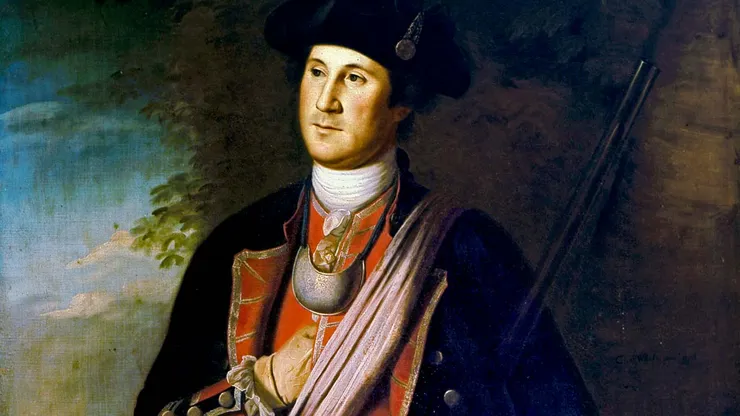
Rob Walton: Visionary Who Guided Walmart to Global Dominance

iqsafe.info – Rob Walton, the eldest son of Walmart founder Sam Walton, played a key role in the growth and success of the global retail giant. As a longtime board member and chairman of Walmart, Walton’s leadership was instrumental in helping the company evolve from a regional discount retailer to the world’s largest retailer, with a presence in over 20 countries. While Rob Walton’s influence on Walmart is well-documented, his impact also extends to his philanthropic efforts, corporate governance, and support for innovation.

Early Life and Education

Robson Walton, better known as Rob Walton, was born on October 28, 1944, in Kingfisher, Oklahoma, into the family that would become synonymous with the retail industry. Growing up in the small town of Bentonville, Arkansas, Walton was raised with a strong work ethic, instilled by his father, Sam Walton, whose mission was to build a company based on customer service, low prices, and high-quality products.

Walton attended the University of Arkansas, where he earned a degree in business. He later went on to study law at Columbia Law School in New York City, where he honed his skills in corporate governance and law. After graduating, Walton joined the law firm Conner & Winters, working in the legal field for several years before returning to Walmart, where his leadership would help guide the company toward its global success.

Leadership at Walmart

In 1978, Rob Walton joined Walmart officially, marking the beginning of his long tenure with the company. Although he didn’t start at the top, Walton quickly rose through the ranks, bringing his legal expertise to the company’s operations. As Walmart expanded rapidly throughout the 1980s and 1990s, Walton’s contributions were integral in navigating the legal and regulatory challenges that arose.

In 1992, following the retirement of his father, Sam Walton, Rob Walton became the chairman of Walmart’s board of directors. His leadership at the helm of the company helped guide Walmart through a period of rapid global expansion, both in terms of physical stores and e-commerce. Under Rob Walton’s leadership, Walmart continued to grow, adding stores around the world and entering new markets in Asia, Europe, and Latin America.

Walton was also a driving force behind Walmart’s efforts to streamline its operations and implement cutting-edge technologies in supply chain management, distribution, and inventory control. The company’s ability to keep costs low while maintaining high product availability became a hallmark of Walmart’s success. Walton’s focus on operational efficiency and customer-centric practices played a crucial role in the company’s continued dominance in the retail space.

Innovations and Global Expansion

During Rob Walton’s tenure as chairman, Walmart pursued an aggressive international growth strategy, expanding its footprint in key markets across the globe. The company’s entry into emerging markets like China, India, and Mexico was a critical component of its long-term growth strategy. Walton’s leadership helped navigate the complexities of international retail, from managing local supply chains to overcoming cultural and regulatory challenges.

Under Walton’s guidance, Walmart also made significant strides in e-commerce, recognizing the growing importance of digital retail. The company launched its online platform and began developing new ways to integrate brick-and-mortar stores with its online presence, a strategy that has proven vital in the modern retail landscape. By 2015, Walmart had made substantial investments in its e-commerce business, making it a formidable competitor to online giants like Amazon.

Walton also made significant strides in sustainability and corporate social responsibility. Walmart became a pioneer in creating sustainable supply chains and reducing its environmental impact through initiatives like energy-efficient stores, waste reduction programs, and commitments to sourcing responsibly produced goods. Walton’s leadership helped shape Walmart as a company that balanced profitability with an increasing focus on social and environmental responsibility.

Rob Walton’s Legacy and Leadership Style

Rob Walton is often described as a pragmatic and steady leader, focused on long-term goals rather than short-term gains. His approach to business was grounded in the principles established by his father, Sam Walton, who famously emphasized customer satisfaction, low prices, and a strong sense of community. Walton built on these values, ensuring that Walmart maintained its position as a leader in the retail industry while evolving with the times.

Unlike his siblings, Rob Walton was a more public-facing figure within Walmart’s operations. His presence on the board and his active participation in major decisions cemented his reputation as the leader who successfully steered Walmart through its most significant phases of growth. His strategic vision helped Walmart become a global force, and his leadership style was marked by a calm demeanor, a strong commitment to efficiency, and a focus on collaboration.

In 2015, Rob Walton stepped down as chairman of Walmart’s board after 23 years of leadership. His departure marked the end of an era for the company, but his influence is still felt through the legacy of his leadership and the strategic decisions made during his tenure. Walton’s leadership laid the foundation for the company’s continued success in the 21st century, ensuring that Walmart remained a retail powerhouse in the face of evolving market dynamics.

Personal Life and Wealth

Rob Walton’s wealth, like that of his siblings, comes from his substantial stake in Walmart. As one of the wealthiest individuals in the world, Walton’s fortune has been a subject of significant attention. While he has kept a relatively low profile compared to some of his peers in the business world, Walton has focused much of his energy on philanthropic initiatives and ensuring that his wealth benefits causes he believes in.

He has been an advocate for education, contributing to educational institutions and funding initiatives aimed at improving learning opportunities for young people. Walton’s philanthropic efforts have extended to supporting conservation, healthcare, and community development projects. He has used his wealth to make a positive impact on society, contributing to the creation of programs that promote sustainability and social well-being.

In his personal life, Walton is known for his love of sports, particularly his involvement in the world of motorsports. He has invested in NASCAR and other racing ventures, and his family’s private wealth has allowed them to support various athletic endeavors. Walton also enjoys a quieter life outside the public eye, focusing on his family and personal interests.

Rob Walton’s Transition to Board Leadership

Although Rob Walton officially stepped down as chairman in 2015, he remained active in Walmart’s operations and continued to play a significant role in the company’s governance. Walton’s leadership style was marked by a commitment to ethical business practices, corporate transparency, and long-term thinking. Even after his departure from Walmart’s day-to-day operations, Walton’s influence on the company’s direction remained strong through his ongoing involvement as a board member.

As of 2025, Rob Walton’s position on Walmart’s board has transitioned to that of a senior advisor, where he provides counsel and strategic advice. His extensive experience and deep understanding of Walmart’s business model continue to be an invaluable asset to the company as it navigates the ever-changing retail landscape.

Conclusion: A Legacy of Vision and Leadership

Rob Walton’s legacy is one of steady, visionary leadership that helped guide Walmart through some of its most significant phases of growth and transformation. Under his leadership, Walmart expanded globally, embraced new technologies, and pursued sustainability efforts that have made it a leader in both retail and corporate responsibility. Walton’s steady hand, commitment to long-term goals, and ability to navigate challenges have solidified his place as one of the most influential figures in modern retail.

Although he has stepped away from the active leadership of Walmart, Rob Walton’s impact on the company and on the global retail industry is undeniable. His strategic foresight and dedication to Sam Walton’s original vision continue to influence the company, and his contributions to business leadership and philanthropy will be remembered for years to come.

Haus Laboratories: Empowering Beauty Through Artistry

iqsafe.info – Haus Laboratories, founded by global superstar Lady Gaga, is a beauty brand that celebrates individuality, creativity, and self-expression. Launched in 2019, Haus Laboratories aims to break the boundaries of conventional beauty, encouraging people to embrace their unique features and experiment with their looks. With a strong commitment to inclusivity and the transformative power of makeup, the brand has quickly become a favorite among those who believe that beauty is a form of art. Through bold colors, innovative formulas, and a focus on empowerment, Haus Laboratories has redefined the beauty landscape, giving everyone the tools to express themselves in their own way.

The Vision Behind Haus Laboratories: Beauty as Art

Lady Gaga’s vision for Haus Laboratories was clear from the start: to create a beauty brand that reflects her belief that makeup should be a tool for empowerment, not conformity. Known for her bold, experimental style, Lady Gaga has always used makeup as a way to push boundaries, whether on stage or in her everyday life. With Haus Laboratories, she wanted to create a beauty line that encouraged others to do the same.
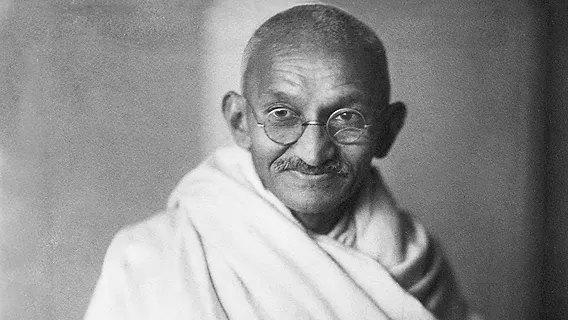
The name “Haus” is a reference to Lady Gaga’s creative team, often referred to as her “Haus,” where artists, musicians, and performers collaborate to create something unique. Haus Laboratories embodies this creative spirit, offering products that allow individuals to express their personality and style through makeup.


The brand’s mantra is all about embracing your own beauty, with the understanding that beauty is not one-size-fits-all. Haus Laboratories encourages self-expression, freedom, and confidence, empowering individuals to explore different aspects of their identity and to create looks that make them feel their best.

Haus Laboratories Products: Bold, Inclusive, and High-Performance

Haus Laboratories has made a mark with its high-quality makeup products designed to complement all skin tones, types, and textures. With a wide range of bold shades, inclusive formulations, and easy-to-use products, Haus Laboratories has earned its place as a leading beauty brand.

Some of the brand’s standout products include:

  • Haus Laboratories Glam Attack Liquid Eye Shadows: These highly pigmented, liquid eyeshadows deliver intense color payoff with a smooth, metallic finish. Available in a variety of striking shades, these eyeshadows allow you to experiment with bold, expressive eye looks. Whether you’re looking for a pop of color or a dramatic shimmer, Haus Laboratories has you covered.
  • Haus Laboratories Le Riot Lip Glosses: Known for their glossy finish and comfortable wear, these lip glosses are available in both neutral and vibrant shades. The glosses provide a high-shine finish without being sticky, making them perfect for adding an extra touch of glam to any look.
  • Haus Laboratories RIP Lip Liners: The RIP Lip Liners are designed to create perfectly defined lips that last all day. With a creamy texture that glides on easily, these lip liners provide precision and define lips while also adding to the longevity of any lip color.
  • Haus Laboratories Eye-Dentify Gel Pencil Eyeliner: The brand’s gel pencil eyeliners are known for their smooth application and rich pigmentation. These eyeliners glide on effortlessly and are long-lasting, making them ideal for creating defined, dramatic eye looks.
  • Haus Laboratories Stupid Love Eyeshadow Palette: Inspired by Lady Gaga’s hit album, this eyeshadow palette features an array of vibrant, edgy colors designed to inspire creativity and self-expression. With both matte and shimmer finishes, this palette provides endless possibilities for unique eye looks.

Each product in the Haus Laboratories range is designed to work together to create bold, customizable looks that are built to last. Whether you’re going for a soft, everyday look or an avant-garde statement, Haus Laboratories provides the tools to make your makeup dreams a reality.

Inclusivity at Its Core: Beauty for Everyone

One of the core values of Haus Laboratories is inclusivity. From the very beginning, Lady Gaga emphasized the importance of creating a brand that celebrates all individuals, regardless of gender, ethnicity, or background. Haus Laboratories aims to provide products that work for every skin tone and type, ensuring that beauty is accessible to all.

The brand’s diverse range of products includes shades that complement a wide spectrum of skin tones, from light to deep. Whether you’re looking for the perfect foundation, lip color, or eyeshadow, Haus Laboratories has options for everyone, ensuring that no one is left out of the beauty conversation.

Haus Laboratories also prioritizes inclusivity in its marketing, regularly featuring models of different races, ethnicities, genders, and body types. By representing a broad range of identities, the brand reinforces the idea that beauty comes in all forms and that everyone deserves to feel seen and celebrated.

Empowerment Through Makeup: The Haus Laboratories Philosophy

Haus Laboratories is not just about makeup—it’s about empowerment. The brand encourages people to express their true selves through the art of makeup, breaking away from traditional beauty standards and embracing individuality. Lady Gaga’s personal journey with beauty and self-expression has shaped the brand’s philosophy, and she has always used her platform to promote self-love and confidence.

The brand’s message is clear: makeup is not just about looking good, it’s about feeling good. Haus Laboratories believes that makeup is a way to tap into your creative energy, enhance your personality, and show the world who you are. Whether you’re experimenting with a bold makeup look or keeping it simple, Haus Laboratories provides the tools to help you feel empowered and confident in your own skin.

Sustainability and Ethical Practices: A Commitment to the Planet

Haus Laboratories is dedicated to creating products that are both high-quality and sustainable. The brand has taken steps to reduce its environmental footprint by using recyclable packaging and ethical ingredients. Haus Laboratories is committed to being cruelty-free, ensuring that no animals are harmed in the development or testing of its products.

In addition to being cruelty-free, Haus Laboratories also works to promote ethical labor practices and sustainable sourcing for its ingredients. The brand continues to focus on improving its sustainability efforts, ensuring that beauty lovers can feel good about the products they are using.

The Haus Laboratories Experience: A New Era of Beauty

Haus Laboratories is more than just a beauty brand; it’s a movement. With its focus on self-expression, inclusivity, and empowerment, the brand has become a symbol of a new era of beauty—one where individuality is celebrated, and everyone is encouraged to embrace their unique features.

The experience of using Haus Laboratories products is one of creativity and freedom. From the bold colors to the long-lasting formulas, each product invites users to step outside the box and experiment with their look. Whether you’re creating a show-stopping stage look or adding a pop of color to your everyday makeup routine, Haus Laboratories empowers you to make beauty your own.

Conclusion: Beauty Without Limits

Haus Laboratories has redefined what it means to be beautiful by championing individuality, creativity, and inclusivity. With Lady Gaga’s visionary leadership and a commitment to high-performance products, Haus Laboratories has created a beauty brand that allows everyone to express themselves confidently and authentically. Whether you’re a beauty enthusiast or someone new to makeup, Haus Laboratories offers the tools to experiment, innovate, and celebrate your unique beauty. In a world that often imposes standards, Haus Laboratories reminds us that beauty has no limits.

Chicken Steak Praktis: Resep Steak Ayam dengan Bumbu Rempah yang Menggoda

Ingin menikmati chicken steak yang praktis, namun tetap penuh rasa? Resep link slot hadir untuk memberikan Anda steak ayam dengan bumbu rempah yang menggoda, tanpa harus menghabiskan banyak waktu di dapur. Dengan bumbu sederhana yang mudah ditemukan di rumah, Anda bisa membuat steak ayam yang empuk, gurih, dan penuh rasa, cocok untuk makan malam keluarga atau acara spesial.

Ikuti langkah-langkah mudah berikut untuk membuat Chicken Steak Praktis yang lezat!

Bahan-Bahan:

Untuk Ayam:

  • 4 potong dada ayam fillet (atau paha ayam tanpa tulang)
  • 2 sdm minyak zaitun (untuk menumis)
  • 1 sdt garam
  • 1/2 sdt lada hitam
  • 1 sdt paprika bubuk
  • 1 sdt bawang putih bubuk
  • 1/2 sdt ketumbar bubuk
  • 1/2 sdt kunyit bubuk (untuk warna dan aroma)
  • 1 sdm air perasan lemon (untuk rasa segar)

Untuk Saus Rempah:

  • 2 sdm mentega
  • 1 siung bawang putih, cincang halus
  • 1/2 sdt jahe parut (opsional, untuk aroma segar)
  • 100 ml kaldu ayam (atau air jika tidak ada kaldu)
  • 1 sdm kecap manis
  • 1 sdt saus tiram (untuk rasa gurih)
  • 1 sdt mustard (untuk rasa pedas dan asam)
  • 1/2 sdt paprika bubuk
  • Garam dan lada hitam secukupnya
  • 1 sdm krim kental (untuk saus yang lebih creamy, opsional)

Sayuran Pelengkap:

  • Brokoli, dipotong-potong
  • Wortel, dipotong memanjang
  • Zucchini atau paprika merah (opsional)
  • Kentang, bisa digoreng atau direbus

Cara Membuat:

1. Menyiapkan Ayam:

  • Cuci bersih ayam dan keringkan dengan tisu dapur.
  • Pukul lembut ayam dengan palu daging agar lebih rata dan empuk saat dimasak.
  • Lumuri ayam dengan garam, lada hitam, paprika, bawang putih bubuk, ketumbar, kunyit bubuk, dan sedikit air perasan lemon. Diamkan selama 10-15 menit agar bumbu meresap ke dalam ayam.

2. Memasak Ayam:

  • Panaskan minyak zaitun dalam wajan dengan api sedang.
  • Setelah minyak panas, masukkan ayam dan masak selama 5-7 menit per sisi, atau hingga ayam matang dan berwarna kecokelatan. Pastikan ayam matang sempurna di bagian dalamnya.
  • Setelah ayam matang, angkat dan sisihkan. Jika suka, tambahkan sedikit mentega di wajan untuk memberikan rasa gurih pada ayam.

3. Membuat Saus Rempah:

  • Di wajan yang sama, tambahkan mentega dan biarkan meleleh.
  • Tumis bawang putih cincang dan jahe parut (jika menggunakan) hingga harum.
  • Tuangkan kaldu ayam dan biarkan mendidih selama 2-3 menit agar rasa semakin terkombinasi.
  • Masukkan kecap manis, saus tiram, dan mustard. Aduk rata dan biarkan saus sedikit mengental.
  • Tambahkan sedikit paprika bubuk untuk memberikan warna dan aroma yang lebih kaya.
  • Jika saus terlalu kental, Anda bisa menambahkan sedikit air atau kaldu tambahan. Koreksi rasa dengan menambahkan garam dan lada hitam sesuai selera.
  • Untuk saus yang lebih creamy, tambahkan sedikit krim kental dan aduk hingga merata.

4. Menyajikan Chicken Steak:

  • Letakkan ayam yang sudah dimasak di atas piring saji.
  • Siram ayam dengan saus rempah yang telah dibuat hingga merata.
  • Sajikan dengan sayuran panggang atau sayuran kukus seperti brokoli, wortel, dan zucchini. Anda juga bisa menambahkan kentang goreng atau kentang rebus sebagai pelengkap.

Tips Variasi:

  • Topping Keju: Jika ingin rasa yang lebih creamy, tambahkan sedikit keju parmesan parut di atas ayam dan panggang sebentar agar keju meleleh.
  • Sayuran Lain: Anda bisa mengganti brokoli dengan sayuran lain seperti kacang polong, asparagus, atau paprika panggang untuk variasi rasa.
  • Saus Pedas: Jika Anda suka makanan pedas, tambahkan sedikit saus sambal atau cabe rawit cincang ke dalam saus rempah untuk rasa pedas yang menggigit.

Manfaat Kesehatan:

Chicken Steak Praktis ini merupakan hidangan kaya protein dari ayam yang baik untuk pertumbuhan dan perbaikan sel tubuh. Ditambah dengan sayuran segar, Anda mendapatkan vitamin, serat, dan antioksidan yang membantu menjaga kesehatan tubuh. Saus rempah yang ringan dengan sedikit krim kental tetap memberikan rasa creamy tanpa terlalu berat. Hidangan ini juga lebih sehat karena menggunakan minyak zaitun yang kaya akan lemak sehat.

Kenapa Chicken Steak Ini Begitu Lezat?

Keistimewaan Chicken Steak Praktis terletak pada penggunaan bumbu rempah yang kaya dan aroma yang menggoda. Paprika, ketumbar, dan kunyit memberikan rasa hangat dan mendalam pada ayam, sementara saus rempah yang gurih dan sedikit pedas membuat hidangan ini semakin nikmat. Sayuran segar sebagai pelengkap memberikan keseimbangan rasa dan tekstur pada hidangan ini.

Kesimpulan:

Chicken Steak Praktis adalah pilihan yang sempurna jika Anda ingin menikmati steak ayam yang lezat dengan bumbu rempah yang kaya tanpa harus menghabiskan banyak waktu. Resep ini mudah dibuat dan cocok untuk makan malam spesial atau makan sehari-hari yang bergizi. Dengan bahan-bahan yang sederhana namun penuh rasa, Anda bisa membuat hidangan yang nikmat dan menggugah selera di rumah.

Cobalah resep ini dan nikmati kelezatan Chicken Steak dengan saus rempah yang menggoda!

Alima Pure Beauty: Embracing Clean, Natural Beauty

iqsafe.info – Alima Pure is a beauty brand that has carved a niche for itself in the clean beauty industry by offering luxurious, natural makeup products that are as good for the skin as they are for the planet. Founded in 2004 by Kate O’Brien, Alima Pure began as a small, women-owned brand with a vision to create makeup that was both pure and effective. The brand’s commitment to clean ingredients, sustainability, and cruelty-free practices has made it a favorite among those who prioritize a holistic approach to beauty. Alima Pure’s products are designed to enhance natural beauty with subtle, buildable coverage, giving wearers the ability to achieve a radiant, fresh-faced look without compromising on their values.

Clean Beauty with a Purpose:

At the heart of Alima Pure’s mission is its dedication to clean beauty. The brand believes that makeup should enhance, not harm, the skin, which is why it formulates all of its products without harmful chemicals, artificial fragrances, or synthetic dyes. Alima Pure’s products are free from parabens, sulfates, phthalates, and other potentially irritating ingredients, making them a safe choice for sensitive skin. Every formula is designed to be nourishing and gentle, using natural ingredients that are known for their skin-loving benefits.

In addition to being free from harsh chemicals, Alima Pure’s products are 100% cruelty-free and many of them are vegan, making them a great option for those who prefer to use ethical, sustainable beauty products. The brand’s commitment to clean beauty ensures that customers can feel good about what they’re putting on their skin while achieving a flawless, natural look.

The Power of Mineral Makeup:

Alima Pure is best known for its high-quality mineral makeup, which uses finely milled natural minerals to provide beautiful, breathable coverage. The brand’s foundation formulas, such as the Loose Mineral Foundation, offer buildable coverage that can be customized to suit individual preferences. The lightweight, airy texture of mineral makeup allows the skin to breathe, making it ideal for those who prefer a more natural finish or have sensitive skin. Alima Pure’s foundations are designed to even out skin tone, minimize imperfections, and provide a soft-focus effect that enhances the skin’s natural radiance.

The brand also offers a range of mineral blushes, bronzers, and highlighters, all formulated with the same care and attention to detail as its foundations. These products deliver a seamless, natural finish, with shades that work across a wide range of skin tones. Alima Pure’s blushes and bronzers are known for their blendability and buildability, making them easy to apply and perfect for creating a soft, sculpted look. The highlighters, in turn, provide a delicate glow, adding dimension and luminosity to the skin without being overpowering.

Minimalist Yet Elegant Product Range:

One of the things that sets Alima Pure apart is its minimalist approach to beauty. Rather than offering an overwhelming array of products, the brand focuses on creating a carefully curated selection of essentials that allow customers to create a flawless look with just a few key products. Alima Pure’s product range is designed to enhance natural beauty in a way that feels effortless and elegant.

In addition to its mineral foundations, blushes, bronzers, and highlighters, Alima Pure offers an array of eye makeup products, including eyeshadows, eyeliners, and mascaras. The Eye Shadow collection is available in a variety of matte, satin, and shimmer finishes, with shades ranging from soft neutrals to vibrant hues. The eyeliners are formulated to glide on smoothly, providing precise definition with a long-lasting finish, while the mascaras help to lengthen and volumize lashes for a wide-eyed, open look.

The brand’s Lip Tint and Lipstick collections also reflect Alima Pure’s commitment to simplicity and elegance. The lip products are formulated with nourishing ingredients like shea butter and jojoba oil, offering hydration and a pop of natural color. The lip tints provide a soft, subtle tint to the lips, while the lipsticks offer full coverage with a creamy, smooth finish.

Eco-Friendly Packaging and Sustainability:

Alima Pure is a brand that places a strong emphasis on sustainability, both in its product formulations and its packaging. The brand is committed to using eco-friendly, recyclable materials whenever possible, and it strives to reduce waste in its production processes. Alima Pure’s mineral makeup products are sold in recyclable packaging, and the brand has taken steps to minimize its environmental impact through responsible sourcing and manufacturing practices.

In addition to its eco-conscious packaging, Alima Pure is dedicated to supporting sustainability initiatives and reducing its carbon footprint. The brand actively works with suppliers who share its commitment to sustainability, and it continually explores new ways to improve its environmental practices. For customers who are passionate about using beauty products that are kind to the planet, Alima Pure provides a guilt-free way to enjoy luxurious, natural makeup without compromising on quality or ethical values.

Alima Pure’s Commitment to Diversity and Inclusivity:

Alima Pure is also committed to celebrating diversity and inclusivity, both in its product offerings and its marketing. The brand’s foundation shades are designed to cater to a wide range of skin tones, from light to deep, ensuring that everyone can find a shade that works for them. Alima Pure is also mindful of offering a variety of undertones to accommodate different skin types, making it easy for customers to select products that complement their unique complexion.

The brand’s commitment to inclusivity extends beyond just its products; Alima Pure’s marketing and representation embrace a wide range of individuals from diverse backgrounds, body types, and skin tones. This commitment ensures that all customers feel represented and seen in the beauty industry, which is especially important in today’s climate of increasing demand for diversity and representation.

Alima Pure’s Community Engagement and Social Impact:

Alima Pure’s commitment to giving back extends beyond beauty and sustainability; the brand is also dedicated to making a positive impact on communities and individuals in need. The brand has supported several charitable organizations, including initiatives that promote women’s empowerment, environmental sustainability, and mental health. Through collaborations and donations, Alima Pure strives to make a meaningful difference in the world.

Alima Pure’s social impact initiatives reflect the brand’s core values of integrity, responsibility, and giving back to the community. By aligning itself with causes that promote positive change, the brand demonstrates its commitment to using its platform for good and fostering a more equitable world.

Conclusion:

Alima Pure Beauty is a brand that embodies the best of clean, natural beauty with a focus on elegance, simplicity, and sustainability. With its high-quality mineral makeup, ethical practices, and dedication to inclusivity, Alima Pure has established itself as a beloved choice for those seeking a fresh, glowing complexion with a minimalistic approach. The brand’s eco-friendly packaging, commitment to clean ingredients, and focus on diversity make it a standout in the clean beauty movement. Whether you’re looking for a subtle foundation, a natural flush of color, or a glowing highlight, Alima Pure offers products that enhance your natural beauty while honoring your values.

American Indian Voices: Honoring Indigenous Perspectives

iqsafe.info – The term “American Indian Voices” encompasses the rich and diverse range of experiences, histories, and perspectives from Indigenous peoples across the United States. These voices represent a vital part of the nation’s cultural fabric, rooted in ancient traditions, spiritual beliefs, and social structures that predate the founding of the United States. Despite centuries of marginalization, erasure, and displacement, Indigenous voices have persisted, speaking out on behalf of their communities, preserving their cultural heritage, and challenging the dominant narratives that have shaped American society.

In this article, we explore the significance of American Indian voices, highlighting the role they play in maintaining cultural identity, advocating for social justice, and promoting awareness of the ongoing struggles faced by Native communities. We also examine the ways in which Indigenous writers, leaders, and artists continue to shape the national conversation, offering vital perspectives on issues of history, sovereignty, land rights, and self-determination.

The Role of Oral Tradition in American Indian Voices

Central to understanding American Indian voices is the importance of oral tradition. Long before written language was introduced by European settlers, Native American communities relied on oral storytelling to pass down knowledge, history, and cultural practices. Elders, storytellers, and leaders would recount the stories of their people, often using symbolic language, allegory, and songs to communicate the values, beliefs, and teachings of their culture.

Oral tradition has been an essential means of preserving the language, history, and cosmology of American Indian peoples. Through oral stories, Native communities have been able to articulate their connections to the land, recount their ancestral journeys, and pass down knowledge of the natural world. These voices, while often unrecorded in written form, have remained resilient in the face of colonization, providing continuity between generations.

Today, many Native American communities continue to rely on oral traditions to maintain their cultural heritage, with many Indigenous peoples working to revitalize their languages and oral storytelling practices. The significance of these voices is recognized by both Native communities and non-Native audiences, who increasingly understand the importance of listening to Indigenous peoples in order to learn from their perspectives.

Literature and Writing: Amplifying Native American Voices

As Native American communities navigated the pressures of colonization and the imposition of foreign cultures, many writers and poets emerged to document their experiences, assert their identities, and challenge stereotypes. Native American literature has become a powerful tool for amplifying Indigenous voices, providing insight into the lived realities of Native peoples both historically and in the contemporary world.

One of the most significant figures in Native American literature is Leslie Marmon Silko, a writer of the Laguna Pueblo tribe whose works such as Ceremony (1977) and Storyteller (1981) explore themes of cultural survival, personal healing, and the interconnection between storytelling and identity. Silko’s contributions to Native American literature reflect the deep significance of oral tradition, blending narrative styles and indigenous mythologies with modern literary techniques.

Another notable writer is Sherman Alexie, a Spokane-Coeur d’Alene author whose works such as The Lone Ranger and Tonto Fistfight in Heaven (1993) and The Absolutely True Diary of a Part-Time Indian (2007) have resonated with both Native and non-Native readers. Through his stories, Alexie explores the complexities of Native life, grappling with themes of identity, family, and the effects of historical trauma. His works also shine a light on the resilience of Native youth as they navigate both the pressures of modern society and their cultural heritage.

In addition to Silko and Alexie, many other Native American writers such as N. Scott Momaday, Joy Harjo, and Ruth Behar have contributed to the literary landscape, offering powerful insights into the Native American experience. By sharing their voices, these writers provide an opportunity for Native communities to reclaim their narratives and offer counterpoints to the dominant historical accounts that have often marginalized Indigenous perspectives.

Indigenous Leadership and Advocacy

Beyond literature, American Indian voices are essential in the realm of leadership and advocacy. Indigenous leaders, activists, and community organizers play a pivotal role in defending Native American rights, protecting sacred lands, and advocating for policies that support the sovereignty and well-being of Indigenous communities.

One of the most prominent figures in modern Native American advocacy is Winona LaDuke, a member of the White Earth Nation. As an environmentalist and political activist, LaDuke has worked tirelessly to address issues of land sovereignty, environmental justice, and economic sustainability for Native peoples. She is known for her work with the organization Honor the Earth, which advocates for Indigenous peoples’ rights to protect their land, water, and natural resources from exploitation.

Another influential voice in the fight for Native rights is Russell Means, a member of the Oglala Lakota Nation, who was a leading figure in the American Indian Movement (AIM) during the 1960s and 1970s. Means and AIM advocated for the recognition of Native American rights, including sovereignty, land reclamation, and the protection of sacred sites. His activism brought national attention to the issues facing Native communities and sparked a broader conversation about Indigenous rights and justice.

In recent years, the voice of Native American youth has also become increasingly important in advocating for Indigenous rights and addressing the challenges faced by Native communities, including high rates of poverty, education disparities, and health inequities. Organizations like Native Youth Alliance and the American Indian College Fund have become platforms for young Native leaders to raise awareness and bring about change through activism, education, and cultural pride.

Native American Art and Music: A Cultural Renaissance

American Indian voices are also expressed through visual art, music, and performance. Traditional Native American art, such as beadwork, pottery, painting, and weaving, has long been a means of expressing cultural identity and spiritual beliefs. In recent years, Indigenous artists have garnered increasing recognition for their work, which blends traditional techniques with contemporary themes.

Artists like Jaune Quick-to-See Smith, a Native American painter of the Salish and Kootenai Tribes, use their work to challenge stereotypes, question colonialism, and engage with issues such as environmentalism and Indigenous rights. Smith’s work reflects the blending of Native American cultural heritage with modern artistic forms, creating new narratives that resonate with both Native and non-Native audiences.

In the realm of music, Native American musicians such as Buffy Sainte-Marie, Robbie Robertson, and Pura Fé have used their voices to address social and political issues, blending traditional Native sounds with modern music genres. Through their work, they highlight the struggles and resilience of Native communities, using music as a means of activism, cultural expression, and healing.

The Importance of Listening to American Indian Voices

As the United States continues to grapple with its colonial history and the ongoing impact of systemic racism, it is crucial to listen to and elevate the voices of Native American peoples. These voices provide essential insights into the history of the country, the continued struggles for justice, and the ways in which Native communities are asserting their rights and preserving their cultural heritage.

Listening to American Indian voices means acknowledging the history of displacement, violence, and discrimination that has shaped Native American experiences. It also means recognizing the strength, resilience, and wisdom of Native communities who continue to fight for their rights and their future. By amplifying Indigenous voices, we can foster greater understanding, empathy, and support for the pressing issues facing Native peoples today.

Conclusion: Empowering the Future

American Indian voices are a testament to the strength, resilience, and enduring spirit of Indigenous peoples. Whether through oral tradition, literature, leadership, art, or music, Native American voices continue to shape and enrich the cultural and social landscape of the United States. By honoring these voices and learning from their experiences, we can work toward a more inclusive, just, and equitable society that respects the rights and dignity of Native peoples.

As the Native American community continues to assert its sovereignty and fight for justice, it is essential that we listen, support, and amplify their voices. The future of Native American communities depends not only on preserving cultural heritage but also on ensuring that Indigenous voices remain central to the national conversation about history, identity, and justice.

Cyclamen: A Charming Flower with Delicate Beauty

iqsafe.info – Cyclamen, a genus of flowering plants in the primrose family, is known for its striking blooms and charming presence in gardens and homes. With its vibrant colors, heart-shaped leaves, and unique floral structure, the Cyclamen flower is a favorite among gardeners and plant enthusiasts. This perennial plant is prized for its ability to bloom in the colder months, providing a burst of color when many other flowers are not in bloom.

Description and Features

Cyclamen plants are characterized by their beautiful, nodding flowers that grow on slender stems. The flowers, which come in a variety of colors, including white, pink, red, and purple, feature reflexed petals that curl backward, creating an elegant, star-shaped appearance. The center of each flower is often a contrasting color, adding to the plant’s visual appeal.

Cyclamen flowers bloom in the fall and winter months, making them a favorite for adding color to winter gardens or indoor displays during the colder season. The plant’s heart-shaped leaves are typically green, though some varieties have marbled or silver-patterned foliage, which adds an extra layer of interest.

One of the most unique features of Cyclamen is its tuberous root system. Unlike many plants that grow from a typical root system, Cyclamen grows from a bulb-like tuber, which helps the plant survive during periods of dormancy. After blooming, Cyclamen goes into a dormant state, with the leaves dying back, only to regrow and bloom again the following season.

Habitat and Distribution

Cyclamen species are native to Europe and the Mediterranean region, with some varieties found in the Middle East and parts of Asia. These plants are typically found growing in woodland areas, on hillsides, or in rocky habitats where they thrive in well-drained, humus-rich soil. Cyclamen enjoys cool, temperate climates and is hardy in USDA zones 5 to 9, depending on the variety.

The most commonly cultivated species are Cyclamen persicum (Persian Cyclamen) and Cyclamen hederifolium (Ivy-leaved Cyclamen), both of which are popular in gardens and as houseplants. While Cyclamen persicum is often grown as an annual or indoor plant in colder climates, Cyclamen hederifolium is a hardy perennial that can be grown outdoors in a variety of settings.

Ecological Importance

Cyclamen flowers play an important role in supporting local ecosystems, particularly in their native habitats. They provide nectar for pollinators such as bees and butterflies during the winter months when fewer flowers are available. Additionally, the leaves and tubers provide shelter and food for small creatures, like insects, that live within the plant’s environment.

Cyclamen plants are also important in naturalizing areas of gardens or woodlands. Their tubers help to stabilize the soil, reducing erosion in areas with uneven or sloping terrain. In the wild, they often grow in woodland clearings, where they create a carpet of color in the fall and winter, blending beautifully with the surrounding natural landscape.

Cultivation and Care

Cyclamen is relatively easy to grow, but it requires some attention to detail to thrive. Whether grown indoors or outdoors, the plant prefers cool temperatures, moderate humidity, and a well-drained, slightly acidic soil. For indoor cultivation, it is best to place Cyclamen in a cool, bright room that receives indirect sunlight, such as near a window with filtered light.

When planting Cyclamen outdoors, choose a location with partial to full shade, and make sure the soil is rich in organic matter. Cyclamen prefers moist, well-drained soil, so adding compost or other organic material will help create the ideal growing conditions.

Watering is a critical aspect of Cyclamen care. The plant should be watered thoroughly when the soil feels dry, but care should be taken not to overwater, as this can lead to root rot. It’s important to water around the base of the plant, avoiding getting water on the flowers or leaves, which can cause damage or promote fungal diseases.

After blooming, Cyclamen enters a dormant phase, during which the leaves and flowers die back. During this time, it’s essential to reduce watering and allow the plant to rest. Once the plant starts to show signs of regrowth in the spring, watering can be resumed. Deadheading spent flowers can encourage new blooms and maintain the plant’s appearance.

Cyclamen is generally pest-resistant, but it can occasionally be affected by aphids or mealybugs. If pests are detected, gently wipe them off the plant with a damp cloth or treat the plant with insecticidal soap. Cyclamen is also susceptible to fungal infections, particularly if overwatered or if the plant is kept in too warm or humid of an environment.

Symbolism and Cultural Significance

Cyclamen holds a variety of symbolic meanings across different cultures and traditions. In the language of flowers, Cyclamen is often associated with resignation, humility, and a longing for someone’s return. Its delicate blooms and graceful appearance have made it a symbol of devotion, especially in the context of romantic love or friendship.

In Greek mythology, the Cyclamen flower was linked to the goddess Artemis, the protector of wild places. According to some myths, Cyclamen flowers grew from the tears of the goddess, symbolizing both the beauty and fleeting nature of life. In Christian symbolism, the plant is sometimes associated with purity and chastity.

Cyclamen also has a place in herbal medicine. While its uses are limited due to its toxicity, certain species of Cyclamen have been used in traditional medicine for their purported anti-inflammatory properties. However, it is important to note that Cyclamen should not be consumed without proper knowledge and caution, as its tubers contain toxic compounds.

Conclusion

Cyclamen is a graceful and captivating plant that adds beauty and charm to any garden or indoor space. With its striking blooms, heart-shaped leaves, and elegant floral structure, it is no wonder that Cyclamen has become a favorite among gardeners and plant enthusiasts. Whether grown in containers, as a houseplant, or in outdoor gardens, this plant is a versatile and long-lasting addition that provides color and interest during the colder months. Its cultural significance, ecological role, and delicate beauty make it a plant that continues to captivate and inspire.

Nabylla Dharmawan Raih Gelar Juara di Gasca International Music Singing Competition 2024, Sambut Kado Akhir Tahun yang Istimewa

iqsafe – Penyanyi cilik Nabylla Dharmawan berhasil mengharumkan nama Indonesia di kancah internasional dengan memenangkan Gasca International Music Singing Competition 2024 yang berlangsung di Tokyo, Jepang. Ajang bergengsi ini diselenggarakan oleh Global Artistic Solution Culture Association (GASCA) dan diikuti oleh peserta dari berbagai negara seperti Singapura, Thailand, Hong Kong, Dubai, Malaysia, dan Jepang.

Nabylla, yang baru berusia 8 tahun, berhasil mengalahkan para pesaingnya dengan membawakan lagu “And I’m Telling You” versi Lyodra. Penampilannya yang memukau berhasil menyihir para juri dan penonton yang hadir. Lagu ini dikenal memiliki tingkat slot kamboja kesulitan yang cukup tinggi, namun Nabylla mampu menunjukkan kekuatan vokal dan penghayatan yang mendalam.

“Terima kasih Tuhan, ajarkan aku untuk selalu bersyukur dan rendah hati. Ini adalah kado terindah untuk Nabylla di akhir tahun 2024,” ungkap Nabylla saat dihubungi wartawan di Jakarta, Senin (30/12/2024).

Kemenangan ini tidak hanya menjadi kebanggaan bagi keluarga Nabylla, tetapi juga mengharumkan nama Indonesia di dunia musik anak-anak. Nabylla berharap dapat terus melangkah jauh di kancah musik internasional.

“Pengalaman yang sangat mengesankan bertemu dengan finalis yang baik hati dan super berbakat dari negara-negara di seluruh dunia. Aku sayang kalian semua,” tutur Nabylla yang juga menyampaikan rasa syukurnya atas prestasi yang ditorehkan dalam perjalanan karir musiknya.

Kompetisi ini diadakan pada tanggal 24-25 Desember 2024 di Tokyo, Jepang, dan Nabylla berhasil menjadi juara setelah melalui berbagai tahap kompetisi yang ketat.

Dengan prestasi ini, Nabylla Dharmawan membuktikan bahwa bakat dan kerja kerasnya mampu bersaing di tingkat internasional. Semoga ke depannya, Nabylla dapat terus meraih prestasi gemilang dan mengharumkan nama Indonesia di kancah global.